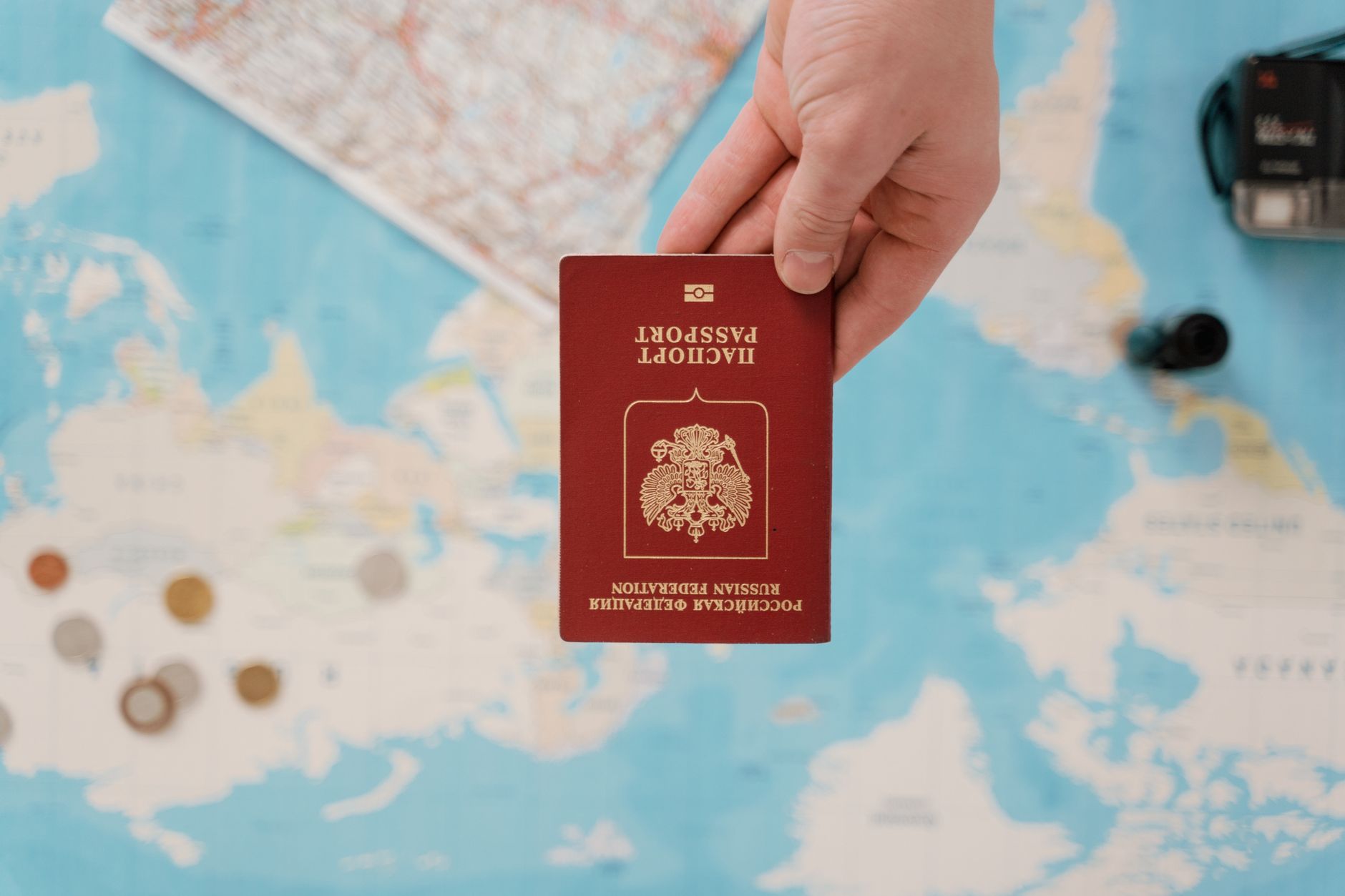
Understanding the various types of visas required for crossing the borders of Russia is an important step for any traveler. The visa application process can be complex, and having clarity on the specific requirements will allow you to make informed decisions regarding your travel plans. Each type of visa serves different purposes, whether for tourism, business, or family visits. By exploring these options in detail, you can ensure that your journey aligns with the relevant authorities’ conditions.
Obtaining a visa to Russia often involves filling out significant paperwork and making appointments. Travelers need to be ready to provide relevant documents, such as an invitation letter, insurance, and a signed application form. The process may seem daunting, especially when considering the number of hours needed for approval and the potential for issues if your application is not submitted correctly. However, understanding the right type of visa will simplify the journey, ensuring that you arrive without complications.
For instance, tourists may require a double-entry visa, while business travelers will need to adopt different protocols. Additionally, it’s vital to keep track of important dates, as visas can be issued with specific time frames and expiration conditions. Whether you are considering a trip to Saint Petersburg or exploring the far reaches of Vladivostok, research into your visa will allow for a smooth disembark upon arrival. As you prepare for your travels, take the time to investigate your options and align them with your planned itinerary.
Förstå visumtyper för Ryssland
When planning a trip to Russia, understanding the various visa types is crucial. Different nationalities have specific needs and regulations, so it is important to select the correct visa based on the purpose of your visit. The primary categories are tourist, business, student, and work visas. Each type has its own requirements and procedures.
For example, a single-entry tourist visa allows travelers to enter Russia once for a short duration, typically up to 30 days. This type is particularly popular among visitors from countries like Italy, Luxembourg, and Andorra who wish to discover Russia’s rich culture. Regular entries might require a multi-entry visa, which permits multiple visits within a specified time frame.
Students planning to study in Russia need to apply for a student visa, which generally covers the entirety of their course duration. If students arrive with the intention of enrolling in a Russian educational institution, they must ensure that their applications are submitted well in advance to avoid any delays.
| Visa Type | Purpose | Längd på vistelsen | Entries |
|---|---|---|---|
| Tourist Visa | Leisure Travel | Upp till 30 dagar | Single or Multiple |
| Business Visa | Business Activities | Up to 90 days | Single or Multiple |
| Student Visa | Educational Purposes | Duration of Study | Single |
| Work Visa | Anställning | Usually up to 1 year | Single |
As indicated, the application process for each visa can vary significantly. Participants must fill out specific formularies, and documentation, including invitations or acceptance letters, must be submitted. Errors in documentation may lead to deportation or refusal at the border. It is always advisable to double-check your documents and procedures when preparing for your visa application.
Further inquiries can be directed to the Russian embassy in your country, where consular officers are able to provide guidance and information on making your application as smooth as possible. Certain forums online can also offer valuable insights from previous applicants, which may help you navigate your visa process better.
Differences Between Tourist and Business Visas
The choice between a tourist visa and a business visa for Russia primarily depends on the purpose of your visit. A tourist visa is designed for individuals traveling for leisure, while a business visa is intended for those engaging in professional activities.
Tourist visas are typically easier to acquire and generally come at a lower price than business visas. They allow for a short stay in the country, usually granting single-entry access valid for up to 30 days. In contrast, business visas can provide longer durations, with multiple-entry options available, making them suitable for individuals who need to travel frequently for work. Applicants must carefully consider their plans and choose the appropriate type based on their itinerary.
When applying for a tourist visa, individuals typically need to provide a travel itinerary, hotel accommodation details, and a travel insurance letter on letterhead. Business visa applications, however, require additional documentation such as an invitation letter from a Russian company, often signed and stamped, which must outline the purpose of the visit and the duration of stay. This letter serves to prove the legitimacy of the business purpose.
Both visa types require registering with the local authorities upon arrival in Russia if you plan to stay longer than 7 days. This registration step is crucial and should be completed immediately to avoid any legal issues. In cities with high international business activity, such as Moscow and St. Petersburg, the process may be faster, though it is essential to allow sufficient time for potential delays.
The application process for either visa can vary in complexity and processing times. For business visas, applicants might face additional scrutiny, as embassies may need to assess the legitimacy of business relationships. Tourist visa applications, while generally more straightforward, can still have points of rejection if the required documents are not properly filled out.
Once approved, both visa types may offer options for extension, but the process and conditions can differ significantly. Business visa holders often find it easier to extend their stay compared to tourists, especially if they have ongoing engagements with a host company.
In conclusion, the main differences between tourist and business visas involve the purpose of travel, duration of stay, documentation required, and the complexity of the application process. It is essential for applicants from countries such as Switzerland, Hungary, India, Italy, and Monaco to consider these factors carefully when planning their trip to Russia.
Eligibility Criteria for Various Visa Types
Understanding eligibility criteria is crucial for applicants seeking visas to Russia. Each visa type has its own specific rules that pertain to different nationalities and purposes for travel. For instance, the tourist visa typically allows individuals from countries like Luxembourg and Austria to stay for a maximum of 30 days, provided that they have a signed invitation from a registered host or a certificate from a travel agency.
Those applying for an academic visa must submit applications that include proof of enrollment in an educational institution recognized by the Federation. This may involve providing an official invitation from the host university and a copy of the academic identity card. The procedures require applicants to print and sign documents certifying their eligibility well in advance of their intended study period.
Single-entry visas typically apply to short visits rendered for tourism or business purposes. Applicants are advised to avoid expired documents during the submission process. In addition, any required payment for processing should be done promptly to avoid delays. For instance, payment confirmation must be submitted within a specified deadline, usually within ten days of the application date.
For those wishing to work in Russia, a work visa demands a different level of eligibility, including a valid job offer from a Russian employer. This requires the employer to be registered with the correct authorities and to have a certificate proving the need for foreign labor. Employers must also submit documents demonstrating compliance with local labor laws.
Visa registration is a critical step during your stay in Russia. The visa-registrationhseru process must be completed within seven days of disembarkation. Failure to do so could lead to deportation, which emphasizes the importance of adhering to specified instructions provided by consulates and regional representatives.
Lastly, specific visas related to humanitarian or women’s support require applicants to provide evidence of their activities and permissions from respective organizations. Each application must be assessed on an individual basis, so it is essential to thoroughly review all requirements before submission.
Duration of Stay for Different Visa Categories

The duration of stay in Russia varies significantly based on the type of visa held by the traveler. Understanding the specific rules associated with each category can help individuals plan their journey effectively and avoid any issues during their visit.
For a tourist visa, commonly referred to as a “regular” visa, the duration is generally limited to 30 days. Travelers should ensure they have the appropriate documents, including a valid invitation certificate, to cover their stay. However, under certain conditions, this visa may be extended, allowing guests to remain in Russia for a longer period, but approval from a local immigration officer is necessary.
Business visas can be more flexible. They are usually issued for 90 days but can be processed for longer durations, such as 6 months or even a year, depending on the needs of the holder. It is important for business representatives to check the latest rules and make sure their applications are complete to avoid cancellations due to insufficient documentation.
Student visas are also an option for those planning to study in Russia, with durations that typically match the length of the academic program. Students should be aware that they must register their residence and have the proper “dormitory” or “apartment” arrangements to maintain their legal status while residing in the country.
For individuals seeking a longer-term stay, the work visa provides options for extended durations, which can range from 3 months to 5 years. This visa is important for demonstrating a legitimate reason for long-term residence in Russia, whether for employment or other professional activities.
It is also worth noting that different regions, such as Vladivostok or cities in Slovenia, may have specific requirements regarding processing times and eligibility criteria. Travelers should always call the relevant embassy or consulate for the most current information applicable to their situation.
To summarize, the duration of stay based on visa types in Russia varies significantly. Before entering the country, it is crucial to thoroughly understand the specific requirements and prepare all necessary documents, including a recent photograph and valid invitation. This careful preparation will help avoid any dates of stay confusion or issues during immigration procedures.
Common Misconceptions About Russian Visas
When traveling to Russia, many people encounter misconceptions that can lead to confusion and stress. Understanding these common myths can help you navigate the visa application process more smoothly.
- Visa Types Are Limited: Many believe that there are only a few types of visas available. In reality, Russia offers various visa categories, including tourist, business, and academic visas. Each is tailored to specific purposes, ensuring that travelers can find the right option for their journey.
- Registration is Not Necessary: Some travelers think that once they arrive in Russia on a visa, registration is optional. However, the law stipulates that foreigners must register their visas within 7 working days of arrival. Failing to register can lead to fines and complications during your stay.
- Insurance is Optional: There is a perception that travel insurance is not required for obtaining a visa. However, the consulate often requires medical insurance that covers the duration of your stay in Russia. Without it, your visa may be denied.
- Only Hotels Can Register You: A common myth is that only hotels can handle visa registration. While hotels can assist with this process, private individuals or dormitories can also register foreign guests. It is essential to know who is responsible for completing this requirement to avoid being lost in bureaucratic procedures.
- Extension is Impossible: Some believe that visa extensions in Russia cannot be done after arrival. This is incorrect; with the proper documentation and application filled out in advance, it is possible to apply for an extension at the local Ministry of Internal Affairs.
- Behöver Överföra Pengar för Varje Ansökan: Det finns en missuppfattning om att visumansökningar alltid kräver höga avgifter eller betalningar i förskott. Priserna kan variera, men resenärer måste bekräfta aktuella avgifter med ansvarigt konsulat eller visumcenter. De kanske inte alltid behöver överföra stora summor pengar bara för att ansöka.
- Inga akademiska visum för korta program: Många tror att akademiska visum endast är tillgängliga för långvariga studier. Korta utbildningsprogram, inklusive sommarskolor, kan dock ofta kvalificera för ett akademiskt visum, förutsatt att utbildningsinstitutionen är erkänd.
- Luxemburg och Andorra har olika regler: Resenärer från Luxemburg eller Andorra tror ofta att de har andra regler att följa när de ansöker om ett ryskt visum. Faktum är att kraven för dessa länder stämmer väl överens med kraven från andra EU-länder, vilket gör processen likartad.
- Att resa med familjen är komplicerat: Vissa deltagare i reseforum indikerar att det är krångligt att ordna visum för familjemedlemmar. Även om ytterligare dokumentation kan krävas tenderar processen att flyta smidigt när alla nödvändiga papper är korrekt förberedda.
- Att resa till Sankt Petersburg är annorlunda: Det florerar missuppfattningar om att särskilda förfaranden endast gäller dem som reser till städer som Sankt Petersburg. Reglerna för att erhålla och registrera visum gäller i allmänhet för alla regioner i Ryssland.
Genom att informera dig om dessa missuppfattningar kan du bättre förbereda dig för ditt besök i Ryssland. Läs alltid de senaste riktlinjerna från officiella källor och se till att alla krav är uppfyllda innan du påbörjar din resa.
Att navigera visumansökningsprocessen
Visumansökningsprocessen för Ryssland kan verka avskräckande, men med rätt vägledning kan du framgångsrikt navigera genom den. Först är det viktigt att fastställa vilken typ av visum du behöver. Ryssland erbjuder olika alternativ, som exempelvis visum för enkel inresa och visum för dubbel inresa, beroende på dina reseplaner. Se till att du samlar alla nödvändiga dokument innan du påbörjar ansökningsprocessen.
Om du redan befinner dig i Moskva eller någon annan större stad kan du besöka ett servicecenter eller en byrå som specialiserar sig på visumtjänster. De kan hjälpa dig att fylla i ansökningsformuläret och säkerställa att allt är i sin ordning. Om du skulle stöta på några fel under processen är det bäst att rådgöra med en professionell för att undvika komplikationer.
För e-visa är processen vanligtvis enklare och tillåter dig att ansöka online. Var dock medveten om att inte alla regioner i Ryssland accepterar e-visa, så kontrollera om din destinations territorium tillåter inresa med denna typ av visum. Efter att du skickat in din ansökan kommer du att få ett meddelande som bekräftar bearbetningsstatusen. Bearbetningstiden kan variera, så var uppmärksam på detta när du planerar din avresa.
Kom ihåg att du måste registrera ditt visum inom sju arbetsdagar på en lokal polisstation efter ankomsten till Ryssland. Underlåtenhet att göra detta kan leda till böter eller problem under din vistelse. Registreringsprocessen omfattar att tillhandahålla nödvändiga dokument och bekräfta din bostad, vilket kan inkludera din studenthems- eller boendeadress.
Om du reser med medföljande familjemedlemmar, se till att deras visum behandlas separat men följer samma ansökningsriktlinjer. För specifika frågor om din situation, överväg att kontakta en lokal visumbyrå eller kolla onlineforum för insikter från andra resenärer som har navigerat processen framgångsrikt.
I slutändan kommer du genom att ta dig tid att förbereda och förstå varje steg i viseringsansökningsprocessen undvika att förlora tid och säkerställa en smidigare ankomst till Ryssland. Oavsett om du kommer från Singapore, Italien eller Frankrike är det rätt sätt att ta sig an den här resan att vara välinformerad.
Obligatoriska dokument för viseringsansökan
Att ansöka om visum till Ryssland kräver noggrann förberedelse och inlämning av specifika dokument. Kraven varierar beroende på syftet med ditt besök, såsom arbete, studier, turism eller officiella affärer. Nedan följer en omfattande lista över de väsentliga dokument som behövs för olika typer av visum.
- Ifyllt ansökningsblankett för visum: Varje sökande måste fylla i en ansökningsblankett korrekt. Fel i ansökan kan leda till förseningar eller avslag.
- Pass: Ett giltigt pass med minst två tomma sidor och en minsta giltighetstid på sex månader krävs. Se till att det inte har gått ut och är fritt från skador.
- Fotografier: Nyligen tagna passfoton som uppfyller officiella specifikationer måste bifogas. Antalet foton som krävs kan variera beroende på visumtyp.
- Inbjudningsbrev: För turism och arbetsrelaterade syften krävs ett inbjudningsbrev från en rysk värd eller organisation. Detta dokument bekräftar officiellt syftet med ditt besök.
- Bevis på boende: Dokumentation som visar din vistelseort i Ryssland måste tillhandahållas, till exempel hotellbokningar eller ett hyresavtal.
- Reseförsäkring: En sjukförsäkring som täcker din vistelse i Ryssland krävs. Den ska täcka sjukvård och akuta situationer under din tid i landet.
- Ekonomiska resurser: Kandidater måste uppvisa bevis på tillräckliga medel för att täcka sin vistelse. Detta kan inkludera kontoutdrag eller sponsorbrev.
- Studieintyg (för studenter): Om ditt syfte är studier krävs ett intyg från din utbildningsinstitution som bekräftar din inskrivning i ett program.
- Officiella dokument: Beroende på din visumtyp kan ytterligare dokument inkludera anställningsavtal, bekräftelse på utbildningsinskrivning eller andra officiella brev. Se till att varje dokument är korrekt ifyllt och undertecknat.
- Konsulära avgifter: Betalning av visumbehandlingsavgiften är obligatorisk. Beloppet kan variera beroende på din nationalitet och visumtyp.
Efter att ha samlat in dessa dokument är det viktigt att kontrollera om det finns några ytterligare krav som är specifika för din region eller visumkontor. Handläggningstiderna kan variera, så det är lämpligt att ansöka i god tid före ditt avsedda resedatum. Att se till att din ansökan är fullständig och felfri kommer att öka chanserna för en smidig inresa avsevärt.
Om du ansöker via en agentur, se till att de är officiellt erkända, eftersom det ofta tar kortare tid och kräver mindre resurser att skicka din ansökan direkt till konsulatet. När alla dokument har skickats in, håll dig uppdaterad om statusen för din ansökan; om ytterligare information krävs kommer visumkontoret att kontakta dig.
Kom ihåg att varje typ av visum har specifika syften, och din ansökan måste återspegla detta. Oavsett om du reser in för studier, arbete eller turistresor är tydlighet och fullständighet i dina dokument avgörande.