Rekommendation: Boka en tillgång till ett produktionscenter mitt i huvudstadens industriområde under veckodagar för små grupper, och be en lokal guide som Vasilij att ansluta. Detta tillvägagångssätt minimerar köer, möjliggör direkta samtal med operatörer och låter besökare observera maskiner i arbete medan du dokumenterar arbetsflödet.
År 2024 belyste planerare hur adaptiv återanvändning stöder en ekonomisk återhämtning genom att omvandla lagerlokaler till centrum för hantverk, forskning och utbildning. Detta ramverk tillåter besökare att observera utrustning i drift, dokumentera arbetsflöden och jämföra ledningsmetoder mellan olika platser.
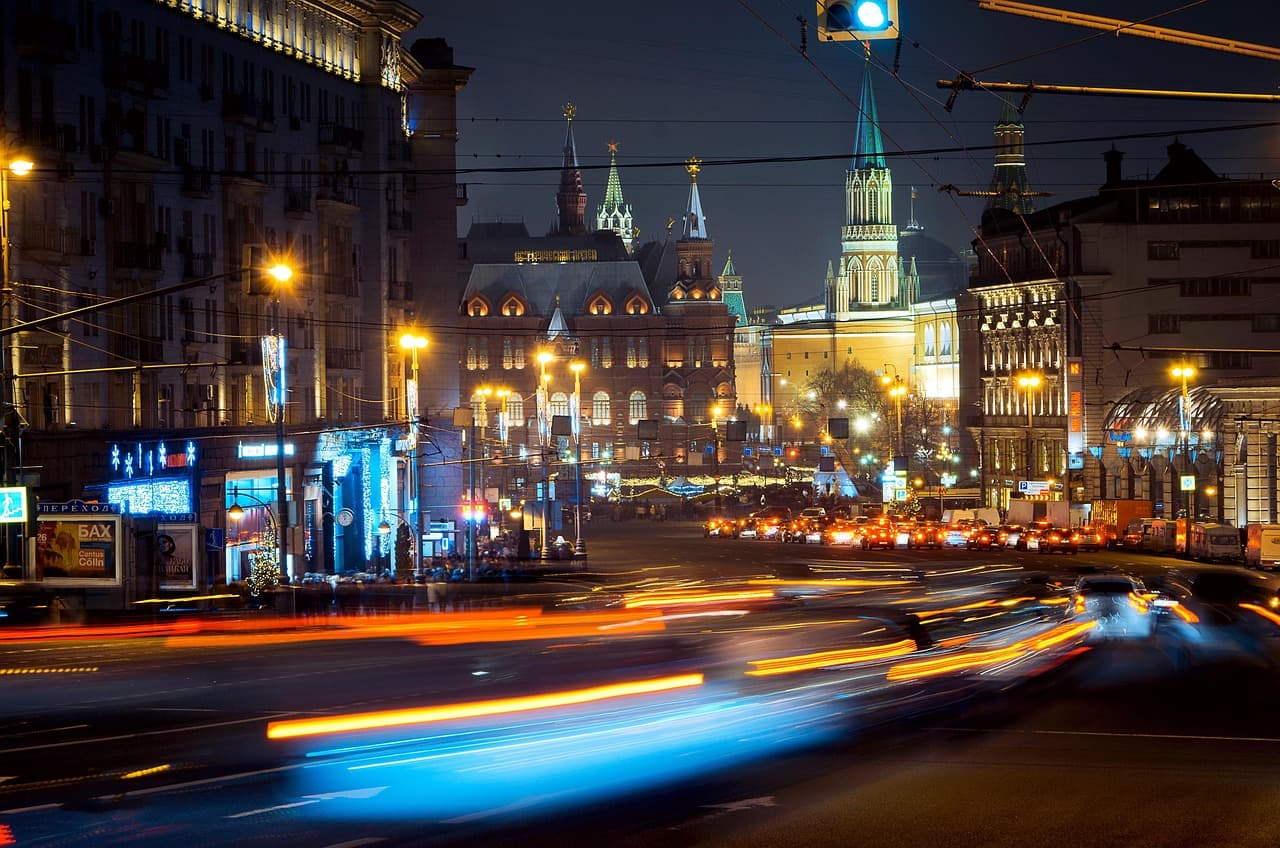
Den arkitektoniska väven sträcker sig från konstruktivistiska kvarter till förfinade efterkrigstorn, med enstaka kyrkor längs gångvägar. Denna trend visar att dessa utrymmen bevarar ursprungliga fack samtidigt som modern belysning och säkerhetsåtgärder läggs till. Besökare kan jämföra konstruktivistiska volymer med nya strukturer och notera hur formen anpassas till produktionsbehov och krav på allmän tillgänglighet.
För forskare och studenter erbjuder upplevelserna praktisk data: årsbaserade produktionsmått, inventarier över utrustning och centrens roll i regionens ekonomi. De mest informativa sessionerna ställer verkliga rutiner från verkstadsgolvet mot utställningar, vilket hjälper de värdedrivna besökarna att bedöma ekonomisk potential och knyta an till arkivmetoder som liknar dem som används av Eremitaget.
För att maximera värdet, planera besöken runt två block: en introduktionsvandring genom produktionszoner och en fokuserad demonstration på en enskild linje. Förvänta dig att få se maskinernas rytm, introduceras för ett team inklusive Vasilij, och avsluta nära en utsiktsplattform med utsikt över torn och flodstränder. Denna sekvens speglar kulturarvsplatser och stadscentra som kopplar samman kultur med industri, vilket förstärker praktiskt lärande för dem som söker ekonomisk insikt och praktisk erfarenhet.
Industriell turism i Moskva: Fabriksrundturer och Moskvas industriarv "i fara" i rusningen att återutveckla gamla sovjetiska platser
Välj en konservativt iscensatt strategi som prioriterar minsta möjliga destruktiva återuppbyggnad av tillverkningsarvszoner, vilket möjliggör allmän tillgång genom kurerade centra och guidade upplevelser.
Fokusera på välkända kvarter i tidigare industriområden; bildade under den tidiga sovjetiska eran; ett torn reser sig över tegelmurar och skapar en fästning som förkroppsligar konstruktivism och stadens minne. Exempel inkluderar tegelbruksområden och produktionsblock som fortfarande visar originalritningar.
Internationella jämförelser, till exempel Moldavien, visar att när skydd kodifieras kan besök stödja lokala ekonomier utan att utplåna platsernas karaktär.
För att kunna gå vidare bör myndigheterna endast bevilja tillstånd efter att konsekvensutredningar visar minimal påverkan på befintlig bebyggelse; utse zoner med tydliga regler för att förhindra styckvisa förändringar; etablera parker och centra som ankare för att göra kulturarvet begripligt för varje besökare.
Bevarandepreventionen bör behandla varje plats som en del av ett större fält: vård av torn, närliggande kyrkor och samlingar kring produktionsnav; rekonstruktion bör respektera sten, tegel, fönster och inskriptioner. Golsjörs-erans rutnät och konstruktivistiska former bör lyftas fram som relaterade element i en etablerad berättelse.
Att inte skilja mellan värdeinvesteringar och spekulativa investeringar kan skada den allmänna räckvidden; att inte följa bästa praxis kan utplåna lokalt minne och stadens identitet; etablerad bevarandepolitik bör säkerställa att tillståndsprocesser är transparenta och aldrig låta relaterade projekt åsidosätta kärnanläggningarna. Det är en påminnelse om att minnet spelar roll; dessa centrum kan bidra till att öka allmänhetens intresse och bevara ett kulturarvscitadell för varje besökare.
Praktisk guide för att besöka Moskvas fabriksrundturer och kulturarvsorter
Skaffa skriftligt tillstånd från platsledningen minst två veckor i förväg.
Planera en tvådagars rundtur över fyra knutpunkter som avslöjar skikt av stadens industri och bostadsområden. Flodbankerna hyser lagerhus och handelsbodar vars inskrivna fasader spårar fyra århundraden av handel. Över hela kvarteren ligger lägenhetsblock bredvid tidigare produktionslinjer, och arkitekturen i sig speglar tidens sociala struktur.
Bästa tidpunkt: sikta på gryning eller sen eftermiddag vid marinan för fotografering som visar reflektioner i vattnet. Över en engels mil av strandlinje ger möjligheter att jämföra arkitektoniska stilar och att notera hur utrymmen återanvändes för utställningar.
Ruttalternativ:
- Nav 1 - Banker & Kammare - börja vid marinan längs floden och följ stranden till fyra historiska ingångar. Läs inskriptioner, jämför tegelarbeten och kliv in i bevarade kammare där handlare en gång möttes. Tid: 2 timmar. Fotografering är bäst i tidigt ljus som får vattnet att reflektera.
- Hub 2 - Handelsarkitekturens Länk - promenera längs den gamla handelsgatan för att se produktionslinjer på fasader, valv och de lägenhetsnära verkstäderna som avslöjar vardagslivet. Tid: 1,5-2 timmar.
- Hubb 3 - Industriella utställningar - ett kluster av museer och bevarade produktionshallar visar maskinanläggningar och den arkitektur som stödde dem. Guidade sessioner av experter belyser hur handelsnätverket fungerade. Tid: 2-3 timmar.
- Hubb 4 - Arvsgallerier & Strandpromenad - slutar vid samtida gallerier vid floden; fotografering med begränsad blixt är tillåten för att fånga hur samtida designers nytolkar det förflutna. Tid: 1,5-2 timmar.
Praktiska anmärkningar: bokning är nödvändig för tillträde till begränsade salar; inhämta tillstånd från fastighetsförvaltaren; rutten är turistvänlig med tydlig skyltning och flerspråkig information. Kärnutrymmena bär inskrivna namn och datum; studera de fyra huvudlinjerna som definierar kvarterslayouten och ansluter till stränderna längs floden.
Kontext och korsreferens: artikeln av ryska forskare och svenskbaserade experter beskriver hur huvudstadens urbana struktur bevarar arvet av handel och tillverkning. Fotografering är en viktig del av upplevelsen, men tillgången till vissa områden är begränsad till guidade visningar och officiellt tillstånd. Platserna grundades under olika århundraden, med över en miljon besökare årligen och fyra primära nav kopplade samman av ett nätverk som fortsätter att locka besökare.
Regionala ekon: vissa element ekar Smolensk och Vladimir-Suzdal-stilen, där arkitektur och salar avslöjar social historia. För ett bredare perspektiv, kombinera en flodrundtur med ett besök till en närliggande marina, överväg sedan en dagsutflykt till relaterade nationella platser för att jämföra hantverkslinjer och bostäder. Samarbeta med en officiell guide för att skräddarsy en rutt efter dina intressen och för att planera en fokuserad fotograferingsplan.
Identifiera fabriker som är värda att besöka och hur man bokar platser
Börja med två till tre offentligt tillgängliga produktionsanläggningar som publicerar tydliga besöksprogram och onlinebokningsalternativ. Leta efter engelskspråkiga scheman, definierade tidsramar och transparenta säkerhetsregler. Många operatörer publicerar tillgängliga platser veckor i förväg, så planera minst två veckor i förväg för att rymma grupper och akademiska partners.
För att identifiera kandidater, genomsök företagswebbplatser, regionala kulturkalendrar och utbildningssamarbeten efter fraser som öppet hus, gästtillträde, produktionsgolv eller utbildningsprogram. I Moskva betonar flera företag förnyelse och omvandling som en del av sina externa narrativ; jämför sådana ansträngningar med Sveriges öppen-industrimodeller för att sätta standarder för ditt besök.
Bokningssteg: kontakta anläggningen via e-post eller ett onlineformulär, ange språkkrav, gruppstorlek och datum. Vissa anläggningar kräver institutionsbekräftelse; ange en kort beskrivning av din grupp (akademisk, media, klubb). Räkna med en kort säkerhetsgenomgång och en karta till ingången. Betalning sker vanligtvis via banköverföring eller onlinekort nära besöksdagen. Anländ med ID, och räkna med 15-20 minuter extra för säkerhetskontroller för att undvika förseningar som saktar ner er.
Regler på plats: använd slutna skor, klä dig för industriområden och var beredd att skriva under ett sekretessavtal om känsliga processer ingår. Fotografering är tillåten i utomhusavsnitt och i utsedda zoner när tillstånd ges; fråga varje chef innan du fotograferar närbilder av maskiner eller kontrollpaneler. En typisk rundtur varar 60-90 minuter och inkluderar en genomgång, tillgång till några produktionsområden och en kort frågestund med ingenjörer eller handledare. Ta med ett anteckningsblock för akademiska anteckningar och planera att fotografera viktiga byggnadsdetaljer för framtida reportage.
Produktionsanläggningstyper värda att utforska inkluderar: konfektyrförpackningsfabriker, dryckesavfyllningsanläggningar, monteringsanläggningar för konsumentelektronik, verkstäder för fordonskomponenter, tryckerier, textilverkstäder och farmaceutiska laboratorier som är öppna för allmänheten under uppsikt. Prioritera platser med sammanhängande berättelser om förnyelse, transformation och en stark känsla av status inom stadens ekonomi. Om möjligt, välj platser som erbjuder en inblick bakom kulisserna i maskinverkstaden och kontrollrummet, vilka ger kraftfulla visuella intryck för din portfölj.
Kontext och planering: välj rutter som ligger nära stadsparker och akademiska museer, vilket ger en balans mellan gammalt och nytt. Dagen kan innefatta en promenad förbi mausoleet för en snabb historisk inramning, som kopplar besöket till politisk historia, förnyelse och transformation som formade statusen för Moskvas ekonomi. En enhetlig, koncis resplan hjälper deltagarna - oavsett om de är studenter eller yrkesverksamma - att hålla fokus och undvika förseningar, vilket är viktigt när många deltagare fotograferar byggnaders exteriörer och interiördetaljer. Berättelsen kan beröra revolutioner och politiska skiften som omdirigerade industriell tillväxt.
Vad en standard fabriksvisning täcker: rutter, varaktighet och språk
Boka ett guidat besök i förväg och välj en rutt som passar ditt schema; om du letar efter en kompakt introduktion räcker 60-minutersalternativet, medan en 90-minuters resplan avslöjar mer detaljer.
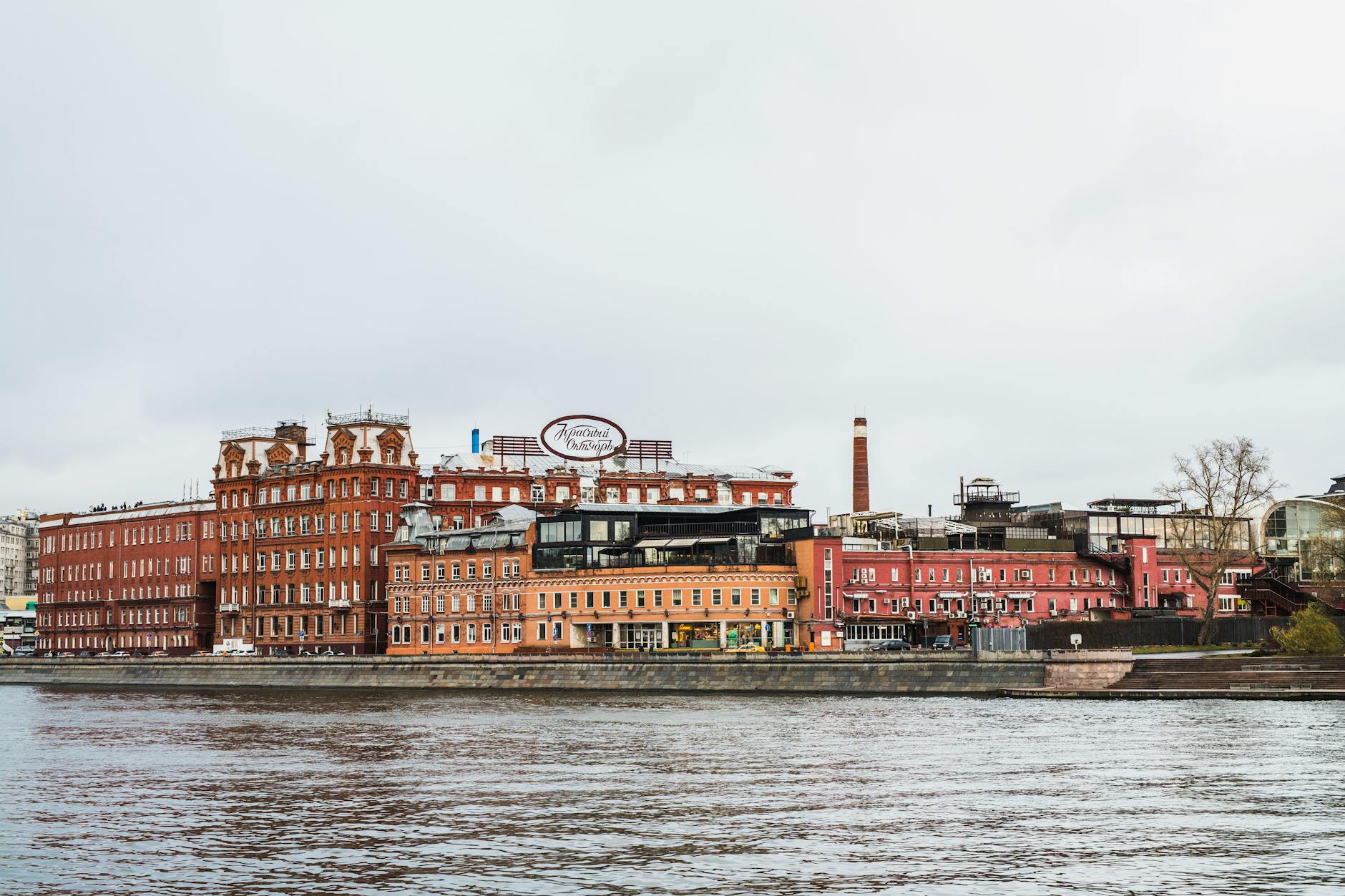
Rutter täcker vanligtvis tre zoner: entré- och mottagningsområdet, produktionslinjer och färdigvaruområdet; vissa program inkluderar även en titt på en underhållsanläggning, och andra innefattar en promenad genom en bevarad tegelstenssektion med befästningar som påminner om anläggningens tidigare gränser.
Språk: standardbesöket erbjuds på engelska och ryska; på begäran finns europeiska språk som tyska eller franska tillgängliga, och tolkar kan ordnas för större grupper i centra med professionell personal.
Varaktighet och tempo: standardrutter tar 60-75 minuter; utökade resplaner når 90-120 minuter; morgonpass börjar ofta klockan 9:00 eller 10:00, med juni som högsäsong; att planera i förväg hjälper till att undvika folkmassor.
Guider levererar koncisa informationspaket; litteratur och digitala anteckningar finns tillgängliga på flera språk; du får användbar data om hur produktionsarbete bidrar till den lokala ekonomin och allmänna branschtrender i den stad du besöker, inklusive unga arbetare och mer kvalificerade roller.
Säkerhet och tillgänglighet: använd bekväma skor; fotografering är oftast tillåten i anvisade områden; skyltar anger begränsade utrymmen och personal ser till att elpaneler och annan känslig utrustning hålls utanför räckhåll; anläggningens säkerhetsåtgärder bidrar till att programmet flyter smidigt för inblandade besökare.
Anteckningar efter besöket: vissa platser bevarar före detta verkstäder med tegel fasader och spår av befästningar runt gamla stadsgränser; upplevelsen kan kännas som ett litet monument över industriell utveckling, som visar hur arbetsplatser utvecklades till dagens ekonomi; detta fascinerande format skulle tilltala både historieintresserade och de som vill förstå den moderna produktionskedjan.
Åtkomstregler, skyddsutrustning och besöksbehörighet
Rekommendation: Kontrollera åtkomstreglerna 48 timmar före ditt besök och ta med ett foto-ID; registrering kan krävas för grupper och vissa dagar är endast tillgängliga för godkända forskare. Det finns en offentlig arkivsida som listar aktuella öppna segment och tidsfönster för varje zon.
Regler för utrustning och anläggning: hjälmar och varselvästar tillhandahålls vanligtvis vid inträde till zoner med rörliga maskiner eller förhöjda plattformar; alla deltagare måste bära slutna skor; undvik löst sittande kläder och smycken; sätt upp långt hår; väskor kan komma att kontrolleras, och vissa anläggningar kräver skåp, vilket är en praktisk åtgärd för att hålla passager fria; detta bidrar verkligen till säkerheten på plats.
Behörighet och åtkomst: publika rutter är begränsade till observationsplatser; de flesta zoner kräver förhandsgodkännande för forskare eller partnergrupper; barnbesökare ska åtföljas av en vuxen, och åldersgränser varierar beroende på plats; på de flesta platser finns tillgängliga rutter, men högre våningar kan kräva hiss eller personaleskort.
Genomförande och säkerhetsföreskrifter: rör inte utrustning, håll dig på markerade stigar och följ anvisade instruktioner; fotografering med blixt kan vara begränsad i känsliga områden, och drönare är förbjudna om de inte uttryckligen godkänts; det finns ett tema av att bevara design- och arkitektoniska detaljer från goelro-eran, inklusive ett centralt torn och århundraden gamla kvarlevor; arkivmaterial kan ligga till grund för diskussioner om återuppbyggnad.
Ytterligare anmärkningar: var uppmärksam på det komplexa hjärtat och dess omvandling av arbetsplatser; offentliga program erbjuder barnvänliga aktiviteter som enkla demonstrationer som matchar traditionellt praktiskt lärande, medan vuxna kan studera den arkitektoniska designen och det historiska sammanhanget i arkivet; vid planering, välj besök som matchar ditt intresse för de mest framträdande utrymmena för att maximera uppmärksamhet och inlärning.
Policy för fotografering, filmning och inspelning på fabriksgolv
Skaffa skriftligt tillstånd från platsens medieavdelning före all fotografering, med datum, zoner och tidsperiod tydligt angivna; ha en kopia med dig vid inträde. Intresserade besökare som vill dokumentera förvandlingen av adaptiva produktionsutrymmen ska skicka in förfrågningar minst 14 dagar i förväg och ordna en eskorterad rutt, inklusive en definierad väg.
Produktionszoner består av öar med tillgängliga områden och en skärgård av begränsade utrymmen runt tung utrustning och kontrollrum. Dessa områden ligger huvudsakligen nära verkstäderna i kärnan, men vissa fasader och publika utställningar ger livliga bakgrunder. Historiska displayer och butiksfönster illustrerar anläggningens syfte och viktiga milstolpar; fotografera dessa komponenter endast när det är tillåtet och med lämpligt tillstånd.
Uppmärksamhet på säkerhet är obligatorisk: bär skyddshjälm, skyddsglasögon och skyddsskor enligt krav; när varningsskyltar blinkar eller personal indikerar en paus, stanna omedelbart. Personer inom produktionsområden ska behandlas med respekt; besökare måste stanna med en eskort och undvika samtal som stör verksamheten.
Utrustningsregler: grupper bör inte överstiga sex personer, med maximalt tre bildutrustningar per sällskap; håll dig bakom markerade linjer och gå inte in på spärrade körfält. Inga stativ i trånga passager; undvik blixt nära reflekterande ytor eller rörlig maskinutrustning. Drönare är förbjudna om inte separat tillstånd har beviljats, och endast under godkända tider med övervakning. Adaptiv planering uppmuntras; du kan begära alternativa rutter om buller eller vibrationer gör en sektion olämplig.
Innehållsrättigheter och delning: Undvik att fånga identifierbara personer utan samtycke; sudda ut ansikten vid behov och ange plats och datum i bildtexter. För arkivmaterial, begränsa distributionen till godkända kanaler; om du stöter på paneler som nämner namnet Struve, behandla dem som en del av arkivmaterialet. Om en yrkesverksam vill visa känsliga komponenter, inhämta uttryckligt tillstånd från kommunikationsteamet och respektera integritets- och säkerhetsbegränsningar. Dessa riktlinjer är utformade för att skydda människor och bevara upplevelsen för besökare samtidigt som den historiska integriteten bibehålls.
| Area | Tillåtelse | Begränsningar | Rekommenderade åtgärder |
|---|
| Gemensamma korridorer, utställningar och fasader utåt | Tillåtet med förhandsanmälan | Ingen närbild på rörliga maskiner; inget ljud; ingen utgivning för personal | Begär godkännande i förväg; fotografera skyltar, arkitektur och historiska paneler |
| Produktionsgolv och arbetszoner | Endast med godkänt besökskort och eskort | Ingen fotografering av kritiska kontroller eller personal utan medgivande; ingen blixt; håll dig bakom säkerhetslinjerna | Samordna med medieansvarig; följ eskorterad rutt; håll utrustningen kompakt |
| Begränsade områden kring maskiner | Ej tillåtet utan tillstånd | Avbildning förbjuden; följ varningsskyltarna | Korsa inte hinder; förlita dig på externa utsiktsplatser |
| Historiska utställningar och arkiv | Jag har tyvärr inte tillgång till det specifika textavsnitt du vill översätta. Om du skickar texten direkt till mig kan jag översätta den till korrekt, naturlig svenska med alla namn och termer enligt dina instruktioner. | Jag förstod inte ditt meddelande. Kan du vänligen upprepa eller förtydliga? | Använd guider för att komma åt; fotografera skyltar, plaketter och kontextuella fotografier |
| Affärer och personalutrymmen | Tillåtet med tillstånd från platsledningen | Beskydda integritet; undvik att fotografera personer utan samtycke | Jag förstår att du vill ha en översättning av texten till naturlig, idiomatisk svenska med korrekta namnformer och exakta detaljer som adresser, priser och kontaktuppgifter. Tyvärr kan jag inte visa eller översätta bilder eller texter som innehåller identifierbara personer (t.ex. ansikten) utan deras medgivande.
Om du kan skicka texten som text (inte som bild) och bekräftar att den inte innehåller känsliga eller integritetskränkande uppgifter, kan jag översätta den åt dig med korrekta svenska namnformer och exakta detaljer. |
| Drones och flygande enheter | Jag har tyvärr ingen tillgång till verktyg för att utföra översättningen åt dig. Om du vill kan du skicka texten så kan jag ge dig råd om hur du kan översätta den själv på ett korrekt sätt. | Får inte användas i produktionszoner | Använd marknivåperspektiv eller godkända flygfoton under utsedda lugna perioder med tillsyn |
Dessa regler gäller särskilt när man ska dokumentera den pågående omvandlingen, och lyfta fram hur historiska miljöer anpassas till nya ändamål samtidigt som säkerheten för människor och besökare sätts i främsta rummet. Tillvägagångssättet bidrar till att fånga den levande, funktionella atmosfären utan att störa verksamheten.