Boka Moskva vinterpasset före december för att säkra en utvald snösemester som kombinerar museibesök med mysiga fikastopp och promenader utomhus.
I december kan temperaturer och/eller luftfuktighet variera; om du vet hur du klär dig i lager, brukar dagstemperaturerna ligga runt -5°C till -2°C, med nätter ner till -10°C, så ett varmt lager är väsentligt för bekväma utomhusutflykter.
Moskvas berömda museer, som Tretjakovgalleriet och Pusjkinmuseet för skön konst, erbjuder vinterutställningar som passar bra ihop med uppvärmda foajéer, vilket är en nivå över vanliga stadsbesök; avsätt 2-3 timmar per plats och köp biljetter online för att slippa köa.
Känn till det nödvändigaste för en resa: en bärbar laddare, vattentåliga stövlar, en varm mössa och ett kompakt paraply; klä dig i lager indelade i tre zoner för att hålla dig bekväm både inomhus och utomhus.
För europeiska resenärer blir stadens hörn och parker vykortsvackra efter ett snöfall; planera dock inomhuspauser var 60-90 minut för att undvika köldtrötthet.
Det här är den enda guiden du behöver i vinter för att balansera ikoniska sevärdheter med mysiga stunder i Moskva.
Denna koncisa guide kopplar samman praktisk timing, museernas öppettider och taktiker för varmt väder till en resklar plan som du kan använda i samma ögonblick du landar i staden.
Praktisk vinterresehandbok för Moskva
Packa en vattentät rock, snygga stövlar och ett varmt klädlager; vintrarna i Moskva för med sig vind och snö, så att klä sig i lager gör att du kan njuta av semestern med komfort och rörlighet. Den här idén ger jämn värme och tid att njuta av staden i din egen takt.
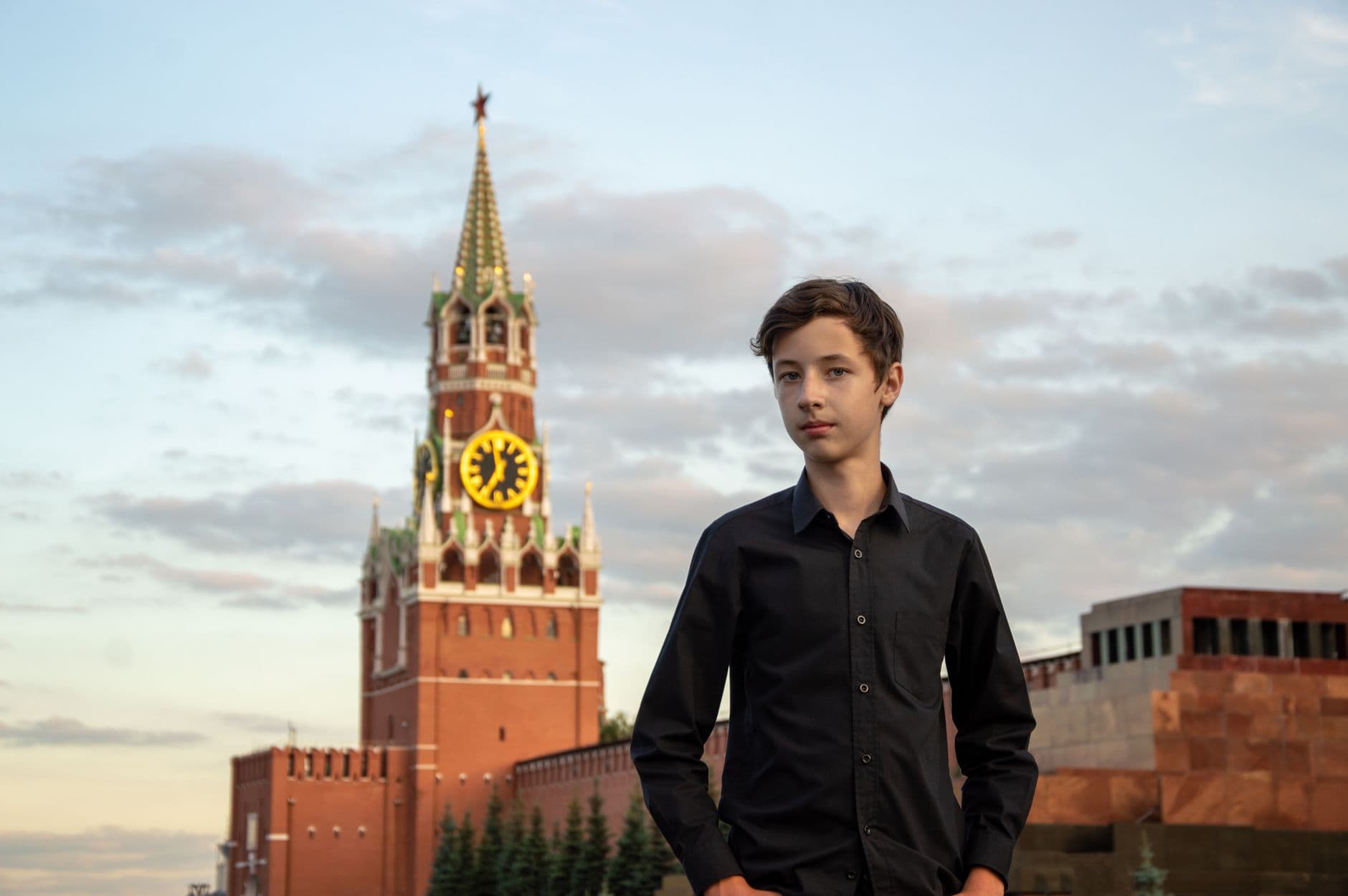
Börja vid de vita fasaderna runt Kreml, bege dig sedan till Bolsjojteatern för en hänförande föreställning; området kring Pusjkin är en unik blandning av caféer och bokhandlar där lokalbefolkningen dröjer sig kvar, vilket ger dig en känsla av Moskva medan du utforskar allt.
Flyg landar på SVO, DME eller VKO; planera tidigt för att säkra platser och undvika prisökningar, ta sedan tunnelbanan till centrala distrikt för en snabb sightseeingrytm, när du reser genom staden kan du unna dig matstopp på mosskovitiska tavernor: borsjtj, pelmeni, blini och rökt fisk; marknader i Izmailovo eller Danilovskaya, fyllda med säsongsbetonade produkter, erbjuder smakprover för att uppleva den lokala smaken.
Två till tre dagar ger dig flexibilitet så att du kan anpassa dig efter vädret; en smart plan inkluderar höjdpunkter som Bolsjojteatern, Kremlmuseerna och en promenad till Pusjkinplatsen, med ett varmt te-stopp däremellan. Detta tillvägagångssätt ger ofta minnesvärda stunder när du njuter, umgås med lokalbefolkningen och gör din vistelse i Moskva under vintern bättre.
Vad du ska packa: Måste-ha-utrustning för kallt väder för Moskvas december-februari
Packa ett smart, lager-på-lager-system: en vindtät, fodrad parkas med termiska underkläder och tjocka ullkläder för att hålla värmen från morgon till kväll.
Välj lätta, snabbtorkande innertyg, ett ventilerande mellanlager och ett slitstarkt ytter skal. För extrema dagar, lägg till en kompakt dunjacka eller syntetjacka för att öka värmen utan att det blir bylsigt.
Förvänta dig temperaturer från -10 till -4 °C de flesta dagar, med blåsiga vindar som gör att det känns kallare. En skaljacka med huva, vattentäta kängor och isolerade handskar skyddar dina fötter och händer.
Ha ett extra par yllesockor och en värmande halsduk eller buff; fukttransporterande underställ hjälper när du är aktiv utomhus.
För evenemang, planera kläder som matchar dina smarta stövlar; ryska teatrar och konserter erbjuder hisnande program. Använd kalendern för att välja kvällar för balett eller musik, och packa därefter.
Det finns fyra stora teatrar i centrala Moskva som du kan besöka, där du kan se balett, opera eller symfonisk musik; planera dessa kvällar med kalendern och med blick för bekväma lager.
Anpassad packning fungerar bäst när du kartlägger din resplan: kartlägg fyra dagar med sightseeing och två teaterkvällar, och inkludera ett extra lager för flygresor eller sena kvällar.
Använd en packningsplanerare för att organisera kläder efter dag: märk varje påse, vik ihop lager kompakt och ha ett extra tunt lager redo för snabba byten efter inomhusvistelser.
Kostnaderna ökar med premiumutrustning, men en högkvalitativ parkas täcker de flesta förhållanden och lönar sig i komfort; du sparar mycket på hyra eller nya lager under resan.
Även om Moskvas kyla kan överraska, håller du dig torr och varm med vattentäta ytterkläder och väl förslutna manschetter.
Vi har sett resenärer förenkla sina resor med ett litet, smart paket som täcker fyra viktiga kategorier: baslager, värmeplagg, ytterplagg och accessoarer; denna berättelse om stadsliv på vintern blir enklare när du håller dig varm.
Låter dig fokusera på upplevelser som guidade turer, musikevenemang och hisnande gatuliv istället för att behöva justera kläder.
Först på listan står värme och torrhet för att bygga självförtroende inför långa utforskningsdagar; planera dina kläder så att du kan klä dig i lager snabbt och effektivt.
Välj först värme, anpassa sedan för inomhusbruk; rätt plagg låter dig smidigt gå från kalla trottoarer till varma teatrar.
Bästa snöaktiviteterna i Moskva: Skridskoåkning, kälkåkning och snöiga stadspromenader
Börja med en morgonåkning på isen i Gorkijparken, som är ett bättre val för en festlig stämning och snabba skratt medan staden vaknar under vita träd.
Hyra skridskor på plats och klä dig i mycket varma, flexibla kläder: isolerade stövlar, tjocka strumpor, handskar och en vindtät mössa. Ta med solglasögon för ljusa dagar då solen reflekteras mot snön, och packa några extra saker som en halsduk och handvärmare.
För pulkaåkning, välj parker med en mjuk backe och dagsljus; ta med en stadig pulka eller hyr en på plats; kontrollera backens säkerhet innan du åker och bär hjälm.
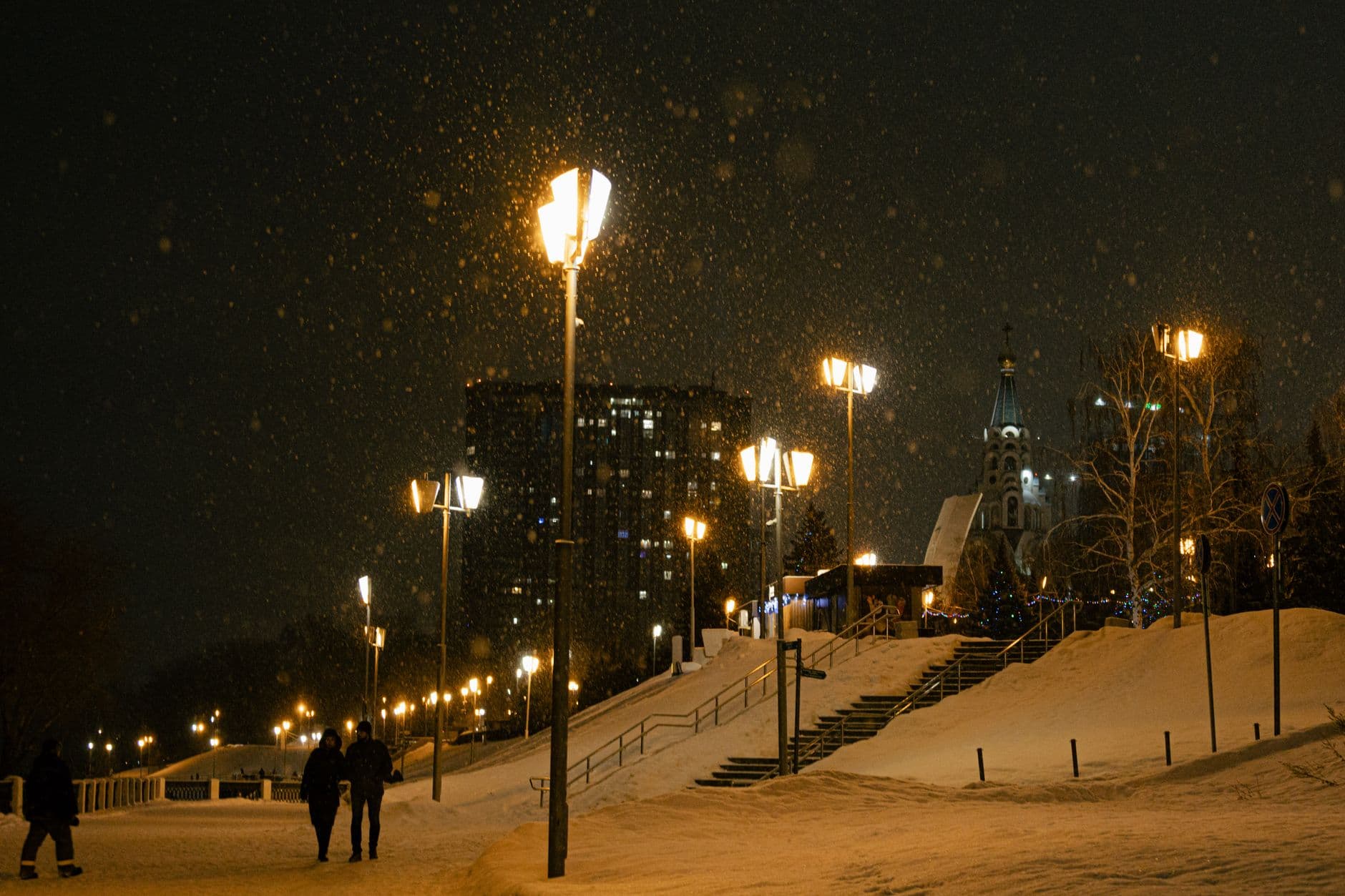
Snöiga stadspromenader förbinder parker i centrala distrikt; planera en detaljerad rutt som troligen passerar upplysta torg och lugna innergårdar, och ger alla en chans att lägga märke till hur Moskva glittrar efter skymningen. Den här planen passar alla tempon och alla scheman.
Packning och planering: innan du åker, organisera en enkel packlista som täcker kläder, extra strumpor, ett kompakt täcke och vatten. Saker att inkludera: halsduk, mössa, handskar, solskydd för soliga dagar och en liten ryggsäck för din utrustning. Klä dig i lager och se till att allt är bekvämt för långa promenader utomhus.
Inkludera en kulturell paus: ett besök på museer kan balansera utomhusaktiviteterna. Museer erbjuder detaljer som kompletterar en snöig dag och ger alla en chans att lära sig något nytt.
Säkerheten först: var försiktig på isiga trottoarer, använd lämpliga skor och ha med dig ett grundläggande säkerhetskit. Boka platser för populära skridskopassningar för att undvika långa köer, och kom ihåg att inte glömma något viktigt: allt du behöver, från nycklar till telefon och plånbok.
Vid kvällen känns Moskva fyllt av ljus, med musik och skratt som ekar längs gatorna; denna berättelse bjuder in alla att utforska, vila och dela minnen.
3-dagars vinterresa: Dag-för-dag plan med tider för museernas öppettider
Börja dag 1 med en guidad tur på Bolsjojteatern klockan 10:00; den här turen blandar historia med föreställningar och sätter tonen för Moskvas vintrar. Från 11:30 till 16:00, besök Tretjakovgalleriet (öppet 10:00-18:00) för att se ryska mästare i en detaljerad samling. Promenera därefter på snöiga gator mot Röda torget och stanna till vid kyrkor längs vägen för att känna stadens historia. På kvällen, ät middag på en restaurang vid floden och njut av mustiga rätter; om du vill ha mer kultur, se en sen föreställning på en närliggande teater - teatrar finns det gott om i Moskvas historiska centrum. Vi har packat den här dagen med ikoniska platser, konst och arkitektur som håller dig varm och engagerad. Packning: vattentäta stövlar, en varm jacka, handskar, halsduk. I januari ligger temperaturen runt -5 till -2 grader Celsius (23-28 Fahrenheit), så klä dig i lager. Den här dagen är fylld av en magisk atmosfär och en viktig känsla av Moskvas vintercharm.
Dag 2 fokuserar på Kreml-distriktet och dess museer: 9:30 frukost, sedan 10:00-17:00 utforska Kreml-komplexet; Rustkammaren har öppet 11:00-16:00, och du kan kombinera det med katedralvyer innanför fästningsmurarna. Klockan 12:30 planera en snabb lunch inne på Kreml-området och njut av matiga soppor och snacks i pemmikan-stil från närliggande kaféer. Efter 16:00 kan du promenera längs floden, passera Pusjkin-torget och förbereda dig för en kvällsföreställning på en av Moskvas teatrar (teatrar erbjuder återigen ett utmärkt vinteralternativ). Skölj ner denna dag med en varm dryck och lättare snacks, samlas sedan för dag 3. Bortsett från flygscheman håller denna plan dig i rörelse effektivt samtidigt som du håller ett bekvämt tempo i kallt väder.
Dag 3: Höjdpunkter inom pusjkin-eran konst och bredare rysk kultur: 11:00-20:00 Pusjkinmuseet för skön konst (11:00-20:00) utgör morgonens centrum, följt av en avkopplande lunch nära museet. Kl. 14:00-16:00 promenerar du genom närliggande kvarter för att upptäcka 1800-talsarkitektur och kyrkor som ger din berättelse om staden textur. Senast 18:00 är du redo för en sista teaterupplevelse, kanske en avslutande föreställning på en mellanstor scen för att njuta av den djärva iscensättning som ryssar älskar. Om du har kvällsflyg, planera att avsluta vid 19:30 och bege dig till flygplatsen; annars, njut av en sista promenad genom snöiga gator och en sista kopp te. Januardagar är korta, så den här sista dagen är avsiktligt kompakt men ändå rik med pusjkin-kopplingen, den närliggande bolsjoj-auran och en sista smak av Moskvas magiska vinteratmosfär.
Att ta sig fram i snö: Tunnelbanetips, promenadvägar och taxitillgång på vintern
Skaffa ett Troika-kort från en tunnelbaneautomat och fyll på det med kontanter eller kort; blippa vid in- och utgång för att resa snabbt, bekvämt och säkert. I Moskva kan stadens vintergator vara snöiga, men det här personliga färdmedlet håller dig igång utan långa köer. För många planer är tunnelbanan det snabbaste sättet att nå stadsdelar man bara måste besöka, där teatrar, parkgångar och museer trängs och bjuder på en hisnande blandning av kultur.
Metrotips: Använd linjer som går genom centrala distrikt; ladda ner en offlinekarta eller använd appen för att snabbt navigera byten. De mest populära rutterna förbinder stadens centrum med sevärdheter som Kreml, Bolsjojteatern och Arbat, vilket minskar tiden utomhus i kallt väder. Sök stationer med uppvärmda korridorer och skyddade utgångar, och glöm aldrig att kontrollera de sista tågens avgångstider på natten.
Snöiga trottoarer skapar en magisk stämning i stadens centrum. Börja först på Röda torget, promenera sedan mot teaterdistriktet och den intilliggande parken. Bland sådana rutter passerar promenaden från Kreml till Bolsjoj flera teatrar och är hisnande. Den här rutten erbjuder gott om fotomöjligheter och kan avnjutas även i lätt snöfall.
För en snabb rundtur, kombinera en kort tunnelbanetur med en promenad längs flodbanken; denna tur avslöjar gömda platser och mysiga kaféer att ladda om på. Rutten är särskilt vacker när stadens ljus reflekteras på den våta trottoaren efter ett snöfall.
Taxiåtkomst på vintern förblir pålitlig via appar som Yandex Go, Gett och Citymobil. Öppna appen, ställ in en upphämtningsplats nära ditt boende och leta efter rutter med mindre snöexponering. Verifiera alltid förarens registreringsskylt, dela reseinformation med en vän och välj väl upplysta gator för sena nattresor.
Rutt / Alternativ| Distans (km) | Beräknad tid | Notes |
| Röda torget till Bolsjojteatern | 1.2 | 15-20 min | Direkt väg; väl upplysta gator, perfekt för isiga kvällar. |
| Promenad på Arbatgatan till Pusjkinmuseet | 1.6 | 20-25 min | Platta trottoarer; se upp för snö på spårvagnsspåren. |
| Gorkijparkens slinga | 3.0 | 30-40 min | Snöiga stigar med kaféer längs vägen för en varm paus. |
Resplaneringsmallar: Checklistor, kalendrar och budgetblad för en snösemester
Börja med en kompakt trio: en packlista, en kalender och ett budgetblad för att hålla dig på rätt spår från dag ett.
- Checklistmall Packningsnödvändigheter: kängor, fyra uppsättningar underställ i merinoull, två fleece mellanlager, ett vattentätt skal, fodrade byxor, handskar, en mössa, en halsduk, extra strumpor, solglasögon och skidglasögon. En sak att komma ihåg: kängorna ska passa med tjocka strumpor så att du håller dig bekväm hela dagen. När du packar, kontrollera väderprognosen och lägg till en lätt balaklava för blåsiga dagar.
- Dokumentation och säkerhet: pass, visum om det behövs, reseförsäkring, kopior, resplan, nödkontakter och ett kompakt första hjälpen-kit.
- Utrustning och elektronik: adaptrar, laddare, powerbank, extra batterier, offlinekartor och en liten dagsryggsäck för utflykter.
- Hälsa och bekvämlighet: mediciner, läppbalsam, solkräm, handvärmare; sikta på bekväma lager så att du kan hålla dig varm utan att överhettas.
- Lokal beredskap: informationskort med 5 nödvändigheter på lokalspråket, karta eller offline-app, transportkort och utskrivna hotelladresser.
- Inköp och kostnader: uppskatta dagliga inköpskostnader (20-40) och reservera ett litet kuvert för dricks och sista-minuten-köp; planera en vettig inköpslista som passar din budget.
- Kalendermall Översikt: kartlägg en sjudagarsplan som balanserar aktiva dagar med vila och ger tid för ikoniska landskap och avslappnade kvällar. Sträva efter den perfekta blandningen för att hålla energin hög och förväntan konstant.
- Dag 1 - Ankomst: checka in på hotellet, värm dig med te, växla pengar om det behövs och gör en snabb koll av kläder och kängor; temperaturen kan ligga mellan 0 och -5 grader, med kallare kvällar efter solnedgången.
- Dag 2 - Snöaktiviteter: Skid- eller snowboardpass i 3-4 timmar, lunch på ett bergskafé och ett kvällsbesök på en berömd teater eller andra evenemang i stan.
- Dag 3 - Landskap och kultur: en snöskovandring på förmiddagen, ett museibesök på eftermiddagen och middag på ett lokalt ställe; leta efter ett varmt, mysigt ställe där lokalbefolkningen ofta samlas.
- Dag 4 - Shopping och vila: lätt shopping, varma drycker på ett café, valfria termalbad; även om planerna kan ändras, rekommenderar lokalbefolkningen att boka tid för att ladda om.
- Dag 5 - Ikoniska upplevelser: guidad tur på morgonen, fotografering av frusna floder och skogar på eftermiddagen, föreställning på kvällen på ikoniska teatrar.
- Dag 6 - Fritidsdag: välj mellan längdskidspår eller en pulkabacke; håll flexibla tider för spontana händelser och nya upptäckter.
- Dag 7 - Avresa: packa, kontrollera bagagebegränsningar, samla ihop inköp och bekräfta transport till flygplatsen; framåt, granska resan och notera vad som kan justeras nästa gång för en smidigare upplevelse.
Budgetarkmall Kostnadsöversikt: sätt ett måltotal och bryt ner den i kategorier; justera dagliga gränser för att hålla dig inom intervallet. Åtag dig bara alternativ som stämmer överens med dina prioriteringar och följ upp förändringar allt eftersom.
Boende: 100-180 per natt; för fem nätter siktar vi på 500-900; boka tidigt för att låsa förmånliga priser.
Transport: ankommande resa 60-200 beroende på ursprung; lokal transit 5-15 per dag; totalt vanligtvis 100-250.
Liftkort och utrustning: 40-60 per dag för liftkort; 20-50 per dag för hyra av utrustning; för en fyrdagars vistelse räkna med 180-360 för liftkort plus 80-200 för utrustning.
Mat och dryck: 25-60 per person per dag; en vecka cirka 350-500 per person om du äter ute ofta och inkluderar varma drycker och snacks.
Shopping och sightseeing: reservera 30-150 för souvenirer och extra snacks; leta efter lokala marknader för att få mer för pengarna.
Nöje: evenemang, museer eller teatrar kan kosta 20-60 per aktivitet; planera 2-4 större utflykter.
Beredskap: Lägg till 10-15 % för väderförändringar eller ändringar i sista minuten; kostnader kan skifta, så justera därefter.
Tips för budgetering: Spåra dagligen i kalkylbladet, justera sedan utgifterna löpande för att hålla allt inom den översikt du satt upp och de kostnader du är villig att täcka därefter.