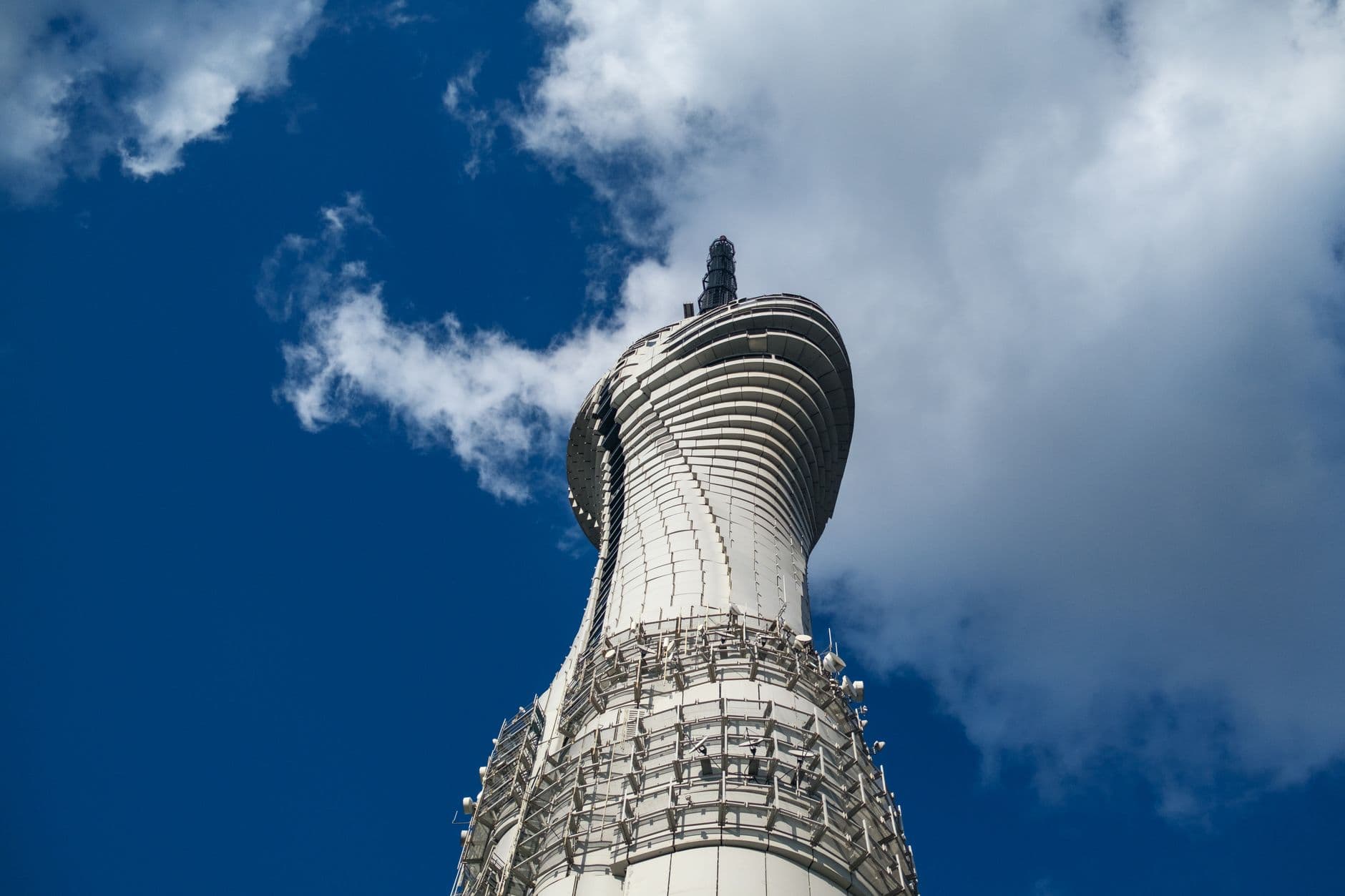
Besök Ostankinotornnet för de originella Moskvavyer som du inte hittar någon annanstans. För att få den bästa upplevelsen, boka biljetter i förväg och kom tidigt; observationsdäcket ramar in staden med svepande vyer som gläder både turister och familjer. Strukturen förkroppsligar ett arkitektlett förhållningssätt med monumental skala, vilket gör det till ett av stadens mest igenkännliga landmärken.
Höjden når 540 meter, vilket gör Ostankinotornets monumentala 1900-talsprestation till Rysslands högsta byggnad. Det är den mest synliga delen av Moskvas sändningsnät och en viktig vy över huvudstaden ovanifrån. Tornet fungerar i en aktiv sändningsroll, medan dess utställningar på nedervåningen berättar historien om radio och television och erbjuder besökare en påtaglig känsla av de underhållsrutiner som håller anläggningen säker och funktionell år efter år.
Det du kommer att uppleva under besöket sträcker sig bortom höjden. Utställningarna täcker sändningshistoria, teknik och tornets inverkan på Moskvas mediescen. Du får praktiska tips om fotografering och de bästa vinklarna för foton, och på de nedre våningarna finns barnvänliga utställningar som tilltalar familjer och förstagångsbesökare. Ett litet kafé på den övre nivån erbjuder snabba förfriskningar utan att försena din uppstigning.
För bästa resultat, kontrollera officiella öppettider och väderprognoser - klara dagar ger skarpare stadssiluetter och rikare solnedgångsfärger. Anländ 20-30 minuter före din bokade tid för att passera säkerhetskontrollen och nå hissen i tid, och ha kamerorna redo samtidigt som du respekterar begränsningarna på däck. Detta stopp är fortfarande en favorit bland turister och stadsbor, med en jämn ström av besökare även under underhållssäsongen och regelbundna konsertvänliga evenemang i närområdet.
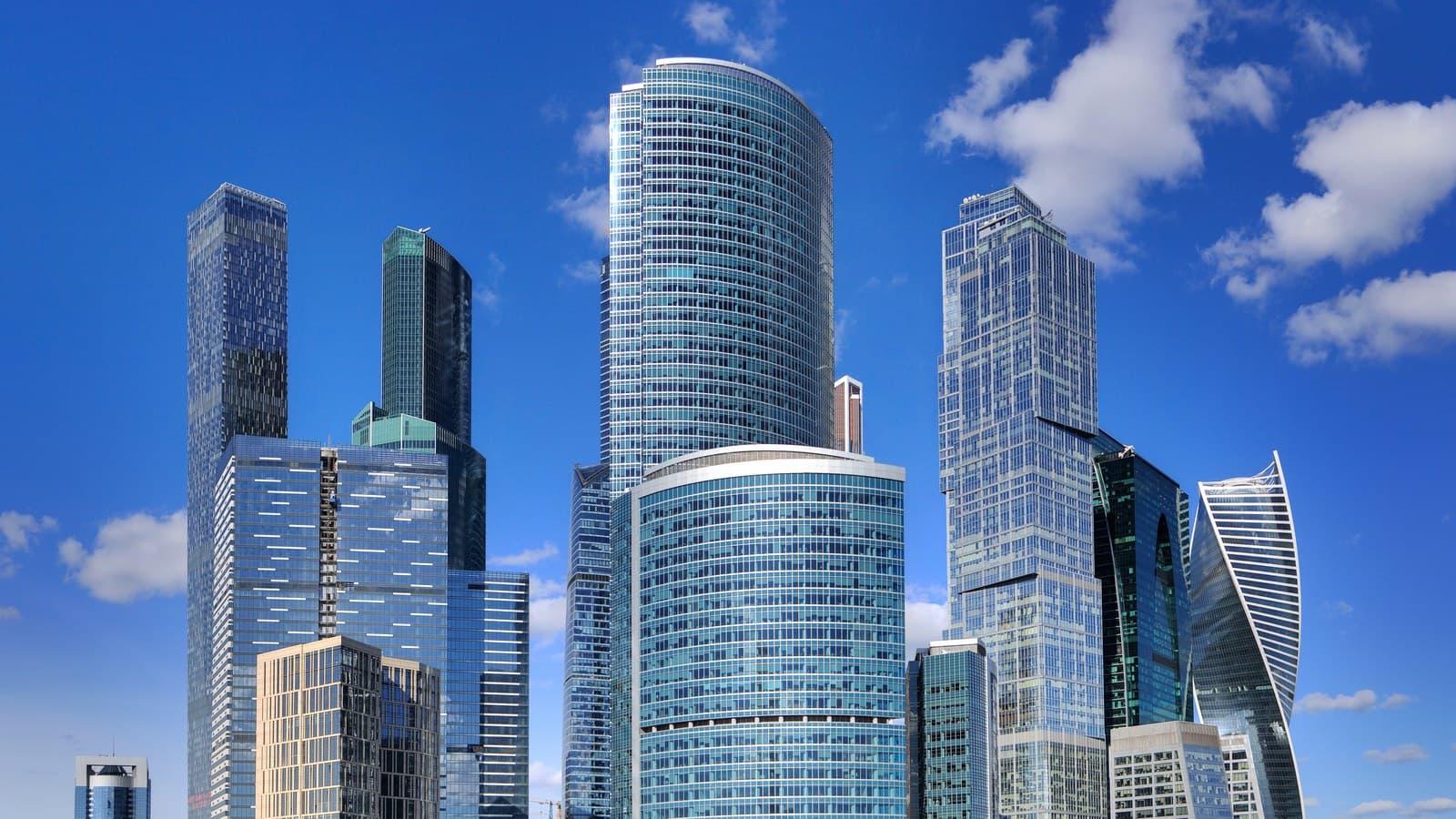
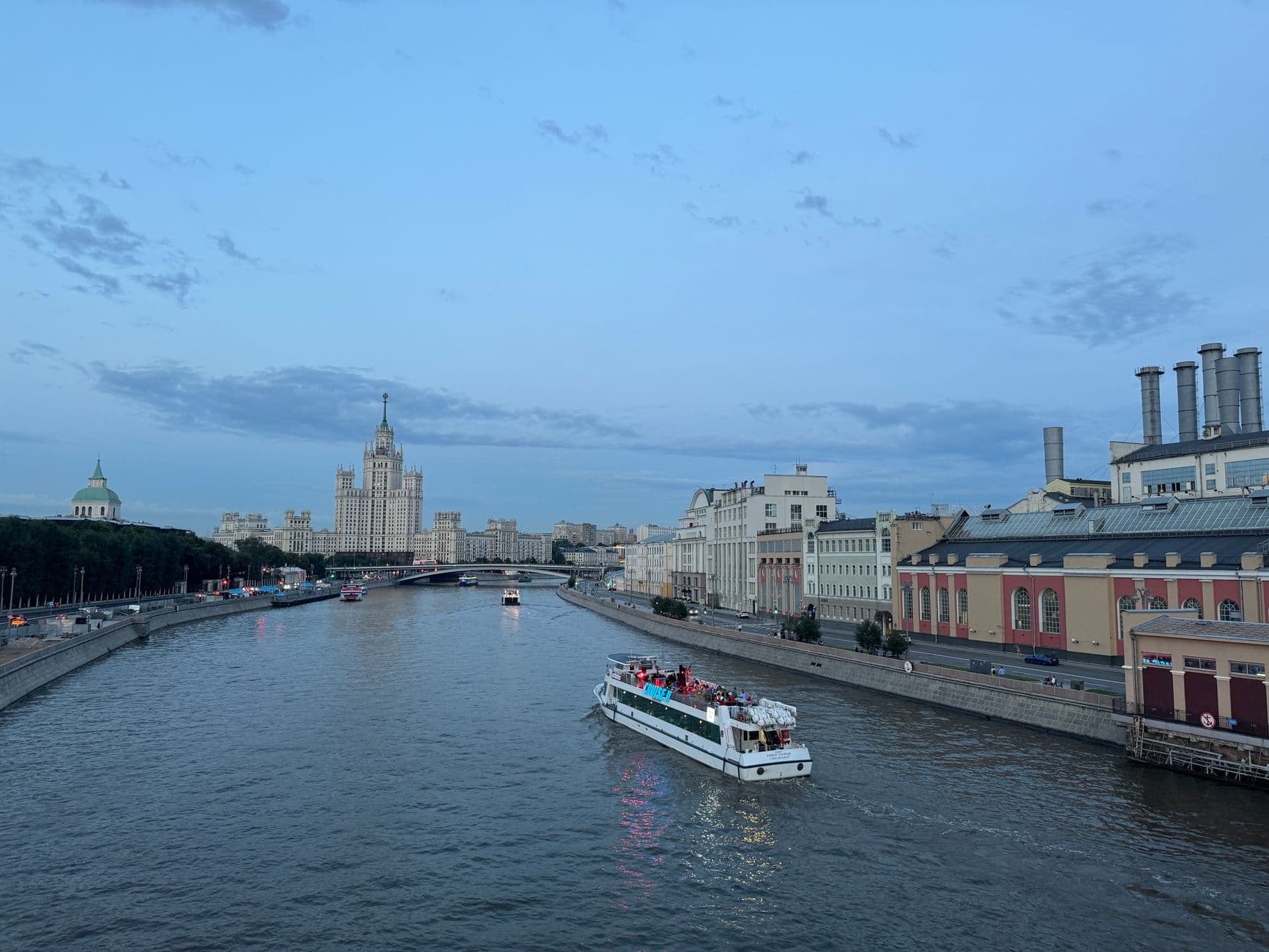
I skymningen blir stadssiluetten ett levande panorama: floden kröker sig, Seven Sisters reser sig vid horisonten och stadens ljus bildar en stilla färgkonsert ovanför gatorna. Ostankino är en praktisk portal till Moskvas radio- och TV-historia, en monumental symbol som fortfarande lockar nyfikna resenärer som vill ha en närmare titt på Rysslands medieinfrastruktur. Om du planerar en längre vistelse, kombinera besöket med närliggande parker och museer för att förlänga dagen med stadsutforskning och vyer som dröjer sig kvar långt efter att du har åkt.
Ostankino-tornet Moskva: Besöksguide
Köp biljetter online för att säkra din plats och slippa kön. En dedikerad promenadväg leder till observationsdäcket, och du vill planera ditt besök för hela upplevelsen.
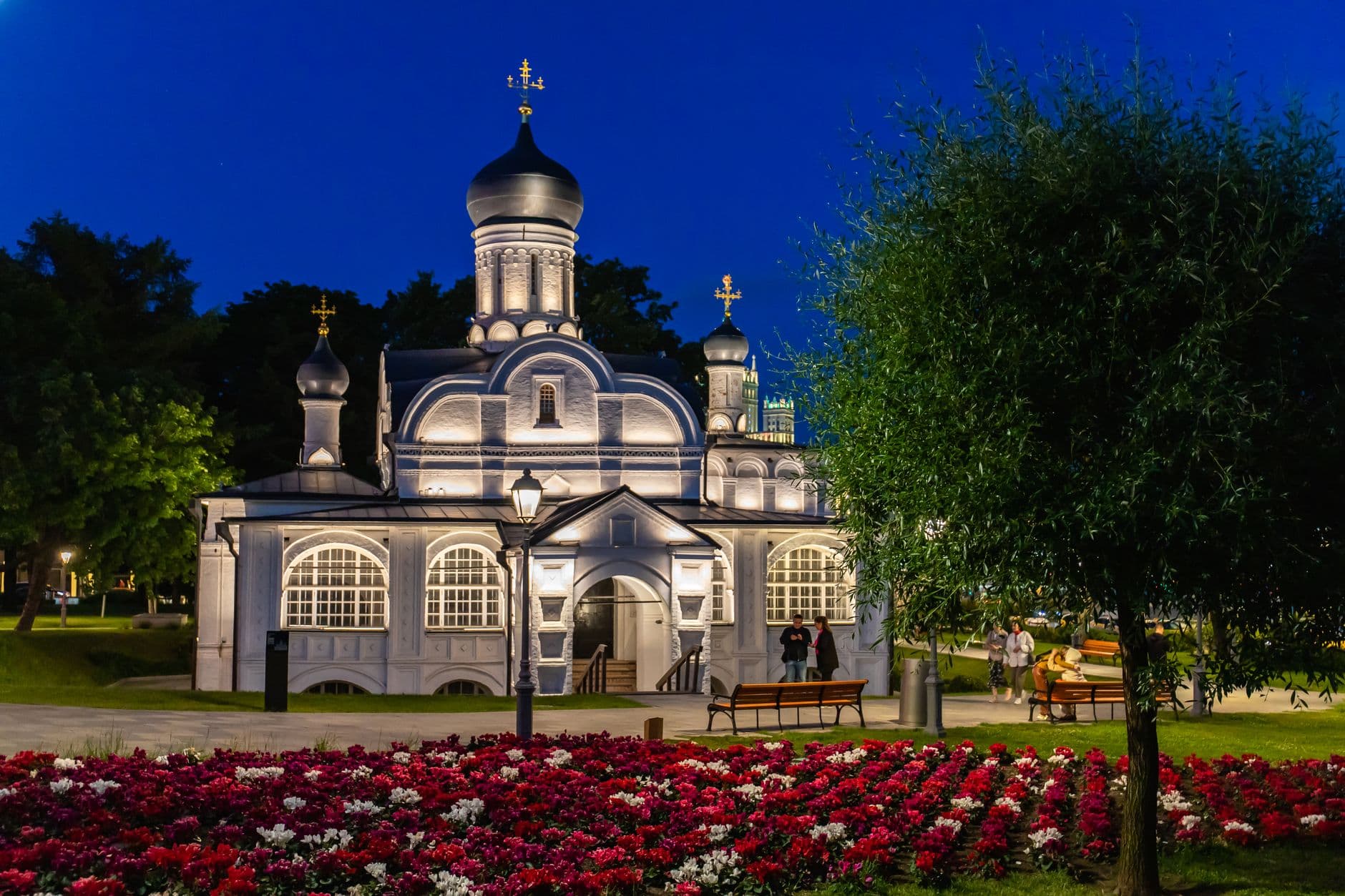
Tornet, som ligger på Ostankino-kullen i Moskvas Ostankino-område, är Rysslands högsta byggnad och ett landmärke för modern rundradio. Tornet ligger nära Ostankino broadcasting center, vilket förstärker dess roll i stadens medienätverk. Designen gör att tornet utgör en fyr.
Byggnationen påbörjades 1963, och projektet leddes av arkitekten Nikolaj Nikitin.
Dess hög-effektsändare drev nationell TV och radio, vilket gjorde Ostankino till en central nod i Moskvas sändningsverksamhet. Sändarnas effektklassificering formade nationella mediekanaler.
Detaljer inuti tornet inkluderar en stålram i fackverk, precisa hissar och panoramfönster som ramar in staden. Hissarna rör sig på sekunder. Inträdet inkluderar tillgång till observationsdäcket; ett kafé och en liten butik ingår.
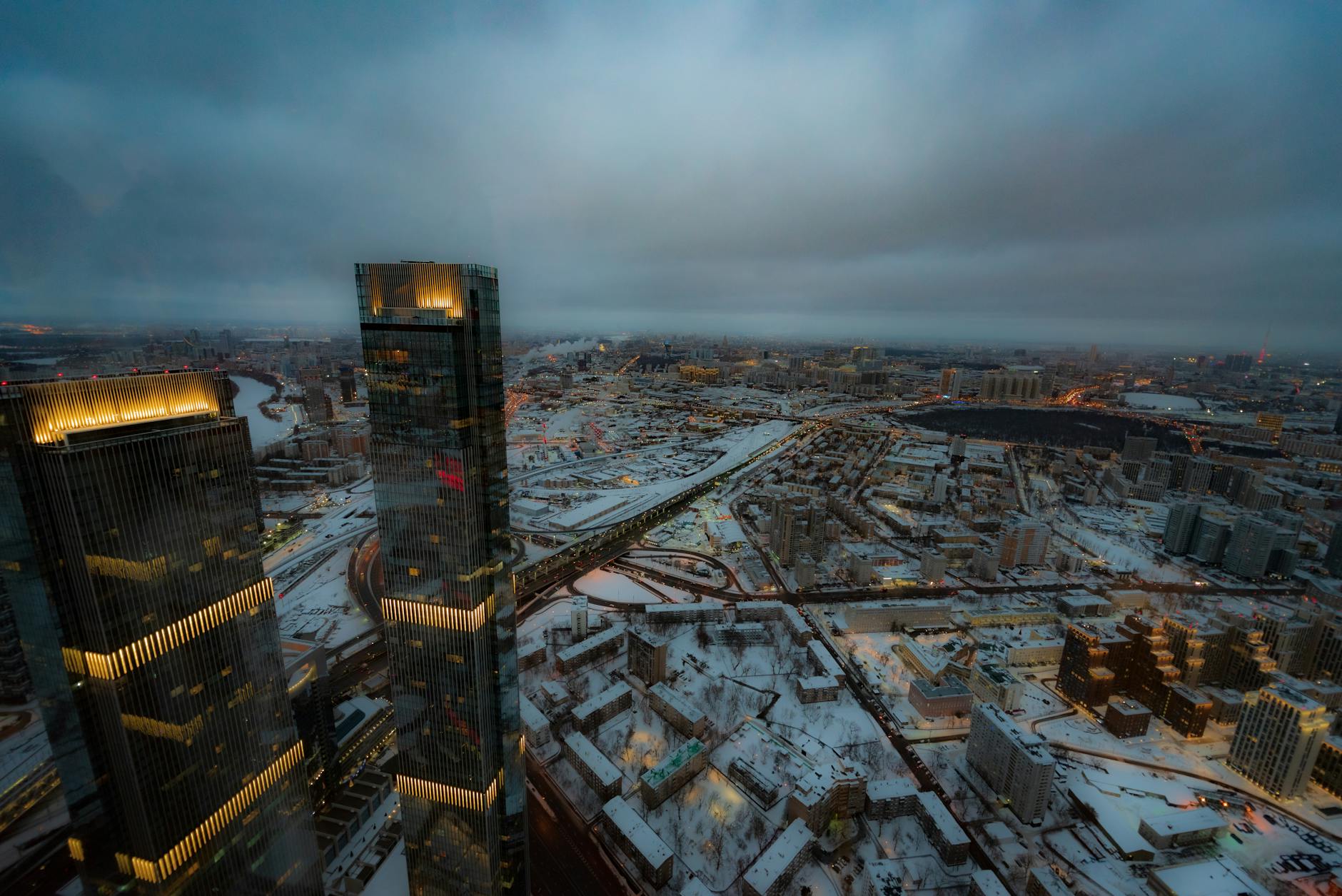
Från utsiktsplanet får man en bred panorama över Moskva; på klara dagar syns Kolomenskoye vid horisonten. I kvällsljuset färgades stadens silhuett orange och floden glittrade.
Förmodligen är de bästa tidpunkterna att besöka det på vardagar sen eftermiddag när folkmassorna minskar och ljuset mjuknar.
Denna upplevelse ger minnen av den ryska huvudstaden sedd ovanifrån.
kokoshkinglobal skulle ordna en privat tur om du planerar en flerdagarsresa.
Guiden beskriver hur platsen knyter samman Moskvas 1800-talshistoria av kommunikation med stadens nyare ambitioner.
Ett sådant stopp passar bra med en promenad i närliggande parker eller en kort promenad för att beundra stadens ljus.
För fotografer, familjer och nyfikna resenärer är detta ett idealiskt stopp.
Öppettider och bästa tider att besöka
Köp dina biljetter till Ostankinotornets observationsdäck online i förväg och gå in vid den första tillgängliga tiden för att slippa köa och börja med en fullständig, oavbruten utsikt.
För närvarande öppnar vi vanligtvis kl. 10.00 och stänger runt kl. 18.00 på vardagar, med utökade öppettider in på kvällen under sommarhelger. Sista entré sker vanligtvis cirka 60 minuter före stängning. Biljetter som köpts online ger prioriterad ingång, även om alla besökare genomgår säkerhetskontroller och följer säkerhetsregler för observationsdäcket.
De bästa tidpunkterna att besöka är tidig morgon eller sen eftermiddag, då den centrala stadssilhuetten känns intim och folkmassorna är mindre. Under sommarsäsongen kan du planera för solnedgångsvyer för att fånga hjärtat av Moskva när stadens ljus tänds. Om du stannar till skymningen skapar den brända horisonten dramatiska foton från utrymmet ovanför staden. För en väl avrundad dag kan du kombinera Ostankino med andra centrala attraktioner, som operahus eller närliggande museer, så får du en kompakt samling av sevärdheter. Ett besök kan lätt kombineras med Muzeon, eller andra museer, för en rikare kulturell upplevelse.
För att optimera din resplan, överväg att anlända efter en kort kaffepaus och boka ett närliggande hotell för ett flexibelt schema. Om du köpte en kombinerad biljett för flera attraktioner, maximerar du värdet och minskar behovet av att resa fram och tillbaka. Tornets nålformade silhuett förblir en slående funktion i centrala Moskva, och ett besök en sommarkväll erbjuder behagligt väder och vidsträckta vyer utan att stressa ögonblicket.
Biljetter, priser och hur du köper
Köp biljetter online i förväg för att säkra din föredragna tid, anländ sedan med din QR-kod och ID för smidigt inträde.
Alternativen inkluderar ett Standardpass, ett Premiumalternativ med hiss-prioritet till de övre våningarna och ett Kvällsprogram som kombinerar panoramautsikt med en lätt måltid. De två offentliga våningarna låter besökare beundra Moskvas landskap från olika vinklar, medan tornetets nålliknande silhuett bidrar till dess höga profil.
Priserna varierar beroende på alternativ och besökskategori. Standardbiljetter för vuxna ligger vanligtvis mellan 900 och 1 100 RUB, för barn mellan 450 och 650 RUB, och Premium-upplevelser mellan 1 800 och 2 400 RUB. Kvällsprogrammet lägger till cirka 500-700 RUB för måltid och guidad kommentar. Rabatter för studenter, seniorer eller familjepaket kan gälla enligt villkoren som publiceras på den officiella webbplatsen.
Var man kan köpa och hur man betalar: använd den officiella webbplatsen för Ostankino-tornet för att boka platser, eller köp vid kassan på plats om tillgängligt. Betalning sker med kort och kontanter. Efter köpet får du en elektronisk biljett (QR-kod) som du visar upp vid entrén; utskrift är valfritt. Om du bor på ett hotell i närheten, fråga conciergen om transfer från din plats - att ordna upphämtning kan göra resan helt smidig och enkel.
Praktiska tips: expresshissen tar dig till de övre våningarna på cirka en minut, och färden går genom en tyst schakt till utsiktsplatserna. På kvällen brann stadssiluetten i solnedgångens färger och skapade ett dramatiskt landskap som du kommer att vilja fotografera. Platsen ligger ett stenkast från tunnelbanestationer, vilket gör det enkelt att ta sig dit, och området inkluderar en trädgård där du kan sträcka på benen efter din uppstigning. Tornets historia, uppfört 1967, speglar ett löfte om ambitiöst ingenjörsarbete; dess höga silhuett har lockat besökare sedan den sena sovjettiden och är fortfarande en konstant attraktion för resenärer. För familjer, katolska grupper eller företagsteam kan programmet skräddarsys för att passa din resa, sedan kan du återvända till ditt hotell eller bas med minnen som varar längre än ett snabbt ögonblicksfoto. Om du kombinerar detta med en längre Moskvarese, planera din dag för att njuta av landskapet och sedan koppla av på ett närliggande hotell innan du beger dig hem. Det kan vara svårt att få en plats under högsäsong, så förhandsbokning hjälper.
Utsiktsplatser: Vy, höjd och fotograferingstips
Planera att gå in på övre däck vid cirka 337 meter och boka expresspaketet för en effektiv resa; avsätt ungefär 60 minuter för besöket, inklusive tid för utställningar och fotografering.
Från panoramautsikten med glasväggar kan du se vyer över Moskva: Kremls kupoler, floden Moskva som slingrar sig genom staden och utspridningen mellan distrikten på klara dagar. På soliga kvällar kan du skymta Tsvetnoy-området i fjärran, och skyline's popularitet har vuxit i flera år med varje solnedgång. Mellandäcket erbjuder en lugnare utsikt, medan huvuddäcket förblir den bästa platsen för vidsträckta stadsvyer. Talrika utställningar påminner om 1900-talets radio- och TV-historia, vilket ger en meningsfull kontext mellan stoppen för att ta foton och läsa mellan raderna av utsikten.
Fotografer ställs inför några svåra ögonblick: reflektioner från glaset, folkmassor som rör sig mellan hållplatserna och vinden som kan skaka en stadigt hållna hand. Använd ett vidvinkelobjektiv för att fånga hela bredden, fotografera i RAW och håll ISO så lågt som möjligt, samtidigt som du håller dig under 1/125 sekund för att undvika rörelseoskärpa. Vinkla kameran lätt för att minska bländning, pressa objektivet mot glaset och komponera snabbt för att suga in scenen innan folkmassan återvänder. Du vill ha gott om snabba bilder - sekunder är viktiga när ljuset skiftar och staden lyser.
Resplan anteckningar: Anländ tidigt, gå in i byggnaden, åk till toppen och spendera minuter på varje våning innan du går ner. Om du vill ha ett lugnt tempo, promenera i det angränsande området mellan däcken för att jämföra perspektiv, avsluta sedan med en kort promenad till ett närliggande hotell eller café för ett lätt mellanmål. Detta tillvägagångssätt håller upplevelsen unik och väl anpassad, och paketet kan skräddarsys efter dina intressen så att du inte missar väsentliga utställningar eller fotomöjligheter.
| Feature | Details |
|---|
| Däckhöjd | 337 m (övre däck) |
| Hiss-tid | 60-90 sekunder per stigning, två sektioner |
| Bästa tid att besöka | Gyllene timmen; klara kvällar maximerar sikten |
| Fototips | Bländningskontroll, vidvinkelobjektiv, RAW, slutartid ~1/125 s, håll ISO lågt |
| Utställningar | 2000-talets sändningshistoria; inkluderad i paketet |
| Access | Gå in via huvudentrén; överväg ett paket med snabbinträde och utställningar |
Att ta sig dit och att ta sig runt: kollektivtrafik, parkering och tillgänglighet
Ta tunnelbanan till Ostankino och promenera 10-15 minuter till basen; detta är det snabbaste alternativet på vintern när vägarna är hala, och varje resenär uppskattar förutsägbarhet. Rutten passerar husrader och en ortodox kyrka som inramar det ikoniska tornet - uppfört 1967 som en central del av det sovjetiska imperiet - i Ostankino-distriktet. Tornet är en del av ett bredare arkitektoniskt ensemble som definierar komplexet.
Från centrala Moskva kan du också använda taxi eller åktjänster; stadens kollektivtrafiknät är pålitligt, men trafiken kan påverka ankomsttiderna. Om du föredrar kollektivtrafik kan du kombinera tunnelbanan med en kort bussresa för att minska promenadsträckan kalla dagar och för familjer med barnvagnar eller väskor.
Som en statlig anläggning gäller riktlinjer för tillgänglighet och säkerhet för varje gäst och för andra besökare med olika behov. Varje resenär har varit imponerad av tydligheten i tillgängligheten vid ankomsten för ett besök.
- Kollektivtrafik: Följ tydliga skyltar till Ostankino Tower efter att du stigit av tunnelbanan. Räkna med extra tid på vintern för isiga trottoarer och säkerhetskontroller; hissen till observationsdäcket går på sekunder när du väl är ombord.
- Parkering: Parkeringsplatser finns på plats men platserna fylls snabbt under evenemang. Om parkeringen är full, använd närliggande kommunala parkeringsplatser inom 500-800 meter och använd övergångsställen för att nå tornet. För grupper eller guidade besök, överväg att ordna ett parkeringstillstånd via receptionen eller din researrangör.
- Tillgänglighet: Webbplatsen erbjuder stegfri tillgång till de publika områdena, hissar till observationsdäcket och tillgängliga toaletter. Om du behöver särskilda anpassningar, ring i förväg så att personalen kan samordna assistans och sittplatser för ett smidigt besök.
För planering erbjuder kokoshkinglobal paket som kombinerar reseguidning med tillgång till att slippa kön och en kortfattad översikt över tornets samlingar. Dessa utmärkta arrangemang passar alla resenärer, särskilt familjer som söker en smidig och minnesvärd dag.
Omgivningen bjuder på en rik blandning av stadsdelar och sevärdheter. På vintern njuter besökare, insvepta i varma kläder, av klar sikt och en bekväm promenad till närliggande platser; en kort avstickare kan berika dagens minnen med Kuskovos historiska hus eller ett snabbt besök på Muzeon för dess samlingar i centrala Moskva. Varje resa kan formas genom planering med statligt stödda tjänster och lokala arrangörer, vilket håller tillgängligheten enkel för både familjer och resenärer.
Tretjakovgalleriet i närheten: Öppettider, biljetter och praktisk rutt från Ostankino
Köp biljetter online i förväg för att säkra en tid och kom tidigt. Tretjakovgalleriet har öppet 10:00-18:00, med utökade öppettider på torsdagar till 21:00; det är stängt på måndagar. Ordinarie inträde kostar cirka 700 rubel, reducerat pris cirka 350 rubel, och under 18 år går gratis. Familjepaket och grupprabatter finns på den officiella webbplatsen. Samlingen sträcker sig från 1700-talet till moderna verk, med flera hyllade konstnärer representerade, vilket gör det till ett måste för konstälskare som vill ha ett kortfattat, givande besök där du kan fokusera på nyckelverk.
Från Ostankino, planera en praktisk rutt med minimala byten. Börja med en pålitlig tur till en central tunnelbanestation, ta sedan linjen mot Tretyakovskaya på den gröna linjen och kliv av en kort promenad från Lavrushinsky Lane. Resan tar vanligtvis cirka 60-75 minuter och kostar ungefär en standardstadstaxa plus ett byte om det behövs. Längs vägen passerar du VD Nh-området och andra historiska distrikt som antyder Moskvas kejserliga hjärta. Om du utforskar andra sevärdheter kan denna rutt kombineras med ett besök i Kreml, eller en längre dag som inkluderar Kolomenskoye, Tsaritsyno och ett klosterområde - var och en lägger sin egen prägel, från storslagna gods till lugna klostergårdar, med fontäner och torn att njuta av i bra väder.
Tips för ett smidigt besök: kontrollera öppettiderna för den dag du planerar att besöka, särskilt under utställningar, och håll koll på sista-inträdestiderna. Familjer bör notera tillgänglighets- och barnvagnsalternativ, och soloresenärer kommer att uppskatta den tydliga skyltningen och de flerspråkiga guiderna. Under regniga dagar är det ett smart drag att stanna inomhus på galleriet, medan soliga perioder inbjuder till en längre promenad genom närliggande gator. Om du avslutar din utflykt i området kan du fortsätta att utforska andra landmärken och museer i närheten för att hålla dagen effektiv och njutbar.