Bir ay süreni trenlerle planlayın, geniş ve rahat merkezler arasında seyahat edin, kahvaltı dahil olan konaklama seçenekleriyle. Bu yaklaşım, günlük rutinlerin düzenli kalmasını sağlarken, aynı zamanda en önemli yerleri keşfedebilirsiniz. Bolşoy Tiyatrosu yakınlarında bir gece rezervasyon yapın, bir simge deneyimi yaşayın.
Şehirler arası uzun mesafeler için taksi yolculuklarından kaçının; trenler seyahat süresini ve masrafları azaltır. Yoğun aylarda, en ucuz biletleri ve esnek değişiklik seçeneklerini garantilemek için önceden rezervasyon yapın; bu seçenek planlarınıza uyuyor mu? Eğer sunuluyorsa, çok şehir geçiş biletini de düşünün.
Ne yapmanız gerekenler neler? Sorulara cevap vermek gerekiyor: günlük ritmin nasıl olduğunu, metroya yakın nerede kalacağınızı ve müze ziyaretlerinin sıklığını. Bu plan sizi mutlu ediyor mu? Konseyden şehre ait geçişler, müze girişleri ve sesli rehberlerin dahil olup olmadığını sorun; en iyi girişleri rahat yemeklerle ve sabahleyin sabit bir kahvaltı yeriyle birbirine bağlayan bir tipik gün haritasını çizin.
Konaklama stratejisi: kahvaltı ve akşam yemeği seçenekleri sunan seçenekleri tercih edin; iyi semtlerde bulunan en ucuz geçerli konaklama yerlerini hedefleyin; bu, günlük harcama miktarını azaltırken konforu korur. Bir dolu gün için, kalorilik bir kahvaltıyı yerel bir kahvehanede öğle yemeği ve orta düzey bir bistroda akşam yemeği ile eşleştirerek değerlendirmeyi maksimize edin.
Büyük şehirler arasında, barınma, yemek ve ulaşım kategorilerine göre tipik harcamaları değerlendirin. Bu ayki örnekle, ne yapacağınızı, nerede kalacağınızı, neler görmeniz gerektiğini ve girişler ve tren biletlerini ne zaman rezervasyon yapmanız gerektiğini planlayın.
Seyahat Maliyetleri Rusya'da: Ucuz mu Pahalı mı?
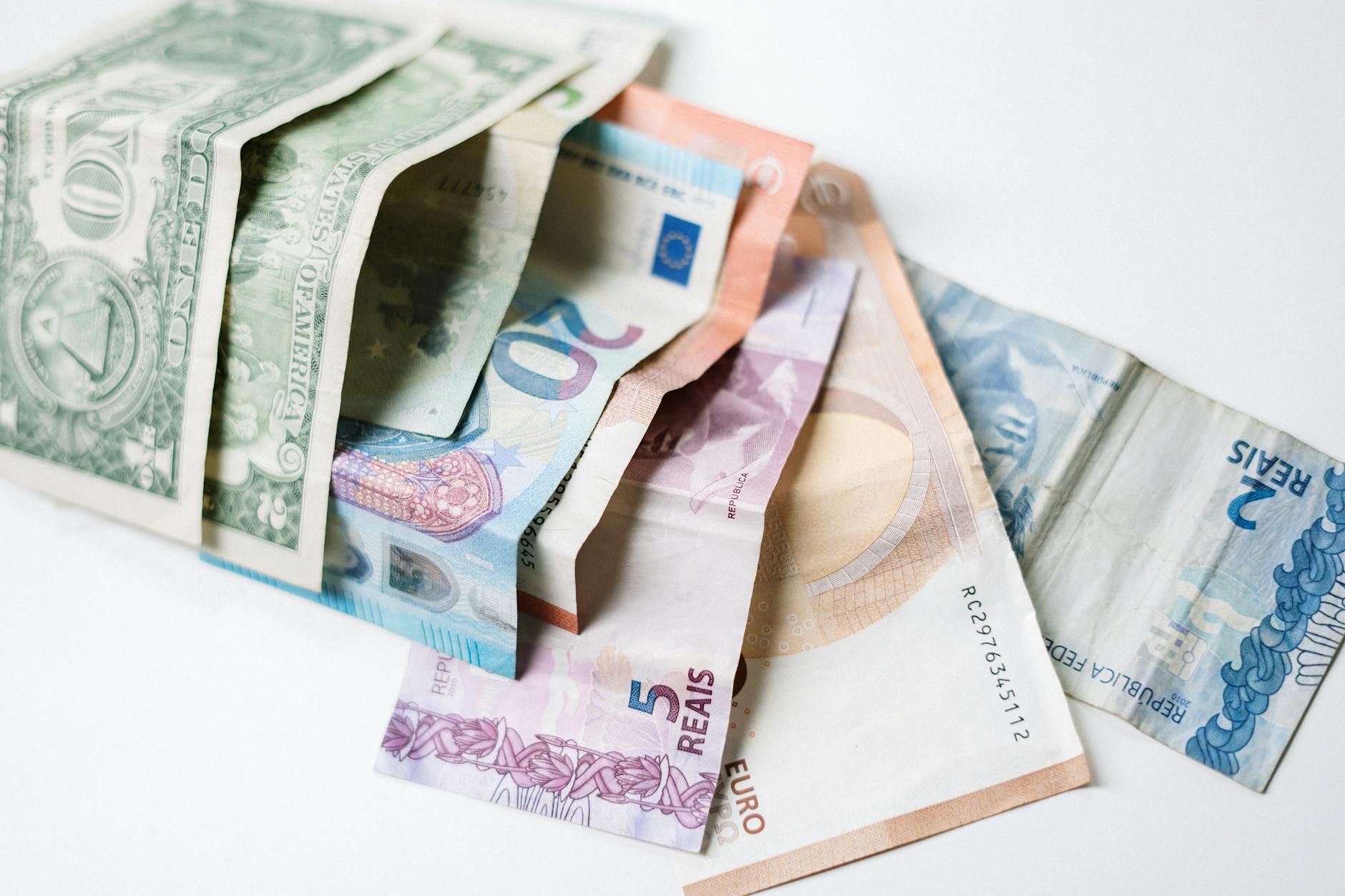
2.000-4.000 RUB günlük bütçe ile, en büyük başkentte düşük sezonlarda rahat bir temelli kalın; tek kişilik odalarda kalın ve geleneksel pazarlarındaki yemeklerle beslenin; çoğu bağlantı için metroyu kullanın ve mümkün olduğunca biletleri önceden alın zaman kaybetmemek için.
En pratikte, en büyük tasarruflar, uygun konaklama seçenekleri, ucuz yemekler ve verimli ulaşımın bir karışımından gelir. Zirve aylarında, merkezdeki odalar daha pahalı olabilir; omuz aylarında ise merkez dışındaki seçenekleri tercih ederek ve maliyet verimli bir plan tutarak günlük harcamaları %30-40 oranında azaltabilirsiniz. Bir tipik hafta, bütçeli yemekler, birkaç müze ziyareti (tek biletlerle), ve yerel ulaşım içerebilir, tüm bu planlama, gereksiz taksi yolculuklarını en aza indirmek için yapılır.
- Konaklama: Merkezde değil, yakın konaklama evleri veya hostellerde tek kişilik odalar, kışlık sezonlarda gece başına 2.000-4.000 RUB arasında olabilir; şehir merkezindeki özel odalar 4.000-6.000 RUB'a kadar çıkabilir. Maliyet etkili seçenekler için kahvaltı dahil ve geleneksel bir hava olan yerleri arayın.
- Gıda ve içecek: pazarlar ve basit lokantalardan yemekler genellikle 250-500 RUB başına; bir litre süt 60-100 RUB civarında; bir kahve 150-200 RUB civarındadır. Günlük beslenme için 700-1.200 RUB bütçe ayırın ve sokak atışları için para saklayın.
- Ulaşım: metro biletleri yaklaşık 60-65 RUB per seferdir; taksi başlangıç ücretleri 100-150 RUB arasında değişir ve kilometre başına ücretler sonra uygulanır; daha uzun mesafeler için trenler ve şehirlerarası otobüsler iyi bir seçenektir. Günlük bir ücret sınırı (sınırlar) olan bir transit kartı kullanarak masrafları sabitleyin.
- Biletler ve mekanlar: tek giriş müze veya galeriye giriş biletleri genellikle 300-700 RUB; konserler veya özel sergiler sıkça 1.000-2.500 RUB. Geçerli indirim uygulandığında çevrimiçi rezervasyon yapın.
- Rehberlik ve geziler: ekonomik grup turları kişi başına 1.000-2.500 RUB arasında; özel rehberler 3.000 RUB ve üzeri olabilir. Çoğu gün, resmi portallardan sağlanan güvenilir rehberlerle kendi yönlendirilen rotalar iyi çalışır.
- Pazarlar ve alışveriş: pazarlar, turistik bölgelerden daha düşük fiyatlarla taze meyve, ekmek ve hazır yemek sunar. Bayları karşılaştırın ve açık fiyatlı ürünlere yöneliniz; bu yöntem aylarca çalıştığı ispatlanmıştır.
- Liftler ve teleferikler: tatil yerlerinde veya manzaralı tepelerde, tek yönlü bir lift bileti 300-700 RUB arasında olabilir; günlük biletler, birden fazla tur planladığınızda sefer başına maliyeti düşürebilir.
- Mevsimlik ve planlama: yıl boyunca seyahat mümkündür; en sıcak aylarda en fazla kalabalık ve daha yüksek konaklama fiyatları görülürken, geç sonbahar ve erken bahar genellikle en iyi fiyat avantajlarını sunar. Eğer çok fazla müze ziyareti planlıyorsanız, şehir kartları veya geçerlilik sürelerini kontrol ederek bunları satın alabilirsiniz.
Praktik notlar: Asya tabanlı blog yazarları, dayanıklı bir plan tutmak, günlük harcamayı bir tavan belirlemek ve uzun süreli kalışlar için tek bir üs seçmek, başkenti keşfedebilmenizi aşırı harcamadan sağlayacağını vurguluyor. Çoğu Rus, taze yemekler, sabah rutinleri ve semtler arasında kolay bağlantı için pazarları tercih ediyor. Sabah başlangıçları için genellikle ulaşım ve popüler görme yerleri için daha iyi fiyatlar bulabilirsiniz, bu nedenle gününizi uygun şekilde planlayın ve yoğun turistik mevsimde günün en sıcak saatlerini kaçırın. Bu yaklaşım, yıllardır bu şekilde seyahat eden birçok gezgin tarafından denendi ve kanıtlandı.
Açık bir bütçe ve geleneksel pazarlara kolay erişimle, bir yıl içinde birçok şehri gezmek istediğinizde bile maliyetleri iyi kontrol altında tutarak geniş bir deneyim yelpidesine sahip olabilirsiniz. Kompakt bir zaman çerçevesi tercih ediyorsanız, başlangıçta başkentte bir haftalık planla başlayın, ardından ekonomik trenler veya otobüslerle yakın şehirlere genişleyin ve ülkenin kültürel mirasını keşfederek değerinizi maksimize edin.
Şehir Bütçe Dağılımı: Moskova, Sankt-Peterburg ve Bölge Kentleri
Moskova ve Sankt-Peterburg gibi Rusya'nın iki büyük merkezinde, merkeze yakın ve dış bölgeler arasında fiyat farkı büyük olduğu için, turistik yerler dışındaki belirli semtlere plan yaparak gerçek ve uygun fiyatlı deneyimler yaşayın. Günlük harcamaları azaltmak için merkez dışındaki bölgelerde kalın ve günlük geziler için tren kullanın. Değerli yemekler için kahveler ve sanduny'lerde yiyin. Günlük yemeklerinizi kapatmak için yerel mağazalardan süt ve ekmek stoklayın.
Moskova'da günlük harcamayı yaklaşık 4.000-7.500 ruble arasında ayarlayın, konaklama seçimine göre. Şehir merkezinin dışında bütçeli oteller veya şehir kuşağındaki hostelleri tercih edin; bu bölgelerde bir oda gece başına yaklaşık 3.500-5.500 ruble maliyetli. Yemek için günlük 1.200-2.000 ruble hedefleyin, kafe ziyaretlerini mantarlı yemekler veya salatalar gibi basit ve lezzetli seçeneklerle birleştirerek; ayrıca pazarlarından ekmek (ekmek) ve süt ürünleri alarak bütçeyi uzatabilirsiniz. Metro ile taşınmak maliyet etkin; tek yön bileti yaklaşık 60 ruble, günlük limit ise 250 ruble civarındadır. Müzeler ve turlar genellikle 400-1.200 ruble arasında bilet fiyatları sunar; bazı günlerde ücretsiz seçenekler de mevcuttur; belirli rotalar seçerek git-gel hareketlerini azaltın; teklifler koşullara göre değişebilir.
Sankt-Peterburg'da günlük harcamalar biraz daha düşük: konaklama 2,900-5,000 ruble; yemek 1,100-1,800; ulaşım Moskova'ya benzer; müze biletleri 350-1,000 ruble. Bütçe dostu bir program için Vasilyevsky Adası veya Admiralteysky semtlerinde kalın ve yerel, daha ucuz seçenekleri kullanın. Lezzetli geleneksel yemekler için rahat kafeler, yerel kantinler (cans) ve sandviç dükkanlarını arayın, böylece harcamaları tahmin edilebilir kalır. Başkentler ve yakın kasabalara tek yönlü tren biletleri önceden rezervasyon yapılırsa ucuz olabilir, ve günün merkezini bir nehir kenarında ücretsiz bir yürüyüş ve bazı günlerde sunulan rehberli turlarla birkaç müze ziyareti ile oluşturabilirsiniz.
Bölgesel kasabalar en iyi fiyat avantajını sunar. Konaklama 1,800-3,500 ruble arasında; yemekler 800-1,400 ruble; şehir merkezleri arasında ulaşım genellikle ucuz, düşük maliyetli tek yönlü tren biletleri mevcuttur. Yerel pazarlar ve yol kenarı kahveleri en basit ve maliyet etkin yemek seçeneklerini sunar. Turistlerin sık ziyaret ettiği büyük kahveler yerine yerel halkın yediği yerleri tercih edin - harcama farkı gerçek. Bir günlük programınızı ücretsiz bir şehir gezisi, yerel bir park ve rye ekmek ve süt ürünleriyle hafif bir öğle yemeğiyle destekleyebilirsiniz; harcamadan fazla harcamadan da zengin bir deneyim yaşayabilirsiniz.
Hızlı kontrol listesi: geleceğin kendine yazacağın mektupta günlük harcamak istediğin bir hedef belirle, harcamaları basit bir günlüğe kaydet ve ayarla; bölge içi demiryolu biletleri günlük harcamak için bir üst sınır sağlıyor mu diye kontrol et; sonra geri dönüşü en aza indirip yerlilerle ve gelenekleriyle geçirdiğin zamanı en üst düzeye çıkaran seçenekleri seç. Mevsimlik, talep ve merkeziyet gibi koşullar sunulan şeyleri etkileyeceği için önceden planla ve özellikle yoğun dönemlerde programınızı basit tut.
Akıllı Rezervasyon: Ne Zaman Rezervasyon Yapmalı ve Ucuz Konaklama Nereye Bulunur
6-8 hafta önceden iç şehir kalışları için, yüksek talepteki uluslararası rotalar için 2-3 ay önceden rezervasyon yapın; fiyat uyarıları ayarlayın ve doğrudan siteler ve toplu arama sitelerini karşılaştırın. Bu, mevsimlik stok dalgalanmaları olan dönemlerde özellikle etkili olur, böylece mevcut odaları keşfedebilir ve harcamaları rahat bir aralıkta tutabilirsiniz. Eğer geçen yıl zirve döneminde gittinizse, daha düşük fiyatları kilitlemek için şimdi harekete geçin.
Planlama sırasında, resmi mülkiyet sayfaları, güvenilir rezervasyon platformları ve yerel veya yabancı ziyaretçilere hitap eden niş sitelerini izleyin. Günlük olarak güncellenmiş mevcutlukları kontrol edin. Hafta içi konaklamalar zaman tasarrufu sağlar. Seçenekleri karşılaştırmak için ayrıntılı notlar yapın ve bu, temizlik ve yorumları hızlı bir şekilde kontrol etmeyi de içerir. Şehir gezileri için bir şehir kartı, ulaşım ve müze günlerini kapsayabilir, böylece konaklama için fonları serbest bırakır. Eğer bir şehri önce ziyaret ettiyseniz, uyarıları geliştirmek için bu deneyimi kullanın ve iptal seçenekleri sınırlı olan yerleri kaçının. Seçenekleri geçince seçiminizi geliştirir.
Şehre yakın, ancak turistik merkezi olmayan semtlerde kalmak, esnek programlı kısa tatiller için iyi bir seçenim olabilir; hızlı plan değişiklikleri yapabilir ve hala iyi seçeneklerden yararlanabilirsiniz. Fransızca bir hafta sonu için, yerel içki seçenekleri arasında konyak veya şarap listeleri olup olmadığını kontrol edin, ancak odak nokta konaklama kendisidir. Ev sahipleri veya mülkiyet yöneticileriyle iletişim kurarak, geç saat giriş seçenekleri ve potansiyel avantajları öğrenebilirsiniz. Ayrıca camdan eşyalar ve tesisleri kontrol ederek, kompakt bir odada rahat bir konaklama için gerekli olanları sağlayın. Bu, değeri artırabilir.
Bu metni doğal, yerli kaliteli Türkçeye çevirmek için aşağıdaki talimatları takip edeceğim:
1. Yer adları, anıtlar, müzeler, kiliseler, sokaklar, şehirler ve ülkelerin standart Türkçe karşılıklarını kullanacağım (örneğin: "Saint Isaac's Cathedral" → "Aziz İsa Katedrali" gibi).
2. Marka, şirket, ürün adları, telefon numaraları ve fiyatları orijinal halinde tutacağım.
3. Adreslerde bina numaraları ve sokak adları orijinal halinde kalacak.
4. Para ve zaman yönetimi için pazar, müze ziyaretleri, yemek veya gece hayatı için mahalle gezileri gibi detayları doğrudan çevireceğim.
Çeviri:
Bu metni doğal, yerli kaliteli Türkçeye çevirmek için aşağıdaki talimatları takip edeceğim:
1. Yer adları, anıtlar, müzeler, kiliseler, sokaklar, şehirler ve ülkelerin standart Türkçe karşılıklarını kullanacağım (örneğin: "Saint Isaac's Cathedral" → "Aziz İsa Katedrali" gibi).
2. Marka, şirket, ürün adları, telefon numaraları ve fiyatları orijinal halinde tutacağım.
3. Adreslerde bina numaraları ve sokak adları orijinal halinde kalacak.
4. Para ve zaman yönetimi için pazar, müze ziyaretleri, yemek veya gece hayatı için mahalle gezileri gibi detayları doğrudan çevireceğim.
Not: Çeviri sırasında "dairy, loaf, cabbage" gibi terimlerin doğrudan Türkçe karşılıkları ("süt ürünleri, ekmek, lahana" gibi) kullanılacak.
| Senaryo | En İyi Rezervasyon Penceresi | Ortalama Gece Fiyatı (USD) | Notes |
|---|
| Evren içi şehir tatili (2-4 gün) | 14-28 gün önce | 60-110 | Orta hafta konaklamaları genellikle daha fazla yer sunar; yerliler daha iyi fiyatlar görmek için daha iyi konumdadır. |
| Uluslararası şehir turu (4-7 gün) | 60-90 gün önce | 90-180 | Şehir pası komboları kullanılabilir; esnek tarihler. |
| Hafta sonu kaçış (2 gün) | 21-40 gün önce | 75-140 | Erişimi kolay olan farklı semtleri araştırın. |
Bütçe Dostu Yemekler: Güvenilir Yerel Restoranlar ve Değerli Yemekler
Gününüzü bir planla başlatın: pazarlar ve ulaşım merkezleri yakınındaki yerel kasaplıklar ve kasaplıklar gibi uygun fiyatlı ve güvenilir yemek seçeneklerini hedefleyin. Masada özel teklifler veya ev yemekleri gibi, bütçenizi aşmadan sizi iyi besleyen seçenekleri arayın.
Fiyatlar şehre göre değişir, ancak tipik değer yemekleri 150-300 yerel para birimi başına bir yemek. Bunun dışında, bir içecek 20-40 birim ekler. Günlük iki yemek plus bir içecek yaklaşık 360-680 birim günlük maliyet oluşturur; 30 günlük bir ayda, konuma göre yaklaşık 11.000-20.000 birim bekleyin.
Menüleri fiyat seviyeleri ve kombolara bakın; birçok kasual yer, ana yemek, yan yemek ve içecek içeren set yemeklerde indirimler sunar. Genellikle maliyet etkinidir ve paket olarak satın alınır, böylece ürün başına maliyet düşer. Eğer farklı satıcılardan yemek almışsanız, seçenekleri karşılaştırabilir ve bütçenizi aşmamak için uygun seçimi yapabilirsiniz.
Stall'lerin hijyen ve tesisleri belirsiz olanlarını kaçının; stall yakınındaki yoğun trafiğe dikkat edin ve temiz yüzeyler, sıcak servis kapları ve görünür dönüşüm gösteren yerleri arayın. Uzun kuyruklar ve düzenli dönüşüm gördüğünüzde, yoğun saatlerde güvenilirliğin bir işareti olabilir.
Seçenekleri kısa bir yürüyüş mesafesinde karşılaştırın, ardından daha fazla rekabetin olduğu başka bir semte tren yolculuğu yapmayı düşünün. Bu yolculuklar genellikle daha iyi değer sunar. Çoğu mekan, güvenilir bir operatörden mobil ödemeleri kabul eder, bu da satın alma sürecini hızlandırır ve nakit taşımakla ilgili ihtiyacı azaltır.
İndirimler düşük mevsimlerde ortaya çıkar; sadakat puanları ve aylık özel teklifleri arayın. Bu indirimler zamanla birikir. Seyahat edenler için, satın alımları günler boyunca dağıtmak, masraflarda ani artışları azaltır. faturaları ek ücretler ve çift faturalar için kontrol edin.
Bütçe tutmak için bir çerçeve: günlük bir hedef belirleyin, satın alınan ürünleri takip edin ve siparişleri uygun şekilde ayarlayın. Planıza birkaç ucuz yemek dahil etmek, çeşitliliği maliyetle dengede tutabilir. Seçtiğiniz lokantaların sınıfı genel deneyimi etkiler; daha rahat mekanlar yemekleri uygun fiyatlarda tutarken, daha resmi yerler ek ücretler ekleyebilir. Bu yaklaşımları kullanarak, kalışınız sırasında yeni semtleri keşfedebilir ve masrafları kontrol edebilirsiniz.
Sehirde Dolaşmak: Geçiş Kartları, Demiryolu Seçenekleri ve Ucuza Seyahat
Şehir içi geçişler için sınırsız yolculuk sağlayan güncel bir şehir geçiş kartı alarak, toplam yolculuk masraflarını dengelemek ve ana turistik yerleri keşfederek en iyi şekilde gezmek için dış merkezlere de çıkabilirsiniz.
Geçerlilik süreleri 24 saat, 72 saat ve haftalık seçenekleri kapsar. Tipik tek biletler 40-60 ruble arasında; 24 saatlik biletler 300-500 ruble, 72 saatlik biletler 600-1.000 ruble ve haftalık biletler 1.000-1.800 ruble arasında değişir. Güncel tarifeler için resmi kurumlarda kontrol edin, ödeme yaparken ödenekli seçeneklerle karşılaştırın ve en ekonomik planı seçmeden önce ulaşım harcamalarınızı optimize edin.
Demiryolu seçenekleri, şehir merkezleri ve tarihi semtler arasında daha uzun mesafeler için geçerlidir. İndirimleri yakalamak için 2-14 gün önceden çevrimiçi rezervasyon yapın; paket paketler, tek biletlere göre %15-25'e kadar tasarruf sağlayabilir. Hava koşulları zaman tablolarına etkisi olabilir, bu yüzden esnek bir plan yapın ve en hızlı bağlantıları sağlayan rotaları bilmek önemlidir. Zaman ve maliyet arasında mükemmel bir dengede olanlar için, demiryolu ve yerel ulaşımın kombinasyonu genellikle en iyi değeri sunar. Bu rotalar birçok hedefe hizmet eder ve şehirdeki önemli nokgalara hızlı erişim sağlar.
Tarihi semtlerde, bir paylaşılan araç veya geleneksel palki ile bir merkez meydan etrafında kısa bir tur yapmak için. Bu hizmetler sınırlı olsa da, şehre ait gününüzü hatırlanabilir bir dokunuş ekleyebilir. Çoğu keşifçi için güvenilir metro veya demiryolu ağını kullanın ve biletleri istasyonlarda (kurumlarda) veya resmi uygulama üzerinden satın alın; hızlı doğrulama için bir mektup veya dijital geçiş belgesini taşıyın ve tutma çantasında güvenli bir yerde saklayın. Yola çıkmadan önce personel ile konuşup rota seçeneklerini ve en güncel değişiklikleri doğrulayın.
Yerel pazarlar istasyonlara yakın, genellikle lahana duraklarıyla, seyahat aralarındaki ucuz tatlılar için ideal. Bu durakları varıştan sonra planlayın, böylece gezginlik süresini artırabilir ve bütçenizi zorlamadan rahatlayabilirsiniz. Kaybolma cehenneminden kaçınmak için resmi rotaları kullanın ve uygulamaları güncelleyin; bu araçlar yönünüzü korumanıza ve geri dönmeyi en aza indirmenize yardımcı olur.
Kimler daha derin bir deneyim istiyorsa, yerlilerle konuşabilir, rehberlik etkinliklere katılabilir ve paylaşımlı önerilerle koordinasyon sağlayabilir; sonuç olarak, hareketin bir dengesini koruyan, çoklu hedefleri kapsayan ve hızı rahat tutan bir yaklaşımdır.
Para Güvenliği: Kartlar, Nakit Yönetimi ve Kaçınılacak Sık Görülen Dolandırıcılıklar
Bir kartla başlayın, chip ve PIN ile, gerçek zamanlı bildirimleri etkinleştirin ve günlük nakit limitini ayarlayın, ücretler oluşmasını önlemek için. Orta düzey alışverişler için, genellikle hız ve izlenebilirlik sunan temassız ödeme yöntemini kullanın, bütçenizi kontrol altında tutarken.
Parağını iki güvenli seçenek arasında dağıtın: ana kartı bir zip çantasında veya para kuşaklarında saklayın ve yedek kartı farklı bir yerde, örneğin otel kasasında saklayın. Para çekimlerini sadece resmi banka ATM'lerinden yapın, ücretlerden dikkatli olun ve günlük limiti aşmayın. Klavyeyi kapatın, ekranın onayını bekleyin ve faturalarda belirtilen tutarı dakikalar içinde doğrulayın. Kart işlemleri için paylaşılan Wi-Fi ağları veya kamu bilgisayarlarını kullanmayın. Para kullanmak zorunda kaldığınızda, resmi döviz bürolarında döviz alışverişi yapın ve sokak kiosklarınızı kullanmayın. Sahil bölgelerinde, ödeme noktaları arasında kısa bir yolculuk planlayın ve maruziyeti en aza indirin.
Sahte kart okuma makineleri, klonlanmış kartlar veya turistik alanlarda sahte okurlar gibi dolandırıcılık yöntemlerini tanıyın; sahte rehberler ucuz turlar sunarken veya kart veya PIN numaranızı paylaşmanızı istediğinde dikkatli olun. Kalabalık meydanlarda, kiliseler yakınında veya alışveriş sokaklarında, mallarınızı gözden kaybetmeyin ve kart bilgilerinizi yabancılara vermeyin. Bir satıcı, bir cihazda ek bir kontrol yapmak istediğinde veya kartınızı arka odada doğrulamak istediğinde, reddedip güvenilir bir kuruma geçin. Bir dolandırıcılıkla karşılaştığınızı düşündüğünüzde, derhal kart sahibine veya mahkemeye başvurun. Deneyimli seyahatçiler için dikkatli olmak, bütçelere kurtarıcıdır, aylarca bilincinizi korur ve dikkatli hareket etmeyi gerektirir. Dünya, senaryolarla doludur, ancak hazırlık turisti güvenli tutar.
Sochi ve Yekaterinburg'da canlı sahil bölgeleri, pike geçişleri ve alışveriş meydanları kalabalık çeker; yaygın sahte işlemleri taklit eden taktiklerden dikkatli olun. Bir grup seçeneği veya "ücretsiz" yükseltme sunulursa, fiyatı başka bir operatörle karşılaştırın ve toplam tutarı açıkça belirtilmesini sağlayın. Her zaman ayrıntılı bir fatura talep edin ve bir işlemde nakit ve kartı karıştırmayın. Liman turları veya diğer aktiviteler için lisanslı satıcılardan yararlanın ve toplam tutarı önceden doğrulayın. Deneyimli seyahatçiler bu denetimlerin dakikalar kaydetmesini ve bütçeyi korurken görüleceği yerleri keyifle gezilmesini biliyorlar.
Yedek bir kartı ayrı tutun; sokak standlarında kaviyar satın alımında abartılı faturalar olabilir. Erişim kaybederseniz, hemen müşteri hizmetlerine başvurun; yabancılara güvenmeyin. Uzun bir kalış için aylarca önceden planlayın, yerel ödeme sistemini öğrenin ve şansın üzerinde daha az bağımlı bir strateji geliştirin. Bu yaklaşım, cezbedenizden kurtarır ve size turist olarak seyahat dünyasını güvenle yaşamanıza yardımcı olur.