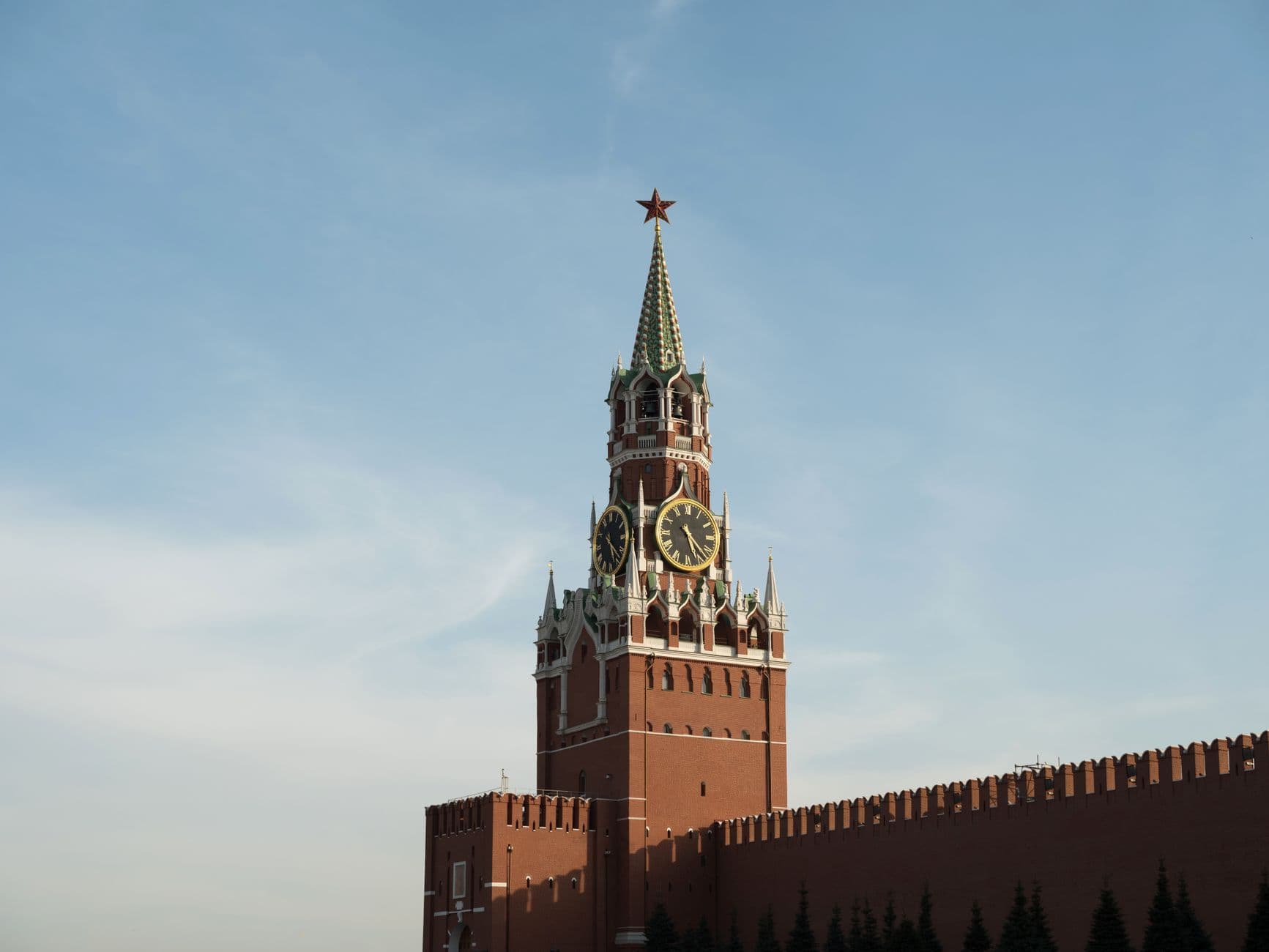
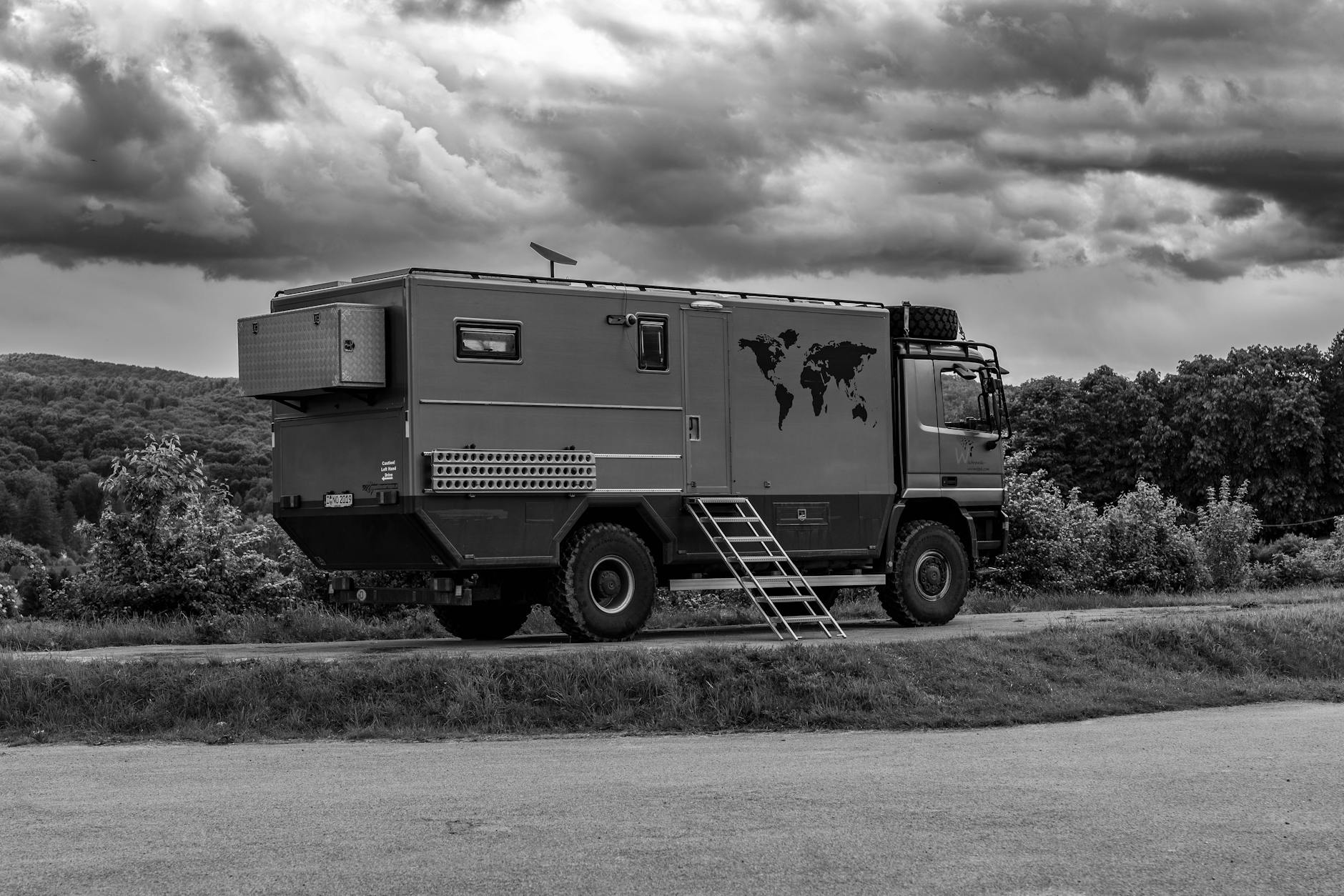
Rusya Federasyonu'na vize başvurularınızı öncelikle yapın ve sınır kontrolünde doğrulama sürecini hızlandırmak için tam biyometrik verilerinizle ilgili işlemleri tamamlayın. Bu yaklaşım, varış sırasında sorunları en aza indirir ve düzenli denetimler için süreci tahmin edilebilir tutar, bu da başvuranlar için önemlidir.
Petersburg'de, paketinizde seyahat sigortası, konaklama kanıtı ve tüm belgelerin tamamı olmalıdır. Bu hazırlık, başvuru sırasında vize damgasının alınmasını kolaylaştırır ve ülkenin kısıtlamalarına uygun olur. Resmî kaynaklardan gelen reklam talimatları, vize verim süresini açıklamakta ve önceden plan yapmanıza yardımcı olmaktadır.
Varışınızdan sonra, resmi işaretlere uyarak denetim alanına gidin ve biyometrik doğrulama işlemini hızlıca tamamlayın. Eğer bir belge eksikse, sorunu hızlıca çözün ve düzenli işlemlerin sorunsuz devam etmesi için. Gerekli belgeleri hazırlayarak sorunsuz kontrol için planlayın, ardından ülkenin kurallarına uyun ve tüm sınır görevlilerinin talimatlarına uyarın.
Kamp ve Kamyonet Seyahati Rusya'da: Gece Konaklama İçin Pratik Rehber
Doğru bir kamp alanı veya istasyonu seçerek geceleyi güvenli geçirin. Her araç için ayrı ayrı rezervasyon yapmak, çakışmaları önlemeye yardımcı olur; gerekli belgeleri ve doğrulama kodlarını getirin.
Varışınızı konum ve check-in saatine göre önceden planlayın. Resmi karavan parklarından, otoparklı benzin istasyonlarına, özel kamp alanlarına ve belediye araç parklarına kadar çeşitli seçenekler mevcuttur. Varış saatini tesisata bildirin ki personel size uygun bir yer gösterebilsin.
Gerekli belgeleri hazırlayın: araç kaydı, efora, sigorta ve gerektiğinde doğrulama veya izin belgesi. Eğer emin değilseniz, destek ajanslarına başvurun; doğru prosedürleri ve gerekli belgeleri belirtirler.
Dönüşte, kalacak yerinizi mesafe, tesisatlar ve elektrik, su veya atık atım ihtiyacınıza göre belirleyin. Beraber seyahat eden arkadaşlar, rahatlık için alanları eşleştirmek isterler; mevcutluk mevsim ve konuma bağlıdır.
Kısa süreli konaklamalar, genellikle sınırlı zamanla olan servis alanlarında yaygındır, bu nedenle gerekli yerlerde izin alınıp, belirtilen işaretlere dikkat edilmelidir. Asla yasaklı alanlarda park etmeyin veya gece konaklaması yasak olan yerlerde kalmayın. Tesislere erişim sağlamak ve yerel kuralları takip etmek, cezaların önlenmesine yardımcı olur.
Option
Konum Türü
Tipik Maliyet
Notes
Yetkili karavan parkı
Tesisli kamp alanı
1.000-3.500 RUB gece başına
Rezervasyon gerekiyor; girişte doğrulama yapılır.
Benzin istasyonu otoparkı
Gece boyunca servis alanlarında otopark
Ücretsiz veya küçük ücret
İşaretleri kontrol edin; bazı alanlarda kısa süreli kalış zorunluluğu vardır.
Özel kamp alanı
Tesisler ve bağlantılar
1.200-4.000 RUB gece başına
Varış ayrıntılarını önceden alın
Belediye otoparkı
Kamusal alan
Düşük maliyetli
Here is the translation:
Zaman sınırları vardır; kısıtlamalara dikkat edin.
Planlı olun, konum ayrıntılarını doğrulayın ve rezervasyon onaylarını kaydedin. Bu yaklaşım, size güvenle varmanızı, açık doğrulama ve gece için sorunsuz bir planla sağlar.
Rotaların planlanması: Bölgeler, yol koşulları ve sınır geçişi dikkate alınır.
72 saat önce hazırlanacak sınır hazırlık paketi: kamyonet kaydı, geçerli sigorta belgesi ve gerekli izinler. Bu belgelerin doğrulanması kişisel olarak veya kurye aracılığıyla dosyanın düzenli kalmasını sağlar; ayrı bir bölgede saklanan kopya, gümrükte hızlı kontrol için yararlıdır.
Bölgesel odaklı planlama seçilen koridorları yol kalitesine göre kapsar. Kuzeybatı ve Merkez bölgelerinde federal yol kesimleri genellikle asfalt ve düzenli bakımdır; Volga ve Güney bölgelerinde ise daha uzun çiftlik asfaltı kesimleri, bazen çakıl yollar ve onarım çalışmaları sırasında yön değiştirme olabilir. Sibirya ve Uzak Doğu'da kış hakimdir: kar fırtınaları, buz ve az gündüz ışığı; kar zincirleri, ek yakıt ve düşük hızlar için plan yapın. Tüm bölgeler için planlar 300-500 km aralıklarda yakıt, yiyecek ve konaklama seçeneklerini kapsamalı ve her zaman kapalı kesimleri önlemek için gerçek zamanlı yol raporlarını takip etmelisiniz. Yol seçerken, güvenilir mobil kaplama ve düzenli hizmet noktaları olan rotaları tercih edin.
Rusya'ya giriş koşulları: Giriş için pasaport, gerektiğinde vize, araç kaydı, sigorta ve gerektiğinde geçici ithalat belgesi gerekmektedir. Kontroller, veri doğrulama, araç muayenesi ve tarımsal ürünler için karantina denetimlerini içerir. Bir rotada birden fazla kez geçiş yapmanız gerekiyorsa, çoklu giriş vizesi veya eşdeğer izin gerekmektedir; pasaportun geçerliliğini ve izinlerin durumunu doğrulayın. Kapıda kişisel denetimlere hazır olun ve izin verilen yerlerde hızlı geçiş için belgelerin kurye teslimatına hazır olun. Her segmentin ilk geçişinde ekstra zaman ayırın.
Seyahat dosyanızda sınır işleri için bir bölüm ayırın; seçilen plan, rotayı, belgeleri ve iletişim bilgilerini özetlemelidir. Adım adım, sınır geçiş noktalarının nasıl çalıştığını doğrulayın, gereken kanıtları toplayın ve gerekliyse yerel ofislerle koordinasyon sağlayın. Başvururken, konsolosluk veya transit yetkililerinden güncel gereksinimleri ve doğrulama şartlarını onaylayın; destek belgelerini önceden iletmek için kurye kullanın. Aracın ve belgelerin çalışma durumu geçerli olmalıdır; ayrılmadan önce tüm sertifikaların ve izinlerin geçerliliğini kontrol edin. Bu yaklaşım, tartışmalı bir tonu önler ve uyumluluğa odaklanır.
Türkiye'de yolculuk yaparken şunları unutmayın: yazılı kopyalar ve dijital yedekler taşıyın, seçilen rotayı ve bölüm sınırlarını kaydedin; kış koşullarında hız ve dinlenme duraklarını ayarlayın; şüpheli durumlarda hemen yerel yetkilileri danışın; sınırda tartışmalı konuşmalardan kaçının; büfe zamanı ayırın ve acil durumlar için plan yapın. Barınak, su ve yedek parçalar gibi ihtiyaçlar önceden hazırlanmalıdır ve plan, bir bölümün kapalı olması veya bir yön değiştirme gerektirmesi durumunu da kapsamalıdır.
Planlı bir yolculuk için sınır kapalı olma durumuna karşı alternatif rotalar düşünülmeli; esneklik sağlanmalı; yedek parçalar ve temel araçlar taşınmalı; çalışan iletişim cihazları olmalı; bir bölüm geçilmez hale gelirse yedek bir plan düşünülmeli; sınır geçişi öncesinde bölgesel ulaşım ofislerinden güncel bilgiler alınmalı.
Rusya Merkez Bankası'nın 03.10.2026 kuruyla · powered by tutkakdoma
Gece Konaklama: Yasal kurallar, park etme seçenekleri ve güvenlik ipuçları
Geceyi geçirmek için planlı konaklama veya kayıtlı park yerleri tercih edin; asla geçici yerlere güvenmeyin. Her gece için, Sankt-Peterburg veya Kanada'dan yetişkinler, temel güvenlik standartlarını karşılayan, iyi aydınlatılmış ve o dönem boyunca eşyaların güvenliğini sağlayan bir yer seçmelidir.
Bölgesel bir raporun verdiği bilgiye göre, belirli bir gereklilik vardır: belgeleri yetkililere sunmak; pasaport, vize ve seyahat ayrıntılarının fotokopilerinin sunulması işlemleri hızlandırmakta yardımcı olabilir. Veren yetkililer, formların tam olarak doldurulmasını ve boş alan bırakılmaması gerektiğini bekler. Birisi sizinle birlikte gelirse veya kontrol noktalarında personel ile karşılaşırsanız, kopyalarınız hazır olmalı ve orijinal belgeleri güvenli bir şekilde taşımak gerekir.
Parking seçenekleri arasında otellerin park alanları, istasyonlara yakın özel alanlar ve gece kalınmasına izin verilen bölgesel bölgeler yer alır. Bir yer seçtiğinizde, ödeme, izin veya süre sınırı gerektirip gerektirmediğini doğrulayın; süre kuralları konuma göre değişebilir ve bir bölgesel bölgeden diğerine farklılık gösterebilir. Turist iseniz, düzenli patroller ve belgelenmiş işaretleme olan yerleri tercih edin; yalnızca belirlenmiş alanlarda uyun.
Güvenlik ipuçları: kapıları kilitleyin, pencereyi kapatın, değerli eşyaları görünmez yerde saklayın ve sadece iyi aydınlatılmış, kalabalık alanlarda park edin. Birisiyle birlikte seyahat ediyorsanız, planınızı güvenilir bir kişiyle paylaşın; onlar varışta bir görülebilir yerde sizinle buluşmalıdır. Uygunsuz yerleri kaçının; güvenlik endişeleri oluşursa, konaklama yerinize dönme önerilir.
Petersburg ve Kanada'dan gelen turist gezginleri için bilgiler, planlanan dönemin bölgesel olduğunu ve konuma göre değişebileceğini gösteriyor. Gezginleri önceden hazırlanmaya, gerekli belgeleri toplamaya ve düzenli bir gece rutini korumaya davet ediyor. Rapor ve yayın notları gereksinimleri tam olarak açıklıyor; her konaklamada uyumlu kalmak için onlara uymanız gerekmektedir.
Araç Hazırlık Durumu: Gereken belgeler, sigorta ve bakım kontrolü
Tam belgelik paketini hazırlayın ve seyahat öncesinde merkezde teslim saatlerini doğrulayın. Bu, sınır noktalarında ve hizmet merkezlerinde son dakika sorunlarını en aza indirir.
Belgeler için temel gereksinimler
Vatandaşlık kanıtı: vatandaşlık belgesi veya pasaport; isminin araç kaydı ve sürücü belgelerindeki adla uyuşması sağlanmalıdır.
Kimlik ve sürüş belgeleri: geçerli sürücü belgesi; gerekliyse veren tarafından talep edilirse uluslararası sürüş belgesini de dikkate alın; kabul edilirse dijital formda örnek kopya ekleyin.
Araç belgeleri: geçerli kayıt, tablo ve bakım sertifikası; talep edilirse örnek bir kopyası sunun.
Sigorta kanıtı: sorumluluk kapsamı ile sigorta şirketi olarak veren, polis numarası ve kapsama tarihleri; belge, gereken limitleri ve iletişim bilgilerini belirttiğinden emin olun.
İzinler ve resmi yetkilendirmeler: araç için herhangi bir giriş izni veya izin; başvuruların tamamlandığını ve gönderim tarihinin kaydedildiğini sağlayın. Ardından, birkaç şehrin konaklamaları için kopya saklayın.
Ek belgeler: adres kanıtı, araç geçmişi raporu ve şu anda yürürlükte olan elçilik veya merkez bildirimleri.
Politika belgelerini sunarken, sunum paketinin tamamlandığından ve dosyalarını saklamak üzere kopyalar içerdiğinden emin olun.
Sigorta detayları
Meets minimum legal requirements for liability and property damage; verify the policy meets the formal standards of the center and the forum that handles border controls.
Bu belgeyi veren kuruluşun iletişim bilgilerini sağlayın; bildiri sayfasının bir örneğini alın; dijital ve fiziksel kopya saklayın; mümkünse hızlı işleme düzenleyin.
Belge işlemleri: kapsama tarihi ve saatlerini ve yenileme koşullarını içeren belgeleri sağlamak; değişiklik durumunda, güncellenmiş belgeleri hızlı bir şekilde elde etmek.
Bakım denetimleri
Ön seyahat kontrolü: lastiklerin yeterli derinliğine bakın, frenler, direksiyon, farlar, silme sistemleri ve klaksonu kontrol edin; sıvılar ve bataryanın durumunu kontrol edin; gerektiğinde değiştirin.
Emission ve güvenlik testleri: emisyon sertifikasının güncel olup servis merkezlerinde kabul edildiğini doğrulayın; belge üzerinde tarihi açık ve görülebilir bir şekilde tutun.
Atık atım ve sıvı yönetimi: kullanılmış yağ, soğutucu ve pil atıklarını yetkili merkezlerde uygun şekilde atın.
Yedek parçalar ve araçlar: temel bir araç seti, yedek ampul seti ve bir ilaç çantası taşıyın; planladığınız kalış şehirlerinde mevcutluklarını doğrulayın.
Muhasebe ve rehberlik
Elçilik koordinasyonu: sınır yetkilileri talep ettiğinde, teslimat penceresinde resmi bir paket sunun; elçilik personeli sorulara yanıt verme ve arka ofis denetimleriyle ilgili işlemlerde yardımcı olur.
Tarihler ve saatler: her adım için tarih ve saatleri belirtin; şu anda bazı merkezler normal saatler dışında çevrimiçi başvurular sunmaktadır; önceden mevcut seçenekleri doğrulayın.
Foruma katkıda bulunurken, kabul edilen belge formatları ve yerel standartlara uygun talep edilenler hakkında örnekler için resmi forumu kontrol edin; neyin yerel standartlara uygun olduğunu, cevaplarda belirtilen ipliklerde açıklanmıştır.
Yedeklemeler ve kopiyalar: hem fiziksel hem de dijital kopiyalar sağlayın; ayrı bir yerde ve güvenli bir bulutta saklayın; merkez saatleri konuma göre değişebilir.
Yol Üzerinde Kullanım: Elektrik, su, atık ve hijyen yönetimi
İki adet 20 litrelik su kabanı, bir kompakt filtreleme şişesi ve içme suyu kalitesini doğrulayacak su test sonuçlarının bir fotoğrafını taşıyacaksın. Tamamlanan testler, bir kompakt klasörde kaydedilmelidir; filtreleri her altı ayda değiştirmeyi planla ve araç belgelerinin yanında kopya tutarak, muhtemel bir denetimde işlem hızlandırmayı sağla. Kiti için açık atık torbalar belirle ve seyahatin her aşaması için atık akışını kaydet, turbidite ve klor kalıntısı gibi özellikleri belirt.
Güç yönetimi: hafif bir güneş paneli (100-150 W) ve kapalı bir güç bankası kullanın. yalnızca sertifikalı adaptörler ve aşırı akım korumalı 12 V dönüştürücü kullanın. gerektiğinde uygun teknik servislerden yardım alın; bakım takibi için saat işaretleri (hodony marks) kullanın ve varış günlerinde kontrol yapın. Rusya (Rusya Federasyonu) rotaları için, sertifikalı bir rehberden yerel standartları doğrulayın.
Atık ve temizlik: mükemmel kapalı, biyolojik olarak çözülebilir torbalar ve kapaklı bir atık kutusu taşıyın, sıçramaları önlemek için. Atık akışlarını kuru ve ıslak olarak tasarlayın, açık etiketleme ve atım aralıklarıyla. Onaylanmış yerlerde atın ve atım olaylarının bir örnek kaydı tutun; yerel yönergelerin kopyalarını saklayın, atık yönetimi için rehberlik etmek ve kokunun birikmesini önlemek için. Sızdırmayı kabul etmez; özellikle uzun mesafelerde kapakları ve mühürleri sağlamlaştırın.
Varış ve uyum: Çocuklar, bir vekil bulunmadığı sürece eşlik edilmelidir; akredite bir rehber varışta bir örnek kontrol listesi sağlayacaktır. Bir araçla seyahat eden bir başvuranın, izinlerin düzgün olarak başvurulduğundan emin olması gerekir; işlem için gereken gün sayısı değişebilir ve kopyaların incelemesinden sonra verilir. Araç ve ekipmanı, tanımlanmış standartlara uygun olmalı ve yetkilendirilmiş rotada kullanılmalıdır; gereksinimler yalnızca geçerli belgelerle karşılanır.
Nerede Park Etmek: Kamp Alanları, Karavan Parkları ve Güvenilir Park Alanları
Seçili kamp alanları veya mobil ev parkları, güvenlik standartlarına uyduğu ve kalkış planlaması için güvenilir bilgiler sağladığı için ilk tercih olarak kullanın.
Alternatifler düşünüldüğünde, park etme alanı açıkça belirtilmelidir, çıkış penceresine göre tek giriş izni desteklemelidir ve yerel düzenlemelere uyumlu olmalıdır. Bu açıklık, seyahat grubundaki diğer kişilerin ve kişisel seyahat planlarını takip etmesini kolaylaştırır.
Kamp Alanları - kamyonetler ve çadırlar için tasarlanmıştır; düzgün alanlar, su ve elektrik bağlantıları, boşaltma istasyonları, güvenli erişim ve ilan edilen kurallar aramaya çalışın. Genellikle alan türleri ve kapasiteleri gösterilir, araç kayıtları için basit bir plaket politikası vardır. Moskova bölgesinde yüksek sezonlarda rezervasyonlar hızla dolabilir, bu yüzden erken rezervasyon yapmayı düşünün.
Kamp karavan parkları - motorhomerlar için özel olarak tasarlanmış; beton zeminli alanlar, tam donanımlı bağlantılar, temiz tuvaletler, iyi aydınlatma ve giriş ve çıkış hakkında açık bilgiler olan yerleri seçin. Bu alanlar site türü ve uzunluğunu belirtir ve genellikle tek giriş akışı gerektirir; böyle tesislere sahip olma, grupları koordine etmek daha kolay hale getirir.
Güvenilir park alanları - resmi otoparklar, merkezler, parklar veya hizmet merkezleri yakınında. Saatleri, izin gerekliliğini ve işaretlerin belirttiği bilgileri kontrol edin. Şüpheli durumlarda, başvuru grubunun için uygunluk için yönetime e-posta göndererek doğrulayın; bu yöntem yaygın olarak kullanılır ve seyahat bilgisi ihtiyaçlarıyla uyumlu seçenekleri korur.
Avrupa'da ve Moskova gibi şehir merkezlerinde, en güvenilir bölgeler genellikle araç ve sürücü bilgilerinin kayıtlı olması gerekiyor. Başvuran, bir iletişim e-posta adresi ve adını sağlamalı; bu, kayıtların düzenli tutulmasını sağlar ve yoğun saatlerde erişimi kolaylaştırır. Beklenebilecekler arasında belirtilen standartlar, izin verilen çıkış pencereleri ve uygulama durumunda erişim kısıtlamalarını gösteren açık işaretler yer alıyor.
Önce neyi kontrol etmelisiniz: site türü (kamp alanı, mobil ev parkı veya güvenilir bölge) ve park amaçlarınıza uyup uyumadığını.
Araçtan önceki kontrol ve işaretleri ve belirtilen saatleri mutlaka kontrol edin; planlarınızı sergilenen bilgilere göre düzenleyin.
E-posta göndererek rezervasyon yapın veya erişim onaylayın; başvuran adı, araç plakası ve tercih edilen kalkış aralığını içermelidir.
Varışta, ilan edilen kurallara uyarın ve denetimler veya soruşturmalar için belgelerinizi hazır tutun.
Yardımcı ipuçları: en az riskli seçenekleri önceliklendirerek plan yapın, seyahat grubunu koordineli tutun ve her site için bir kişisel iletişim noktası hazır olun. Standart yaklaşımlar tek giriş biletleriyle çalışır ve yoğun saatlerde bile rahat bir ayrılış sağlar.