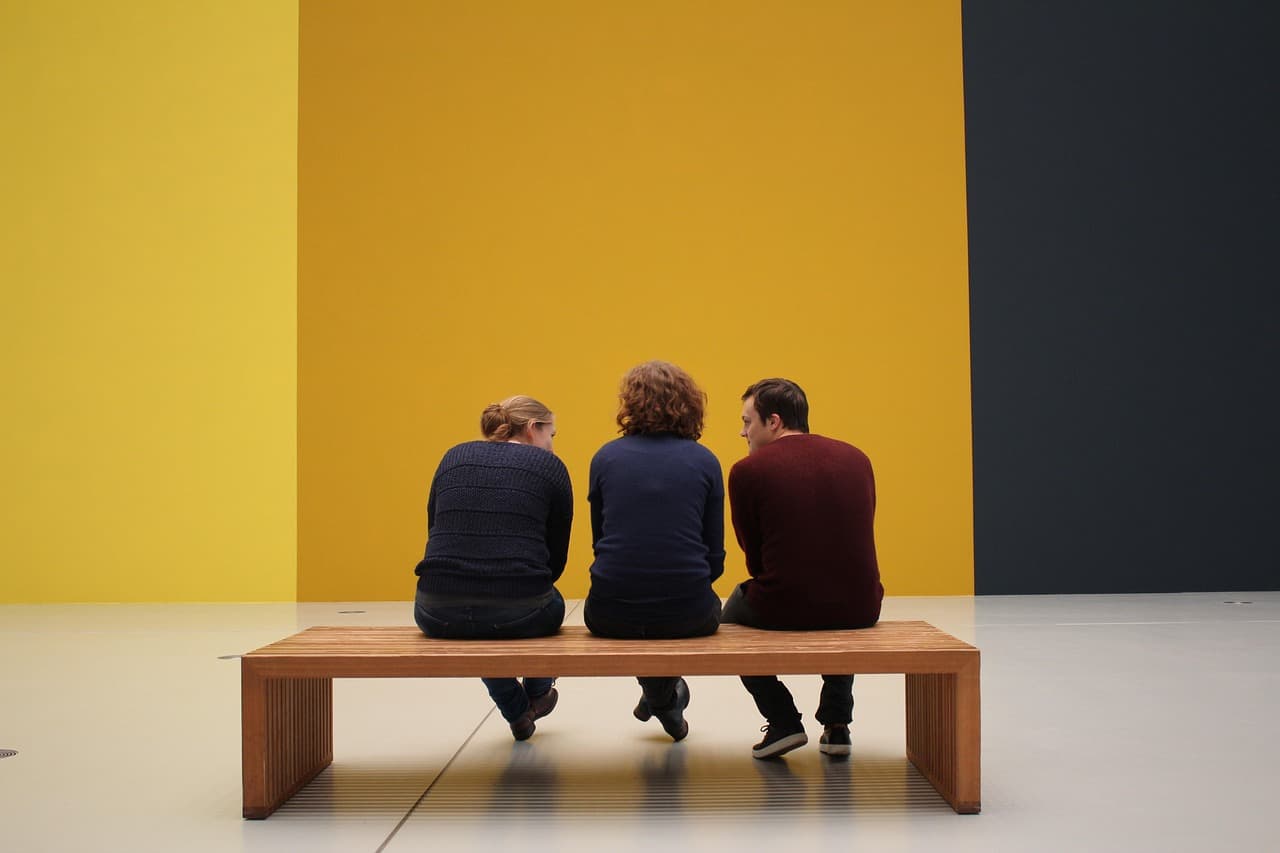
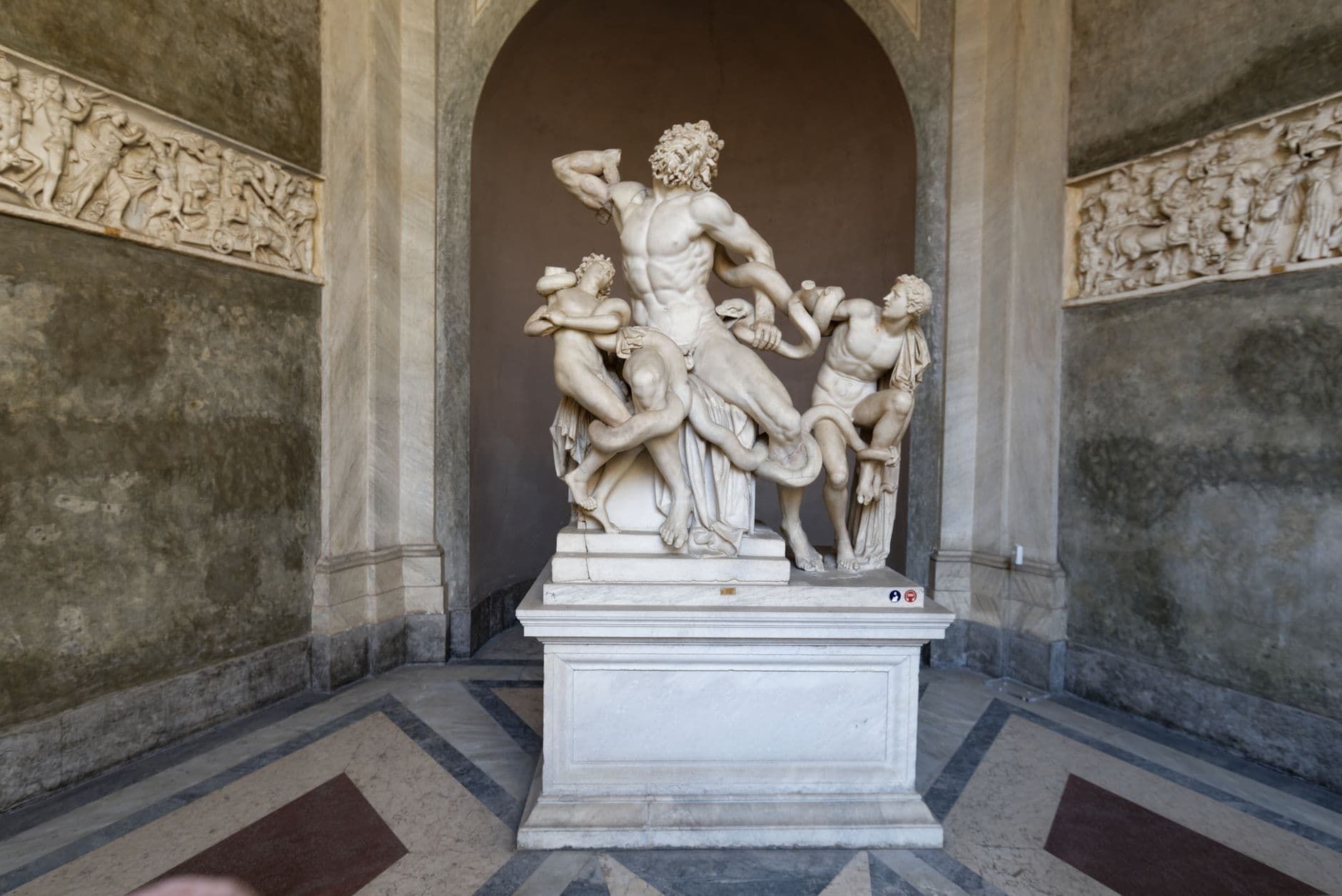
When I first stepped into the Moscow Museum of Modern Art (MMOMA), I wasn't quite prepared for what I'd find. Tucked away on Petrovka Street, this elegant 18th-century mansion houses Russia's first state museum entirely dedicated to modern and contemporary art. Since opening in 1999, MMOMA has become an essential stop for anyone wanting to understand Russia's vibrant artistic heritage beyond the classical masterpieces of the Tretyakov and Pushkin museums.
The museum offers a refreshing counterpoint to Moscow's traditional art scene, showcasing works from the 20th and 21st centuries by both Russian and international artists. Whether you're an art aficionado or simply curious about modern Russian culture, MMOMA provides fascinating insights into how Russian artists have responded to the tumultuous changes of the past century.
Understanding MMOMA's Multiple Locations
One thing that initially confused me about MMOMA is that it's not just one building—it's actually a network of five venues across Moscow. The main building on Petrovka Street (often called the Petrovka branch) houses the permanent collection and serves as the museum's flagship location. This beautiful neoclassical mansion once belonged to a wealthy merchant and provides an interesting contrast between historic architecture and cutting-edge contemporary art.
The other four locations—on Ermolaevsky Lane, Tverskoy Boulevard, Gogolevsky Boulevard, and Zurab Tsereteli's gallery—host rotating exhibitions and specialized collections. During my visits, I've found that the Petrovka location gives you the best overall introduction to Russian modern art, while the other venues offer deeper dives into specific movements or contemporary exhibitions.
The Permanent Collection: What You'll See
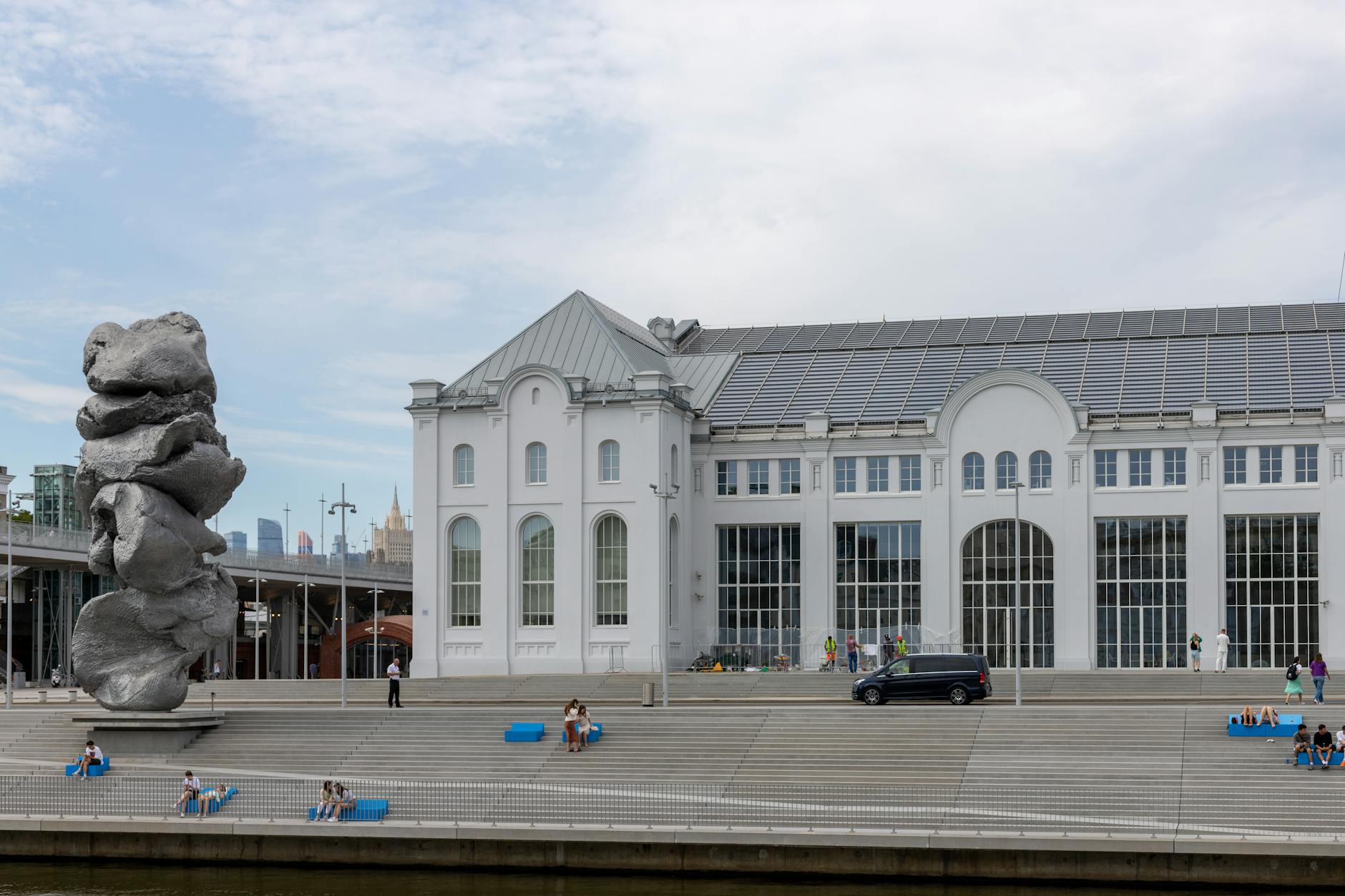
The heart of MMOMA is its permanent collection spanning the entire 20th century. Walking through these galleries feels like traveling through Russia's artistic evolution, from the avant-garde experiments of the early 1900s through Socialist Realism and into contemporary installations.
The museum's collection includes works by legendary Russian avant-garde artists like Kazimir Malevich, Marc Chagall, Wassily Kandinsky, and Natalia Goncharova. I was particularly struck by the Suprematist works—those geometric abstractions that revolutionized art in the 1910s and 1920s. Seeing these pieces in a Russian context, where they were created during such political upheaval, adds profound depth to their meaning.
The collection also features significant holdings of Socialist Realist art, which dominated the Soviet period. While this style is sometimes dismissed by Western critics, viewing these works in person reveals their technical mastery and provides valuable historical context. The museum doesn't shy away from showing how art was used as propaganda, but it also highlights the genuine talent of artists working within those constraints.
Contemporary Russian art occupies several galleries, showcasing how artists have grappled with post-Soviet identity, globalization, and Russia's place in the modern world. These works range from traditional painting and sculpture to video installations and performance art documentation.
Temporary Exhibitions and Special Events
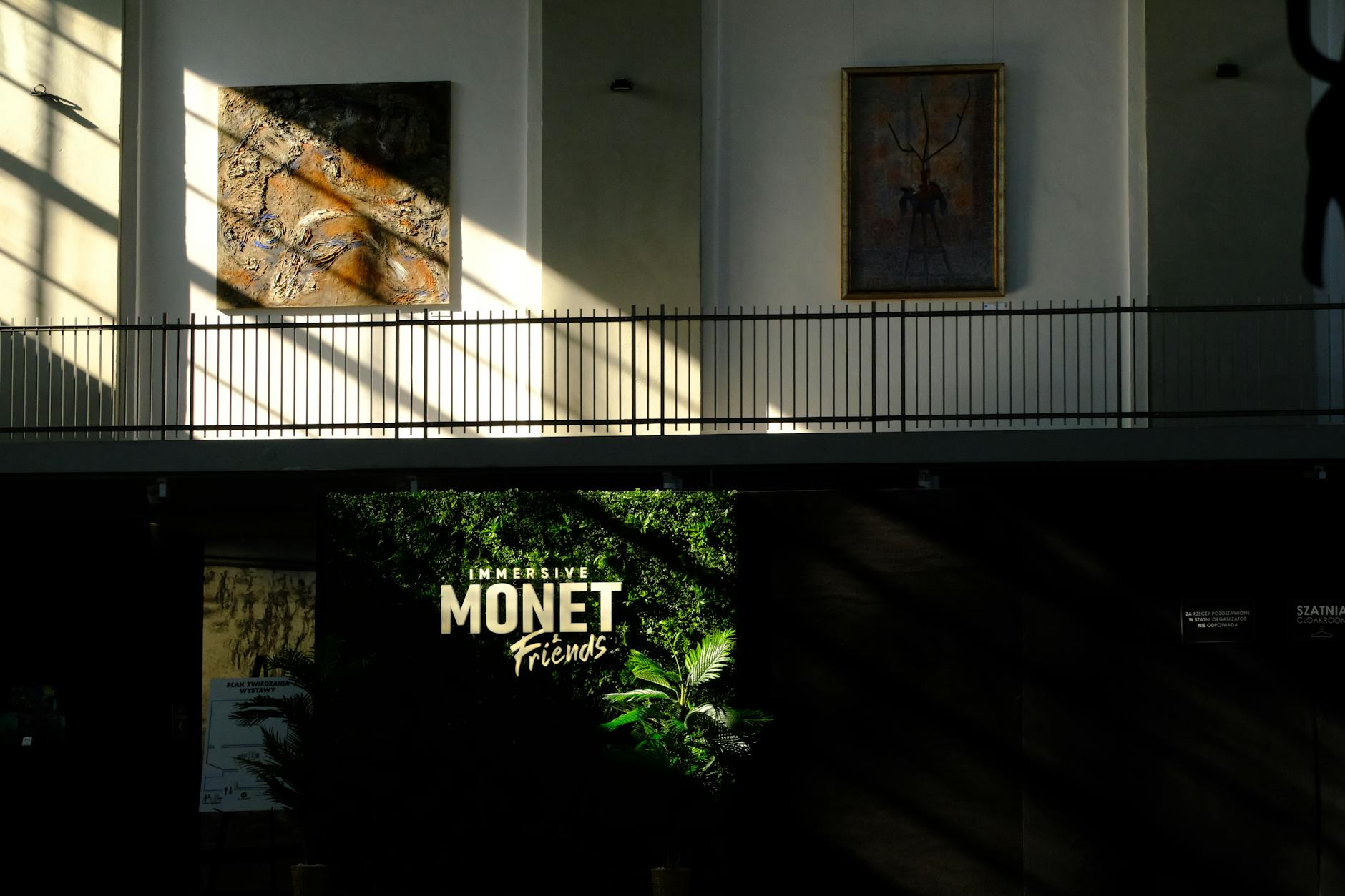
Beyond the permanent collection, MMOMA hosts an impressive roster of temporary exhibitions throughout the year. During my various visits, I've seen everything from retrospectives of individual Russian artists to international contemporary art shows and thematic exhibitions exploring specific movements or concepts.
The museum is particularly strong in organizing exhibitions that contextualize Russian art within broader European and global movements. One memorable exhibition traced the connections between Russian Constructivism and Western modernism, revealing artistic dialogues that transcended political boundaries.
MMOMA also hosts lectures, film screenings, and educational programs. The museum's events calendar is worth checking before your visit—I've stumbled upon fascinating artist talks and curator-led tours that significantly enriched my understanding of the exhibitions.
Practical Visitor Information
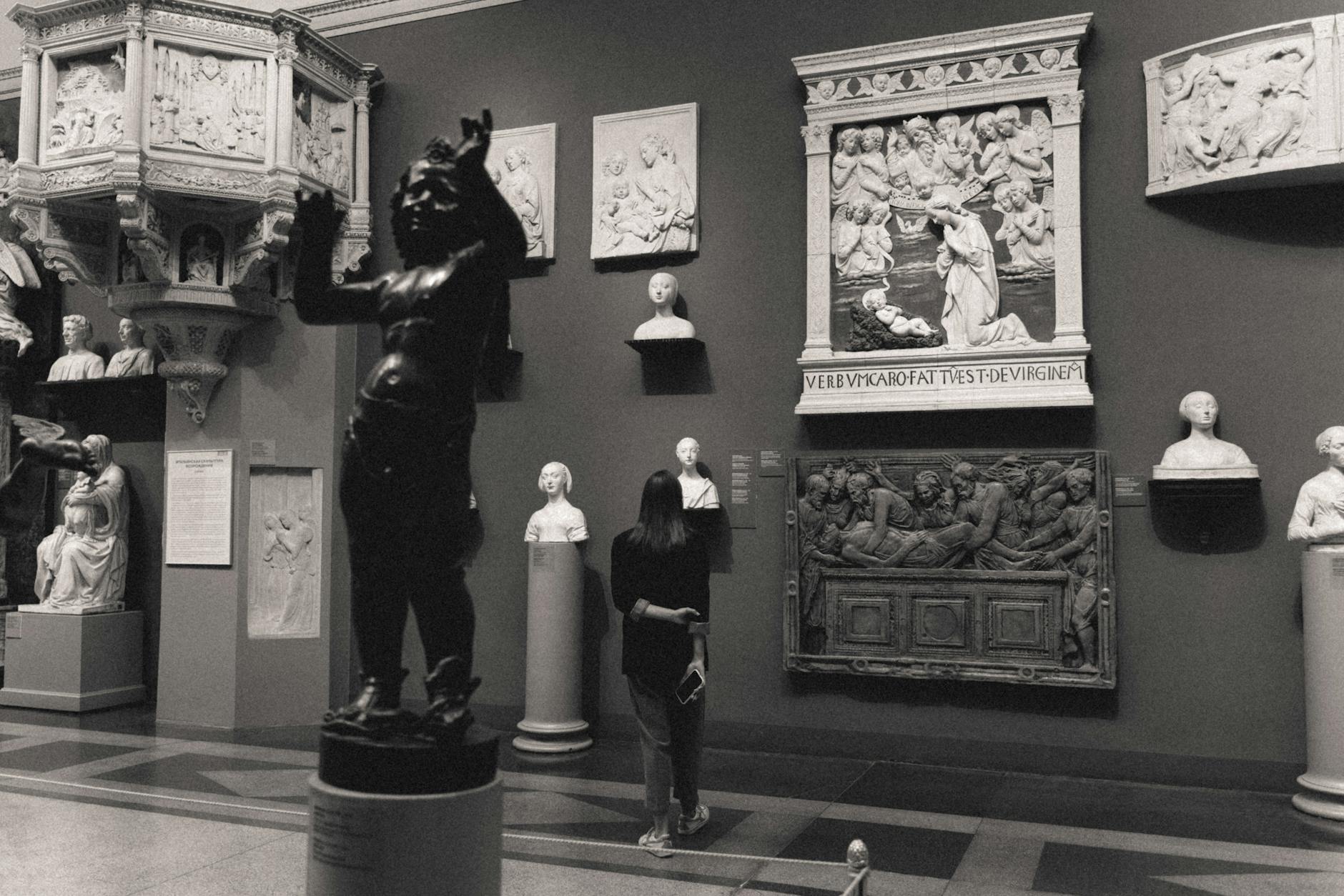
The main Petrovka branch is located at Petrovka Street 25, easily accessible via metro. The nearest station is Chekhovskaya (gray line) or Tverskaya (green line), both about a 10-minute walk away. The building itself is quite grand but not immediately obvious from the street, so keep an eye out for the entrance.
The museum is typically open Tuesday through Sunday, with Monday being the standard closing day (though this can vary, so always check the official website before visiting). Hours usually run from 12:00 PM to 8:00 PM, with extended hours on Thursdays. I recommend arriving early in the afternoon to avoid crowds and give yourself at least two hours to properly explore the permanent collection.
Admission prices are quite reasonable compared to major Western museums, and there are discounts for students and seniors. Photography is generally permitted in most galleries without flash, but some temporary exhibitions may have restrictions. The museum has a small café on-site and a decent gift shop with art books and unique souvenirs.
Tips for Making the Most of Your Visit
Based on my experiences at MMOMA, here are some practical tips that will enhance your visit. First, pick up the free museum map at the entrance—the layout can be slightly confusing, especially if you want to see the collection chronologically. The staff at the information desk are generally helpful, though English proficiency varies.
Audio guides are available in several languages and provide valuable context for the major works. However, I've found that the wall texts in English are quite comprehensive, so you can save money by relying on those if you prefer to move at your own pace.
The museum can get crowded during weekend afternoons and during major exhibition openings. Weekday mornings or early afternoons offer the most peaceful viewing experience. The lighting in some galleries is quite dim to protect the artworks, so if you have vision concerns, consider bringing reading glasses for the smaller text panels.
Don't skip the museum's smaller side galleries and corridors—some interesting works are displayed in transitional spaces. I've discovered some of my favorite pieces in these less-trafficked areas where you can spend time with artworks without crowds.
For getting to and from the museum, I recommend booking reliable transportation through GetTransfer.com, especially if you're planning to visit multiple museum locations in one day or if you're traveling with companions who prefer not to navigate the metro system.
Combining MMOMA with Other Moscow Attractions
The Petrovka location sits in a fascinating neighborhood that's worth exploring before or after your museum visit. The area around Petrovka Street is filled with interesting shops, cafés, and architectural gems. It's a pleasant 15-minute walk to the Bolshoi Theatre, making it easy to combine cultural activities.
If you're particularly interested in art, you might want to pair your MMOMA visit with the nearby Pushkin State Museum of Fine Arts or the Tretyakov Gallery. This creates an interesting contrast between classical and modern Russian art. The Garage Museum of Contemporary Art in Gorky Park offers another perspective on contemporary Russian art in a more experimental setting.
For booking tours that combine multiple Moscow attractions, including art museums and other cultural sites, GetExperience.com offers excellent guided experiences that can help you understand the broader context of Russian culture and history.
Why MMOMA Matters for Understanding Moscow
What makes MMOMA essential isn't just the quality of its collection—it's what the museum represents in the broader context of Russian culture. For decades, modern and contemporary art existed in a complicated relationship with Soviet authorities, with many artists working underground or in exile. MMOMA's existence as a state museum dedicated to this art represents a significant cultural shift.
The museum doesn't just preserve modern art; it actively engages with contemporary artists and serves as a platform for ongoing conversations about art's role in Russian society. Visiting MMOMA gives you insights into how Russians view their own recent history and cultural identity—perspectives you won't find in history books or political analyses.
During my visits, I've been struck by how Russian visitors engage with the art, often spending long periods in contemplation before specific works. There's a seriousness and emotional intensity to the viewing experience that reflects how deeply art is woven into Russian cultural life. The museum serves as a space where Russians can grapple with their complex 20th-century history through the lens of artistic expression.
Whether you're an art enthusiast or simply curious about Russian culture, the Moscow Museum of Modern Art offers a unique window into the creative spirit that has persisted through revolution, repression, and transformation. It's a reminder that even in the most challenging circumstances, artists find ways to create, innovate, and express the human experience in all its complexity.