Introduction
Moscow has transformed from a city that once erased street art overnight into one of Europe's most dynamic urban canvas destinations. Today, over 1,500 legal murals, hidden courtyards, and constantly evolving graffiti spots cover the city. This ultimate guide reveals the best routes, artists, and hidden spots in 2025-2026.
Why Moscow's Street Art Scene Exploded After 2014
From Criminal Act to State-Sponsored Festivals
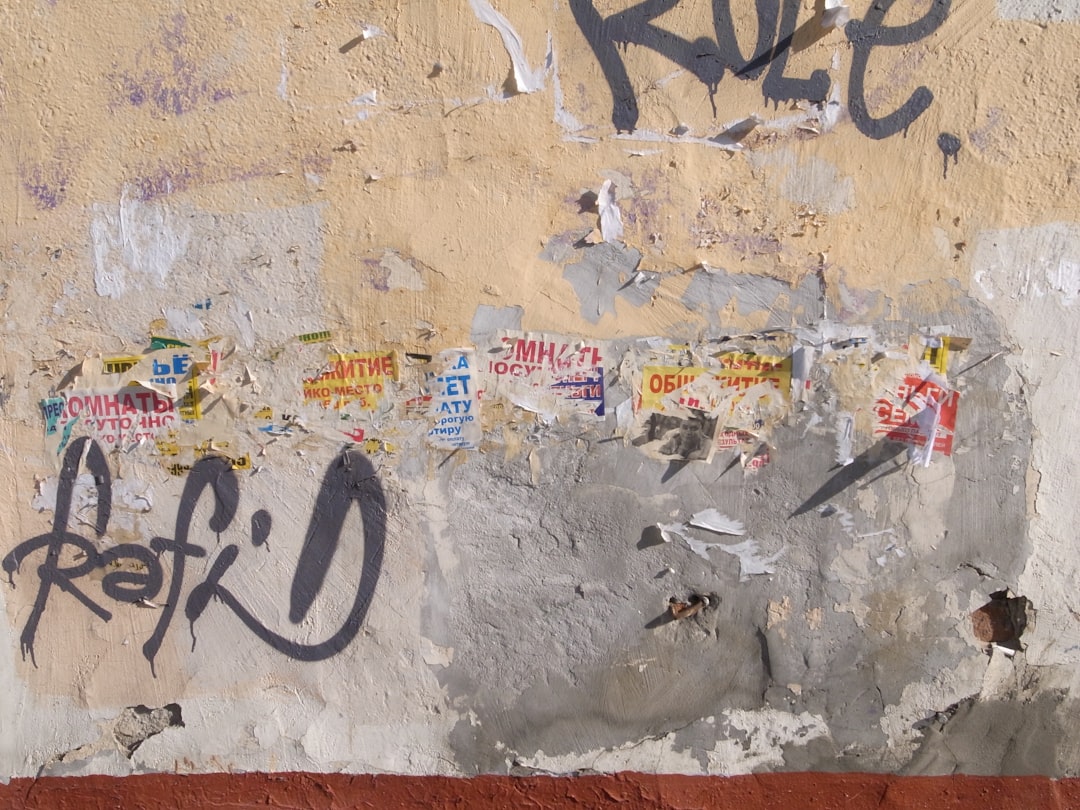
Until 2014, street art was officially illegal. The turning point came with the first "Best City on Earth" festival and the creation of the Moscow Urban Forum's street-art programme. By 2025, the city hosts five annual festivals (Most, Artmossphere, Urban Morphogenesis, LGZ, and Faces&Laces), producing over 300 new large-scale works every year.
Geographic Clusters Perfect for Walking Routes
90% of the best works are concentrated in three compact zones: Kurskaya-Baumanskaya, Krasny Oktyabr-Krymsky Val, and Dmitrovskaya-Savyolovskaya - all easily connected by metro or electric scooters.
Top 5 Must-See Street Art Districts
1. Winzavod & Artplay - The Original Cluster
The birthplace of legal street art in Moscow. Winzavod's courtyard and 4th Syromyatnichesky Lane contain works by top Russian artists:
- "Evolution" by Alexey Luka (2023) - 7-storey mural visible from the train
- "The Girl with the Balloon" homage by Zoom
- P183 memorial wall (the "Russian Banksy")
2. Flacon Design Factory - Industrial Playground
Former glass factory turned creative cluster in Dmitrovskaya. Famous for:
- 30-metre-high "Cosmonaut" by Petro & Slavik
- "The Bears" installation by Timofey Radya
- Ever-changing container walls during LGZ Festival (July-August)
3. Krasny Oktyabr & Strelka Institute Area
The trendy "Red October" island opposite the Cathedral of Christ the Saviour. Highlights:
- Huge "Make Art Not War" by Shepard Fairey (OBEY) collaboration (2024)
- Morik & Agro mural on Bolotnaya embankment
- Secret courtyard behind Gorky Park with works by 0331c and MishMash
4. Baumanskaya & Elektrozavodskaya Underground
The most "wild" district with hundreds of pieces in courtyards and underpasses:
- "The Queue" by Kirill Kto (30-metre photorealistic piece)
- Secret courtyard at 23 Nizhnyaya Krasnoselskaya with works by Nootk, Slak, and Zukclub
5. VDNH & New Territories (2025 Expansion)
2025 brings the largest legal wall in Europe at VDNH - 1.2 km long. Already completed sections feature works by Okuda, Tristan Eaton, and Russian duo Zmogk & Vesna.
Self-Guided Street Art Routes
Route 1: Central Loop (3-4 hours)
Start Kurskaya metro → Winzavod (45 min) → walk to Artplay (30 min) → metro to Kropotkinskaya → Krasny Oktyabr island (1.5 hours) → end at Gorky Park. Total distance 5 km.
Route 2 Northern Industrial (4-5 hours)
Dmitrovskaya metro → Flacon (2 hours) → walk to Design Factory GRAD → Bread Factory No.9 → Savyolovskaya. Best in summer evenings when container walls are freshly painted.
Route 3 Hidden Courtyards (Expert Level)
Baumanskaya → secret courtyards tour → Elektrozavodskaya underpass → return. Bring flashlight - many pieces in dark passages.
Key Artists to Look For in 2025
- Alexey Luka - photorealistic giants
- Kirill Kto - social commentary murals
- Petro Aesthetics - colourful surrealism
- Zukclub - signature monsters and characters
- 0331c - abstract geometry (most Instagrammed artist in Moscow)
Practical Tips for Street Art Hunters
Best Time and Light
Golden hour (17:00-20:00 summer) for Winzavod and Krasny Oktyabr. Overcast days actually better for Flacon's industrial walls - no harsh shadows.
Photography Rules
Legal walls = photography allowed. Respect private property - many courtyards have "no tripod" signs. Flash prohibited on fresh paint (first 2 weeks).
Conclusion and Final Recommendations
Moscow's urban canvas rivals Berlin and Miami in scale and quality. Whether you spend three hours or three days, you'll discover a vibrant and evolving art scene.
Pro tip: start at Winzavod on a Saturday morning, then continue independently using a map. By sunset you'll have seen 200+ works and understood why Moscow is now called "the new capital of Eastern European street art".