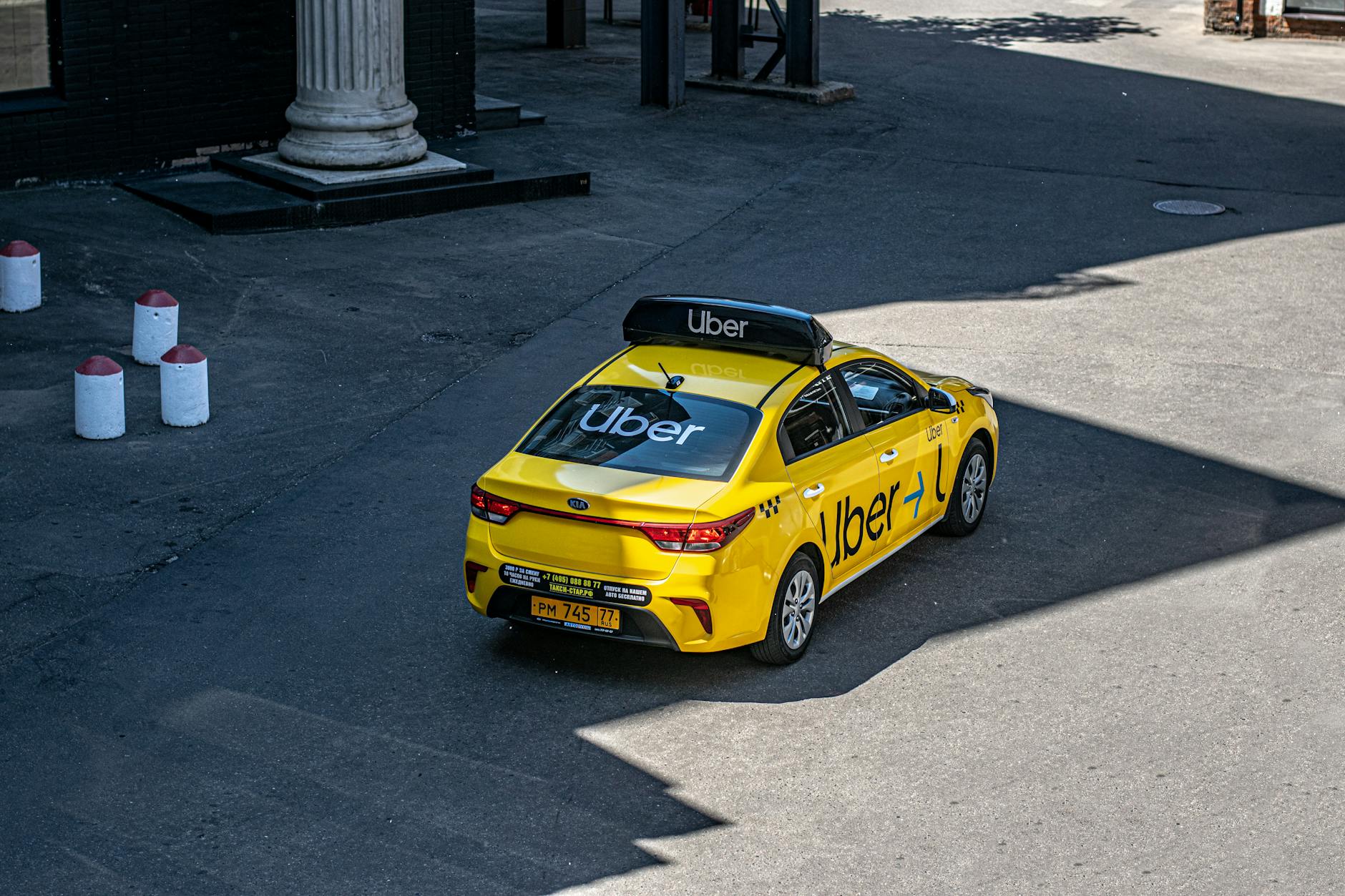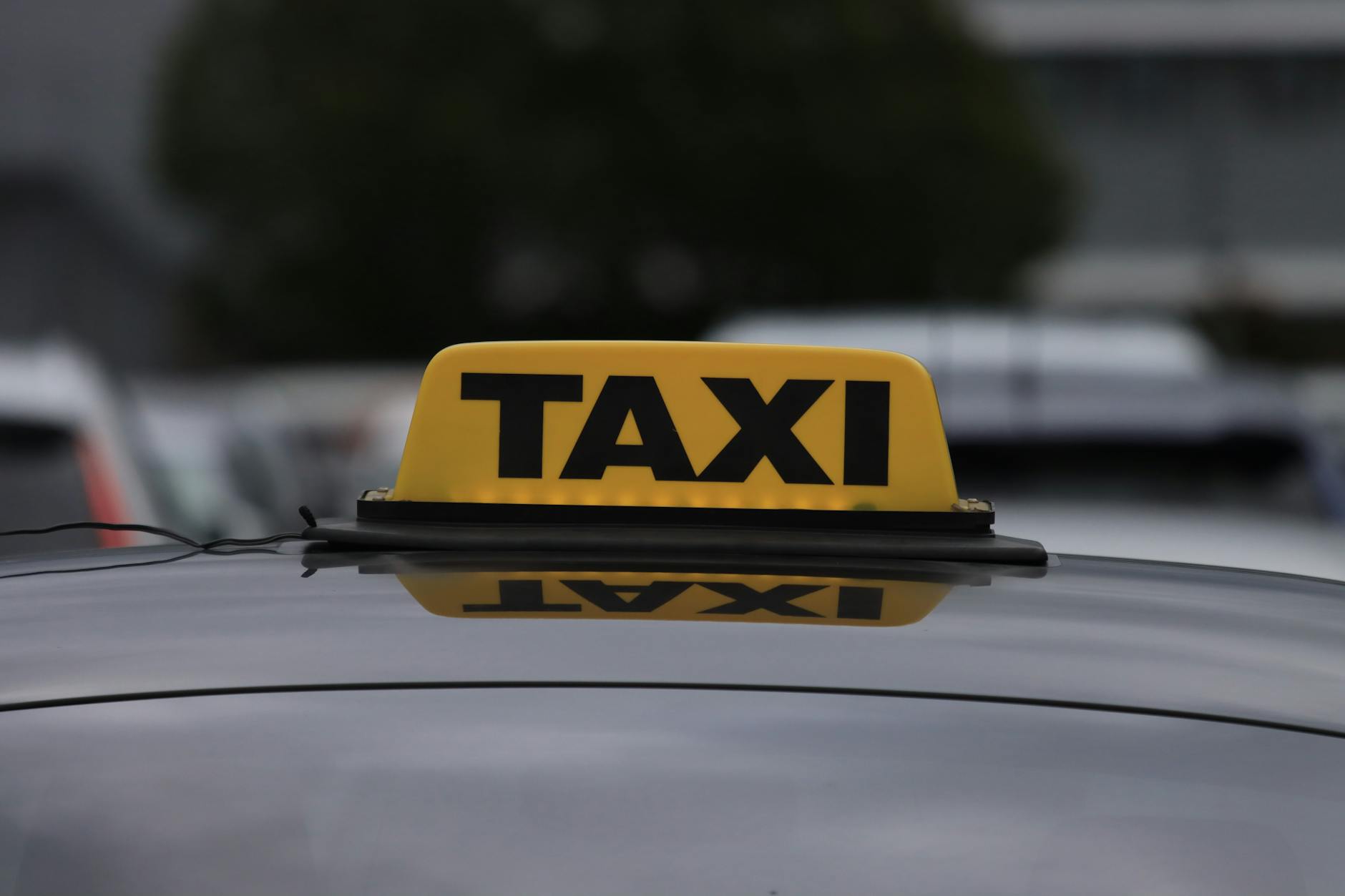

Always negotiate the fare before you ride to avoid being ripped. They expect fixed prices or meters, so insist on the meter or a quoted app fare. Check the route you'll take and push back on detours; if a driver won't agree, you can hail another car nearby within minutes.
Most city rides start with a 100-200 RUB flag drop in Moscow and 90-150 RUB in Saint Petersburg. A trip from the airport to the city center in Moscow often costs 1500-2500 RUB, while shorter hops near hotels or restaurants stay under 800 RUB in good traffic. In october, demand near airports and train stations can push prices higher by 10-30% during rush periods. Compare three legitimate apps or meters to find the best range and save significantly.
Keep control with practical checks: note the car's license plate and driver's name in the app, verify payment method before you start, and avoid cash-only taxis that show up in busy areas. If a driver tries to add a fuel surcharge or other extra fees, ask for a breakdown or switch to another car. Using official services near transit hubs significantly reduces the risk of being taken for a long ride and helps support drivers who follow the rules.
With these steps, you'll gain an opportunity to move quickly and safely while keeping costs predictable. Use near-term options, choose the most transparent route, and you can always take another car if a price or route looks off.
Phone-booking basics and fare awareness for Russian taxi rides
Always request a fare estimation before you confirm a ride, and compare at least two providers when possible. You can easily compare prices using the estimator on the site, focusing on the range for your route, date, and time to pick a solution that fits your budget.
Additionally, phone-booking and ride-hailing options are common for individuals and clients who value speed and transparency. When you call a dispatcher, have your pickup address, destination, number of passengers, luggage, and preferred language ready. When you search in an app, you access innovative features using live ETA, driver grades, and in-app communication that keeps your number private.
- Fees: base fare, distance rate, time rate, airport surcharges, night multipliers, waiting time, and cancellation penalties. Check the estimation for your date and city to understand the final cost before you confirm.
- Details: vehicle class (economy, comfort, business), baggage capacity, number of stops, and whether fees apply for extra stops or longer routes. Review the ride details in the app or on the site.
- Communication: verify the driver name, car model, and plate in the app; use in-app messaging or calls to coordinate without sharing personal numbers.
Advantages of ride-hailing include predictable pricing and easier search for nearby options, while traditional taxis provide established networks in some neighborhoods. A smart weighing of options helps clients choose speed or cost efficiency depending on the date, traffic, and weather. The recent trend shows riders appreciate real-time tracking and estimated arrival times, which reduce uncertainty and save time. These tools support safer transport by reducing miscommunication and streamlining the pickup process.
Practical tips for users:
- Use the estimator across multiple services to compare the range of fares for your route.
- Check safety details and the driver's history (grades) before boarding.
- For luggage or multiple items (including clothes), choose a vehicle that can accommodate them.
- Keep communication clear: confirm pickup point, destination, and any intermediate stops.
Verify official numbers and fleet branding before you call

Call only the official numbers published by the operator on its website or trusted app, and double-check the line with your current city. The numbers are stored on central servers and linked to the dispatch system, ensuring you reach a legitimate ride and a real departure window. Advanced checks with the operator's pages offer useful protection when you start your journey.
Inspect fleet branding before you hop in: compare the car's logo, color scheme, and badges with the operator's published guidelines. If a vehicle shows mismatched branding or a plate that seems off, decline the ride and verify with the operator in real time. This practice is popular among travelers in krasnoyarsk and beyond, and it helps you avoid a special red flags situation.
Use a trusted guide at the departure area and confirm the driver's ID in the app; the same information should appear on the driver's profile. This data is pulled from the servers and cross-checked against the plate and vehicle markings, reducing impersonation risk and increasing your ability to travel safely.
In krasnoyarsk and other cities within Russia, look for locally published branding standards. russias fleets should display the same color palette and font across cars, apps, and signage, and higher consistency reduces confusion for looking passengers arriving at the curb. If you notice any discrepancy, consider other options with clearer branding.
Talking to the dispatcher can help confirm the route and estimated arrival; however, if you see a vehicle with odd tags or a sticker like bananacar on the window, it's a clear red flag. Look for the prospekt street signs and compare them with the app's map marker to ensure you're in the right area, and you would feel more confident about the transfer.
Additionally, travelers from paraguay or those traveling in march should rely on the official numbers and branding for every ride. Look for the same branding across the app, the car, and the dispatch screen to avoid confusion and ensure the fare matches the route and anticipated arrival time.
When you approach the vehicle, check the amount shown in the fare estimate against the app; ensure the payment method aligns with the operator's terms and that cash transactions are only accepted if explicitly supported. The ability to verify ahead reduces risk and protects your trip from unexpected charges.
| Step | What to verify | How to verify | Notes |
|---|---|---|---|
| 1 | Official numbers | Check the operator's site or trusted app; call the line shown | Data lives on servers |
| 2 | Fleet branding | Logo, colors, badges; compare with published guidelines | Branding should be same across car and app |
| 3 | Driver identity | Driver ID in app; name/photo match the person driving | If in doubt, verify with dispatcher |
| 4 | Payment terms | Fare estimate matches route; confirm accepted methods (cash or cashless) | Prefer cashless where possible |
| 5 | Red flags | Unusual tags (e.g., bananacar); mismatched plate or vehicle markings | Decline and report if needed |