Buchen Sie Ihr Busticket nach Moskau mindestens 48 Stunden vor Reiseantritt, um die günstigsten Tarife und besten Plätze zu sichern. Bestätigen Sie dann Ihre Reiseroute auf der Website des Betreibers oder einer vertrauenswürdigen App und halten Sie ein digitales oder ausgedrucktes Ticket bereit. Von Boston aus reisen viele Reisende über einen zentralen Verkehrsknotenpunkt, sodass ein vorbereitetes Ticket Zeit am Bahnhof spart.
Die Fahrpläne variieren je nach Betreiber und Saison; die meisten Routen verkehren täglich, mit zusätzlichen Abfahrten an Feiertagen. Normalerweise fahren Fernbusse am Nachmittag ab und passieren die Hauptstraßen, bevor sie das Stadtzentrum erreichen. Überprüfen Sie den Fahrplan des nächsten Tages auf der offiziellen Website für genaue Zeiten, einschließlich später Abfahrtszeiten.
Zu den Ticketarten gehören Economy-Sitze und Standardoptionen; die Preise hängen von der Entfernung und der Nachfrage ab. Pässe können Rabatte für mehrere Fahrten für Reisende bieten, die mehrere Fahrten planen, und einige Betreiber bieten Aktionen für Studenten oder Gruppen an. Die Preise liegen typischerweise zwischen 20 und 60 USD, wobei Premium-Sitze etwas mehr kosten; vergleichen Sie immer mindestens zwei Betreiber, um das beste Preis-Leistungs-Verhältnis zu finden.
Die Ausstattung an Bord kann variieren; viele Fernbusse bieten WLAN, Steckdosen und eine Toilette, aber einige Dienste bieten nur grundlegende Annehmlichkeiten. Wenn Sie mehr Komfort wünschen, wählen Sie einen Bus mit zusätzlichen Einrichtungen und einer größeren Freigepäckmenge. Bei Ihrer Ankunft verbinden Sie lokale Busse und Oberleitungsbusse mit den zentralen Stadtteilen, planen Sie also einen kurzen Transfer vom Terminal zu einer schnellen Transitlinie in der Nähe eines Palastes oder einer historischen Straße ein.
Tipps für Reisende, die Einfachheit bevorzugen: Überprüfen Sie den Standort der Haltestelle in Moskau, da einige Betreiber private Stationen außerhalb des Autobahnrings nutzen. Die meisten Ankünfte bringen Sie in die Nähe des Stadtzentrums, wo Stadtbusse und Oberleitungsbusse häufig verkehren. In Moskau ist es ein guter Plan, einen Tagespass zu kaufen, wenn Sie mehrere Fahrten planen, da dies gegenüber Einzelfahrten Geld spart; viele Pässe sind sowohl in Bussen als auch in Straßenbahnnetzen gültig. Die Stadt empfängt jährlich eine Million Besucher, erwarten Sie also Menschenmassen in der Nähe beliebter Sehenswürdigkeiten und entlang der Hauptstraßen, die zu bemerkenswerten Orten wie dem Roten Platz und dem Palastkomplex führen.
Wichtige Routen und Betreiber von Moskau nach Sankt Petersburg
Nehmen Sie am Freitagmorgen einen direkten Expressbus von Moskau nach Sankt Petersburg, um den Berufsverkehr zu vermeiden und die Fahrt vorhersehbar zu gestalten.
Der Hauptkorridor folgt der Autobahn M10 entlang des Flusses in Richtung der Kulturhauptstadt, wobei die Skyline von Sankt Petersburg über der Newa aufsteigt, wenn Sie sich der Stadt nähern.
Mehrere etablierte Betreiber fahren diese Linie, sie verwalten eine beträchtliche Flotte und betreiben täglich Dutzende von Bussen, insbesondere an Wochenenden, wenn die Nachfrage steigt. Sie bieten flexible Tickets für Kurzreisen und längere Aufenthalte an.
Die ersten Busse verlassen Moskau normalerweise gegen 04:00-05:00 Uhr, während die letzten Abfahrten nach 22:00 Uhr in Sankt Petersburg ankommen. Expressfahrten dauern 7-9 Stunden; bei langsameren Diensten oder mehr Haltestellen sind 10-12 Stunden möglich.
Freitagsabfahrten ziehen die größten Menschenmassen an; um Preisschwankungen zu vermeiden, vergleichen Sie Optionen online und buchen Sie im Voraus. Abfahrten außerhalb der Stoßzeiten, typischerweise mittags oder am frühen Morgen, haben oft niedrigere Tarife und ruhigere Kabinen.
Tickets und Buchung: Nutzen Sie offizielle Websites oder vertrauenswürdige Plattformen; sie zeigen die Anzahl der verbleibenden Plätze, Abfahrtszeiten und Einstiegspunkte an. Beim Betreten der Kabine zeigen Sie Ihr Ticket am Eingang, und im Inneren finden Sie den zugewiesenen Sitzplatz und die Gepäckfächer.
Wenn Sie mit einer Familie oder einer Gruppe reisen, planen Sie Ihre Reise frühzeitig, um gemeinsame Sitzplätze zu sichern; die Routen an Bord variieren je nach Unternehmen, prüfen Sie also, was angeboten wird, bevor Sie einen Dienst auswählen.
Visabestimmungen gelten nur für internationale Reisende; für Inlandsreisen reicht ein Reisepass aus, aber halten Sie Ihren Ausweis bereit, wenn Sie regionale Kontrollpunkte passieren. Die Route von der Hauptstadt nach SPB bleibt eine praktische Option für diejenigen, die Flüge vermeiden und an geschäftigen Tagen Zeit sparen möchten.
Die Linie Moskau-Sankt Petersburg ist bekannt genug für ihre Zuverlässigkeit und ihren stabilen Fahrplan; dies macht sie zu einer beliebten Wahl für kulturbetonte Reisen, Kurzurlaube oder schnelle Geschäftsreisen entlang des Flusskorridors.
Fahrplanvergleich nach Abfahrtsfenstern: morgens, tagsüber und nachts
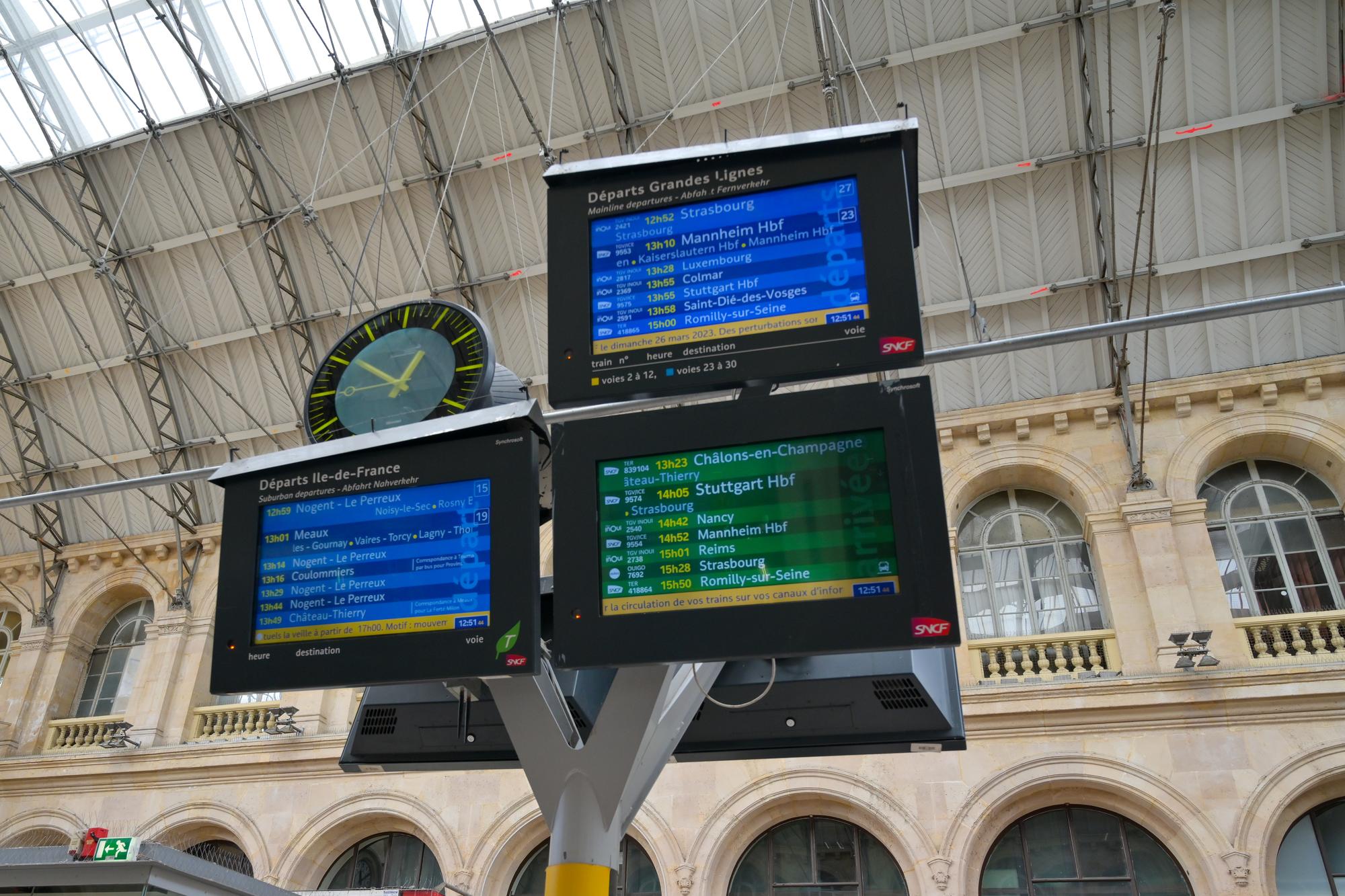
Buchen Sie das Morgenfenster für Reisen nach Moskau; offizielle Fahrpläne zeigen die höchste Frequenz vor 10:00 Uhr, wodurch der Transferbedarf reduziert wird und Sie einen klaren Plan für die Ankunft bei Tageslicht haben.
Morgenabfahrten verkehren typischerweise von 05:30-10:30 Uhr mit 4-8 täglichen Optionen auf den Hauptlinien nach Moskau. Diese Dienste nutzen die schnellsten Straßen bei geringerem Verkehr, und Sie erreichen oft früher das Stadtzentrum, sodass Sie Zeit haben, Paläste zu besuchen oder durch schöne Straßen zu schlendern. Wenn Sie in der Nähe von Peterhof starten, erschließt ein kurzer Weg zu einem zentralen Bahnhof direkte Moskau-Verbindungen und mehr Mobilität am Reisetag.
Tagesreisen (10:30-17:00 Uhr) bieten Flexibilität für Planänderungen, Einkäufe oder einen malerischen Zwischenstopp in Dörfern entlang des Weges. Die Transportzeit liegt je nach Verkehr und Wetter zwischen 6 und 8 Stunden, und auf beliebten Routen erscheinen alle 2-3 Stunden Linien. Überprüfen Sie die Seite des Betreibers für Zeit- und Datumsspezifikationen und beachten Sie, dass einige Linien potenzielle Verspätungen anzeigen, während Sie im Terminal warten.
Nachtabfahrten (18:00-02:00 Uhr) sparen bei den Tarifen und haben oft ruhigere Bahnhöfe, aber sie gehen mit einer reduzierten Frequenz einher. Die letzten Busse nach Moskau aus der Region können gegen 22:30-01:00 Uhr abfahren; bestätigen Sie das Datum und die letzten Haltestellen auf der offiziellen Website, da einige Routen in kleineren Städten halten. Wenn Sie von Spätabendoptionen hören, haben Sie einen Plan für den Flughafen- oder Hoteltransfer und ziehen Sie ein Taxi von der letzten Haltestelle für den kürzesten Fußweg in Betracht.
Alternativen wie blablacar bieten eine flexible Option, wenn Sie Reisezeit mit einem geselligen Tempo verbinden möchten, besonders sonntags oder in der Nebensaison. Für internationale Reisen überprüfen Sie die Visabestimmungen und Einreisedaten auf der offiziellen Reiseseite und erstellen Sie dann einen Plan, der Zeit, Reisezeit und Ihre Mobilitätsbedürfnisse in Einklang bringt. Vergleichen Sie in jedem Fall Linien, Zeit- und Datumsdetails, um den besten Rhythmus zu wählen - ob Sie Nischni besuchen oder in der Nähe von Peterhof bleiben möchten, Sie werden eine passende Option finden, die zu Ihrem Reisestil und Budget passt.
Ticketarten, Preise und Transferregeln der Betreiber

Überprüfen Sie hier Preise und Transferregeln, bevor Sie buchen, um eine günstigere Option oder einen knappen Transfer nicht zu verpassen. Die besten Angebote erscheinen, wenn Sie früh buchen; Dienstagsangebote können zusätzliche Einsparungen bringen, da die Preise den Änderungen der Nachfrage folgen. Vergleichen Sie mindestens drei Betreiber für Ihre Route.
Die Preise variieren je nach Betreiber und Route, vergleichen Sie daher mindestens drei Optionen. Laut jedem Betreiber kann ein Transfer im Ticket enthalten sein oder einen separaten Kauf erfordern. Einige Tickets werden pro Teilstrecke bepreist, während andere einen gebündelten Preis für eine Abfolge von Fahrten anbieten. Ankunftszeiten und die Verfügbarkeit von Transfers hängen vom gewählten Drehkreuz ab, zum Beispiel Routen ab Düsseldorf oder Philadelphia.
Ticketoptionen auf einen Blick
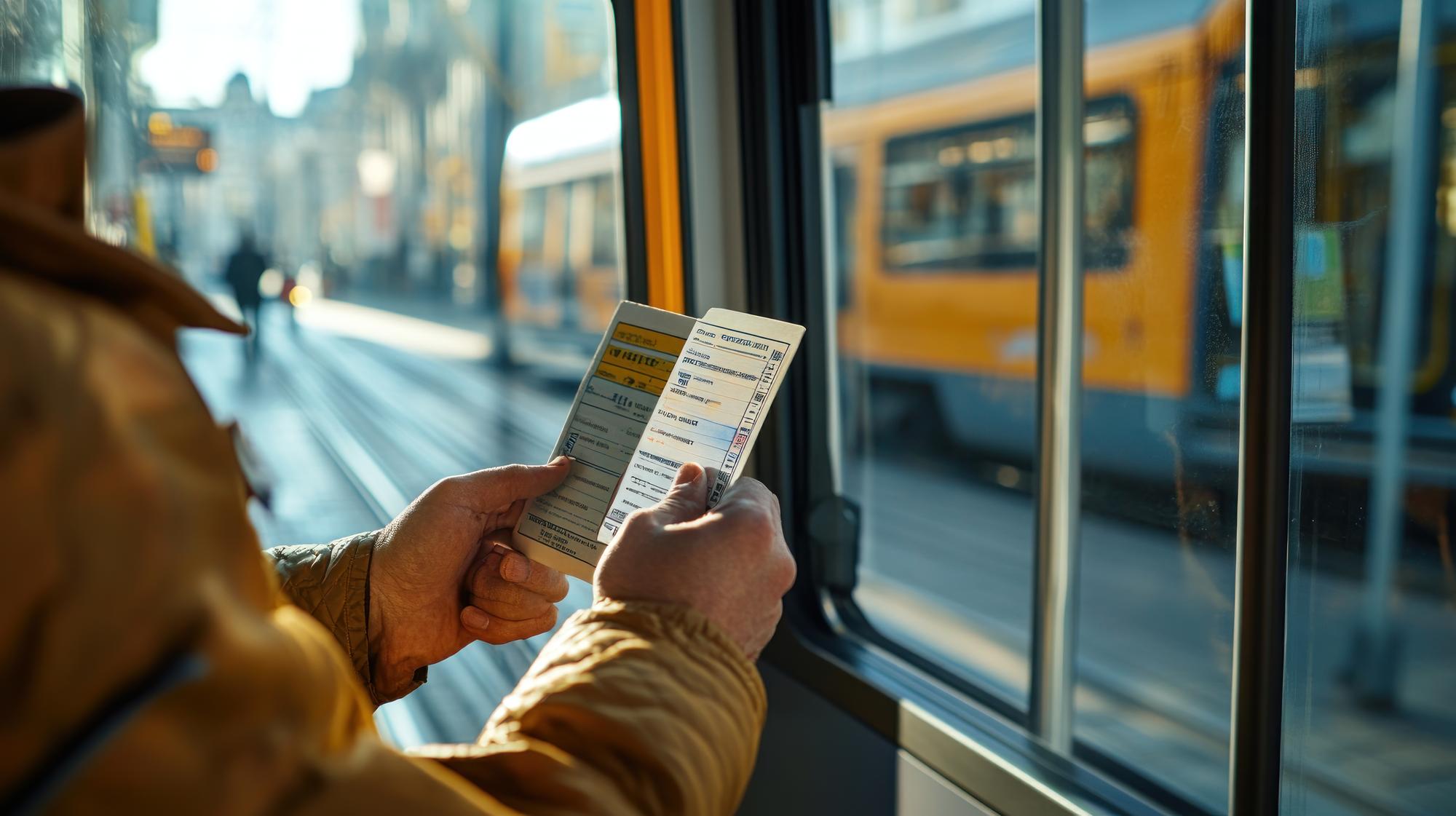
Ticketarten, die Sie sehen werden: Einzelfahrt, Rückfahrt, Tageskarten und Mehrfahrtenkarten. Einzelfahrt deckt eine Teilstrecke ab; Rückfahrt ermöglicht eine Rückfahrt innerhalb eines festgelegten Zeitfensters; Tageskarten lassen Sie mehrmals am Tag fahren; Mehrfahrtenkarten ermöglichen mehrere Fahrten mit einem Rabatt. Einige Anbieter veröffentlichen Festpreise für beliebte Linien, während andere dynamische Preise verwenden, die sich nach Zeiten und Nachfrage ändern.
Transferregeln und praktische Tipps
Transferregeln der Betreiber: Einige Tickets erlauben kostenlose Transfers innerhalb eines festgelegten Zeitfensters, während andere separate Tickets für jede Teilstrecke erfordern. Überprüfen Sie die Transferdetails; hier können Sie sehen, welche Regeln gelten, einschließlich erlaubter Ankunftszeiten und wie man die Linien wechselt. Ein häufiges Hindernis sind Verspätungen, die Sie über das Transferfenster hinausdrücken. Wenn ein Transfer inbegriffen ist, zeigt der Reiseplan die Ankunft und die nächste Abfahrt an; andernfalls planen Sie, hier nach Alternativen oder Umbuchungsoptionen zu suchen. Zum Beispiel zeigen Routen wie Düsseldorf nach Prag oder Philadelphia nach New York die Vielfalt, wie Linien Verbindungen handhaben. Überprüfen Sie immer die Zeiten und Richtungen auf Ihrem Ticket, um Überraschungen zu vermeiden, und beachten Sie Fahrerwechsel und Linienwechsel, damit Sie Ihren nächsten Halt verfolgen können.
Wo man Tickets kaufen kann: Online-Plattformen, Apps und Ticketbüros
Buchen Sie 24-72 Stunden im Voraus online, um die besten Plätze auf beliebten Routen zu sichern und Dauer, Zeit und Preis an einem Ort zu sehen. In severnye Gebieten listen Online-Plattformen Ankünfte und Transfers mit übersichtlichen Karten auf, und Sie können unterwegs Paläste und Wohnviertel erblicken.
Severnye Regionen haben oft engere Transferfenster, überprüfen Sie also die Zeit, bevor Sie kaufen.
Online-Plattformen und Apps
- Überprüfen Sie zuerst den Fahrplan und sehen Sie sich Zeit und Dauer an, bevor Sie buchen.
- Offizielle Betreiberseite und mobile App: schneller Checkout, Echtzeit-Updates und die Möglichkeit, einen Sitzplatz zu wählen, falls verfügbar, einschließlich Abteile auf längeren Routen.
- Vertrauenswürdige Aggregatoren: Vergleichen Sie Abfahrten nach Moskau und Ihre Ziele, filtern Sie nach Dauer und wählen Sie eine Route, die zu Ihrem Ankunftsplan passt.
- Zahlungen: Mastercard und andere Karten werden akzeptiert; verwenden Sie Apple Pay für einen schnellen Checkout.
- Transfers und Mehrfahrten: Die Plattform zeigt Transferzeiten und den Tür-zu-Tür-Weg zwischen den Bussen an.
- Gebuchte Tickets: Sie erhalten ein E-Ticket mit einem Barcode; speichern Sie es auf Ihrem Gerät und zeigen Sie es an der Tür vor.
- Offline-Zugriff: Exportieren Sie Tickets in eine Brieftasche oder speichern Sie eine Kopie für Gebiete mit schwachem Signal.
- Troika-Hinweise: In einigen Fällen können Sie eine Troika-Karte für den Stadtverkehr verwenden; Fernverkehrstickets werden normalerweise online oder an einem besetzten Schalter bezahlt.
- Oberleitungsbusse: Wenn Ihr Plan Stadtfahrten nach der Ankunft beinhaltet, sehen Sie sich Transferoptionen an, die zu Oberleitungsbussen führen.
Ticketbüros und Käufe vor Ort
- Besetzte Schalter an größeren Bahnhöfen akzeptieren Bargeld und Karten; diese sind ideal, wenn Sie Hilfe bei der Auswahl eines Ziels oder Sitzplatzes benötigen.
- Bringen Sie einen Ausweis und alle erforderlichen Wohnsitzinformationen mit; das Schalterpersonal kann verknüpfte Tickets ausdrucken und bessere Optionen für Ihren Plan vorschlagen.
- Fragen Sie nach Sitzplatztypen: Standardsitze, Sitze mit besserer Aussicht oder Abteile auf längeren Fahrten; bestätigen Sie die Verfügbarkeit vor dem Kauf.
- Die Öffnungszeiten variieren; die Schalter sind bis zur letzten Abfahrt des Tages besetzt, planen Sie also entsprechend.
- Für Transfers oder mehrere Ziele kann das Personal verknüpfte Reisepläne ausdrucken und Sie zur richtigen Plattform oder zum Abholpunkt führen.
- Rabatte: Einige Schalter bieten Rabatte für Anwohner an; zahlen Sie mit Karten oder Bargeld; solange der Vorrat reicht.
Tipps an Bord: Einsteigen, Gepäck, Sitzplätze und Annehmlichkeiten
Wählen Sie einen Sitzplatz vorne, um das Ein- und Aussteigen zu beschleunigen und die Durchsagen der Besatzung beim Betreten des Busses deutlich zu hören.
Was Sie mit sich führen, ist wichtig für eine reibungslose Reise: Bewahren Sie wichtige Gegenstände in einer kleinen Tasche griffbereit auf und legen Sie schwerere Gegenstände in das Gepäckfach über Ihnen oder unter den Sitz vor Ihnen. Halten Sie Tickets auf Ihrem Telefon oder ausgedruckt bereit; überprüfen Sie die Zeiten und Abholpunkte auf den Websites; dies vermeidet Verzögerungen an den Einstiegsgates. Es gibt eine schnelle Sitzplatznummernanzeige, wenn Sie Ihr Ticket scannen, und die Sitzplatzverfügbarkeit wird in Echtzeit in der App aktualisiert, um Ihnen die beste Option für Ihre Gruppe anzuzeigen.
Reisende Frauen können bevorzugte Sitzplätze oder Unterstützung anfordern; die Barrierefreiheitsoptionen variieren je nach Betreiber, überprüfen Sie daher die Details auf der Buchungsseite, um genügend Platz für Ihre Bedürfnisse zu gewährleisten.
Sitzplatzauswahl und Klassen
| Klasse |
Sitzplatzbeschreibung |
Strom |
Gepäck |
Annehmlichkeiten |
Hinweise |
| Standard |
Mittelgang, typische Breite |
USB in einigen Reihen |
1 Handgepäckstück, 1 persönlicher Gegenstand |
WLAN variiert; Wasserflaschen auf längeren Strecken |
Check-in zeigt Sitzplatzzuweisungen; Optionen hängen vom Betreiber ab |
| Premium |
Vordere Reihen, zusätzliche Beinfreiheit |
USB- und/oder AC-Steckdosen |
2 Gepäckstücke |
Kopfhörer, Leselampe |
Reservierungen empfohlen; Preise variieren je nach Strecke |
Strecken in der Nähe der Wolga-Region oder durch Kanalstädte (Kanal) können unterschiedliche Sitzplatzanordnungen bieten. Überprüfen Sie daher den genauen Wagen, der auf Ihrem Ticket angegeben ist. Die Atlantik-Korridore bieten manchmal längere Ruhepausen und verbesserte Annehmlichkeiten; es lohnt sich, auf den Websites der Betreiber und während des Bezahlvorgangs zu prüfen, was jede Option beinhaltet.
Auf den Partnerseiten finden Sie genügend Details, um Ihre Wahl zu treffen, einschließlich der Bedeutung des Labels bertcompanycountonecompanyname für Ihre Reiseroute und welche Unternehmen auf Ihrer Strecke zusammenarbeiten. Wenn Sie die Portale für öffentliche Verkehrsmittel für Fahrten nach Moskau besuchen, sehen Sie, wie sich Stunden und Fahrpläne in Echtzeit mit Ihren Plänen decken.
Gepäck und Annehmlichkeiten an Bord
Die Gepäckbestimmungen variieren je nach Betreiber; die meisten Linien erlauben standardmäßig ein Handgepäckstück und einen persönlichen Gegenstand, mit kostenpflichtigen Optionen für zusätzliche Gepäckstücke. Bestätigen Sie immer die Gewichtsbeschränkungen und Gebühren auf den Tickets und am Schalter. Beschriften Sie Gepäckstücke deutlich und bewahren Sie Wertsachen in Ihrer Reichweite auf, um Verzögerungen beim Einsteigen zu vermeiden.
Die Annehmlichkeiten an Bord unterscheiden sich je nach Klasse: Standardwagen bieten grundlegenden Komfort und stabiles WLAN, wo verfügbar, während Premium-Optionen zusätzliche Beinfreiheit, Strom und kostenloses Wasser bieten. Weiße Kopfstützen und ein modernes Innendesign schaffen eine komfortablere Atmosphäre auf langen Strecken, und einige Busse bieten USB-Lademöglichkeiten und Ruhezonen für weibliche Reisende oder solche, die einen ruhigeren Bereich im Bus benötigen. Wenn Sie einen Besuch in Moskau von Düsseldorf oder anderen Ausgangspunkten aus planen, werden Sie die klareren Layouts und die schärfere Aufmerksamkeit für Komfort auf längeren Strecken zu schätzen wissen.
Öffentliche Bahnhöfe und Terminalportale in der Nähe von Kanälen (Kanal) zeigen oft Echtzeit-Gate- und Sitzplatzaktualisierungen an, was Ihnen helfen kann, einen reibungsloseren Transfer zu planen, wenn Ihre Reise einen Zwischenstopp beinhaltet. Wenn Sie Ihre Tickets überprüfen, sehen Sie die Optionen, und Sie können entscheiden, was am besten zu Ihrem Zeitplan und Budget passt.