You can bring a pet dog or cat into Russia as a traveller, and there is no quarantine if your paperwork is in order. In short, your pet needs a microchip, a valid rabies vaccination, and an international veterinary certificate (or EU pet passport) with a recent health check, endorsed by your country's government veterinary authority. Up to two animals per person can enter without an import permit. This guide walks through each step and the timing that trips people up.
The requirements at a glance
| Requirement | Detail | Timing |
|---|
| Microchip | ISO 11784/11785, 15-digit, non-encrypted; implant it before the rabies shot | Before vaccination |
| Rabies vaccination | Valid vaccination recorded in the certificate/passport | At least 20 days before travel (first shot), or a valid booster given within the last 12 months |
| Rabies titer (antibody) test | Not required for entry to Russia | — |
| Clinical examination | Health check by a licensed vet confirming the animal is fit to travel | Within 14 days of travel |
| Government endorsement | Certificate signed & stamped by the government veterinary authority of the origin country | Within 5 days of travel |
| Import permit | Not needed for 1-2 pets; required for 3 or more | — |
| Quarantine | None, if requirements are met and the animal is from a rabies-controlled area | — |
Step 1: Microchip

Your pet should be identified with a 15-digit ISO 11784/11785 microchip. Have it implanted before the rabies vaccination, because the vaccination record must be linked to an already-identified animal. If your chip is not ISO-standard, bring your own scanner to be safe.
Step 2: Rabies vaccination
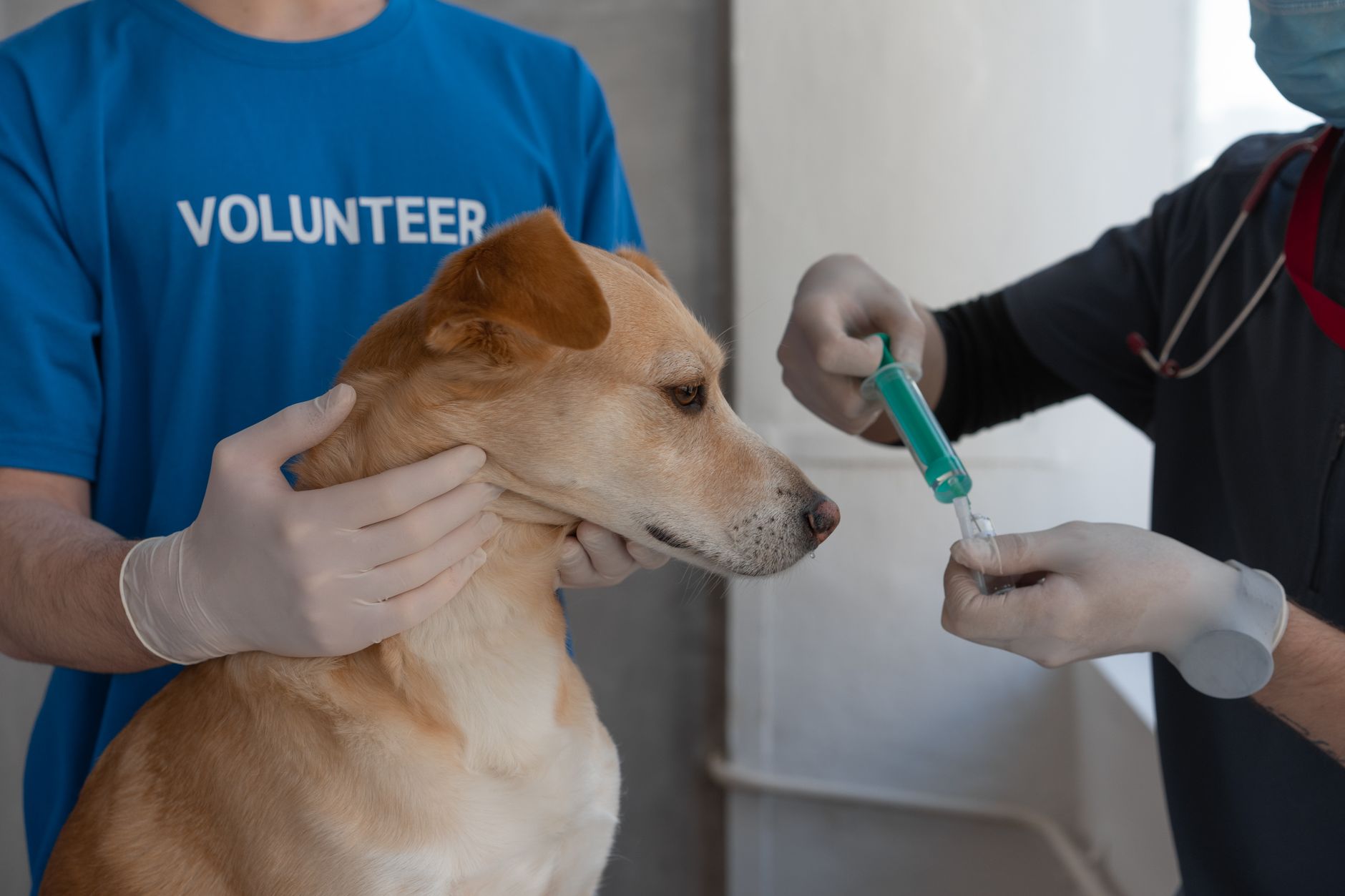
Your dog or cat must have a current rabies vaccination. For a first vaccination, it must be given at least 20 days before travel so immunity has developed; if your pet is already covered, a booster given within the last 12 months is accepted. In other words, don't let the vaccination lapse, and don't fly in the first three weeks after a first shot. (Note: the "21 days before entry" rule you may see online is the EU requirement, not Russia's.) A rabies antibody titer test is not required for Russia. Dogs are also commonly recommended to be vaccinated against distemper, hepatitis, parvovirus and leptospirosis, and cats against panleukopenia.
Step 3: Veterinary certificate and government endorsement
A licensed vet must examine your pet and issue an international veterinary certificate after a clinical health check carried out within 14 days of travel. That certificate must then be endorsed — signed and stamped — by the government veterinary authority of your departure country (for example, USDA/APHIS in the United States, or the equivalent state body elsewhere) within 5 days of travel. An EU pet passport is accepted if it contains the required rabies record and health declaration. Keep the original documents with you, not in checked luggage.
Step 4: How many pets, and by air
You may bring up to two dogs or cats without an import permit; three or more (or any commercial import) requires a permit issued in advance. A total of five personal pets is the official maximum for a private traveller. Whether your pet flies in the cabin or as cargo depends entirely on the airline and the animal's size and weight (small pets in an approved carrier are often allowed in the cabin), so confirm the rules and book the pet's spot with your carrier early. Snub-nosed (brachycephalic) breeds face extra restrictions with many airlines.
Step 5: At the Russian border
Pets are not ordinary luggage, so on arrival you go through the "red channel" (goods to declare) and present your animal and its documents at the airport veterinary control point, where the pet is registered (a small fee may apply). Pet entry is handled at approved airports such as Moscow's Sheremetyevo and Domodedovo. For the wider entry process, see our guide to arrival procedures in Russia and the Russia customs rules for tourists.
Don't forget travel and pet health cover
Veterinary care in Moscow is widely available, but confirm your own medical and travel arrangements too — many Western travel insurance policies have limited cover for Russia. See our guide to travel insurance for Russia, and for the rest of your trip planning our Russia travel guide. If you are arriving with an animal, a pre-booked private transfer (confirm the driver accepts pets) is far less stressful than hailing a taxi with a carrier.
Frequently asked questions
Is there quarantine for pets entering Russia?
No. There is no quarantine when your pet arrives with complete, correct paperwork and comes from an area that is not high-risk for rabies.
Do I need a rabies titer (blood) test to bring my pet to Russia?
No. A rabies antibody titer test is not required for import to Russia, from any country. You do, however, need a valid rabies vaccination — given at least 20 days before travel for a first shot, or a booster within the last 12 months.
How many pets can I bring without a permit?
Up to two dogs or cats per owner can enter without an import permit. Three or more animals, or any commercial import, requires a permit arranged in advance; five is the official maximum for a private traveller.
Is an EU pet passport enough?
An EU pet passport is accepted as long as it contains a valid rabies vaccination and the required health declaration. Travellers from non-EU countries use an international veterinary certificate endorsed by their government vet authority within 5 days of travel.
Can my pet fly in the cabin?
That depends on the airline and your pet's size — small animals in an approved carrier are often allowed in the cabin, while larger pets travel as cargo. Check your airline's pet policy and reserve the spot before you fly.
Before you travel
Pet import rules and thresholds can change, and airline requirements vary. Always confirm the current requirements with Russia's veterinary authority (Rosselkhoznadzor), your own country's government veterinary service, and your airline just before you book and travel.


