Start with the alphabet: commit to 15 minutes daily tracing the 33 letters, pronouncing each sound, and writing them with a light grip. thats the fastest path to learn the rhythm of Russian and hear how words form from letters. Create a simple togo plan you can take anywhere, giving yourself a concrete weekly target.
Move from letters to sounds with russianlisten audio and classes that focus on pronunciation. Use yandex tools to check the correct ordering of letters and practice numbers while building basic phrases. Try kofe and pivo in short dialogues to solidify sounds and context.
Grasp nouns and gender, then build sentences around a few core patterns. Start with singular and plural forms, then introduce two common cases, using simple examples with everyday nouns. Pair nouns with easy adjectives and keep a brief practice log to track progress.
Expand vocabulary by themes: food, travel, daily routines. Learn 20-30 core nouns and 100 basic verbs. Schedule classes two times per week, and use spaced repetition on flashcards. Record your sound of pronunciation, note the ordering of common phrases, and mark progress with a quick practice session daily.
To keep momentum, stop overthinking and start speaking. If you hesitate, reset with a quick repeat of the last sentence. You could pair with a friend for short dialogues, using kofe and pivo as familiar topics. Use yandex to find new words, and listen to native patterns on russianlisten for real sound. Keep a concise togo plan and share progress with your friend.
With this approach, you link alphabet mastery, grammar basics, and practical vocabulary into a steady sequence. Focus on regular practice, refer back to letters and ordering when forming sentences, and track numbers you know. Take classes that fit your schedule and connect with a language partner to deepen learning every week.
Learn Russian: Guide to Alphabet, Grammar, and Vocabulary; - See you soon
Begin with the Basics: learn the alphabet, master pronunciation, and build a practical vocabulary.
Establish a quick daily routine: 15 minutes on basics, 15 minutes reading a short note, and 10 minutes practicing phrases with a partner.
In Moscow life, you may see москвá and москвы on signs; use yandex to navigate; a building строилась near the station and подъезда numbers appear on doors; read меню, order пива, and plan a route in the afternoon.
Ask for directions clearly: say excuse, find the nearest stop, and follow the directions through the map. Practice gender forms with male and female examples to hear the differences in endings.
Practice with people: a kind, friendly tone helps. Use a small chat on facebook to meet someone and share saying with simple phrases; when introducing yourself, mention меня and what was called in your note.
Craft a personal phrase sheet: a small card with essential lines you actually use, such as hello, please, excuse me, menu, route, and directions. This craft keeps you ready through conversations and everyday tasks.
| Letter | Sound | Example |
|---|---|---|
| А а | a | father |
| Б б | b | book |
| В в | v | vet |
| Г г | g | go |
| Д д | d | dog |
| Е е | ye | yes |
Leaving with a handy toolkit makes practice natural: you can leave notes for yourself, review before bed, and bring examples into your chats with friends from your circle on facebook to meet and practice together.
Alphabet Mastery for Beginners: Letters, Sounds, and Pronunciation
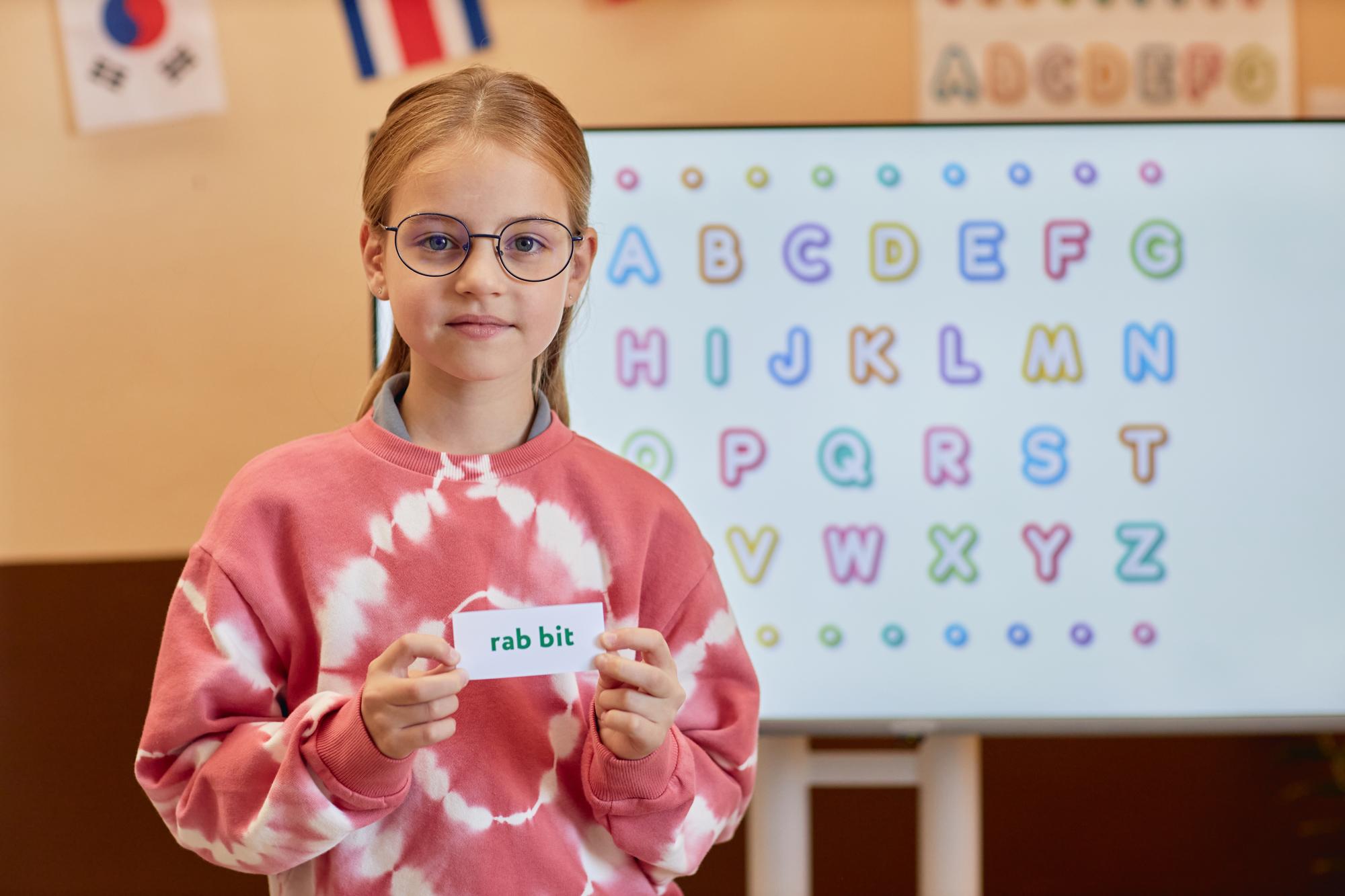
Begin with the five most frequent Russian letters and practise their sounds daily. This focused start makes the alphabet easier to master and builds pronunciation from the first week. Keep a small chart under your desk so you can glance at the letters and say them aloud.
Use separate sessions: 10 minutes to learn a small set of letters, then 10 minutes to repeat their sounds and check how you pronounce them. Practice with concrete words: transport, station, ticket, picture, chocolate, fire. Say each word slowly, spell it aloud, and compare your pronunciation with a native model. Keep a checklist next to центр and note the letters youve mastered. The habit строилась over weeks, step by step.
Track progress with a simple log: add one or two new letters each day, noting patterns in pronunciation. Use a small, handy set of words like pivo and chocolate to test sounds in context, not isolated letters. Record on an iphone, listen back, and try again, having a clear record helps you see tiny gains and youre building confidence with every session.
If youre worried about steady progress, break tasks into separate steps and keep momentum. Focus on the least troublesome sounds first, then add other letters. Use saying to practice phrases and check your ear against a real voice. During a quick trip to the store or a walk, note street signs and label them with their sounds to keep it real. The conclusion: you can maintain a steady pace with regular practice and see real gains.
Cyrillic Letters and Basic Sounds: 33 Symbols Explained
Begin by mapping each symbol to its main sound, then build a quick practice list and use it at the station or on the move. Learn three core habits: listen, imitate, and repeat. Use a speaker to hear native pronunciation; sfotografirovat your notes for review; if youre worried or sleeping, take a break and return refreshed. Read labels at a restaurant or café, compare пива brands, and copy the spellings like paper or pasport to reinforce memory. If you need help, вызовите a tutor or a friend who can guide your mouth and tongue. A muscovite tip: focus on the first sound, then add subtle softening for easier recognition. Good luck, and goodbye to hesitation as you learn with intention.
- А а - /a/ as in "father". Example: алфавит (alphabet).
- Б б - /b/ as in "book". Example: бумага (paper).
- В в - /v/ as in "van". Example: вокзал (station).
- Г г - /g/ as in "go". Example: город (city).
- Д д - /d/ as in "dog". Example: дорога (road).
- Е е - /je/ or /e/ as in "yes". Example: еда (food).
- Ё ё - /jo/ as in "yolk". Example: ёлка (fir tree).
- Ж ж - /zh/ as in "measure". Example: жить (to live).
- З з - /z/ as in "zoo". Example: зонт (umbrella).
- И и - /i/ as in "machine". Example: игра (game).
- Й й - /j/ as in "boy" (short i). Example: йога (yoga).
- К к - /k/ as in "kite". Example: книга (book).
- Л л - /l/ as in "love". Example: лампа (lamp).
- М м - /m/ as in "moon". Example: мама (mom).
- Н н - /n/ as in "no". Example: ночь (night).
- О о - /o/ as in "or" (closed). Example: окно (window).
- П п - /p/ as in "pen". Example: папа (dad).
- Р р - /r/ with a rolled touch. Example: рынок (market).
- С с - /s/ as in "sun". Example: соль (salt).
- Т т - /t/ as in "top". Example: театр (theater).
- У у - /u/ as in "boot". Example: утро (morning).
- Ф ф - /f/ as in "fish". Example: фонарь (lantern).
- Х х - /kh/ as in "Bach". Example: хлеб (bread).
- Ц ц - /ts/ as in "cats". Example: цена (price).
- Ч ч - /tʃ/ as in "church". Example: чай (tea).
- Ш ш - /ʃ/ as in "shop". Example: шкаф (wardrobe).
- Щ щ - /ɕː/ approximated as "shch". Example: щи (cabbage soup).
- Ъ ъ - hard sign; no sound, but shows hardness. Example: подъём (rise).
- Ы ы - /ɨ/ a distinct vowel; common in stems like мышь (mouse).
- Ь ь - soft sign; no sound by itself, but softens the previous consonant. Example: мальчик (boy).
- Э э - /e/ as in open "e." Example: эхо (echo).
- Ю ю - /ju/ as in "you". Example: юг (south) or юрист (lawyer).
- Я я - /ja/ as in "yard". Example: яблоко (apple).
Практические подсказки: use the list as a daily drill, start with a short reading at the station, then build longer phrases like travel notes or a cafe order. Try to attach each letter to a concrete word: for example, restaurant, pasport, paper, café, и пива. When you read aloud, pay attention to pronunciation and rhythm, because the flow of sounds helps you remember the letters more effectively. If you want to test memory, build a quick list of 10-15 words from memory and then check accuracy. To keep motivation high, enjoy the small wins and track progress in a simple list you can revisit later. If you met a challenge, practice with a few sentences from a doctor's visit or a travel plan to strengthen usage, then review them with a friend or tutor. Keep your notes handy and keep repeating until the sounds feel natural, then mention goodbye to doubt and move forward with confidence. You may notice that some symbols change sound slightly when grouped, so practice both isolated and connected forms.
Additional practice ideas: label everyday items in your bag with Cyrillic letters, create a quick travel list that includes станция, ресторан, café, and пива, and try reading short signs at a local station or cafe. For deepening recall, you can try to describe each letter to a friend in English, which reinforces memory and pronunciation. If you want to map sounds to real speech, listen to a native speaker and imitate the cadence; a quick exercise is to read a short paragraph aloud three times, then compare your version with the original. When you feel ready, add a short dialogue: a muscovite asks about a restaurant menu, you respond, and you practice phrases like "skolko стоит?" and "могли бы вы…" to simulate a practical conversation. This approach ties letters to everyday use, turning the alphabet into a functional tool you can apply to travel, study, and communication.
Checklist for quick reference:
- memorize each symbol with its primary sound
- practice 3-5 minutes daily
- use a speaker for pronunciation fidelity
- create 1-2 sentences using words like travel, restaurant, pasport, paper, café
- review the accusative and other basic cases as you progress
- track progress in a simple list and add new words weekly
- try sfotografirovat your practice notes to review later
- invite feedback from a tutor or a friend (вызовите support)