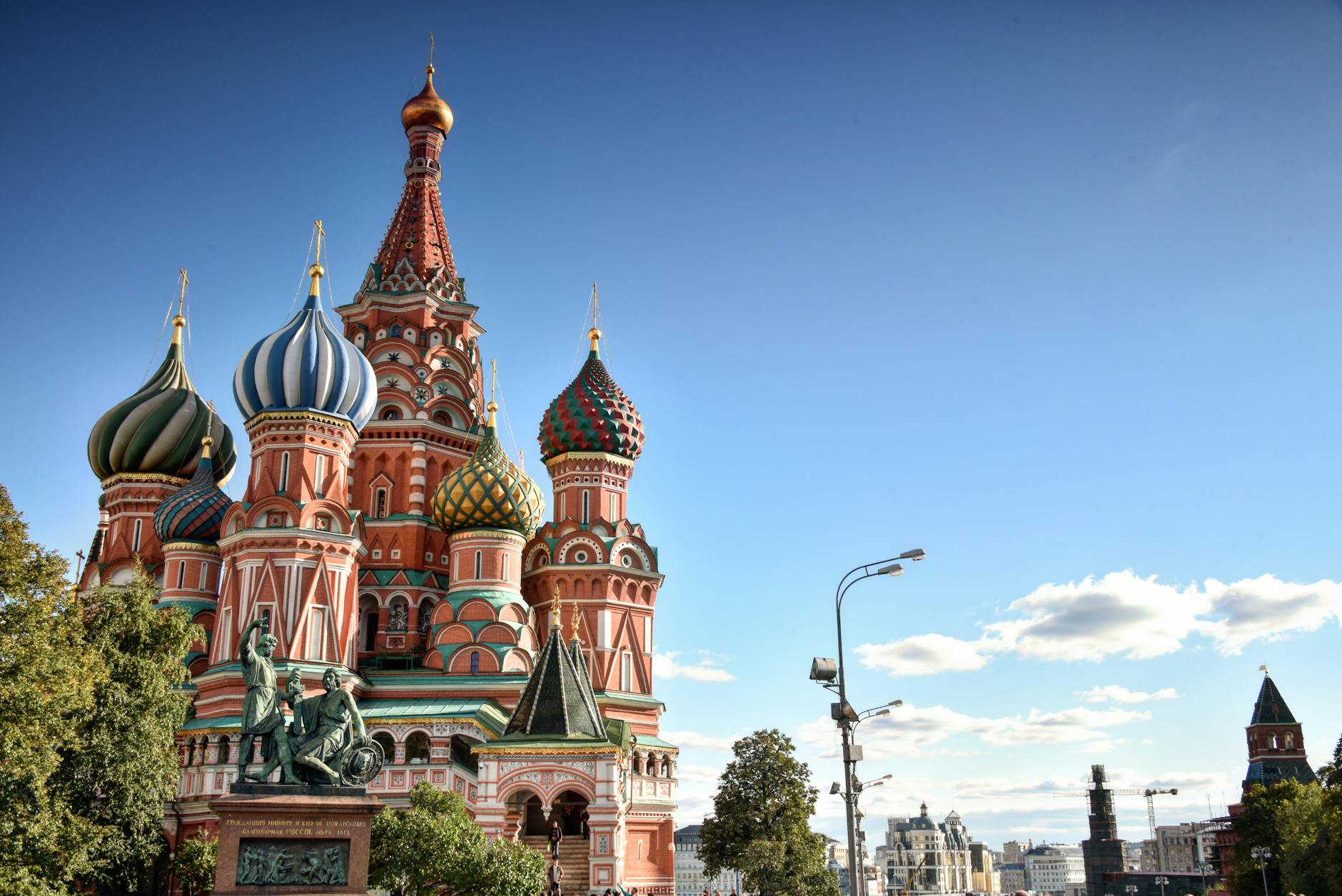
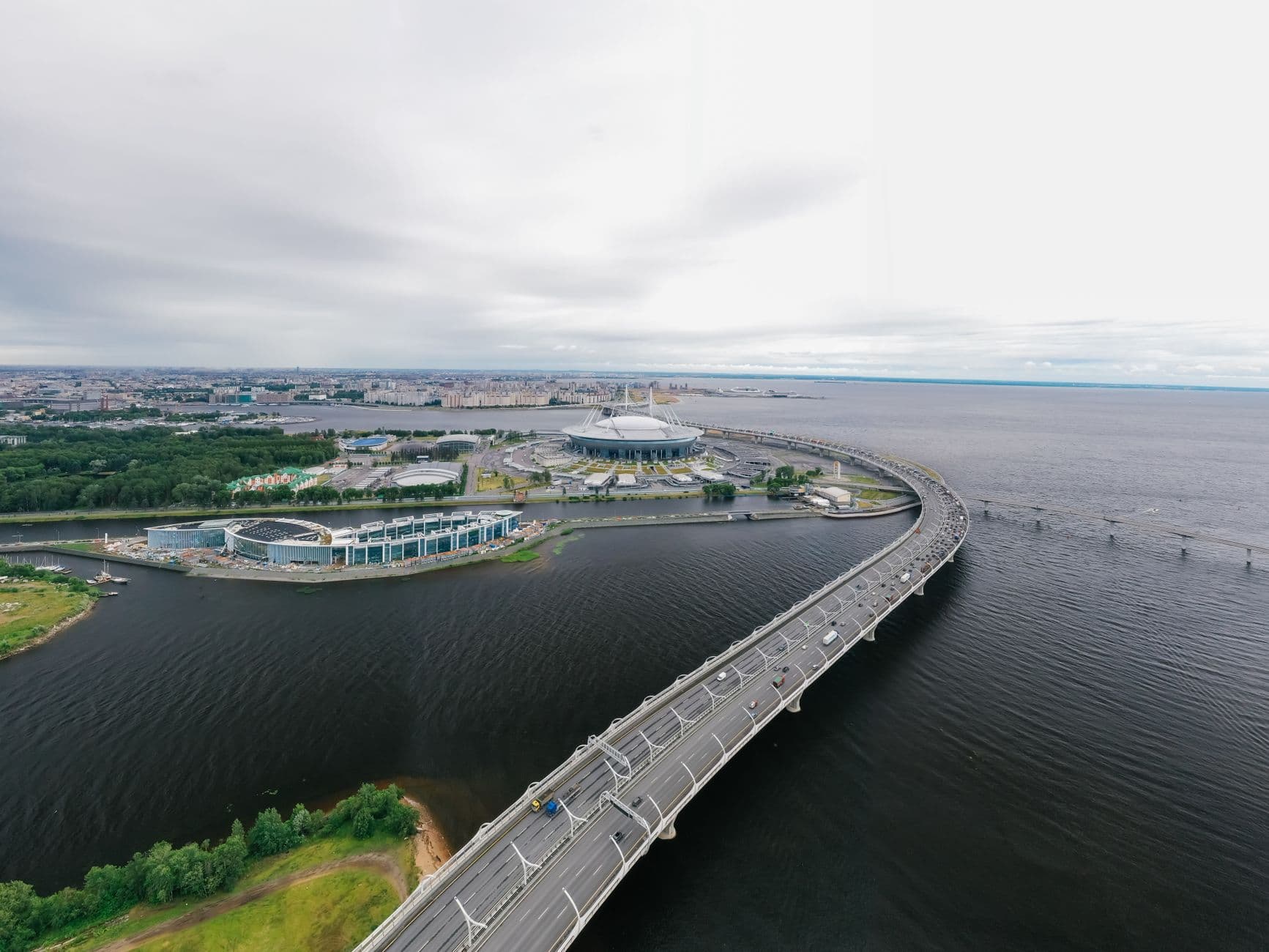
Recommendation: Start with a one-way route across Russia to learn value and gain a guarantee of predictable costs across every city. Begin in petersburg and move toward popular regional towns, using supermarkets for budget meals to keep good prices while you explore wonders.
Across every city, budget ranges depend on size and style. In petersburg, dorm beds run about 6-12 USD per night (600-1,200 RUB); private rooms 25-60 USD. In smaller towns, dorms are 5-10 USD, private rooms 20-40 USD. In Moscow, expect dorms at 15-25 USD and private rooms 40-70 USD. A typical backpackers daily budget, if you learn to cook and use public transport, sits in the exactly 25-55 USD range; allow a bit more for occasional meals out.
Food strategy: Shop at supermarkets for breakfast and snacks, budgeting about 5-12 USD per day, with inexpensive lunches at 4-8 USD and dinners around 8-15 USD if you eat out. If you prefer full meals daily in popular spots, plan 15-20 USD per meal, but you can stay well under that by cooking most days.
Transport and timing: Metro rides in major cities are typically 0.65-1.0 USD each. Intercity trains between petersburg and Moscow cost 15-40 USD one-way depending on class and booking window; night trains save on lodging and time. Buses on regional routes are usually 10-25 USD one-way. Book early to lock exactly the best prices and avoid last-minute surcharges; consider a one-way ticket if your plan allows flexibility.
Source data from trusted guides confirms these ranges, and moneylion budgeting tips help you save on currency exchanges and ATM fees. This approach highlights the magnificent variety of Russia's cities while giving backpackers a realistic budget framework to plan around, ensuring you enjoy the journey with clear numbers and wonders to discover.
Practical budgeting framework for Russia travel
Recommendation: budget for a 7-10 day trip with a daily target of 60-100 USD in smaller cities and 120-170 USD in Moscow or Saint Petersburg, using rental apartments to lock in savings and city transport passes.
- First, define your vacation style and pace. If you plan a fast city-hopping itinerary, expect higher daily costs and book fast tickets in advance; for a slower route, spread stays across 2-3 cities to maximize value.
- Accommodation strategy. Use rental apartments for stays longer than 3 nights to reduce daily expense; supplement with budget hostels for short nights. Check hostelpilot to compare options by area, layout, and class, ensuring good access to transit and markets.
- Dining and shopping plan. Favor cheaper dining options for most meals and shop at local shops for breakfasts and snacks. Reserve one beautiful dining experience per city to enjoy quality meals without blowing the budget.
- Transport and tickets. Buy long-distance tickets ahead of time for fast trains between major cities; use metro passes in cities where available; keep a wide margin for rideshares or taxis at night.
- Activity budgeting. List tours and museum entries with estimated costs; mix free activities (parks, walking routes) with paid experiences; adjust daily allocations to vary expenses without overspending.
- Daily budget template. Prepare a simple sheet with categories: lodging, dining, transport, activities, and shopping. Track actuals each evening and stay within a target range to avoid surprises.
- Contingency and learning. Allocate a 10-15% emergency buffer; if costs rise in peak season, adjust your plan across days and destinations; participate in community events to enrich vacations without inflating costs; look for deals via apps like hostelpilot and local travel sites.
You should be prepared to adapt as you learn, and you'll be pleased with how well this framework keeps expenses predictable while preserving a wide range of experiences across cities and regions.
City-cost snapshots: Moscow vs. St. Petersburg vs. regional towns
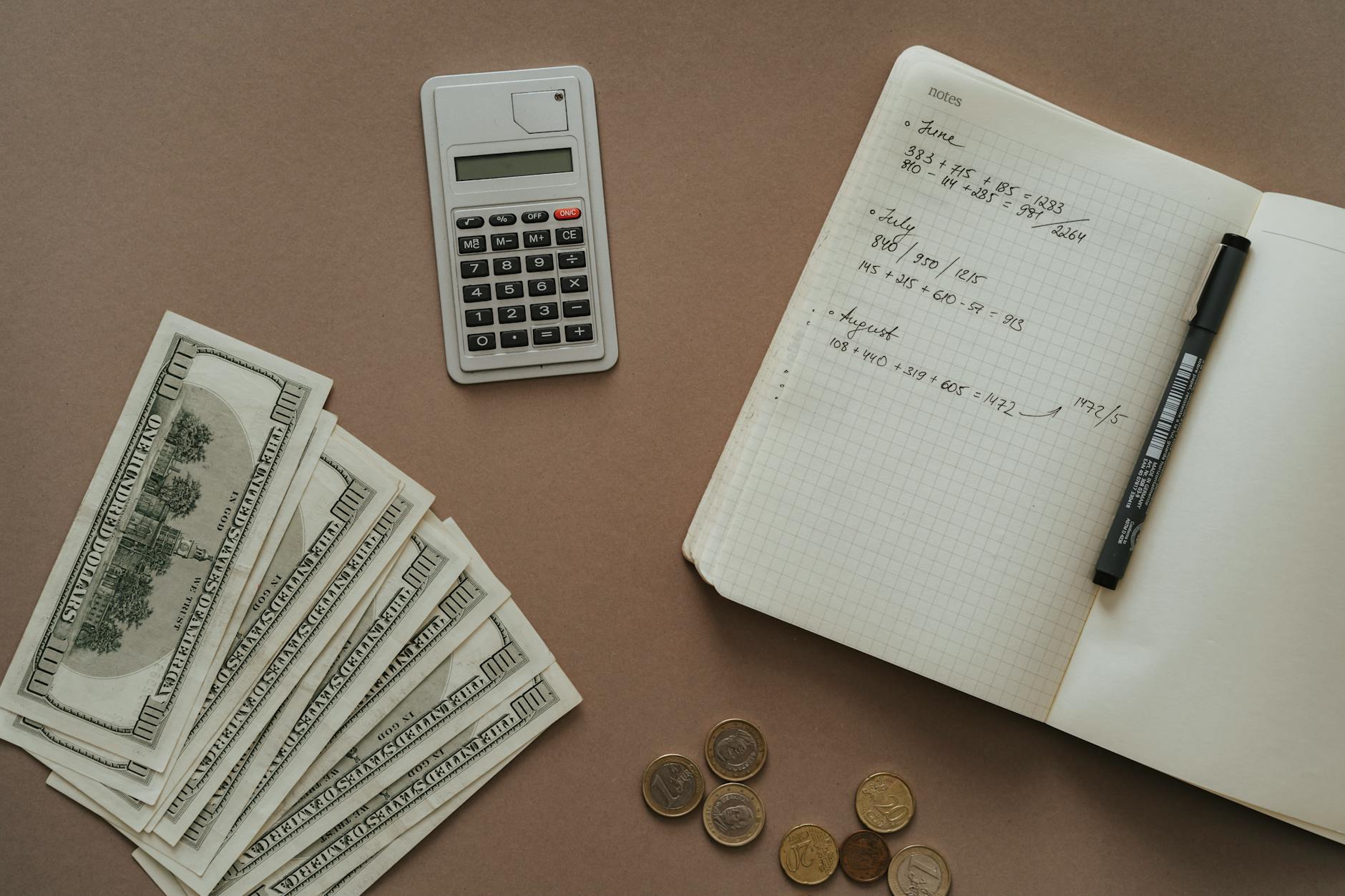
Recommendation: base your stay in Moscow or St. Petersburg for major sights, then spend a few days in a regional town such as Kazan to reduce daily costs while enjoying authentic street life and local culture.
-
Moscow
- Accommodations: midrange hotels run about 5500-9000 RUB per night; budget options start around 1500-3500 RUB; booking ahead often yields better rates.
- Living costs: street meals hover around 200-400 RUB; casual lunches 300-700 RUB; dinners 800-1500 RUB; expect a daily spend near 1500-2500 RUB for a comfortable day.
- Transport: metro fare typically 60 RUB per ride; taxis start 85-100 RUB with 24-42 RUB per extra kilometer; airport transfers 1800-2600 RUB.
- Costs by category: museums and attractions vary; plan 500-1500 RUB per site if you mix free options with a couple of paid entries.
- Booking tips: choose neighborhoods with good transit links (Tverskoy, Arbat) to keep rides short; look for bundled city passes when visiting several museums.
-
St. Petersburg
- Accommodations: midrange options commonly sit at 5000-8500 RUB per night; cheaper stays around 2500-5000 RUB in quieter areas; booking in advance helps secure lower rates.
- Living costs: street eats 180-350 RUB; casual lunches 320-700 RUB; dinners 750-1300 RUB; daily totals similar to Moscow but with occasional cheaper choices in local markets.
- Transport: metro fares 60 RUB per ride; tram and bus options inexpensive; taxis start around 90 RUB, with longer rides 150-300 RUB.
- Destination highlights: consider the Hermitage exterior views and church ferries; plan 600-1800 RUB for a couple of paid entries if you visit a couple of museums.
- Recommendation: stay near Neva river areas or Vasileostrovskiy for cost-effective access to sights and dining.
-
Kazan
- kazan snapshot: costs fall noticeably versus Moscow or St. Petersburg; midrange accommodations typically 3500-6500 RUB per night; budget options below 3000 RUB.
- Living costs: street food 150-300 RUB; casual meals 250-600 RUB; dinners 700-1200 RUB; daily spend often 1200-2000 RUB for a comfortable day.
- Transport: taxi base fares around 70-100 RUB; per kilometer rates similar to other major cities, with shorter rides easy on your wallet.
- Booking and visits: Kazan is a compact destination; pre-book iconic sites like the Kazan Kremlin if possible, but many attractions offer walk-up rates as well.
- Recommendation: mixing a few nights here with a Moscow or Petersburg stay provides a cost-effective balance of sights and culture.
-
Regional towns (examples and approach)
- Accommodations: 2500-4500 RUB per night in smaller centers; cheaper options exist in guesthouses and family-run hotels.
- Daily costs: meals 700-1300 RUB; local markets offer affordable staples; routine outings often stay under 2000 RUB per day.
- Transport: short trips by taxi or bus are cheaper; if you rent a car, fuel costs add up but provide flexibility to explore nearby sights.
- What to expect: fewer crowds, quicker queues at popular sites, and more opportunities to interact with locals on street and in neighborhood cafés.
- Providers and planning: rely on local booking platforms for lodging and transit options; save by choosing accommodations with shared kitchen facilities.
Cost discipline helps: allot a daily budget by category, compare offers on booking portals, and pick a destination mix that matches your plans. If you want to visit iconic sights in Moscow or St. Petersburg, allocate spend for high-demand days and keep regional stays for lower-cost days. For the best value, book accommodations in advance, ride public transit when possible, and leave room for spontaneous visits to local markets and streets.