Moscow ranks among the safest capital cities for travelers, but knowing emergency contacts before you need them matters. Russian emergency services operate differently from Western Europe or North America, and language barriers complicate urgent situations. This guide covers the numbers you need, what happens when you call, and where English-speaking tourists find help fastest.
The Unified Emergency Number: 112
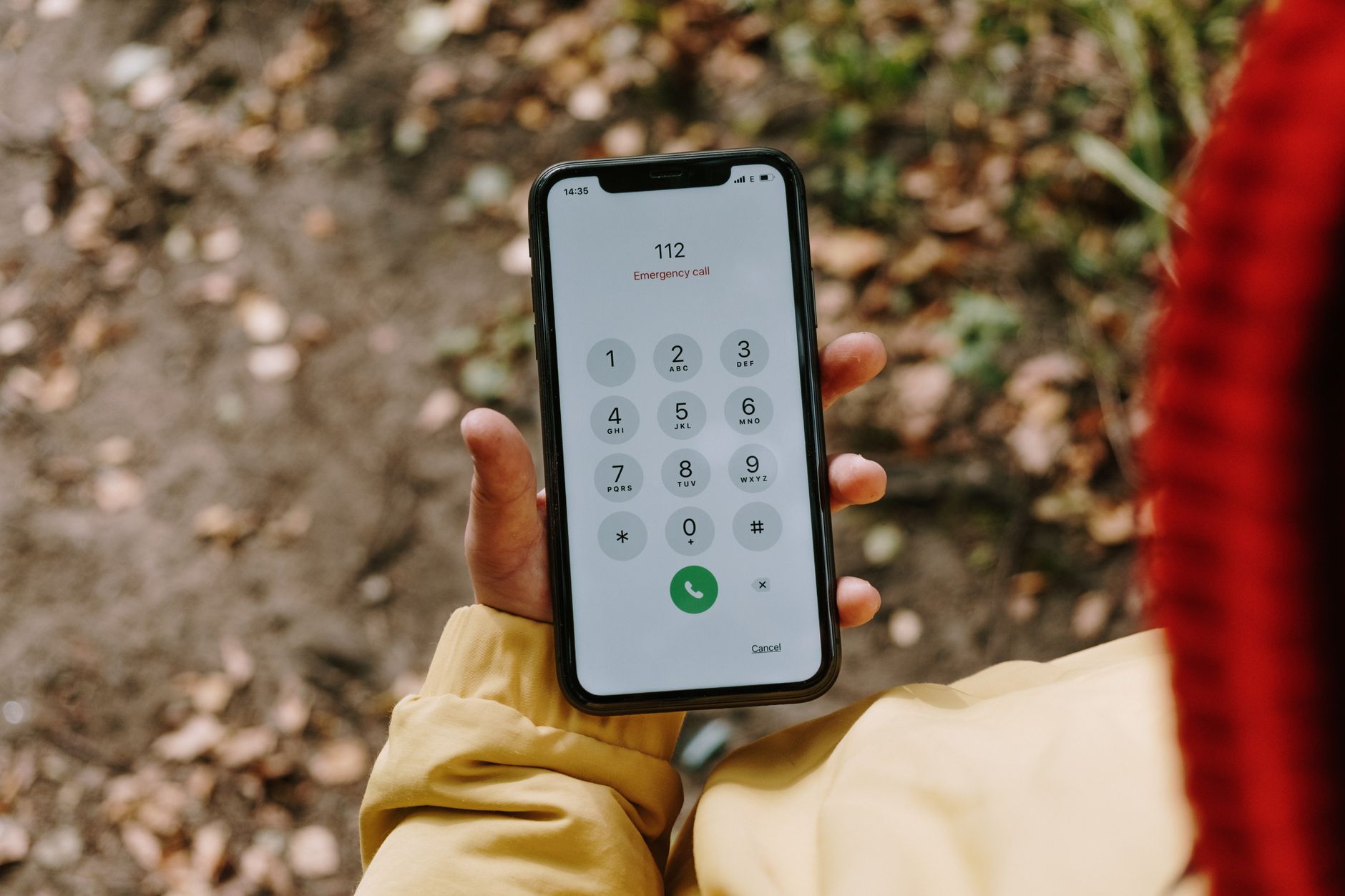
Russia introduced 112 as the single emergency number across all regions in 2017, harmonizing with the European standard. Dialing 112 from any mobile or landline connects you to a dispatch center that routes your call to police, medical, or fire services.
The system accepts calls without SIM cards or credit, and works on all Russian networks. Operators at 112 centers speak Russian primarily, but major city centers including Moscow maintain English-speaking staff during standard hours. When calling 112, state your emergency type first—medical, police, or fire—then your location with street name and nearest landmark.
Moscow's 112 centers handle roughly 15,000 calls daily across the metropolitan area. Response protocols prioritize life-threatening situations, violent crimes, and fires. Property crimes and minor incidents receive lower priority, particularly during peak evening hours when call volume doubles.
How do I contact Moscow police as a tourist?
The direct police number is 102 (or 02 from landlines). This connects to the Ministry of Internal Affairs dispatch for non-emergency police matters: theft reports, lost documents, traffic incidents, or suspicious activity.
For immediate danger—assault, robbery in progress, threats—call 112 and specify police emergency. The unified system routes urgent calls faster than the direct police line.
Moscow operates specialized tourist police units in high-traffic areas: Red Square, Tverskaya Street, Gorky Park, and major metro stations. Officers in these units receive English language training and carry translated reference materials. Look for officers with "Tourist Police" patches or ask any uniformed officer to radio the tourist unit.
When filing a police report for theft or lost documents, bring your passport, visa registration, and any photos of stolen items. Most central Moscow police stations maintain report forms in English. The process takes one to three hours. You need this report for insurance claims and embassy document replacement.
English-speaking police assistance
The Moscow police department runs a foreigner assistance hotline at +7 495 667-0300, staffed during business hours Monday through Friday. This line handles non-emergency questions about registration, visa issues, and report procedures in English.
Outside these hours, your embassy provides the most reliable English-language police liaison. Keep your embassy's 24-hour number saved separately from Russian emergency contacts.
What is the ambulance number in Moscow?
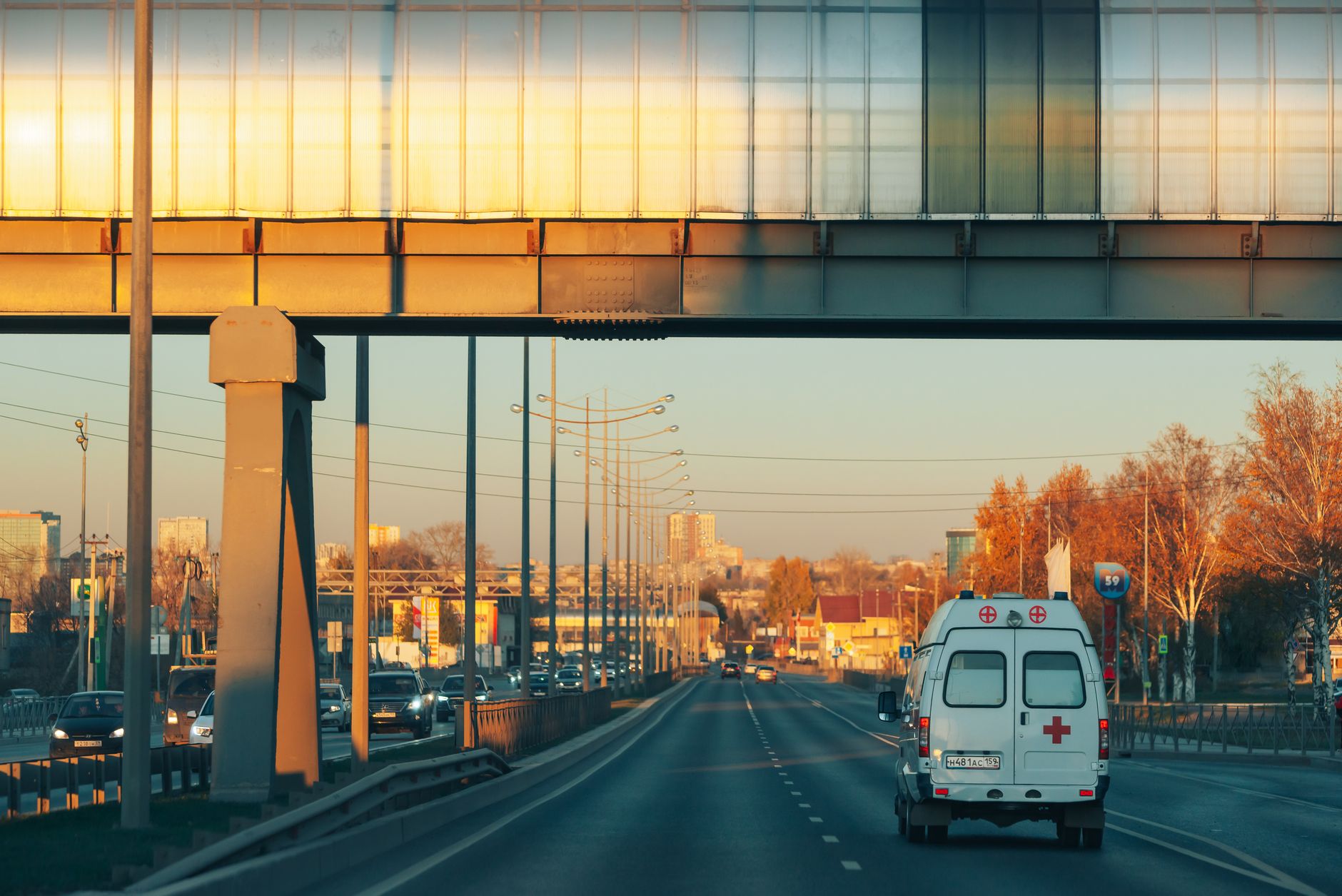
Dial 103 for medical emergencies (or 03 from landlines). This reaches the Moscow Emergency Medical Service, which operates the city's ambulance network and urgent care dispatch.
The 103 system prioritizes by medical severity. Life-threatening conditions—heart attack, severe bleeding, unconsciousness, breathing difficulty—receive priority one response with ambulances arriving within 10-15 minutes in central districts. Non-critical situations may wait 30-60 minutes, particularly in outer neighborhoods.
Russian ambulance crews expect to treat patients at the scene or transport them to state hospitals. Private clinics require separate arrangements. The service is free for all persons in Russia, including tourists, for emergency care.
Operators speak Russian primarily. If you cannot communicate in Russian, stay on the line and the dispatcher will locate an English speaker or use a translation service. State your address clearly, including building number, korpus (building section), and apartment number if applicable.
Private medical services for English speakers
Several Moscow clinics operate 24-hour English-language medical hotlines with ambulance services:
- European Medical Center: +7 495 933-6655
- American Medical Center: +7 495 933-7700
- Medsi Clinic Network: +7 495 7-800-333
These private services charge for calls and treatment—expect 5,000-15,000₽ for a callout, plus treatment costs. Travel insurance typically covers private ambulance services. Keep your insurance card and policy number accessible.
Embassy emergency contacts for tourists
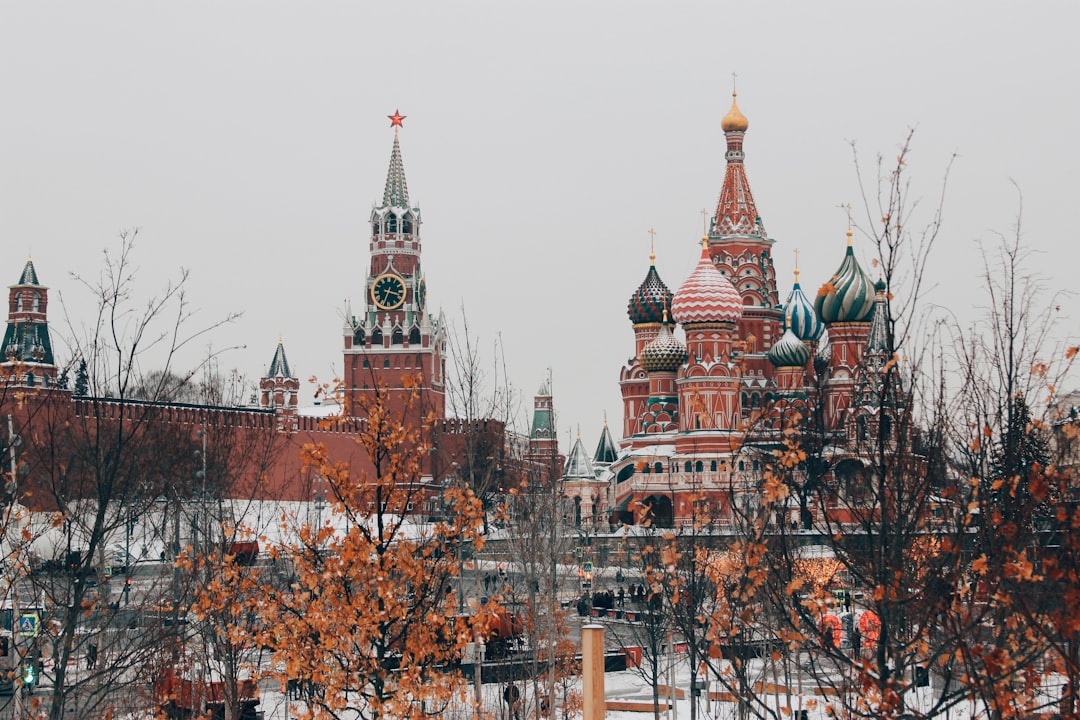
Your embassy provides the most reliable English-language emergency assistance in Moscow. All major embassies maintain 24-hour emergency lines for citizens.
Key embassy numbers:
- United States: +7 495 728-5000 (24-hour line: +7 495 728-5577)
- United Kingdom: +7 495 956-7200 (after-hours: +7 495 956-7250)
- Canada: +7 495 925-6000
- Australia: +7 495 956-6070
- Ireland: +7 495 937-5911
Call your embassy immediately if you experience:
- Arrest or detention by police
- Lost or stolen passport
- Serious medical emergency requiring hospitalization
- Death of a travel companion
- Natural disaster or civil emergency
Embassies cannot post bail, pay medical bills, or provide legal representation, but they connect you with local resources, notify family, and monitor your situation with local authorities.
Where can tourists get help with language barriers?
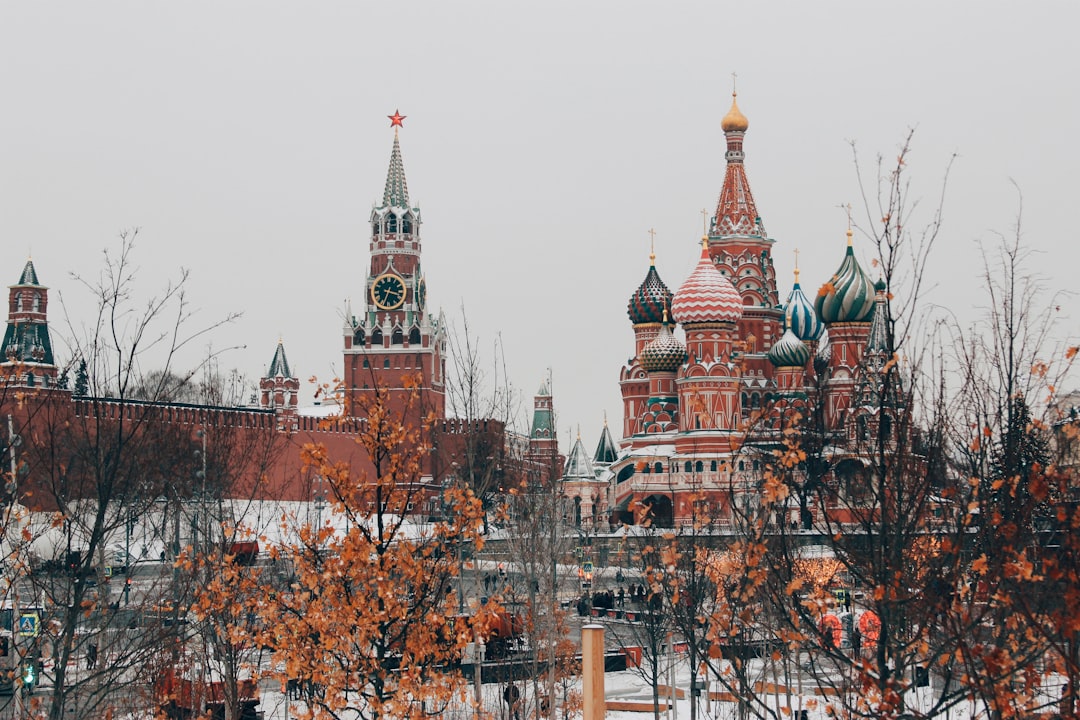
Language presents the biggest obstacle for tourists in Moscow emergencies. Most emergency operators speak limited English, and responders—police officers, paramedics, firefighters—typically speak Russian only.
The Moscow city government operates a multilingual information line at +7 495 777-7777, available in English, Chinese, German, and French from 8:00 to 20:00 daily. This service answers questions about city services and can help coordinate with emergency services if you need translation assistance.
Several translation apps work offline in Moscow emergencies. Download Google Translate with Russian language pack before travel. The app's conversation mode allows real-time spoken translation, and the camera feature translates written text instantly.
Major hotels maintain 24-hour reception desks with English-speaking staff who assist guests with emergency calls. Even if you're not staying there, hotels like the Ritz-Carlton Moscow, Four Seasons, and Metropol typically help tourists in genuine emergencies.
Common mistakes tourists make in Moscow emergencies
Waiting too long to call for help ranks as the most frequent error. Russian emergency services respond faster than many tourists expect, but only if contacted promptly. Minor situations escalate when visitors try to resolve issues alone first.
Another common problem: providing incomplete addresses. Moscow addresses require building number, street name, and often korpus or stroenie (building section). The phrase "near Red Square" or "on Tverskaya" covers kilometers of territory. Use maps to identify your exact location before calling.
Many tourists assume all emergency services speak English. While Moscow maintains better English coverage than other Russian cities, most frontline responders speak Russian only. Keep your hotel's business card with Russian address, or save key phrases in Russian on your phone.
How do I report non-emergency problems in Moscow?
For situations requiring police documentation but not immediate response—pickpocketing several hours ago, lost wallet, minor traffic accident with no injuries—visit the nearest police station rather than calling emergency lines.
Central Moscow police stations with frequent tourist traffic:
- Tverskoy District: Petrovka Street 38
- Arbat District: Denezhniy Pereulok 9
- Zamoskvorechye District: Bolshaya Ordynka Street 23
Bring your passport, visa, and migration card. Most stations have English report forms available on request. The process takes one to three hours depending on the incident type and current station workload.
For lost passports, visit your embassy first before filing a police report. Embassies provide specific documentation requirements for replacement documents, and the police report must match embassy specifications.
Credit card and phone emergencies
Report stolen or lost credit cards immediately to your bank's international line. Major card networks maintain 24-hour emergency services:
- Visa: +1 303 967-1096 (collect calls accepted)
- Mastercard: +1 636 722-7111
- American Express: +1 336 393-1111
For lost or stolen phones, contact your provider immediately to suspend service. If your phone contained payment apps or banking access, freeze those accounts first through your bank's website or international hotline.
The service can transfer your pass to a replacement device or provide temporary paper documentation for pre-booked attractions.
Safety resources and prevention tips
The safest approach to Moscow emergencies is avoiding them. Moscow's violent crime rate remains low for a city of twelve million, but property crimes target tourists in predictable patterns.
Pickpockets concentrate in metro stations—particularly Komsomolskaya, Kievskaya, and Belorusskaya—and crowded tourist areas like Red Square and Arbat Street. Evening rush hours between 17:00 and 19:00 show the highest incident rates. Keep valuables in front pockets or bags held in front of your body.
Taxi scams at airports and train stations continue despite increased regulation. Book transfers through GetTransfer.com before arrival to avoid unlicensed drivers charging inflated rates or taking circuitous routes. Official Yandex Taxi and other licensed services display clear identification and use meters.
Avoid street money changers entirely. The official exchange rate at banks or exchange offices differs from street offers by only small margins, while street changers frequently use sleight-of-hand or counterfeit notes. Banks and exchange kiosks inside metro stations provide secure transactions.
Winter ice presents a genuine hazard. Moscow pavements become treacherous from November through March. Wear boots with good traction, walk slowly on icy surfaces, and use handrails on metro escalators. The city's emergency rooms treat dozens of tourist slip-and-fall injuries daily during winter months.
What should I keep in my phone for emergencies?
Save these contacts before your trip:
- 112 (unified emergency)
- Your embassy 24-hour line
- Your hotel reception desk
- Your travel insurance emergency assistance number
- Your bank's international fraud line
- A trusted contact back home
Screenshot or save offline:
- Your hotel address in Russian and English
- Your passport information page
- Your visa and migration card
- Your travel insurance policy number and coverage details
- Prescription medication names in Russian (if applicable)
Enable your phone's emergency contact feature so responders can reach your designated person even with a locked screen. Set this to someone who speaks English and knows your travel plans.
Download offline maps for Moscow before arrival. Google Maps and Maps.me both function without data connection, allowing you to share your location with emergency services even if your SIM card fails or you lose mobile coverage.
Most Moscow emergencies resolve quickly with proper preparation. Tourists who save key numbers, keep documents accessible, and know basic procedures spend less time managing problems and more time enjoying the city's remarkable museums, theaters, and historic sites.
If you're planning activities around Moscow, GetExperience.com offers tickets and tours with customer support available in English. Having reliable local contacts makes any trip smoother, whether you're booking a Kremlin tour or simply need directions to the nearest pharmacy.