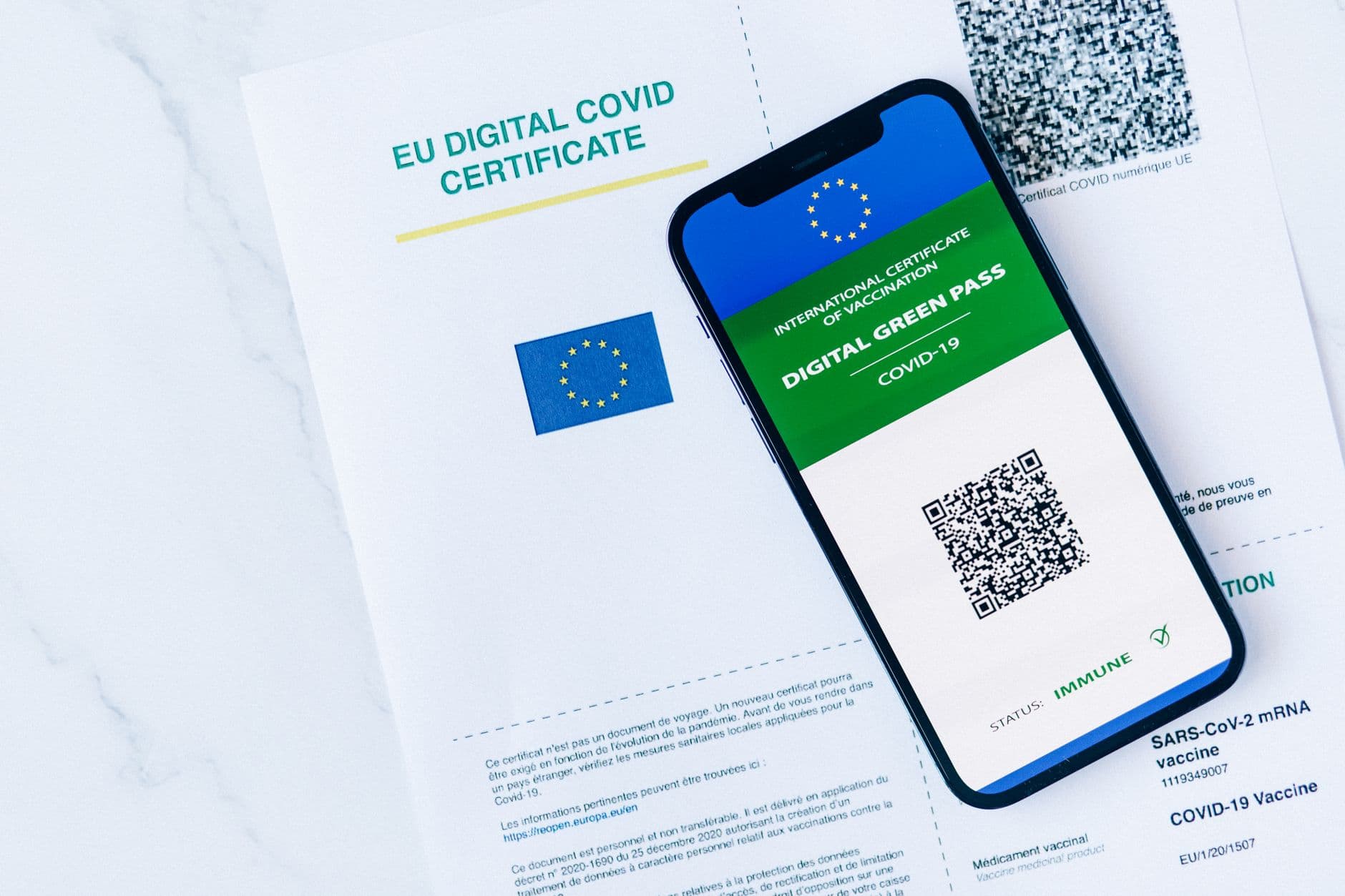
If you plan to enter Russia without a visa in 2026, there is a new step before you pack. Since 30 June 2025, foreign travellers arriving visa-free are expected to pre-register in the RuID app, submit an electronic pre-arrival application at least 72 hours before arrival, and cross the border with a personalised QR code. This is separate from a visa and separate from the stamp-and-fingerprint checks you go through at passport control. Here is how the system works, who it applies to, and what you actually have to do.
Rules described here reflect official and legal sources current as of mid-2026. Border policy in Russia changes quickly — confirm the details for your nationality with the Russian embassy or consulate that serves you before you travel.
What is the RuID app?
RuID is Russia's digital gateway to government services for foreigners — from planning a trip through to full digital identification once you are in the country. For a short-stay visitor, the part that matters is the pre-arrival application: you create a profile, upload your data, and receive the QR code that authorises your visa-free entry. The app is tied to the Gosuslugi state-services platform.
Think of it as Russia's version of an Electronic Travel Authorization (ETA) — the same category of pre-clearance that a growing number of countries now run. You are not getting a visa. You are telling the border authorities you are coming, before you show up.
Who needs an ETA / RuID registration?
The requirement targets visa-free travellers — citizens of countries that have a visa-waiver agreement with Russia and who arrive for a short stay. It applies whether you enter by air, land or sea.
You do not need it if you already hold a Russian visa (including a unified e-visa) or a residence permit — those travellers are covered by a different process. Certain categories are also exempt; the exemptions are set by Russian authorities and are worth checking against your own passport.
A quick way to place yourself: if you would otherwise be booking a visa, the ETA is not your route — see who needs a visa to enter Russia. If you are on the visa-free list, the ETA almost certainly is. Our visa-free entry guide covers who currently qualifies.
Is it mandatory?
The programme launched as a border-control experiment. Since its start on 30 June 2025, Russian consular missions and immigration-law advisers have described the electronic pre-arrival application as a requirement for visa-free entrants: no QR code, no smooth entry. Treat it as mandatory and file it on time rather than gambling at the border.
That said, the rollout is still bedding in and coverage varies by port of entry and nationality. This is exactly the kind of rule that gets tweaked mid-year. The safe move is boring: apply early, keep the QR code on your phone and printed, and read your own consulate's page the week you fly.
How to apply — step by step
- Install RuID and start a profile at least a few days before departure. You can submit the application up to 90 days ahead; the hard floor is 72 hours before your planned entry.
- Enter your passport details and travel plan — dates, point of entry, purpose, where you are staying.
- Complete the biometric and identity steps the app asks for. Applications of this kind typically request a selfie, photos of your passport pages, and a short voice sample.
- Receive your QR code. It is your entry authorisation — save it offline, because airport and border Wi-Fi is not something to rely on.
- At the border, present the QR code alongside your passport. You will still go through standard passport control, where fingerprints or a photo may be taken.
ETA vs e-visa vs registration — don't mix them up
Three things get confused constantly. They are different stages:
- ETA / RuID QR code — pre-arrival clearance for visa-free travellers. File at least 72 hours out; the authorisation is tied to your trip.
- Unified e-visa — an actual visa for nationals who are not visa-free. It is valid 120 days from issue and you apply no earlier than 86 days before travel, through the official e-visa portal. Different document, different applicants.
- Arrival and migration formalities — the passport-control checks and migration-card/registration steps that happen at and after the border. We cover those in arrival procedures in Russia.
The ETA does not replace any of the second or third items. It is one more layer, added at the front.
Practical tips for a clean entry
Book your airport transfer and first night's stay before you file, so the application's "where are you staying" and "how are you arriving" fields match your real plans — a private GetTransfer car from the airport, for example, gives you a fixed pickup you can point to. Apply on a laptop-and-phone combo if the app is fussy. And build a buffer: if your QR code has not arrived 24 hours before departure, you want time to chase it, not a panic at check-in.
FAQ
Do I need the RuID app if I have a Russian e-visa?
No. The ETA/RuID pre-arrival application is for visa-free travellers. If you hold an e-visa or any other Russian visa, you enter on that document.
How far in advance can I apply?
Up to 90 days before your trip, and no later than 72 hours before your planned entry. Filing early is the low-stress option.
Is there a fee?
Fees and exact steps are set by Russian authorities and can change; check the official RuID/consular guidance for your nationality before you apply, and never pay a third-party "agent" more than the official channel charges.
What data does the application ask for?
Expect your passport details, travel dates and point of entry, and biometric identity steps — commonly a selfie, passport-page photos and a voice sample.
Does the QR code replace passport control?
No. You still clear passport control on arrival, where fingerprints or a photo may be taken. The QR code authorises the trip; it does not skip the physical checks.