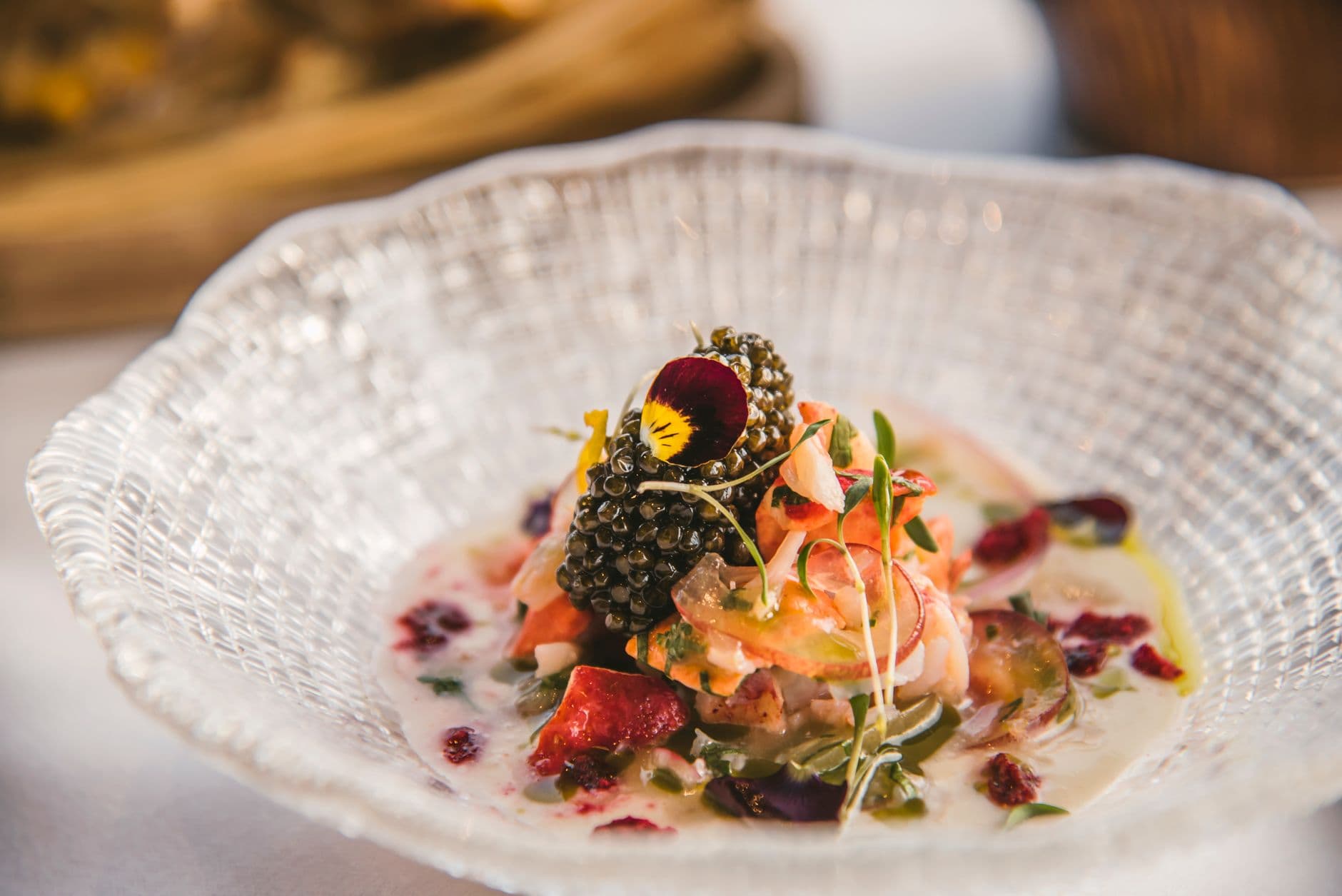

Begin tasting with a single spoon on a blini topped with a light dab of local cream. For them, this guide examines a highly coveted roe from sturgeon, a delicacy signaling household prestige among discerning diners. Its texture glides across palate, delivering a salt-kissed, clean fish finish that few other foods can match.
Roe types vary by origin; among benchmarks, ossetra stands out for bubble size and a nutty aroma. For black pearls, texture trends creamy and for other varieties, briny and firm. Using a spoon of mother-of-pearl heightens aroma retention; keep portions on ice, and present near a salad or small greens to provide contrast. In forest market stalls and household kitchens alike, this indulgence signals exclusive opulence. Here, pairing with subtle flavors keeps opulence in balance.
Supply remains scarce, sourced from a handful of historic fisheries. Typical price range hovers around 4,000-6,000 USD per 100 g, depending on vintage and grade. Prices drift with supply, while some shipments reach higher levels at auction. When planning an event, consider a modest 20-30 g portion to deliver impact without overwhelming guests.
Pairings emphasize clean contrasts: cucumber slices, blini rounds, and a light mousse of sour cream. Note that this is roe, not meat, a nuance guests often overlook. For a guided tasting, run a two-step sequence: first a plain sample, then a minimal bite with a brush of egg yolk and a crisp sparkling drink. This approach highlights texture shifts from oily to creamy while preserving fish notes.
In practice, shoppers should verify provenance documents, ensure cold chain integrity, and request a local supply note from vendors. Sometimes youre curious about origins. Acknowledge that demand for this rare item may appear weird to casual crowds, yet discerning households keep returning for a slice of unmatched luxury in foods.
Almas Caviar: Overview and My Russian Culinary Journey
Begin with a first tasting at 0-2°C; portions small to appreciate delicate texture and salty aroma. Recommend pairing on lightly salted buttered blini with a dollop of cultured cream; mayonnaise should be avoided to preserve purity.
Region of origin features mother roe from huso sturgeon produced under strict regulations; rarity informs profiles and price. Local producers in european waters emphasize controlled production and careful handling, reflecting regional folklife and craft.
Need careful storage and transport; fragile roe loses texture when exposed to heat or light. Over ice packs, maintain 0-2°C during service.
- Flavor profile: delicate texture, mineral notes, and salty aftertaste; yellow sheen on some eggs; mushroom notes may appear in certain pairings.
- Production context: huso origin, producing methods rely on low-temperature handling; initial steps include careful selection of mother roe; regulations govern packaging and storage.
- Serving and pairings: simple accompaniments like blini, cultured butter, and sour cream; soup courses or cold appetizers should remain light; avoid mayonnaise in most presentations.
- Regional and folklife aspects: european roots, local traditions, which inform profiles and consumer expectations; past practices shape their current norms, with female-led studios contributing to careful handling.
- Regional tasting notes emphasize rarity and luxury; picking from a curated set of producers helps avoid overpay while enjoying quality.
- Consumption tips: come prepared with a proper neutral spoon (mother of pearl recommended) to keep flavors in focus.
- Storage note: keep past production dates in mind; choose shorter-aged jars when possible for fresher initial impression.
- Enjoying local samples over this region's culinary landscape offers insight into authentic traditions and their evolving regulations.
What makes Almas unique among caviars
Looking for a crown jewel among egg delicacies? Serve a single bead at room temperature to reveal aroma and silky mouthfeel.
Origins trace back to a strict habitat in waters near russia's Caspian basin, where beluga sturgeon mature under careful regulations. Annual yield remains highly restricted, which sustains rarity and status on menus worldwide.
Distinctive color leans toward warm yellow ivory; beads are large and lustrous, with a flavor that sits between buttered cream and mushrooms. Notes of dill and beetroot appear in delicate finish, sometimes hinting at raspberry brightness.
Texture delivers an intricate melt, with highly refined mouthfeel. Flavor is highly distinctive, carrying a long, clean finish that avoids harsh aftertaste. Between Kaluga and other varieties, this roe stands apart in size, color, and quiet magic.
Packaging often uses lacquered tin or gold-plated containers, drawing attention to presentation as much as taste. Rare production rounds off profile, stacking stories of lineage, and regulations that limit supply.
Serving style favors restraint: keep palate clean, pair with a light soup or consommé to highlight flavor while staying neutral on crackers. Avoid mayonnaise and heavy sauces. Garnish with grated beetroot and dill; a few mushrooms provide texture without masking essential notes; raspberry hints can surface in longer finish, linking to terroir and harvest location.
Stories of tradition surround this elite roe, weaving a sense of magic into tasting rituals. Looking beyond price, this delicacy reflects strict regulations, careful habitat protection, and a veneration of scarcity rooted in russia's Caspian coast.
Production: from sturgeon eggs to the 24k tin packaging
Recommendation: keep roe at 0-4°C, use a mother-of-pearl spoon, and avoid metal contact to preserve delicate aroma and texture; present in small portions to highlight its golden hue.
Considering traditions, eluga sturgeon roe starts with careful selection from mature females raised in controlled river-farm environments. After spawning, eggs are detached, washed, and gently separated into layers by size and color. Then first-grade grains are sorted into a limited assortment, with golden hue appearing in outer layers. Little eggs are rejected for inconsistency; picking is done by hand with credited expertise spanning years. Salt brining is steep and precise: about 2-3% salt by weight, then rinsed to stop the brine; this yields a clean, creamy texture and a taste derived from nutty, oceanic notes and butter-like finish.
Placed into tins, the roe rests in golden containers designed to preserve aroma; 24k packaging marks limited runs, elevating prestige and ensuring quick recognition on a menu. Packaging uses airtight seals and dark interiors to guard against oxidation; russian traditions inform the craft, while a careful outer presentation communicates luxury to gourmets and collectors alike. Unopened storage stays stable for years in a cool chamber; once opened, consumption should occur within days to maintain texture and taste.
In sensory notes, the final product delivers a velvet mouthfeel with a derived, buttery taste and a saline finish; on first contact, a delicate pop releases a multi-layered aroma. It reads like a soup of flavors, where forest mineral hints mingle with river brine. The variety of grades is small, making each batch limited and highly credited among connoisseurs; youve probably seen such items placed at the top of russian luxury menus, where this ambassador sample would actually anchor a classic tasting. If youre shopping, note that prices would increase with provenance, and that first-class lots come from years of disciplined practice and having traditions.