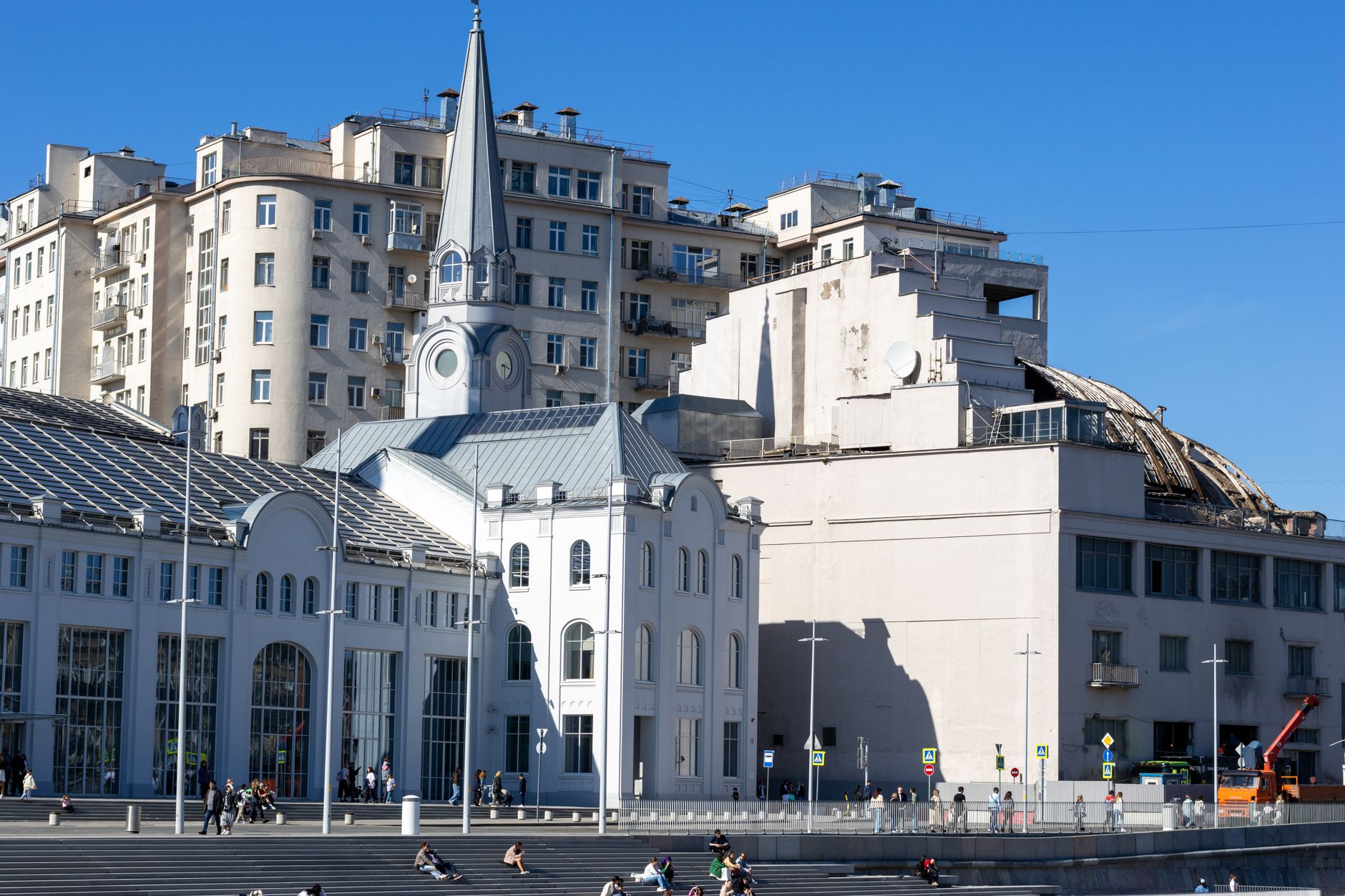
Kolomenskoye estate transformed into an open-air architectural museum during the Soviet period when authorities relocated threatened historic structures from demolition sites across Moscow and beyond. The slope and surrounding grounds now display wooden churches, fortress towers, royal gateways, and even Peter the Great's childhood home — all moved beam by beam to this southern Moscow refuge.
Walking through these relocated structures feels like stepping through a portal into pre-revolutionary Russia. Each building carries stories of its original location and the sometimes-dramatic rescue that brought it here.
Peter the Great's Cabin from Arkhangelsk
The most famous relocated structure sits near the main palace complex: a modest wooden cabin where Peter I lived in 1702 while overseeing shipbuilding in Arkhangelsk. Soviet authorities transported this pine-log dwelling 1,200 kilometers south to Kolomenskoye in 1934.
The cabin measures just 60 square meters across three rooms. Guides point out axe marks still visible on the hand-hewn logs; Peter is said to have helped build sections himself. The low doorframes forced the two-meter-tall tsar to duck constantly, which the guide said he preferred because it reminded him to stay humble.
Original furnishings didn't survive the journey, but period replicas show the spartan lifestyle Peter chose during his northern campaigns. A small iron stove, a rope bed, and a writing desk fill the main room. The cabin opens May through September, Tuesday to Sunday 10:00-18:00. Entry costs 250₽ for adults.
Which Historic Gates Stand at Kolomenskoye?
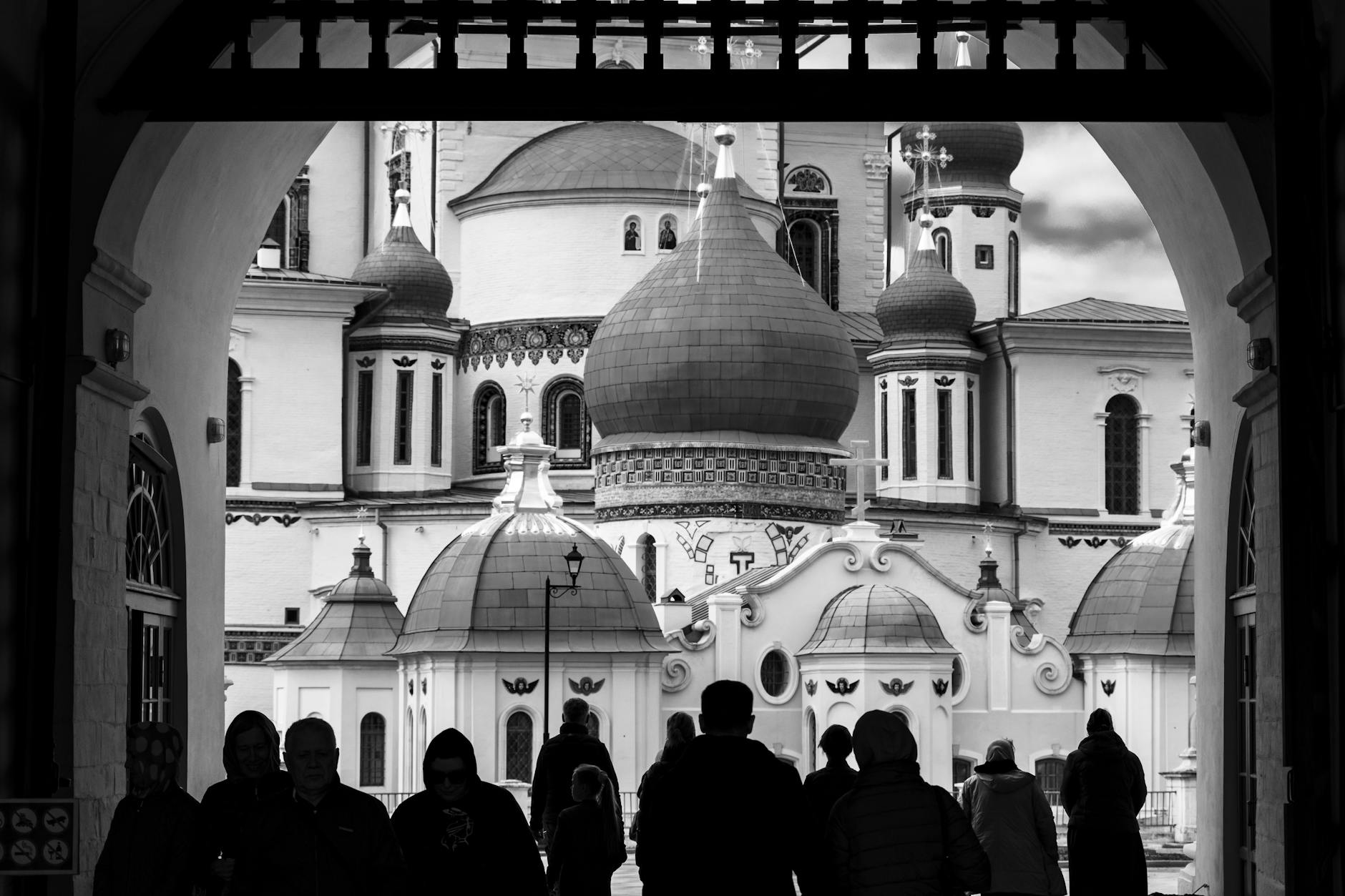
Four monumental gates from demolished Moscow fortifications now guard different sections of the estate. Each represents a distinct architectural period and defensive philosophy.
The Nikolsky Gate arrived from the Nikolo-Korelsky Monastery near Arkhangelsk in 1932. This 17th-century structure features traditional Russian kokoshnik gables and was part of a monastery complex that faced demolition during anti-religious campaigns. Its thick walls still show slots where wooden defensive beams once slid into place.
The Bratsk Tower came from a Siberian fort on the Angara River in 1959. This watchtower represents the earliest type of Russian wooden fortification used during Siberia's colonization in the 1650s. The structure stands 15 meters tall with rifle ports at three levels. I climbed the internal ladder during my October visit and counted 43 narrow slits designed for musket fire — each angled to cover blind spots in adjacent towers' fields of fire.
Two gates from the Sumy Regiment fortress in Ukraine joined the collection in the 1970s. These squat, heavily timbered structures show how military architecture adapted to steppe warfare where cavalry attacks replaced siege tactics.
The Wooden Churches Rescued from Flooding
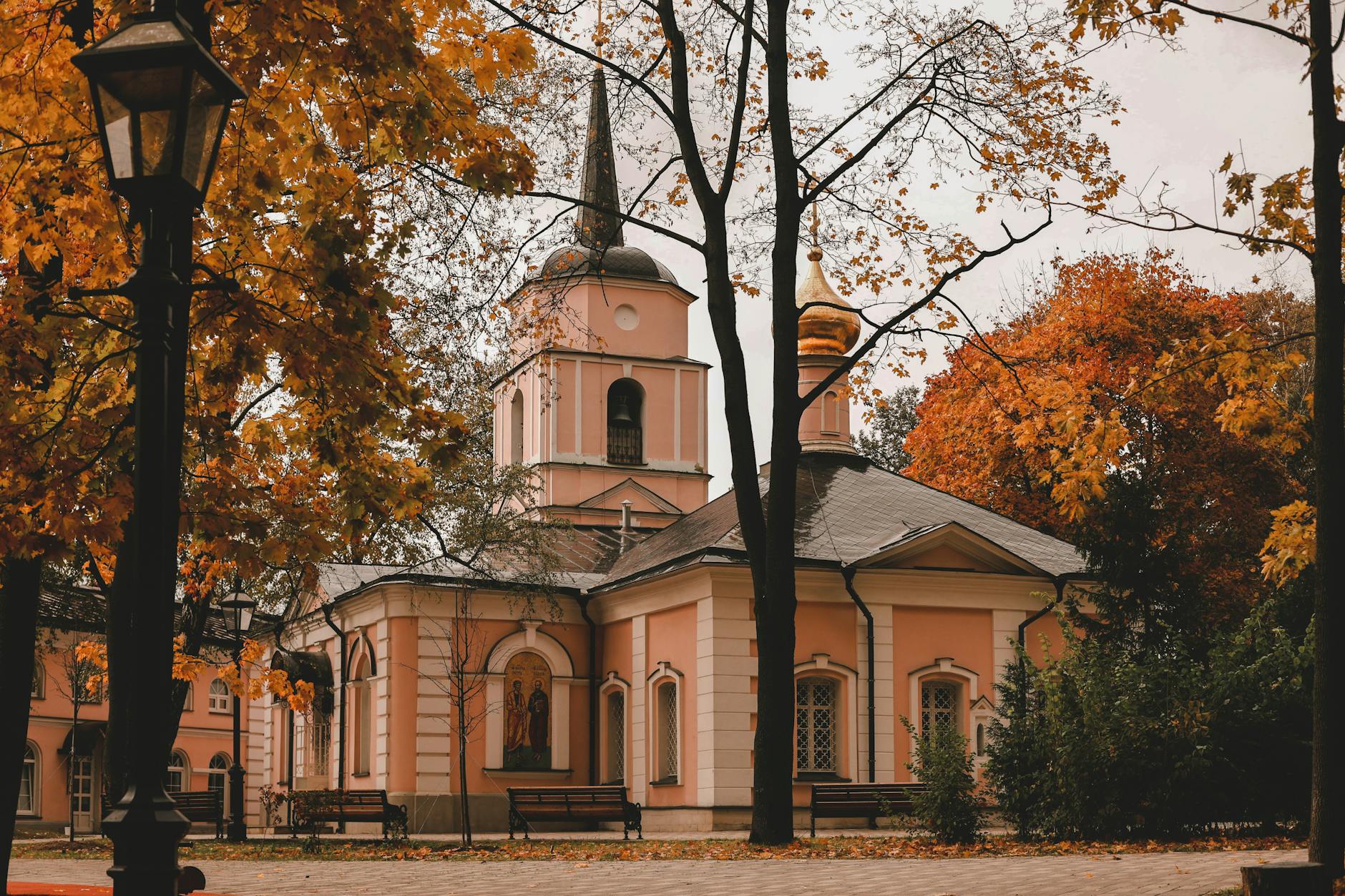
Three wooden Orthodox churches dominate the museum's religious architecture collection. Each faced destruction from reservoir construction projects that would have submerged their original sites.
The Church of the Nativity of the Virgin from Peredelkino arrived in 1927. This 16th-century structure originally served a small village west of Moscow before the Setun River reservoir project threatened it. The church features a tent-style roof rising 28 meters — a design banned by Patriarch Nikon in 1653 but preserved here as an example of pre-reform architecture.
The Church of St. George the Victorious traveled from the Arkhangelsk region in 1931. Built in 1685 without a single metal nail, it uses traditional joinery where logs interlock through precisely cut notches. The iconostasis inside holds 17th-century icons from the original church, though humidity damage required restoration work completed in 2019.
The Kazan Church from the village of Kolomenskoye (confusingly sharing the estate's name) represents a different architectural approach. This 1649 structure uses vertical planking instead of horizontal logs, creating a lighter appearance. When restoration teams dismantled it for relocation in 1936, they numbered each plank — those chalk numbers remain visible on interior walls today.
What Happened to the Mead Brewery?
A 17th-century mead brewery from Preobrazhenskoye village operates as a working museum during summer months. The two-story wooden structure housed the fermentation process that produced medovukha, a honey-based alcoholic drink popular before vodka dominated Russian preferences.
The ground floor contains massive oak vats where honey, water, and berries fermented for six to eight weeks. Original copper pipes still connect the vats to a brick heating stove that maintained precise temperatures. The upper floor stored finished product in clay vessels sealed with beeswax.
Demonstrations run June through August on weekends at 13:00 and 15:00. A costumed brewer explains the process and offers samples of modern medovukha (18+ only). The demonstration costs 400₽ including the tasting.