Here's the confusion: Lenin's Mausoleum charges nothing for entry. You walk up to Red Square, join the queue, and see the preserved body of Vladimir Lenin for free. So why would anyone consider a paid pass for a zero-ruble attraction?
The short answer is that the Mausoleum rarely exists in isolation on a Moscow itinerary. The Mausoleum queue and the Armoury's timed sessions collide easily: a long wait at one can put the other out of reach for the day. They saved 0₽ on Lenin but lost 1,500₽ in potential time and Kremlin access.
This guide examines how the Mausoleum fits into a multi-day plan, and how to navigate the surrounding attractions efficiently.
What to See Near Red Square?
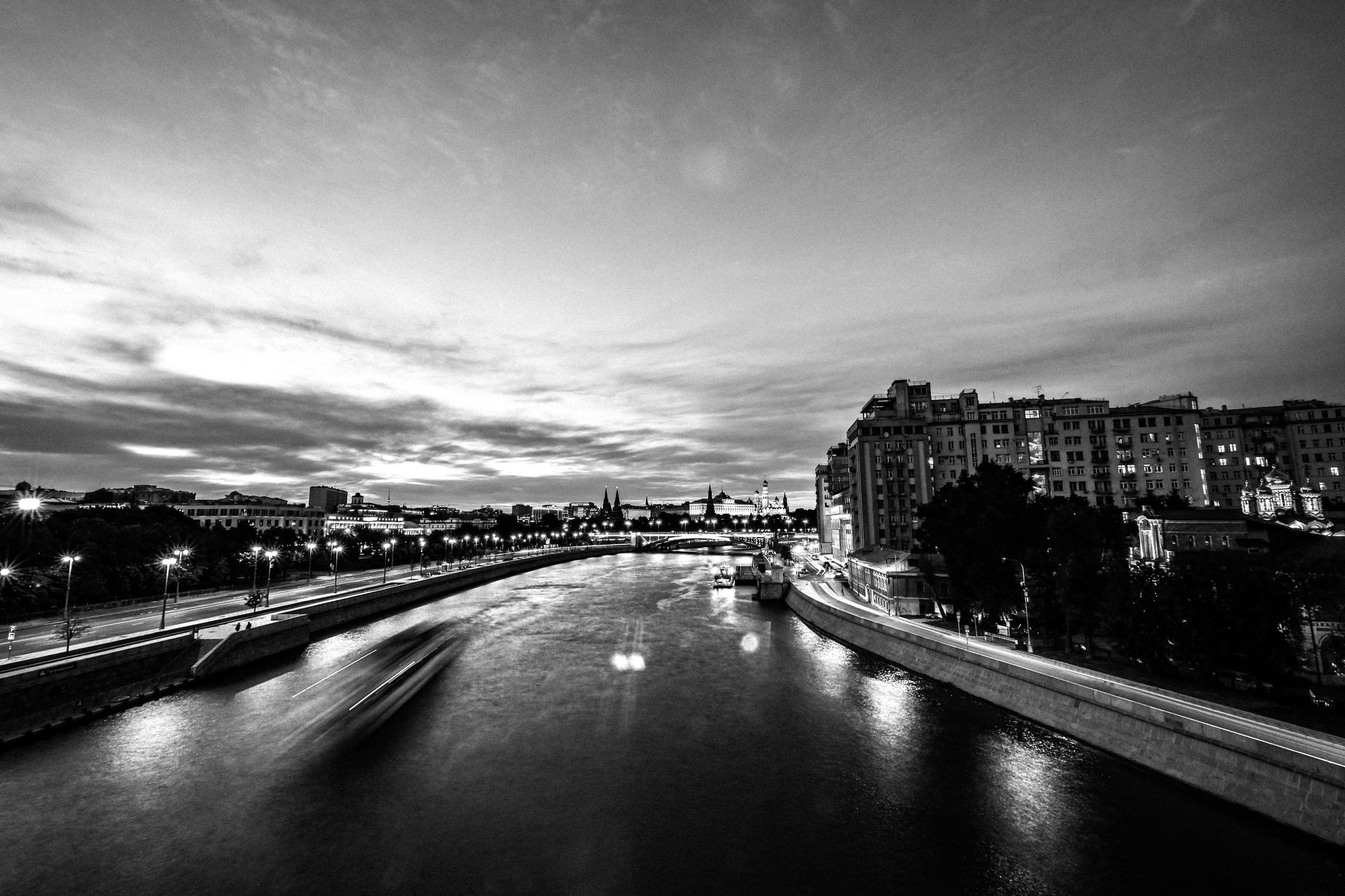
The Red Square cluster includes the Kremlin museums, the Armoury Chamber, and the Diamond Fund. You'll likely hit Tretyakov Gallery or Gorky Park on the same trip.
There is no special access to Lenin's Mausoleum. Nobody gets priority here. The Soviet-era protocol still applies: everyone queues, everyone enters free, everyone follows the same rules (no photos, no talking, no bags larger than a small purse).
The Kremlin complex alone runs 1,000₽ for the territory ticket plus 1,500₽ for the Armoury. The State Historical Museum on Red Square costs 500₽. GUM's rooftop tour is 1,200₽. If you book these separately, you're at 4,200₽ before adding metro cards or the transfer from Sheremetyevo Airport.
How Long Is the Lenin's Mausoleum Queue, Really?
Queue time varies wildly by season and day of week. The Mausoleum opens Tuesday, Wednesday, Thursday, and Saturday from 10 am to 1 pm. It closes on Mondays, Fridays, and Sundays.
In summer (June through August), expect 60 to 90 minutes on weekdays, up to two hours on Saturdays. The line starts forming by 9:15 am. Security checks are strict: you'll pass through metal detectors, and guards confiscate anything larger than a small handbag.
I went on a Thursday in early March at 10:30 am. The queue took 38 minutes from the Alexander Garden entrance to the Mausoleum door. The actual viewing inside lasted four minutes. You walk down a staircase, view the body in dim red light, and exit. No stopping, no lingering.
Winter (November through February) cuts wait times to 20-40 minutes on weekdays. Saturdays still hit 60 minutes because that's when Russian families visit. The cold is the real enemy: temperatures drop to -15°C, and the queue offers no shelter.
One mistake I see often: tourists arrive at 12:45 pm thinking they'll squeeze in before 1 pm closure. The guards stop admitting new visitors by 12:30 pm, sometimes earlier if the queue is long. Plan to be in line by 11 am at the latest.
Visiting the Kremlin Efficiently
The Kremlin ticket office on Red Square opens at 9:30 am. By 10 am on summer weekdays, the wait for Armoury tickets reaches 45 minutes. By 11 am, same-day Armoury slots often sell out.
It is advisable to book Kremlin tickets in advance online or purchase them the day before. You will still need to queue at the Kutafya Tower entrance.
The Armoury visit takes 90 minutes if you read the placards, 60 minutes if you just view the Fabergé eggs and imperial carriages. After the Armoury, you can explore the Kremlin cathedrals (Assumption, Archangel, Annunciation) on the same territory ticket. Total time inside the Kremlin: three hours.
If you pair the Mausoleum and Kremlin on the same morning, here's the optimal sequence: join the Mausoleum queue at 9:45 am, finish by 10:30 am, walk to the Kremlin entrance by 10:45 am for an 11 am Armoury slot. You're done with both by 2 pm, leaving the afternoon for Tretyakov Gallery or a Moskva River cruise.
Hidden Costs Most Guides Skip
Every Moscow itinerary has friction costs that don't appear in attraction prices. Here's what adds up:
Airport transfers: Sheremetyevo to Red Square runs 600₽ by Aeroexpress train (35 minutes) or 2,500₽ by taxi (45-90 minutes depending on traffic). The train wins unless you're traveling with three people and splitting a ride booked through GetTransfer.com, which drops per-person cost to roughly 800₽.
Metro cards: A Troika card costs 50₽ deposit plus pay-as-you-go fares of 55₽ per ride. If you take ten metro trips over three days (conservative for most tourists), that's 550₽.
Coat check fees: The Kremlin Armoury, Tretyakov Gallery, and State Historical Museum all require coat and bag check in winter. Each charges 150-200₽. Over three museums, that's 500₽ you won't get back.
Tour guide tips: If you book a Kremlin tour separately through GetExperience.com, expect 3,500-4,500₽ for a private two-hour session. Audio guides are available for most attractions, which aren't the same as a live human but cover 70% of what you'd hear.
Add these together: 600₽ (one-way Aeroexpress) + 550₽ (metro) + 500₽ (coat checks) = 1,650₽ in overhead before you see a single attraction.
When to Buy Individual Tickets
If your Moscow trip focuses narrowly on Soviet history (Lenin's Mausoleum, Bunker-42, Museum of Soviet Arcade Machines), buying individual tickets is best. These attractions either charge nothing (Mausoleum) or aren't included in any bundled passes (Bunker-42 costs 1,000₽ separately).
Similarly, if you're in Moscow for only 36 hours and plan to see just the Kremlin and Red Square, buying individual tickets saves money. Kremlin territory plus Armoury runs 2,500₽. The Mausoleum is free. The State Historical Museum is 500₽. Total: 3,000₽.
One common mistake: relying on restaurant discounts. Some tourist cards advertise 10-15% off at partner restaurants, but these are mostly tourist-facing spots near Arbat Street where a meal already costs 2,500₽. You'll find better food at half the price on side streets near Chistye Prudy or Patriarch Ponds.
Suggested Red Square Itinerary
Day One (Red Square focus): Start at 9:30 am in the Alexander Garden. Walk through to Red Square. Join the Mausoleum queue by 9:45 am. Exit by 10:30 am. Enter the Kremlin at 11 am for your pre-booked Armoury slot. Finish the Kremlin cathedrals by 2 pm. Grab lunch at Stolovaya 57 in GUM (500₽ for a full meal). Spend the afternoon at the State Historical Museum. Walk Nikolskaya Street at sunset.
Day Two (Art and culture): Metro to Tretyakovskaya station. Tretyakov Gallery opens at 10 am. Spend two hours with the icons and Repin paintings. Lunch in Zamoskvorechye district. Afternoon at Gorky Park, then take a river cruise from Kievsky Rail Terminal pier (bookable through GetExperience.com).
Day Three (Modern Moscow): Morning at VDNKh (metro travel). Explore the pavilions and Cosmonautics Museum. Afternoon shopping on Tverskaya Street. Evening at Bolshoi Theatre if you booked tickets months in advance, otherwise a show at Helikon Opera (1,500-3,000₽).
This itinerary hits several major attractions plus metro travel. You'd pay roughly 8,500₽ buying everything separately.
Final Verdict on Lenin's Mausoleum
The Mausoleum itself doesn't require any special planning beyond understanding its free entry and strict queue protocols. You gain nothing: no skip-the-line, no cost savings, no added context. If Lenin's tomb is your sole Red Square goal, save your money.
The calculation flips when you zoom out. Most visitors spend three to four days in Moscow and want to see the Kremlin, Tretyakov, and at least two other major sites. At that point, efficient planning and pre-booking tickets for other attractions become key.
This approach works best for first-time visitors doing a broad Moscow survey. It works poorly for niche trips (only Soviet history, only Tolstoy literary sites, only modern art). It works moderately well for couples or families who value convenience over squeezing every ruble.
One final detail: consider using a guidebook app with offline maps. When I lost cell signal in the Kremlin territory, this app showed me the correct exit toward Red Square. A small thing, but it saved 15 minutes of wandering.
If you're visiting Lenin's Mausoleum plus at least four other Red Square attractions over three days, careful planning and individual ticket purchases will be your best approach. If you're making a one-morning pilgrimage to see Lenin and nothing else, simply join the queue.


