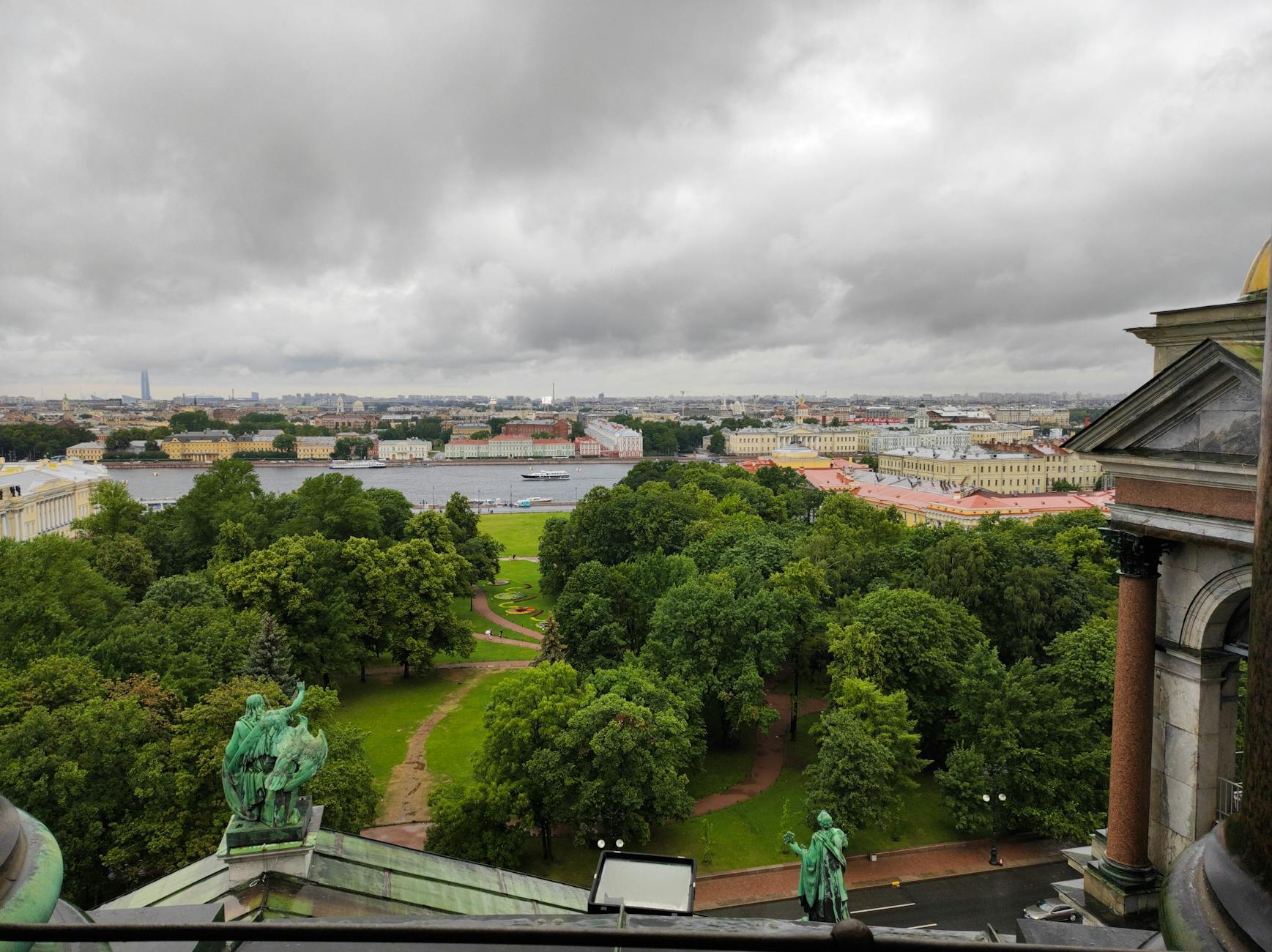
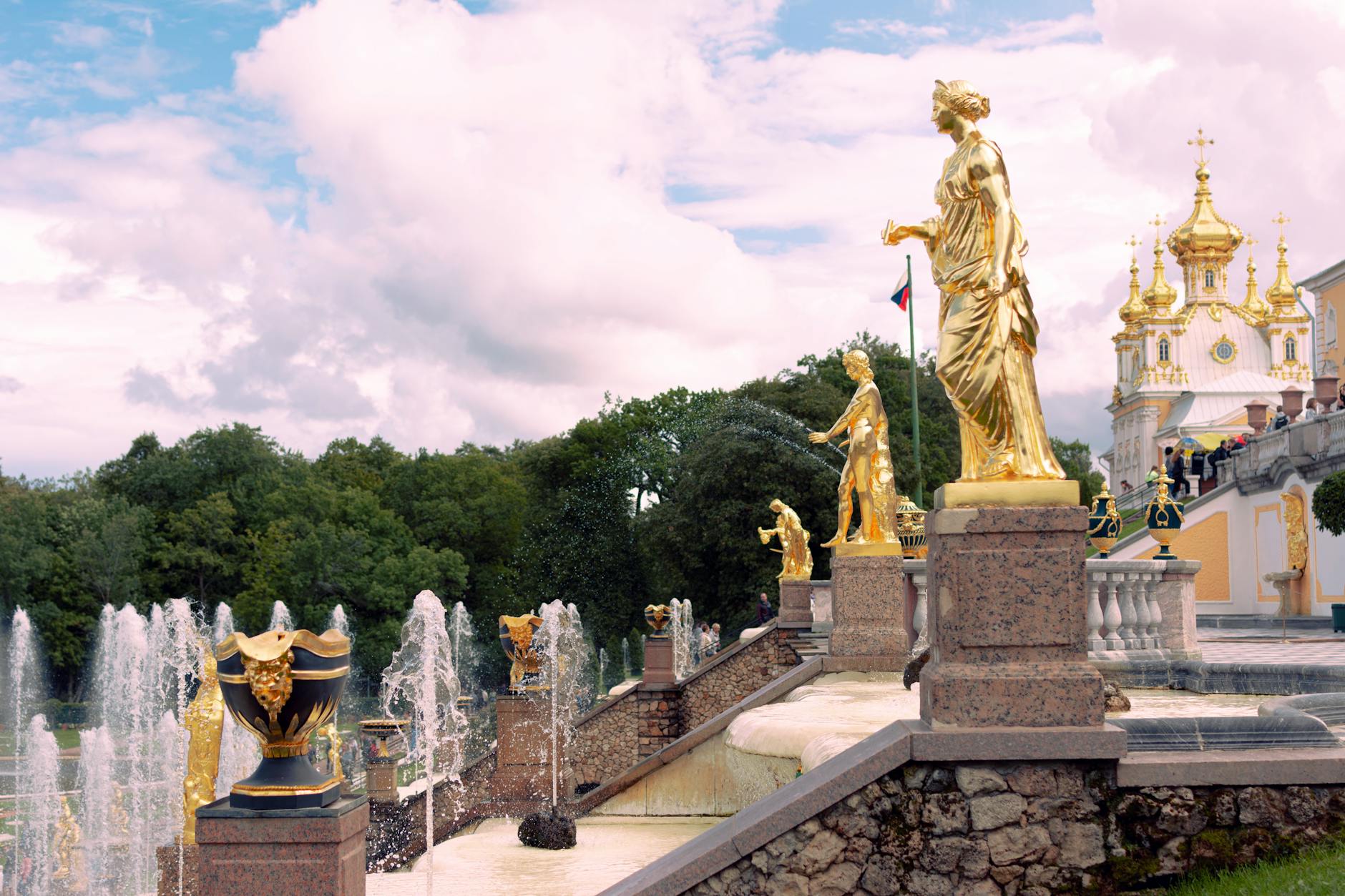
Commencez par une croisière privée sur les canaux de la ville pour vous repérer entre les cathédrales et les remparts de la forteresse. Cette approche, avec une introduction calme, vous aide à évaluer les distances entre le centre-ville et le centre, et révèle comment les liaisons de transport entre les deux pôles fonctionnent sans vous submerger dès le premier jour.
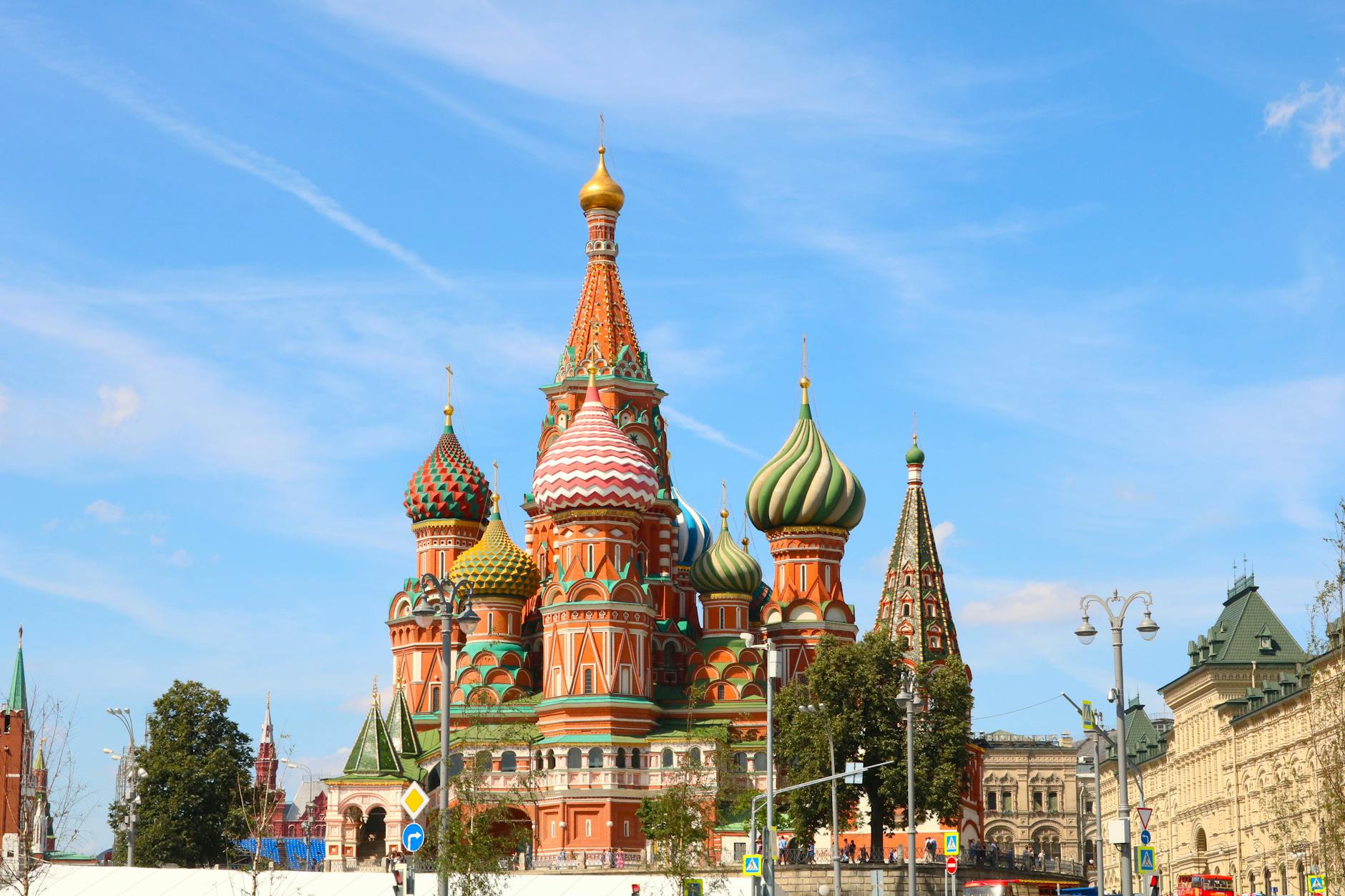
Ce que vous voyez le matin ancre votre plan : les dômes en oignon du centre historique, les musées en bord de fleuve et le patrimoine tsariste qui déborde dans les parcs voisins. Un guide privé peut éclairer les histoires derrière chaque mur de forteresse tandis que vous comparez les prix d'entrée des grands musées et sélectionnez des billets combinés pour les principaux sites du centre. Si vous souhaitez éviter la foule, prévoyez des itinéraires distincts pour les week-ends et les jours de semaine, et envisagez ce que vous pouvez économiser avec un pass groupé.
Entre les attractions, privilégiez les transports économes en énergie : le métro pour les déplacements rapides, ou une voiture privée pour une allure plus détendue. Les promenades du centre-ville au centre-ville sont assez courtes pour les faire à pied, avec des vues sur les canaux pour égayer la journée. Si vous êtes fatigué, prévoyez une après-midi plus courte et une soirée plus longue dans un lieu extravagant, comme une réception dans un palais ou une visite privée d'une galerie.
Dans les derniers jours, concentrez-vous sur les musées, les cathédrales et les quartiers riverains qui mettent en avant des expériences à travers les pays et les cultures. Réservez du temps pour une visite de la forteresse et une promenade dans les quartiers des canaux, avec des arrêts pour des photos devant les grandes façades. Les ruelles du centre-ville offrent une nourriture de rue savoureuse et des cafés raffinés, avec les prix affichés à l'extérieur de chaque établissement pour vous aider à planifier sans surprises.
Enroulez la visite en revenant tranquillement vers la zone principale, en notant les vues sur les canaux et les façades des cathédrales pour votre prochain voyage. Un mélange bien dosé de musées, de balades en centre-ville et de promenades en bateau offre des souvenirs sans fatigue. Avec cette approche, vous pouvez accumuler des expériences dans deux grandes villes et leurs alentours tout en gardant vos plans flexibles et agréables.
Jour 1 (Moscou) : place Rouge, ensemble du Kremlin et promenade dans le jardin Alexandre
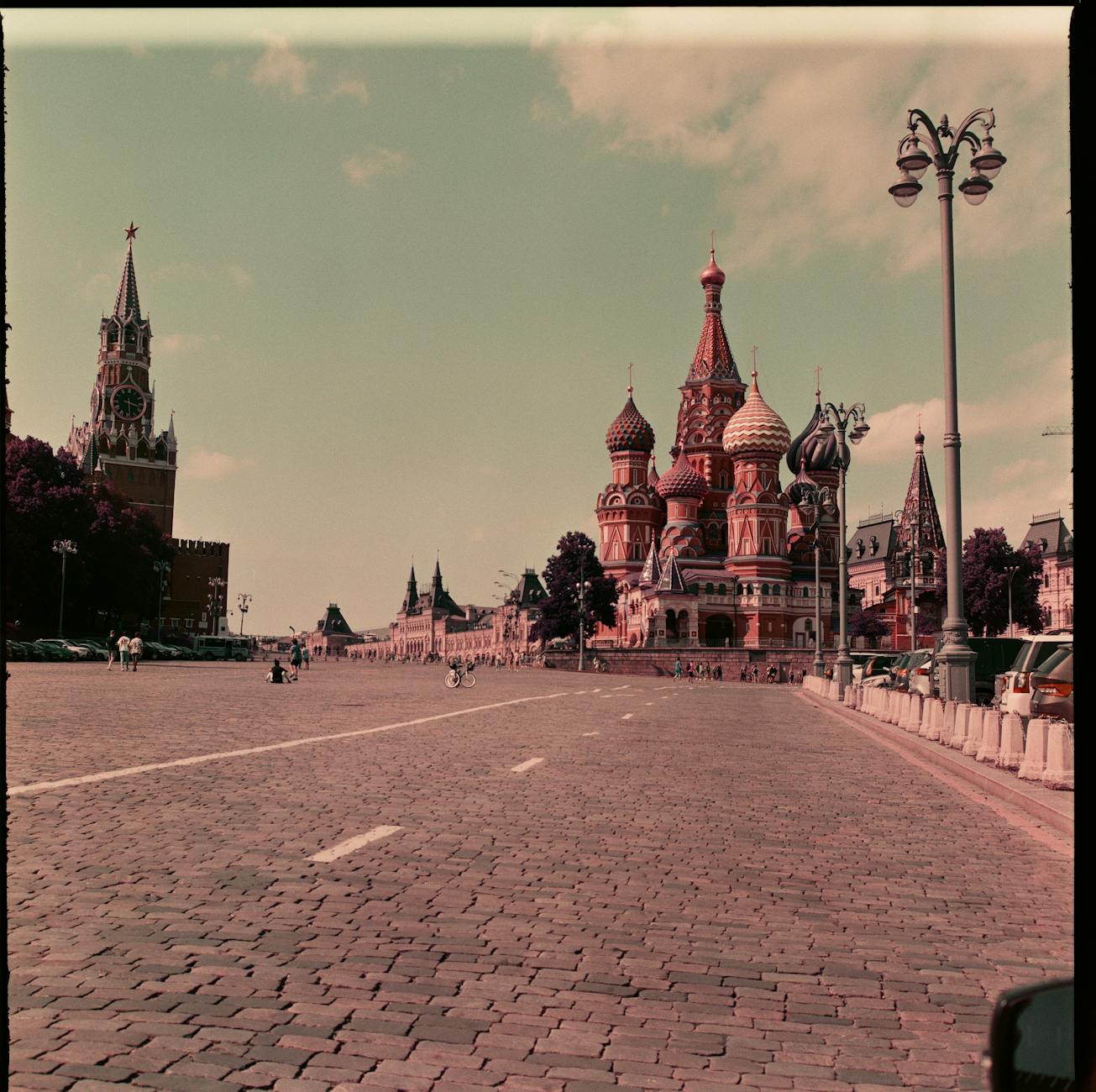
Rendez-vous sur la place Rouge dès l'ouverture, puis dirigez-vous vers l'immense ensemble du Kremlin. Les murs massifs entourent un ensemble de sites où des siècles de tsars ont vécu, et le parcours inclut des cathédrales, des tours et des musées dans un circuit compact. Une maison notable à l'intérieur des murs accueille des expositions tournantes. Selon votre programme, réservez vos billets en ligne pour accéder aux principaux musées ; gardez votre passeport à portée de main au guichet, car les règles d'entrée varient selon les lieux. Si vous voyagez avec un budget serré, réservez quelques heures pour le complexe du Kremlin et envisagez des visites groupées pour gagner du temps et dépenser moins. Pour les touristes, une visite guidée peut être un gain de temps, tandis qu'un parcours en autonomie offre plus de flexibilité. Cherchez les billets combinés qui couvrent plusieurs bâtiments pour optimiser votre journée, puis ajustez votre programme pour le reste de l'après-midi. Ensuite, terminez par un déjeuner dans un restaurant approprié du quartier.
Informations sur les billets et promenade dans le jardin : Les musées du Kremlin fonctionnent généralement entre 9:00 et 18:00, avec les dernières entrées vers 17:00, bien que les horaires puissent varier selon la saison. Les prix des billets oscillent généralement entre 600 et 1500 roubles selon le site, et certaines sections nécessitent des billets séparés. Le jardin Alexandre est gratuit et ouvert toute l'année, offrant un contraste paisible aux salles historiques. Une promenade ici commence près de l'origine du jardin, près du mur, et se dirige vers la rivière, avec des statues et des bancs pour les photos. Pour un rythme confortable, prévoyez 1,5 à 2 heures pour les visites du Kremlin et 40 à 60 minutes pour le jardin. Si vous visitez en groupe, un guide peut vous aider à couvrir les points forts efficacement ; sinon, une carte et un plan de temps suffiront. Il y a plusieurs cafés à proximité si vous souhaitez une petite collation économique après votre balade, avec des options allant des plats européens aux spécialités locales.
Promenade du Jardin d'Alexandre : Depuis le Kremlin, dirigez-vous vers le Jardin d'Alexandre, un long couloir vert qui relie l'histoire à la lumière du jour. L'espace est vaste par endroits et comprend des statues, des fontaines et des bancs ombragés. Le chemin est assez large pour une promenade détendue et offre des vues sur la Tour Spasskaya sous différents angles. L'accès est gratuit, vous pouvez donc l'associer à une vue sur la rivière ou à un arrêt photo rapide près de la berge ; apportez votre appareil photo et regardez vers la rivière pour capturer de belles silhouettes au fil de la journée. Si vous avez le temps, continuez le long du canal en direction de la berge pour d'autres opportunités photo et une fin d'après-midi paisible vers le coucher du soleil.
Des conseils pratiques : les couches de vêtements comptent ; en saison intermédiaire, une veste légère est judicieuse, en été, un chapeau et une bouteille d'eau sont utiles. Une protection pour la tête par temps ensoleillé vous gardera à l'aise pendant vos déplacements. Les horaires varient selon les saisons, vérifiez les pages officielles le jour de votre visite. Ayez votre passeport prêt pour les guichets et les contrôles de sécurité, et envisagez une option économique près de la place si vous préférez dépenser en nourriture plutôt qu'en billets supplémentaires. Vers la fin de la journée, la zone se remplit à la fois de locaux et de visiteurs, offrant une conclusion détendue avant de vous rendre à votre prochaine étape ou dans un restaurant le long du trajet.
Jour 2 (Moscou) : rue Arbat, GUM et un plan compact du métro
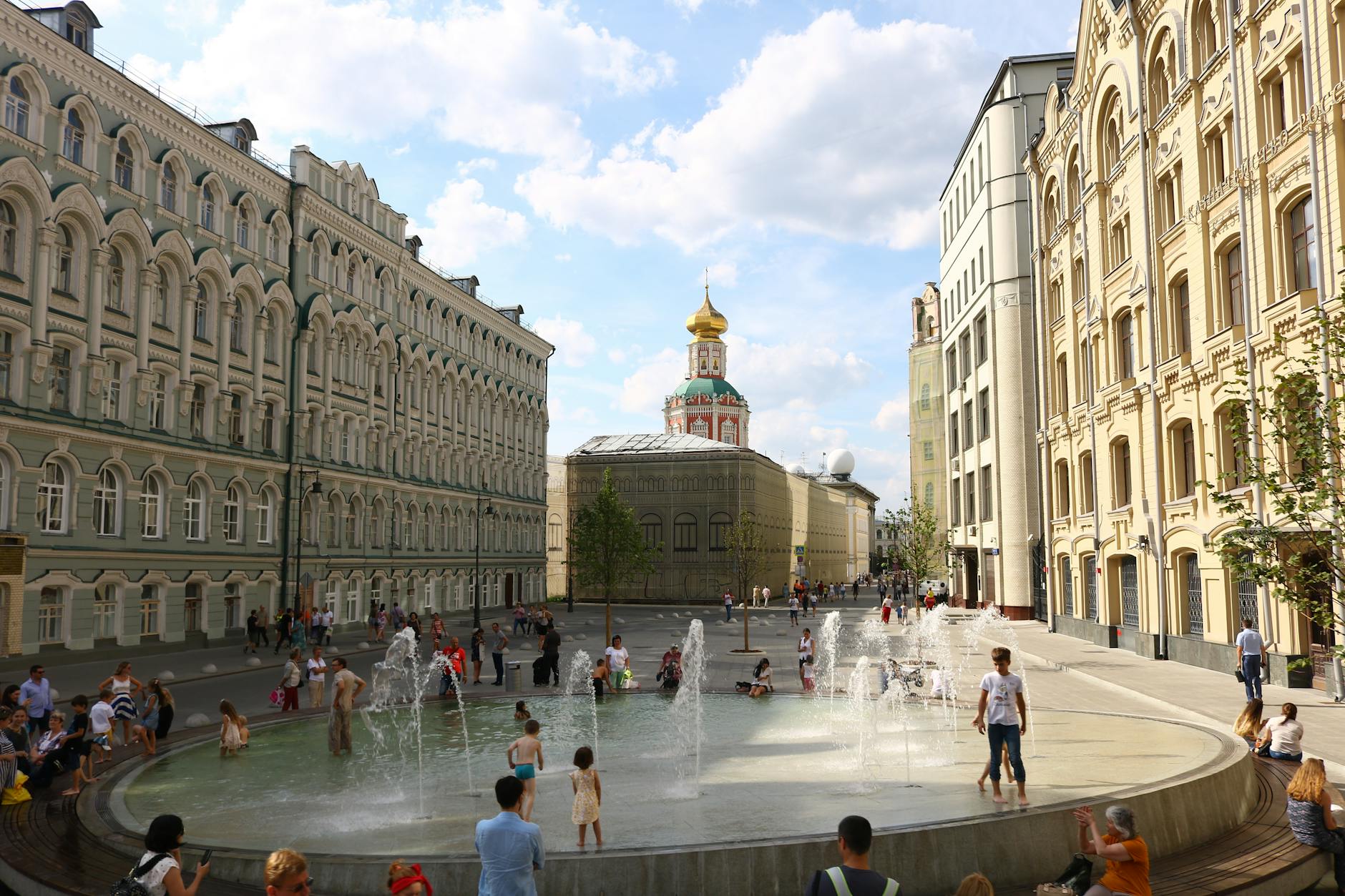
Commencez votre promenade de 45 minutes sur l'Arbat ; vous y découvrirez des façades de maisons classiques et une architecture mêlant les styles européen et russe, avec des pavés et des musiciens de rue créant une ambiance de fête. Prenez un moment pour parcourir les étals de souvenirs et dégustez un café avant de vous rendre au GUM.
La façade du GUM s'ouvre sur un vaste intérieur aux sols en marbre et un atrium majestueux - le genre d'endroit idéal pour acheter des souvenirs. Les expériences proposées ici mettent en valeur l'artisanat russe dans une enveloppe inspirée de l'Europe, soulignant l'importance du commerce traditionnel pendant les fêtes.
Parce qu'il est compact, cet itinéraire s'adapte parfaitement à une promenade matinale avec un court trajet en métro, mêlant architecture, façades d'immeubles et arrêts rapides en chemin. La deuxième partie se concentre sur le centre historique et la silhouette du Kremlin, ajoutant de la profondeur à la journée.
Le long du trajet, vous ressentirez l'influence de l'époque tsariste dans les façades environnantes ; des éléments inspirés de Tsarskoïe Sélo apparaissent dans quelques coins, et vous remarquerez des détails du siècle dernier sur les maisons. Le départ depuis l'Arbat vers les places centrales est facile à gérer, et le plan fonctionne bien en mars lorsque la pluie est possible.
Les liens vers les cartes officielles peuvent vous aider à vous repérer dans la ville, et les paiements par carte sont acceptés dans la plupart des magasins. La rapidité du métro rend ce plan pratique pour un court séjour, vous permettant de rester proche du centre tout en profitant des expériences mises en avant dans la région.
Ce parcours simple permet de garder un rythme soutenu et de découvrir les lieux clés en une matinée. Cette approche équilibre toujours la journée, laissant de la place aux expériences spontanées ou à une seconde balade le long de la silhouette du Kremlin entre les arrêts.
Plan du métro compact
Départ du quartier de l'Arbat : marchez jusqu'au hub le plus proche et prenez une ligne en direction du centre. Après deux arrêts, changez pour la ligne desservant Teatralnaya/Okhotny Ryad, puis descendez pour une courte marche jusqu'au GUM. Cet itinéraire minimise les retours en arrière tout en offrant un accès direct aux quartiers en face du Kremlin.
Si la pluie menace, prévoyez des pauses en intérieur et gardez l'itinéraire flexible ; en mars, les foules peuvent être moins denses en début de journée, et le plan reste valable. En restant dans les parages, vous constaterez que cette approche compacte offre des expériences phares, car elle combine des points forts architecturaux, des façades de maisons et des liaisons pratiques avec le Kremlin, ce qui en fait des vacances mémorables.
Jour de voyage : Moscou à Saint-Pétersbourg en Sapsan - Conseils pour les billets et choix des sièges
Réservez une place privée en siège central en deuxième classe pour le départ du matin depuis la principale gare de la capitale ; cette configuration réduit l'affluence et vous rapproche des restaurants à bord, rendant le trajet confortable pendant quelques heures. Réservez 4 à 8 semaines à l'avance, car la demande augmente en décembre et janvier ; utilisez Yandex pour comparer les tarifs et passer la commande, puis récupérez un e-billet avec vos coordonnées de passeport. Avoir le passeport à portée de main à l'embarquement accélère les choses, et une assistance en anglais est généralement disponible au guichet ou dans l'application. C'est pourquoi réserver tôt permet d'économiser de l'argent.
Billetterie et conseils de retrait
Préférez la confirmation numérique et conservez le numéro de commande ; vous pouvez présenter votre e-billet sur votre téléphone et montrer votre passeport si nécessaire. Si vous voyagez en hiver, partez tôt ; les trains circulent fréquemment, mais les prix augmentent à mesure que la date de départ approche ; les abonnements mensuels sont rares sur les trajets touristiques, donc un billet à usage unique est courant. La restauration à bord propose des repas légers au café, donc si vous souhaitez quelque chose de plus consistant, envisagez de manger avant le départ ou après une courte halte en cours de route.