
Exploring Moscow's street art and urban culture hotspots reveals a dynamic side of the city that pulses with creativity and history. While grand landmarks like the Kremlin dominate tourist itineraries, these vibrant enclets offer a raw, unfiltered glimpse into contemporary Russian life. From graffiti-splashed alleys to pop-up galleries in former Soviet factories, Moscow's urban canvas invites wanderers to discover layers of expression that reflect social change and artistic rebellion. As you navigate these spots, you'll encounter works that challenge norms, celebrate diversity, and echo the city's resilient spirit.
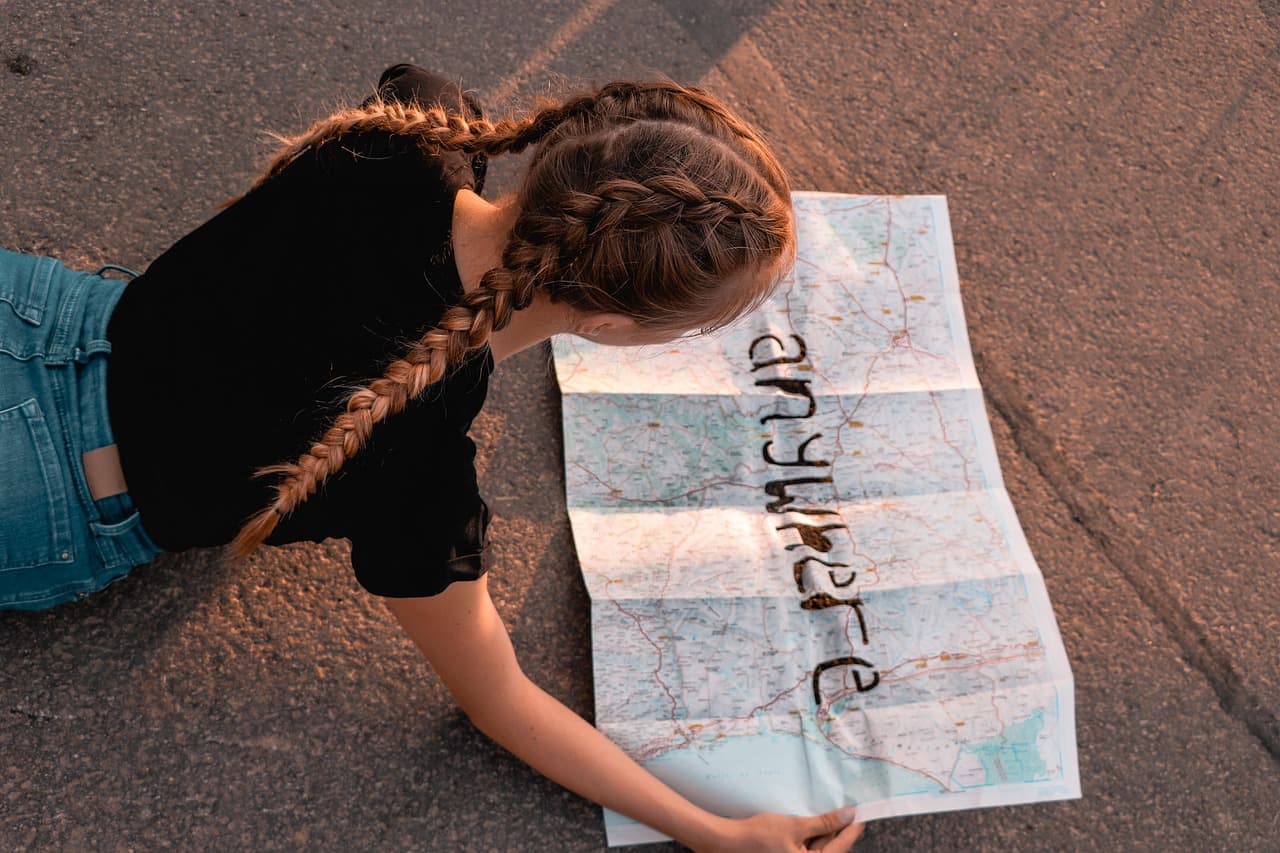
Moreover, this underground scene thrives despite occasional official scrutiny, turning neglected spaces into canvases for global and local talents. Artists draw inspiration from everything to political satire to everyday humor, making each hotspot a conversation starter. Whether you're a first-time visitor or a seasoned explorer, incorporating these areas into your Moscow itinerary adds depth to your experience. Start with a map in hand, comfortable shoes, and an open mind, as the best discoveries often happen off the beaten path.
The Rise of Street Art in Moscow
Street art emerged in Moscow during the perestroika era, evolving from subtle dissent symbols to bold public statements. Today, it flourishes in districts like Khamovniki and Basmanny, where walls become billboards for social commentary. For instance, the Art-Moscow project transforms abandoned lots into temporary exhibitions, featuring international murals that address climate action and urban isolation.
Furthermore, local crews like the 2+1 collective collaborate with city planners to legalize certain zones, ensuring sustainability. Visitors can join guided tours that explain techniques, from stenciling to wheatpasting, while highlighting artists' stories. This evolution shows how street art bridges past and present, turning concrete jungles into living museums. As regulations loosen, more hotspots pop up, encouraging spontaneous creativity.
Additionally, festivals such as the Moscow Urban Forum amplify this movement by hosting workshops and competitions. Participants learn spray techniques under expert guidance, fostering a sense of community. Such events not only preserve the art but also educate on its cultural significance, making hotspots accessible to all ages.
Iconic Hotspots in Central Moscow
Dive into the heart of the action at Khokhlovka Street, a narrow lane in central Moscow lined with rainbow-hued facades covered in whimsical illustrations. Here, climbing figures and dreamlike scenes by artist Konstantin Benkovich draw crowds year-round. Stroll slowly to spot hidden details, like tiny portraits tucked into corners. Nearby cafes serve borscht and craft beer, perfect for reflecting on the visuals.
Then, head to the territory of the former Vodka Factory in Kursky District, now a creative hub buzzing with galleries and skate parks. Murals by Ukrainian-born Klavdiy Milyavsky depict futuristic cityscapes, blending Soviet brutalism with neon accents. Evenings bring live DJ sets, where locals mix beats that sync with the wall art's rhythm. This spot exemplifies how urban culture repurposes industrial relics into vibrant social spaces.
Beyond that, the Gorky Park area hosts seasonal installations, including augmented reality overlays via apps that animate static pieces. Families picnic amid these interactive displays, while photographers capture the interplay of light and color. Each visit uncovers new layers, as artists rotate works quarterly.
Beyond Graffiti: Urban Culture Layers
Urban culture in Moscow extends to fashion pop-ups and indie markets that complement the visual art. At Flacon Design Factory, once a perfume plant, boutiques showcase streetwear inspired by local murals. Browse handmade jewelry echoing graffiti patterns, then catch a poetry slam in the courtyard. This fusion creates a holistic experience, where sight merges with sound and touch.
Moreover, food trucks line these hotspots, offering fusion dishes like pelmeni tacos that nod to multicultural influences. Conversations flow easily among strangers, united by shared appreciation. For deeper immersion, volunteer at clean-up initiatives that protect these spaces from wear, contributing to their longevity.
Additionally, photography tours led by pros teach composition amid the chaos, turning novices into keen observers. As dusk falls, LED projections illuminate walls, transforming static art into mesmerizing spectacles.