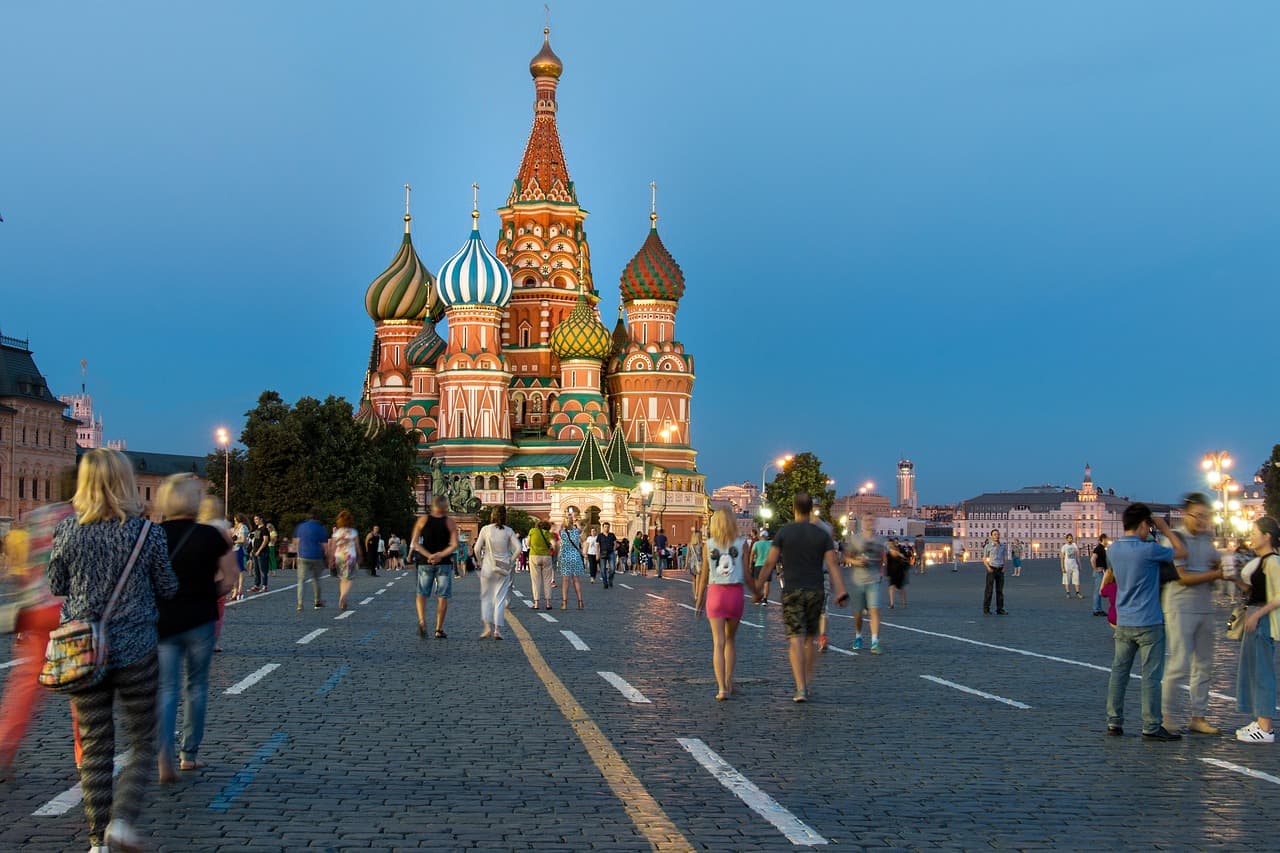
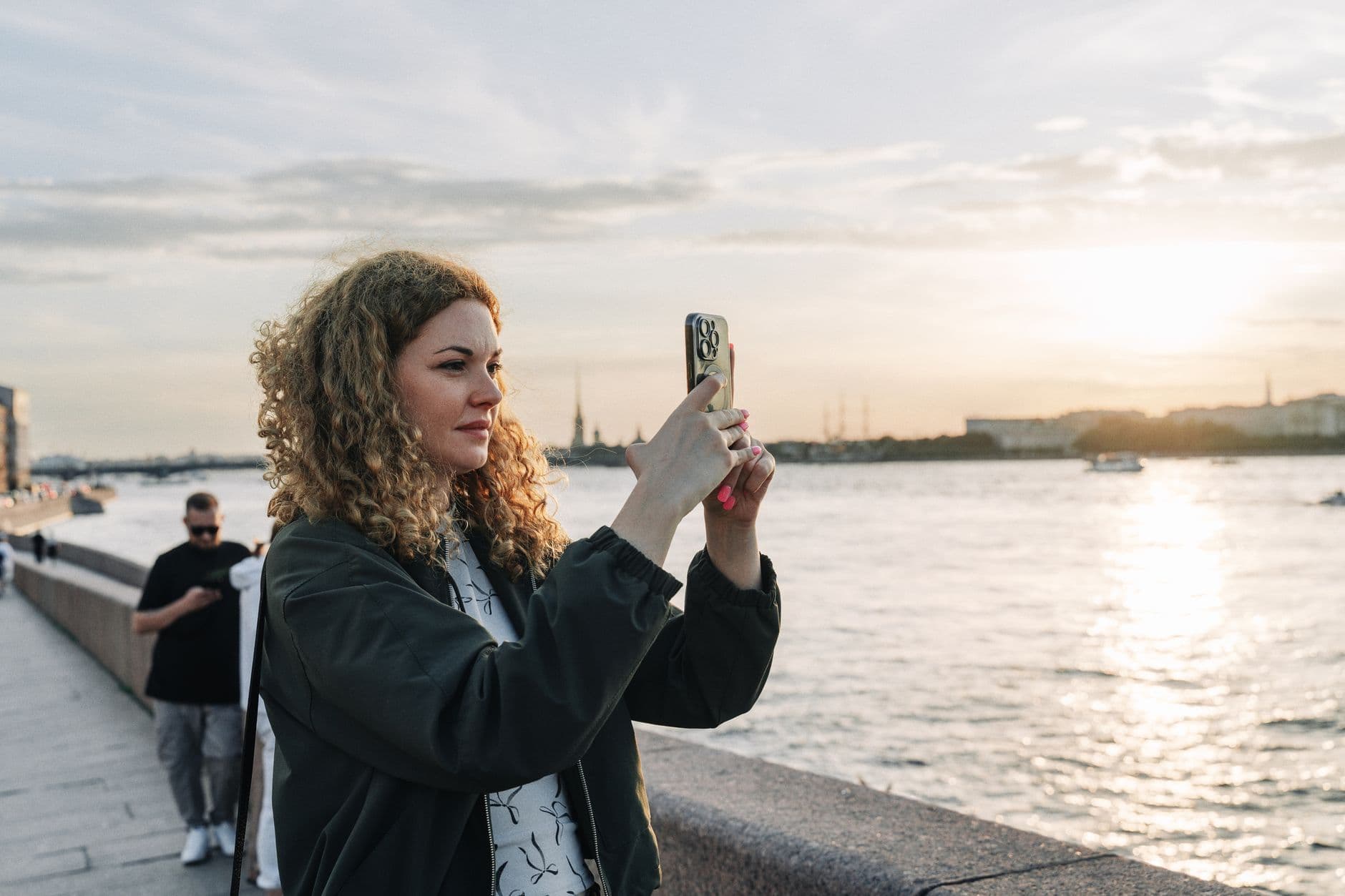
Plan a 7-day coastal loop that blends city glow, outdoor trails, and affordable seaside towns. This route keeps you away from expensive hotspots while delivering memorable water views, fresh seafood, and quiet bays at dawn. There, a saint quarter along cobbled lanes invites slow mornings, while evenings glow over vessels returning to harbor.
Anchor with a two-stage plan: urban mornings in a historic port, then slower afternoons along forested coasts. In russia, consider a saint Petersburg to Karelia circuit by express train, then a car run to lake villages. Expect 5-7 days, lodging around 60-120 USD per night in mid-range inns, and add 20-40 USD daily to cover meals. Access local guides on a day hike, where shoes grip rocky paths and coats handle the chill even when heat spikes. Many sites offer free entry on certain days; strolling along riverside lanes makes the most of that. This route spans a wide range of landscapes, from city arcades to quiet shoreline forests.
With a slower tempo, you can change plans on a whim: a museum morning becomes strolling along a waterfront market, then a detour to a woodland trail. If you crave different vistas, swap sea towns for a lake district and take a local ferry, following timetables helps access hidden beaches, and you can savor water reflections there again as boats drift by.
Once you finalize your packing, if nights turn chilly, pack a coat and sturdy shoes; several outlets rent gear at harbor bases, so you can travel light. Some museums may be closed on certain days, so align plans with openings. Outdoor days glow best during late spring or early autumn, when heat is gentle but sea air stays brisk. Access to fresh seafood and local markets is straightforward, and ferry hops remain reliable long after peak crowds. There, you'll find many options to tailor this journey to your pace and means.
Best Vacation Ideas: Creative Trips and Russia Climate Guide
Start in Moscow or Saint Petersburg in late spring (May) or early autumn (September) to lock in warm days, cooler nights, ample experiences, and affordable prices.
- Urban classics: Moscow & Saint Petersburg
- Indoor experiences: world-class galleries, theatre nights, and the Hermitage's winter halls shield you from cooler air.
- Places to linger: Red Square, Saint Isaac's Cathedral, Nevsky Prospect; plan 2-3 tours per city, then a calm riverside stroll during nights in shoulder months.
- Prices vary by month; aim for shoulder periods to get value without crowds.
- Getting around by rail is efficient, speeding travel between neighborhoods and keeping the pace steady.
- Coastal retreats and resort vibes: Sochi, Anapa, and along the Black Sea
- When summers bloom: stay near water for warm days and longer nights; resort packages with spa plus breakfast cut spend.
- Stays near water mix outdoor adventures with indoor museums on bad-weather days.
- Prices dip in late spring and early autumn, making a barebones plan feel serene and sensible.
- Trans-Siberian journeys and lake adventures
- Traveling across zones: from taiga to steppe to lake towns; tours include train nights and day trips; slower pace helps protect energy and enjoyment.
- Baikal tours deliver a serene, almost wonderland vibe; include a boat ride in summer, or a quiet ice-walk in December for walkers who seek a unique feel.
- Climate zones at a glance
- Temperatures: tundra (-30 to -10°C in winter, 5-12°C in summer), taiga (-25 to -5°C in winter, 15-25°C in summer), steppe (-15 to -5°C in winter, 25-30°C in midsummer).
- Hottest zones: southern Caucasus and Black Sea coast; cooler zones: north and Siberian belt.
- December notes: shorter days, indoor venues like theatres and cafes become meeting spots; plan water activities in warmer months.
- Average daylight hours vary by city; expect around 7-9 hours in winter and 15-18 hours in midsummer in European Russia.
- The feel of each zone changes with the seasons, making it a travel tapestry you can slow down in or speed through as needed.
Necessary prep includes humidity checks, packing layers, and flexible itineraries. Protect skin during sunny days, stay hydrated, and pick a base with both cultural theatre options and relaxing tranquil areas to balance exciting tours with serene stays. December trips can be a magic wonderland of festive markets, while cooler months invite indoor theatre nights and woodland strolls to keep experiences rich across many places. Getting around between cities is efficient, giving you a real feel for the spectrum of Russian landscapes while keeping costs in check.
Budget-friendly city breaks: plan under $100-$150 daily
Choose Saint Petersburg, a north hub, for a cost-efficient city break with daily spend near $100-$150. Start with a central hostel or serviced apartment at $25-$40 nightly; meals from markets and street stalls run $5-$12 per item; and public transit stays under $5 daily. These fundamentals finish a concrete, travel-ready plan that serves travellers.
Two must-dos: Hermitage and peterhof. Reserve a timed Hermitage ticket online to skip doors and processing delays; a morning visit reveals masterpieces from imperial and military histories. A day trip to peterhof near the coast via hydrofoil starts early, bringing you to fountains and gardens; entry clocks in around $15-$25. Both sights stay busy in august, so plan early, then return by midday to stroll outdoors along the Neva and through nearby markets.
Markets set the rhythm of these city breaks. In autumn, harvest produce appears at street stands; snack options cost $2-$6, and coffee is $1-$3. Outdoors walking routes by the canals offer free views, while a few sites highlight sports venues that may host local events. These experiences help keep limited expenses while preserving depth.
Seasons influence pricing and crowds; early august still brings long days, then autumn brings cooler weather and quieter rooms. To avoid extremes, book lodging two weeks ahead and consider midweek stays. Travellers should prepare documents and a simple plan that takes in museums, markets, and riverside walks, avoiding unnecessary splurges.
Near the city center, stay within a short walk of core routes to minimize transit time; outside peak hours, take leisurely loops through parks and markets. Start your day early to beat the lines at Hermitage doors, and finish with a light dinner at a nearby tavern. If you want a deeper dive, you can add a second visit to the Hermitage galleries during extended hours in late season.
Nature and outdoor escapes: national parks, trails, and coastlines on a budget
Choose a nearby national park, head outside with a single, tight plan, and rely on campground nights or simple hostels to keep daily costs lean. Entry fees typically range up to 35 USD per vehicle, while an annual pass offers greater value across multiple visits, enabling travel plans that stay within reasonable limits.
In December, trails are quieter; although crowds drop, campsite availability increases near the coast, enabling plenty of sample days without tourist pressure. Pack light, bring a thermos, and head outside with a sense of purpose; exploring loops by foot or bike becomes magical, as thermal pools offer natural rewards, landscapes painted in brown and orange hues along the cover of rock and water.
Though services cost, you can avoid guides by using a compact map and reliable offline maps with a password to access them. If you head toward a petersburg region or nearby metro area, a light shuttle network connects trailheads, taking you between starts without duplicating backtracking.
Coastlines deliver abundant outdoor options with no premium access: cliff trails, tide pools, and long beaches ripe to explore, fueling exploration along the shoreline. Pick long, low-cost routes with plenty of cover from dunes and grasses; sample sections along lesser-known shores give you a sense of wild space while avoiding tourist traps. Photographs reveal brown rock, orange sunsets, and the blue of distant water, creating experiences that feel magical even in windy, chilly days.
Practical tips: buy an annual pass when many parks appear on plans; seek fee-free entry days, avoid tourist traps by starting early and using shade; pack a compact stove, quick-dry clothing, and rain shell. In winter months, December conditions require extra layers, waterproof footwear, and thermals to stay warm outside. Remember to store key notes in a password-like file on your device, and keep a simple backup plan in case weather shifts.
Family trips that save money: kid-friendly plans, lodging, and transport hacks
Book a two-bedroom serviced apartment rather than a single hotel room. Target a moderate range of 100-170 per night to host a family of four. The unit contains a full kitchen and a separate living area, and the address should be easy to confirm on booking and near kid-friendly spots. Choose a size that fits everyone without extra beds to avoid heavy charges. If you can plan between autumn and early winter, you'll find lower rates and lighter crowds; august shoulder-season deals sometimes appear with golden-hour sunsets and quieter streets.
Maximize savings on transport by favoring rail or bus over short flights. Buy tickets 6-8 weeks ahead to cut 20-40% off the price. On longer routes, compare car travel versus rail and pick the option with the best reach and value. If driving, check fuel economy and plan a route with regular breaks to reduce fatigue and wear. Pack essential gear: a kid-friendly backpack, water, snacks, and a compact first-aid kit. Your gear list should cover long days of sightseeing without carrying bulky equipment. Consider a route that minimizes tolls and uses free parking options. A short train ride awakens curiosity and eases transitions between sights.
Build the day around free or low-cost wonders: nature preserves, city parks, and museums with free admission on certain days. Schedule visiting times when kids are most alert; avoid mid-afternoon slumps by planning one main activity in the mornings. Let a child choose one half-day wonder to boost engagement, increasing the likelihood of cooperation. Take photos during the golden hours for memories. When you arrive, keep a simple letter with the plan and reserved tickets handy for quick check-ins. This approach unlocks a range of possibilities while keeping the schedule manageable.
Winter getaways emphasize family-friendly trails with snow and easy access to indoor options. If snowfall is likely, bring thermal layers, waterproof jackets, and sturdy footwear; check weather updates and keep a backup plan for bad weather. In autumn, leaf-peeping visits can bring cheaper lodging and thinner crowds. If you visit a ski town, look for free activities like snowshoe walks or cozy cafes for warm breaks.
Never over-spend by sticking to a daily budget; keep a simple gear list and avoid impulse bookings. The range of possibilities includes short getaways near home and longer weekend escapes; the key is planning with kids in mind-visiting experiences that awakens curiosity without breaking the bank. Pack a letter with the address and contact details, plus copies of tickets and confirmations to keep everything organized.
Immersive cultural experiences: local guides, homestays, and hands-on activities
Choose a coastal russia village with an orthodox host family and a licensed local guide who runs hands-on sessions in cooking, pottery, and boat repair; this setup delivers a tangible feel of daily life and local craft.
Availability peaks in late spring or early autumn; plan 2-3 days, with a schedule that includes hiking days, village evenings, and market visits; reviews from travelers who participated in long workshops and family meals help set expectations; this arrangement suits travelers seeking authentic rhythms.
During the stay, you will participate in character-rich routines-bread baking, fishing, Orthodox icon painting-and join events tied to a saint day, guided by hosts who speak widely and patiently.
Evenings provide room to ask questions, while processing notes and photos; you become part of family conversations, sharing meals and stories that reflect local character.
Bring a small card; many homestays accept card payments, with a password-protected guest network for convenience.
Look for guides with clear itineraries, reliable availability, and recent reviews; this makes days on the road easier, even when weather shifts toward snowfall or heavy rain.
In russia, coastal and inland routes broaden evenings with local music, Orthodox prayers, and migration stories; the local guides' character becomes the heart of the experience, while you bring back vivid memories.
Using climate charts: how to read the Russia average temperature chart and pick travel months
Choose May or September as anchor months; these offer moderate heat, longer daylight, and access to attractions including churches, the theatre, and a vibrant parade.
In Moscow's climate chart, inspect the line labeled Temperatures; compare high and low values, not only the average. The chart contains two lines: high temperatures and low temperatures. The middle of the range helps determine packing: a week with highs near 16-18°C and lows near 8-12°C feels good, with occasional windy days near shoulder seasons. When planning, note regional differences across cities.
Ideal months to enjoy outdoor sights include May, June, September, and early October. These periods deliver good access to museums, galleries, and outdoor attractions including open-air theatres, parade events, and historic churches. In December, the atmosphere remains breathtaking with winter markets, bright yellow lights, and festive performances, yet temperatures drop; bring boots and warm layers.
To plan a week, map days by climate data; use the card you carry, your transit card, and comfortable walking boots. In peak heat periods, insect activity increases near parks and rivers, so pack repellent. This method creates an opportunity to enjoy landmarks without long queues, and to access rare exhibitions in mid-size cities; you can actually tailor plans to your pace, whether you travel solo or with family. Please adapt steps to your pace and preferences. You should cross-check forecasts closer to departure.
| Month | Avg Temp (°C) | Notes |
|---|
| January | -5 | Very cold; indoor attractions favored; boots needed. |
| February | -4 | Winter tightens; museums and theatres offer warmth. |
| March | 0 | Early spring; layers advised; churches and parks begin to awaken. |
| April | 7 | Spring bloom; comfortable for outdoor strolls. |
| May | 13 | Moderate heat; long daylight; ideal for walking week. |
| June | 17 | Warm without peak heat; vibrant city life; late sunsets. |
| July | 19 | Warmest month; mornings best; insect activity rises near waters. |
| August | 18 | Late summer; festivals and yellowed parks nearby. |
| September | 14 | Shoulder season; moderate heat; good access to theatres and parks. |
| October | 8 | Brisk days; foliage turns yellow; city walks remain pleasant. |
| November | 2 | Chilly; indoor venues dominate; coat required. |
| December | -4 | Festive mood; breathtaking markets; temperatures demand warmth. |