De Kremlin van Moskou is het versterkte hart van Rusland — een ommuurd complex van kathedralen, paleizen en torens naast het Rode Plein, toegankelijk voor bezoekers met een ticket voor het terrein, de Kathedraalplein en de Oude Wapenkamer. Deze gids behandelt de geschiedenis van de Kremlin, wat er te zien is, en hoe je je bezoek kunt plannen.
Aanbeveling: begin met een geleide wandeling door de Kremlin van Moskou bij het eerste licht om de schaal te ervaren, en plan vervolgens een bondige route die drie must-see bezienswaardigheden omvat: de gouden torens, de paleizen en de begraven kamers. Luister naar de gids; de ruimtes vertellen een gelaagd verhaal waar architectuur en macht elkaar ontmoeten. De directeur van het museum legt uit hoeveel eeuwen in steen zijn gecodeerd, en je zult voelen hoe vtsiom-gestuurde verhalen de geschiedenis overlappen met hedendaagse debatten. Op maandagochtenden zijn de rondleidingen snel, dus plan van tevoren.
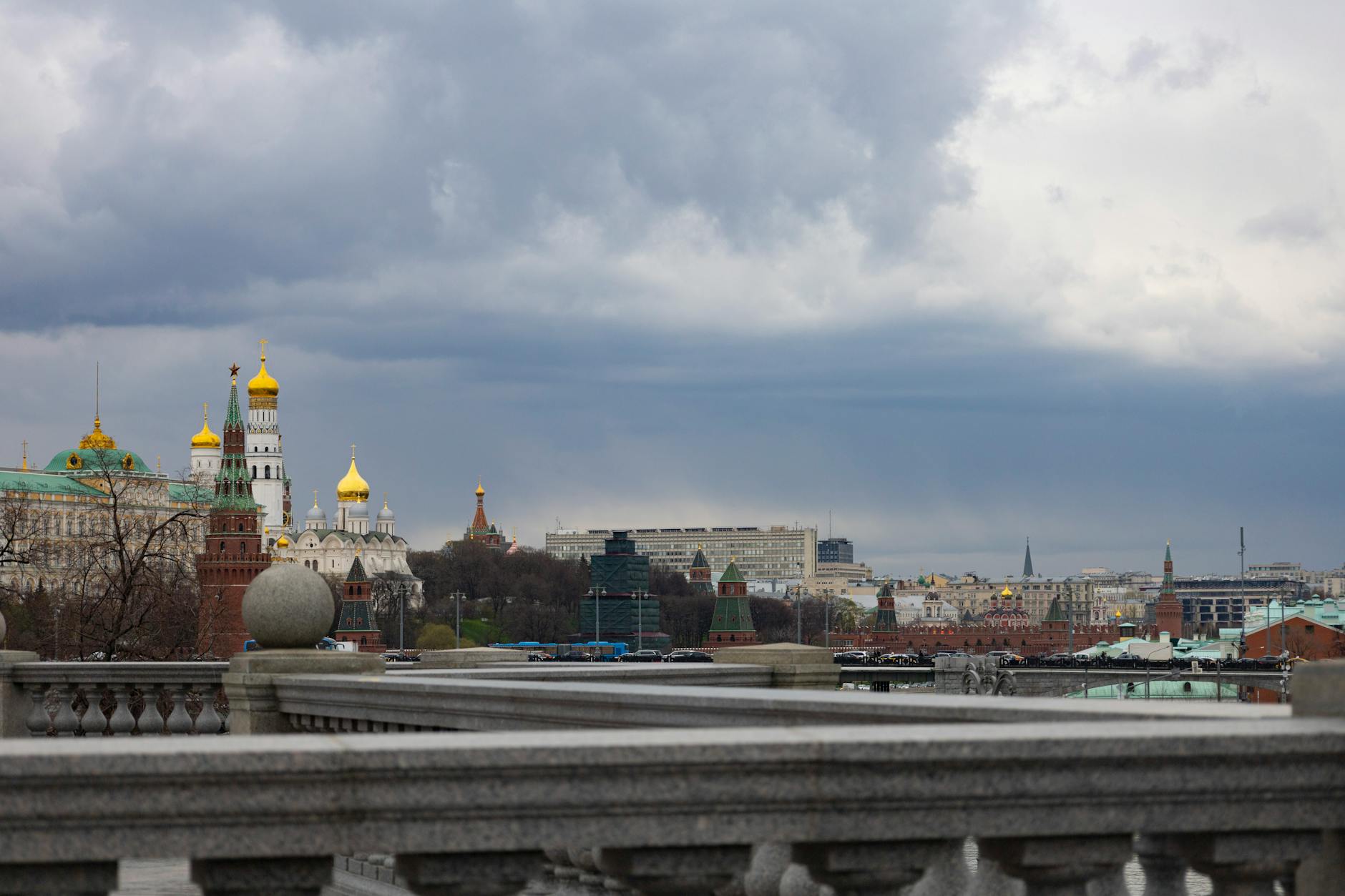
Het Kremlin, of кремль, verbindt vestingmuren met ceremoniële ruimtes. In Moskou vormen de kremlins rond de stad drie essentiële zones: de buitenmuur en torens, de openbare pleinen en de binnenste paleizen en kerken. De architectuur combineert versterkte massiviteit met vergulde details, zodat bezoekers zowel veiligheid als ceremonie voelen terwijl ze langs de gouden koepels en langs de stenen arcades lopen. Verwacht de 20 torens te zien, elk met een unieke kroon en geschiedenis, die de lange transitie van het Kremlin van vesting naar symbool markeren.
Daarnaast is de site een ankerpunt voor Rusland's politieke verhaallijn. Politiek geleide gebeurtenissen, staatsceremonies en propaganda worden hier in scène gezet, waardoor burgers en een wereldwijd publiek de macht ervaren. In de tijd van Poetin's mix het Kremlin zijn beeldapparaat officiële verklaringen met zichtbare uitingen van soevereiniteit. Voor onderzoekers: volg de tijdlijn van tsaristische versterkingen via Sovjet-prachtgebouwen tot de huidige opstelling om te begrijpen hoe het Kremlin een levendig toneel blijft in het politieke leven van Moskou.
Praktische notities voor lezers en bezoekers: de binnenste wapenkamer huisvest prachtige paleizen en de lange gangen verbinden met ministeries. De muurcircuit bevat ongeveer twintig torens, en de drie grote poorten geven toegang tot verschillende zones. Voor geleerde lezers bieden Radford en Murrell interpretaties; kruis hun inzichten met je eigen waarnemingen en kaarten om te testen hoe ruimte macht vormgeeft. Als je de tijd hier meet, kun je drie historische lagen identificeren—pre-Petrinisch, imperiaal en Sovjet/post-Sovjet—en zien hoe elke laag sporen achterlaat in architectuur en opzet.
Om een diepgaande, praktische studie te plannen, begin met deze gids en voeg vervolgens primaire bronnen, kaarten en directe waarnemingen toe. Luister naar tourcaptions, notities en interviews; houd een lange lijst met vragen bij en bezoek de ruimtes met verse ogen. Het Kremlin blijft een hoeksteen van Moskou's identiteit en een levendig voorbeeld van hoe architectuur, propaganda en politiek over eeuwen heen met elkaar interageren.
Het Kremlin: Geschiedenis, Architectuur en Zijn Rol in Rusland - Een Praktische Gids
Plan je bezoek aan de Kremlin van Moskou voor het beste licht en kortere wachtrijen. Begin met een rondleiding om de omgeving te verkennen en ga dan verder naar de binnenste vertrekken. De inhoud van het complex omvat kathedralen, paleizen en ceremonieënruimtes die laten zien hoe macht in Rusland vandaag de dag en in het verleden werkt.
De oorsprong van de Kremlin gaat terug tot de 12e eeuw, toen Moskou ontstond als politieke centrum, en de huidige muren en torens werden gebouwd tussen 1485 en 1495 door Italiaanse meesters. De omtrek bedraagt ongeveer 2.235 meter en omvat een aantal torens, waarbij de Spasskaja-toren de beroemde klok huisvest. Moskou verankert de site als een nationaal symbool en een levend museum.
De Kathedraalplein brengt de Kathedraal van de Hemelvaart, de Kathedraal van de Aartsengel Michaël en de Kathedraal van de Aankondiging samen, met interieurs die eeuwen van liturgie en koninklijke ceremonie weerspiegelen. Het Groot Kremlinpaleis, dat in de 19e eeuw werd begonnen, toont prachtige zalen die gebruikt werden voor officiële ontvangsten. De Tsar-kanon en de Tsar-bel, hoewel ze al lang geen functie meer hebben, blijven krachtige symbolen van de tijd dat Moskou het keizerlijke hart was.
Eerder fungeerde het Kremlin als zetel van de soevereine macht, en later paste het zich aan aan industriële en administratieve behoeften; vandaag combineert het ceremoniële functies met openbare musea. Ze leggen de evolutie van de staat uit via eeuwenoude verhalen, terwijl het instituut en de agentuur die tentoonstellingen en veiligheid beheren tonen hoe de administratie toegang tot dit erfgoed behoudt. De notie van отечество komt in de bijschriften voor en brengt bezoekers een gevoel van nationale identiteit over.
Voor praktische planning, bezoek op zaterdag of donderdag om drukte en toegankelijkheid in evenwicht te brengen; toegang is betaald, en reserveren op voorhand garandeert toegang tot belangrijke ruimtes. Plan 2-3 uur om de belangrijkste bezienswaardigheden te zien, en let op dat sommige delen gesloten zijn voor ceremonies. In het hoogseizoen kunnen de openingstijden later zijn, dus raadpleeg de officiële agenda. Neem een lichte jas mee voor binnenruimtes, een camera met respectvol gebruik, en een kaart om een logische route door de inhoud van de site te volgen. Het begin van Moskou's opkomst, hier weerspiegeld, helpt te verklaren waarom de Kremlin centraal blijft in Rusland's herinnering aan macht.
Gidsen kunnen de Ioffe- en Aleksandrovacontexten noemen als voorbeelden van hoe wetenschap, cultuur en bestuur elkaar in het historische district van Moskou raken.
Sleuteldaten en keerpunten in de geschiedenis van de Kremlin
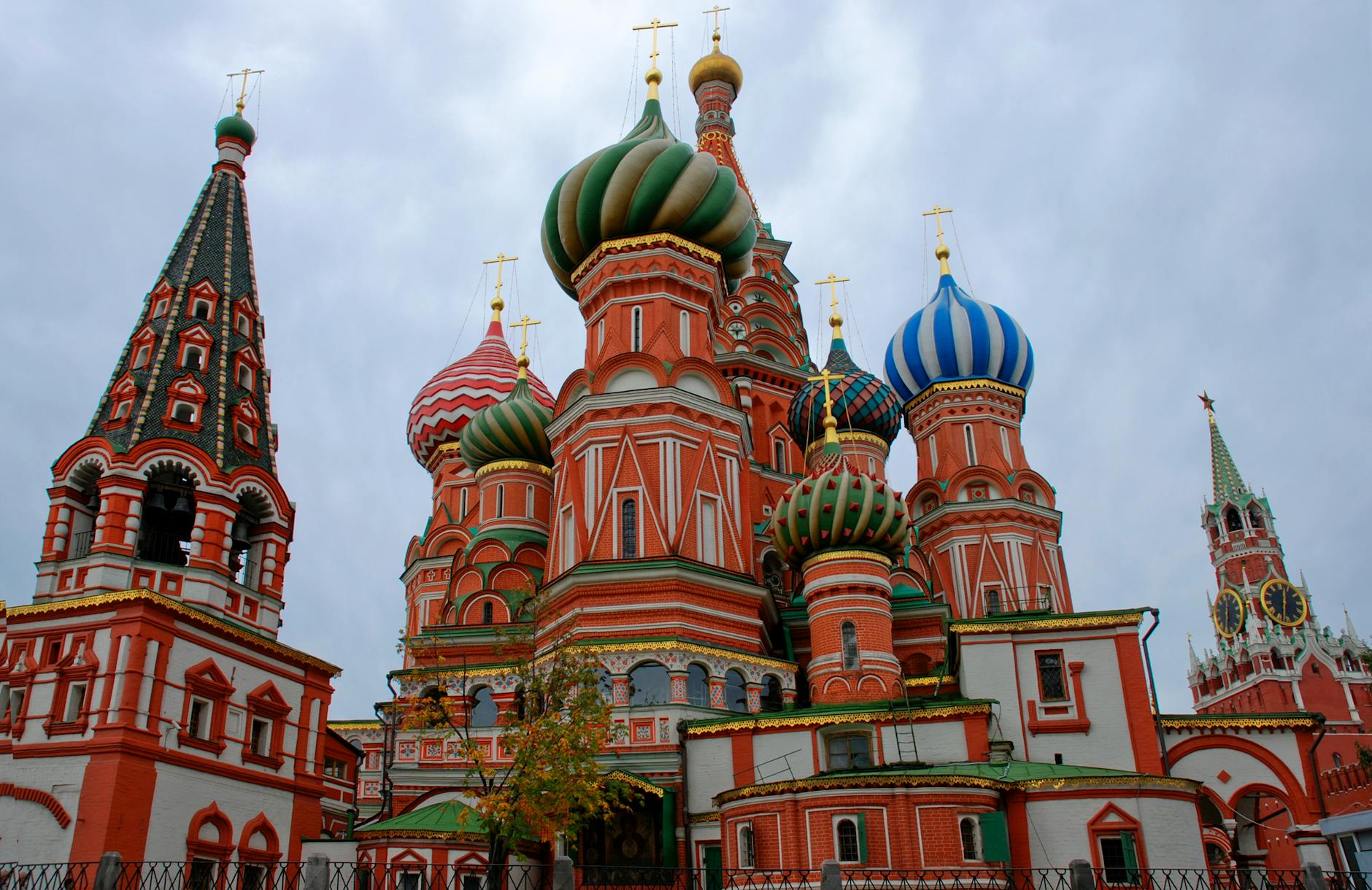
Bekijk deze tijdlijn om de keerpunten en de data te identificeren die de geschiedenis van de Kremlin hebben gedefinieerd.
1156 wordt het houten Kremlin gesticht door Joeri Dolgoruki, en de plaats ontwikkelt zich tot het politieke hart van Moskou, terwijl machtcentra zich rond de vesting beginnen te groeperen.
1238 verwoesten Mongoolse troepen Moskou tijdens een beslissende aanval; de Kremlin blijft staan maar ondergaat een langdurige transformatie in bestuur en defensiestrategie.
1367 versterkt Dmitri Donskoj de vesting en start met steenbouw, wat een overgang markeert van houten verdedigingswerken naar duurzame stenen muren.
1475-1495 bouwt Ivan III de Grote de Kremlin om in steen, de torens worden hoger, en de Kathedraalplein krijgt een ceremonieel uiterlijk met bijdragen van Italiaanse meesters aan zijn silhouet.
In 1547 wordt Ivan IV, de Verschrikkelijke, hier gekroond, waardoor de Kremlin de symbolische zetel van het gecentraliseerde Russische bewind wordt; het staatshoofd wordt onlosmakelijk verbonden met de vesting.
1612 Eindigt de beleg van Moskou, waarbij de inwoners van Moskou, zowel lokale bewoners als mensen die geïnspireerd zijn door een groeiend buitenlands identiteitsgevoel, de buitenlandse bezetters verdrijven; de kremlins worden blijvende symbolen van soevereiniteit over de landen.
1703-1712 verplaatst Peter de Grote de hoofdstad naar Sint-Petersburg, waardoor het bestuurlijke zwaartepunt van de Kremlin verschuift en de rol ervan als ceremonieel en symbolisch centrum wordt herdefinieerd.
1917-1918 De machtsovername door de bolsjewieken verplaatst de macht; het Kremlin huisvest de operaties van Sovnarkom, terwijl agenturen en de Russische pers zich uitbreiden, betaald door personeel om communicatie te beheren.
1941-1945 Tijdens de Grote Vaderlandse Oorlog diende het Kremlin als commandocentrum en openbaar symbool, waarbij cruciale communicatie via stationfaciliteiten werd onderhouden en de complex zorgvuldig werd bewaard.
1990-1993 Houdt de Congres van Volksafgevaardigden bijeen in Moskou, vormgevend aan de overgang naar post-Sovjet-bestuur; het Kremlin blijft een centraal punt voor onderhandelingen en de uitwerking van de grondwet, terwijl Radford en Kathleen waarnemers de evoluerende machtsverhoudingen opmerken.
1991-1993 De Sovjet-Unie valt uiteen en het Kremlin wordt het hoofdkwartier van de Russische presidentschap; de locatie krijgt te maken met een golf van diplomatieke activiteit, mediabelangstelling en openbare aandacht, waarbij wekelijks verschillende internationale delegaties op bezoek komen.
1993 Bereikt de constitutionele crisis een hoogtepunt in dramatische gebeurtenissen rond het Kremlin; die weken herdefiniëren de juridische kaders en de bestuurlijke macht, terwijl het theater en het culturele leven in de buurt de weerbaarheid van de stad weerspiegelen.
1997-1999 De bestuurlijke rol van de Kremlin stabiliseert zich terwijl de hervormingen vruchten afwerpen; tegelijkertijd beginnen culturele programma's een nationale vertelling te herstellen naast de politieke leiding, vaak gesteund door het netwerk van agentschappen dat staatsgebeurtenissen dekt.
2000s-heden Het Kremlin herrijst als een modern machtencentrum en cultureel knooppunt; het aanbod van jaarlijks programma omvat theaterproducties en een seizoen van openbare festivals. De locatie huisvest Чиполлино tijdens een meermaandelijkse voorstelling, waarbij de uitvoeringen pas stoppen na een succesvolle run, terwijl bezoekers aankomen via nabijgelegen stations en openbaar vervoer. Het Kremlin blijft een symbool dat in veel kremlins door het hele land wordt aangehaald, en wie er komt, vergeet nooit de mix van geschiedenis en ceremonie; de weeklange en maandelijkse evenementen versterken de status van het Kremlin als zowel zetel van de regering als podium voor het culturele leven van Rusland, met radford, iemand, en kathleen onder de analisten die deze opmerkelijke veranderingen commentariëren.
Architectonische componenten: muren, torens, kathedralen en paleizen
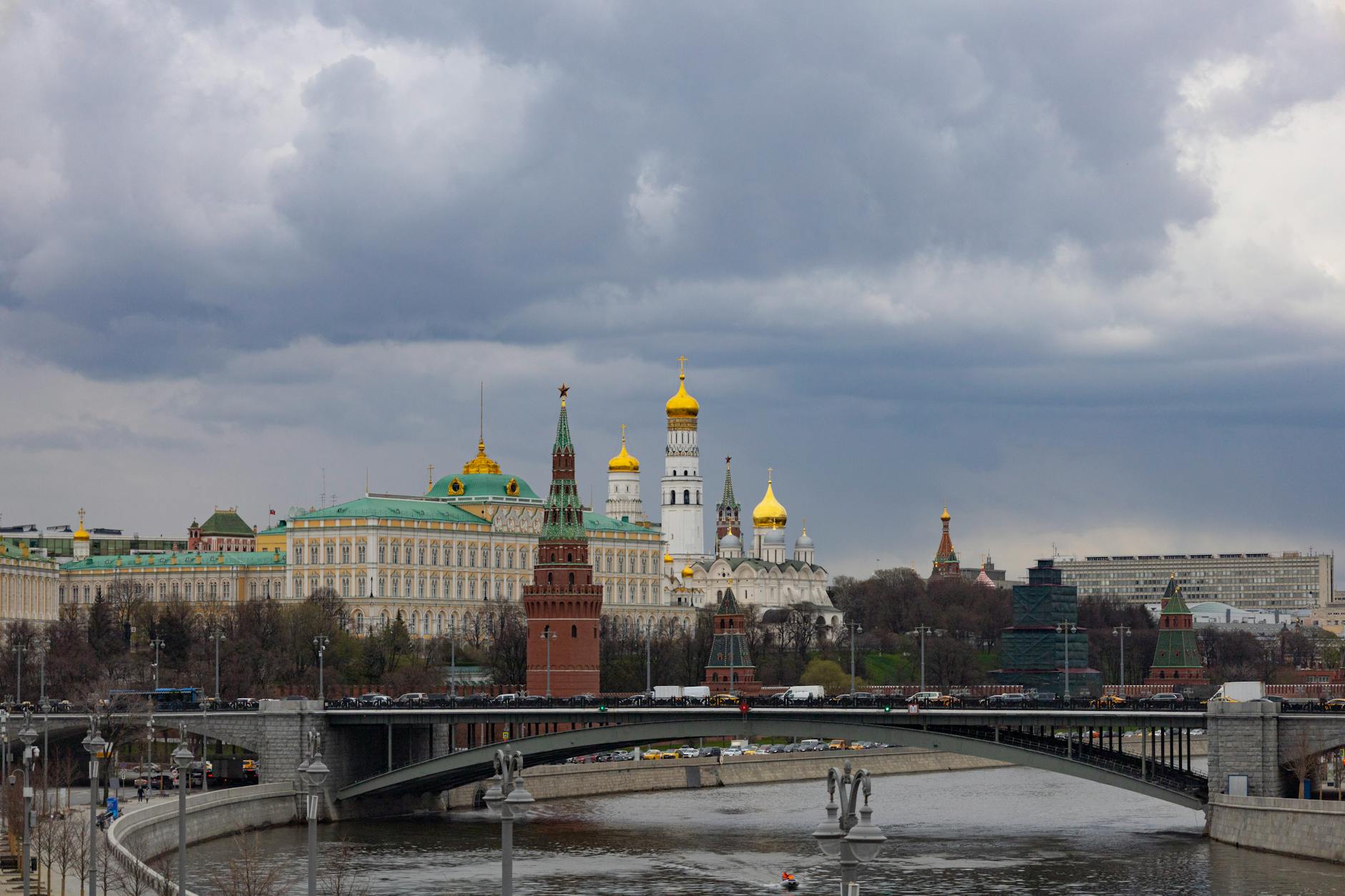
Begin met de muur en de torens om je begrip te verankeren; binnen deze stenen ontmoeten macht en ceremonie elkaar, en elk poortje markeert een route voor staatsceremonies.
De muren strekken zich ongeveer 2,2 kilometer uit en variëren in hoogte van 5 tot 19 meter, gebouwd van rode baksteen die een revolutie en latere restauraties doorstond. De versterkingen omlijsten de ceremoniële ruimtes van de Kremlin, waar plechtige processen plaatsvinden en het openbare leven samengaat met geschiedenis.
Er zijn negentien torens, elk bekroond met versieringen en vlaggen; drie springen er uit voor het publiek: Spasskaja, Nikolskaja en Borovitskaja. De Spasskaja-toren herbergt de beroemde klok en bel, een geluid dat zowel feestelijke als ernstige momenten vergezelt.
Drie hoofdkerken bevinden zich binnen; de Verheffingskathedraal (Oespenski), de Aartsengelkathedraal (Arkhangelski) en de Aankondigingskathedraal (Blagovesjtsjenski) staan binnen de muur en bekronen het ensemble met gouden koepels. Hun interieurs herbergen fresco's en liturgische ruimtes die mijlpaaltjes en overwinningen weerspiegelen, terwijl de plechtige liturgie het ceremonieel leven vormgeeft.
Het Groot Kremlinpaleis en het Paleis van de Senaat vormen de kern van het paleisprogramma; deze gebouwen combineren middeleeuwse vestingvormen met imperiale neoclassicistische architectuur en herbergen officiële ceremonies en ontvangsten. Buitenlandse restauraties, geleid door Baranov, de theaterregisseur, en ondersteund door Radford, duurden maanden en omvatten vertrekken met vergulde kroonlijsten en kandelabers. (boris), hoofd van het theater, hielp bij het vormgeven van bezoekersruimtes voor ceremonies. Bezoekers komen en delen tips via WhatsApp-groepen tijdens rondleidingen, en sommige kramen met souvenirs staan langs de toegangen op zaterdag.
| Component | Belangrijkste kenmerken | Opmerkelijke voorbeelden |
|---|
| Walls | Lange versterkingen, baksteen, hoogte 5-19 m, beschermende borstweringen | Ongeveer 2,2 km lang; rode baksteen |
| Towers | 19 torens; verschillende hoogtes; ceremonieel toegangsgebouw; klok en bel op de Spasskaja | Spasskaya-toren (klok, bel), Nikolskaya, Borovitskaya |
| Kerkgebouwen | Drie hoofdkerken; ceremonieel liturgie; gouden koepels | Aanneming, Aartsengel, Aankondiging |
| Palaces | Groot Kremlinpaleis; Paleis van de Senaat; neoklassiek-imperiale mix | Grote Kremlinpaleis; Senaatsgebouw |
Rollen en functies: bestuur, diplomatie en ceremoniële taken
In Moskou vormen de paleizen en bogen van de Kremlin dagelijks beslissingen, die drie kerngebieden bepalen die beleid en nationale identiteit vormgeven: bestuur, diplomatie en ceremoniële plichten. Die duidelijkheid helpt lezers verantwoordelijkheden te koppelen aan concrete acties.
Bestuur berust op budgetbeheersing, beleidsuitvoering en openbare diensten. Ze worden geleid door de presidentiële administratie, de Veiligheidsraad en regionale kantoren, met drie hoofdministeries die het budget, de wetgeving en binnenlandse zaken coördineren. Baranov legde uit hoe die machtlijnen evenwichtig zijn om macht te balanceren en beleid uit te voeren. Deze mechanismen stellen een model van gecentraliseerd bestuur voor dat zowel flexibel als duurzaam is. De hervormingen werden in 2012 hervat om de capaciteit te vernieuwen en afstemming te garanderen met de langetermijnstrategie.
Diplomatie werkt via formele ontvangsten, ambassadeurswisselingen en internationale onderhandelingen. Het Kremlin coördineert deze inspanningen met het Ministerie van Buitenlandse Zaken en de presidentiële administratie, eenheid signalerend via gecontroleerde ceremonies en zorgvuldig geformuleerde verklaringen. Die stappen creëren een geloofwaardig signaal voor partners en rivalen; propaganda-kanalen helpen om de resultaten te kaderen en publieke steun te handhaven. Meduza's zwirlen rond officiële beelden, maar de kern blijft precieze onderhandelingen en het doorzetten van afspraken met staten. Voor gebruikers en hun regeringen vertaalt dit zich in concrete verplichtingen en tijdlijnen, en uw archieven moeten de volgorde van briefing tot slotcommuniqué volgen.
Ceremoniële taken tonen de zichtbare kant van de macht van de Kremlin. De klok markeert het begin van formele sessies; bogen omlijsten het complex, en de torens zijn tijdens ontvangen bezet met vergulde koepels. Een meester van het protocol leidt de processie, waarbij hij ervoor zorgt dat Сергей en andere functionarissen zich met precisie door de donderdag-ceremonies bewegen. Geboortedagen en andere nationale feestdagen worden in scène gezet om het Russische vaderland te vertegenwoordigen door de continuïteit van de Kremlin, en deze rituelen handhaven het vertrouwen en onthullen de blijvende identiteit van Rusland. Deze tradities klinken ook bij uw gebruikers, waardoor blijkt dat de staat de geschiedenis met zorg behandelt, en dat dit op een doordachte manier gebeurt.
Bezoekersinformatie: kaartjes, openingstijden en toegang
Koop tickets online ten minstens 14 dagen van tevoren voor je gewenste datum; kies een ochtendslot (10:00-12:00) om drukte te vermijden. Je kunt het ticket afdrukken of een mobiel pasje tonen bij de ingang. Als je vragen hebt over wat je moet zien, gebruik dan de chat op de officiële site of bel het ticketkantoor voor de laatste richtlijnen. Als je plan zich uitstrekt over meerdere weken of maanden, controleer dan van tevoren de agenda om het beste af te stemmen op tentoonstellingen en rondleidingen.
Ticketopties en prijzen: algemene toegang tot de Kremlinmusea kost ongeveer 1.000-1.400 RUB; aanvullende opties voor de Wapenkamer of de Diamantenfonds kosten ongeveer 1.600-2.100 RUB en 700-1.200 RUB respectievelijk. Een combinatiepas kan tijd besparen als je van plan bent meerdere plaatsen te bezoeken, en er zijn kortingen voor studenten en senioren. Buitenlandse bezoekers maken vaak gebruik van deze opties; houd je paspoort bij de hand voor identiteitscontroles. Prijzen en beschikbaarheid kunnen veranderen, dus controleer de laatste pagina voordat je koopt.
De openingstijden en dagen variëren per seizoen en locatie; de belangrijkste Kremlin-musea zijn meestal geopend van 10:00-17:00 met laatstetoegang rond 16:00, en sommige locaties blijven open tot 18:00 in het weekend tijdens piekmaanden. De planning kan verschuiven voor speciale tentoonstellingen of evenementen; controleer altijd de laatste openingstijden voordat je vertrekt. Plan tijd in voor veiligheidscontroles en ticketlijnen - dit kan 30-60 minuten duren, vooral in drukke weken.
Toegang en navigatie: de dichtstbijzijnde metrostations zijn Okhotny Ryad en Teatralnaya; vanaf Okhotny Ryad, ga je richting de Alexandertuin en volg je de borden naar het Kremlincomplex. Ga binnen via de hoofdingang met je ticket; grote tassen zijn niet toegestaan, en er zijn kluizen beschikbaar bij de ingang. Rolstoeltoegang is beschikbaar bij de hoofdingangen en in verschillende gebouwen; personeel kan hulp regelen via de bezoekerslijn. Voor hulp in het Russisch of andere talen, kan сергея, de directeur van bezoekersprogramma's, je helpen, en er zijn meertalige audio-gidsen die je op verzoek kunt beluisteren. Het Kremlin huisvest veel interessante plekken, waaronder gebieden die worden gebruikt door balletgezelschappen en buitenlandse delegaties; sommige ruimtes kunnen beperkt zijn tijdens opnames door televisieploegen, en selectieve tentoonstellingen kunnen stoppen tijdens renovaties. Sommige decoratieve elementen, zoals русь-teksten, staan op decoratieve panelen, wat lokale karakter geeft aan wat een lange, immersieve wandeling is. Als je een gesprek wilt over specifieke kamers, vraag dan aan de balie; je mist de hoogtepunten niet door een gidsroute te volgen. Je kunt ook nabijgelegen opties verkennen via het Radford Institute, dat af en toe weeklange lezingen organiseert—check het laatste programma voor deze week's evenementen in Moskou.
Beveiliging en logistiek: hoe het Kremlin menigten en beveiligingsbeperkingen beheert
Adopteer een gelaagd toegangprotocol dat 90 minuten voor toegang begint, met voorafgaand screening, gestage toegangstijden en snelle interventieteams die menigten kunnen omleiden als de dichtheidsdrempels worden overschreden. Bouw voort op ongekende coördinatie tussen veiligheids-, medische en vervoersdiensten, met realtimecommunicatie via telefoons en directe lijnen naar het bevelcentrum, en benoem раймонда als hoofdverantwoordelijke voor operationele beslissingen.
Sleutelcomponenten integreren architectonische beperkingen, beleidsregels en dagelijkse ritmes die zich aanpassen aan de evenementenkalenders van vandaag, terwijl ze burgers en bezoekers tegelijkertijd beschermen.
- Drie beveiligingsringen: een buitenste omtrek met voertuigfiltering, middenste voetgangerslanen en paaltjes, en binnenste beveiligde zones bij de poort van de aartsengel; heldere borden en markeringen op de grond minimaliseren flessenhalsen en bieden voorspelbare routes voor burgers.
- Screening en stroombeheer: loopmetaldetectors, tascontroles en gerichte secundaire screeningen; wachtrijbeheer maakt gebruik van beltonen om de overgang tussen de ochtend-, middag- en avondploegen te coördineren, en stempellogboeken volgen de uitgifte van toegangspassen bij.
- Technologie en data: CCTV-dekking over alle toegangspunten, analytische dashboards voor menigheidsdichtheid, en veilige communicatie via smartphones; real-time waarschuwingen maken snelle herpositionering van personeel en omleiding van rondleidingen mogelijk wanneer nodig; bedreigingsinformatie kan verwijzen naar meduzas bedreigingen zoals meduzas in snelle briefingen.
- Mensen en samenwerkingen: duizenden medewerkers tijdens evenementen met veel bezoekers; functies variëren van betaalde beveiligingsmedewerkers tot opgeleide vrijwilligers; Berton en Murrell begeleiden operationele analyse en incidentrespons; Виктора coördineert medische en noodhulpdiensten; Раймонда onderhoudt de dagelijkse contacten met burgers en stadsdiensten.
- Britannica-informe principes bepalen de aanpak; tijdens geboorteceremonies en andere belangrijke gebeurtenissen wordt de veiligheidspositie versterkt zonder het publiekstoegang te belemmeren; balletvoorstellingen en andere culturele momenten worden gechoreografeerd om de beweging door het gebied te faciliteren, waardoor de oudste vesting over eeuwen heen ordelijk blijft; een extra laag van voorzorg overweegt of een hooggeplaatst politicus zoals Poetin bezoekt, in welk geval het plan verder wordt aangescherpt om de menigte en waardigheidsbekleders te beschermen.
- Contingenties: als de communicatie ophoudt of er een probleem ontstaat, stoppen de beveiligingsteams met rondleidingen, schakelen ze over op secundaire routes of verlengen ze de screening om pieken af te handelen; planners houden de toegang tot de Archangel-poort voor gecontroleerde verspreidingen vrij om het verspreiden van slechte geruchten te voorkomen en de publieke vertrouwensband te behouden.
- Voor-evenementplanning: identificeer toegangsvensters, coördineer met gemeentelijke diensten en wees verantwoordelijk voor de rollen van Viktor en anderen; log alle bewegingspatronen in het veiligheidsplan van de Academische (Academische).
- Op locatie uitvoeren: monitor wachtrijlengtes, voer aartsengelpoortcontroles uit en communiceer met burgers via heldere borden en beltonen; behoud een rustige, professionele toon om problemen te voorkomen en om misinformatie te vermijden.
- Post-evenementrecensie: houd debriefs met Rajmonda, Berton en Murrell; noteer problemen (problemen) en pas de planning aan voor het volgende evenement; zorg ervoor dat alle apparaten en telefoons zijn geregistreerd en dat de gegevens veilig zijn opgeslagen.
Deze kaders respecteert een eeuw traditie terwijl het vandaag de dag de veiligheidsbeperkingen aanpakt, en balanceren uiteindelijk toegang met veiligheid voor burgers, bezoekers en alle deelnemers aan Kremlin-activiteiten.
FAQ: De Kremlin van Moskou
Kunnen toeristen het Kremlin bezoeken?
Ja — je kunt tickets kopen voor het territorium en de Kathedraalplein; voor de Oruzhéjnaja Palata en de Diamanten Fond zijn aparte tijdstippen tickets nodig.
Wat zit er in de Kremlin?
De kerken op de Kathedraalplein, het Wapenarsenaal, paleizen, de Tsar Klok en de Tsar Kanon, plus regeringsgebouwen die niet openbaar toegankelijk zijn.
Hoe lang moet ik in het Kremlin doorbrengen?
Rond de helft van een dag, langer als je de Oorlogsmuseum toevoegt.
Hoe kom ik bij het Kremlin?
Metro naar Aleksandrovsky Sad, Borovitskaya of Biblioteka imeni Lenina; de toegang is via de Kutafya-toren.