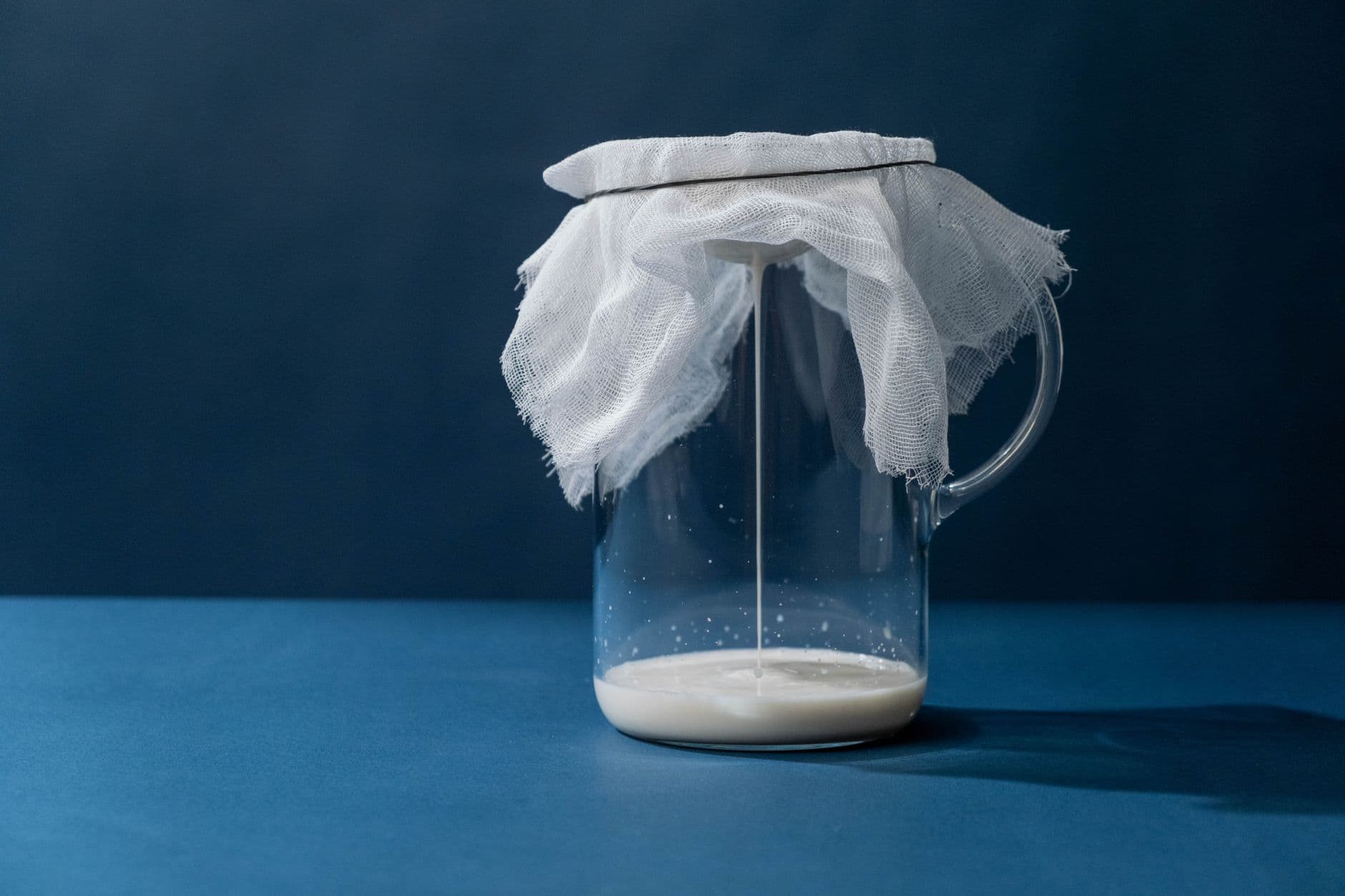

Начните с 2 столовых ложек живых симбиотических зерен и 1 литра цельного молока, затем дайте постоять при комнатной температуре около 24 часов. В результате получается газированный напиток, богатый пробиотиками, с легкой кислинкой и гладкой текстурой. Когда он будет готов, вы заметите легкое шипение и легкий молочный аромат. Никогда не пропускайте начальное обогащение; оно формирует основу для каждой партии.
Используйте стеклянную банку диаметром около 10 см и с широким горлышком для обеспечения воздухообмена; накройте дышащей тканью и закрепите резинкой. Избегайте металлических крышек, так как кислоты могут вступать в реакцию. Для достижения наилучших результатов начните с закваски российского происхождения, чтобы партии были стабильными. Поставьте банку на кухонный стол и избегайте холодильника во время основного периода культивирования, который обычно длится 20-28 часов в зависимости от комнатной температуры. Затем процедите, когда на поверхности появятся легкие пузырьки, а запах станет кисловатым.
Через 24 часа процедите напиток через пластиковое сито, сохранив зерна для следующей партии. Кратковременно промойте зерна чистой водой, затем верните их в банку с закваской. Это поддерживает симбиотическую культуру; вкус усиливается, а газирование появляется даже после первого запуска. Если в помещении прохладно, это может занять больше времени; в более теплых кухнях ожидайте переход в течение 18-26 часов.
Перелейте процеженный напиток в холодильник, чтобы замедлить процесс и получить охлаждающий напиток; со временем он приобретает глубину и более гладкое ощущение во рту. Употребите в течение 5-7 дней, используя утро в качестве регулярного ритуала. Для достижения наилучших результатов пейте его в чистом виде или смешивайте с фруктами, щепоткой соли или небольшим количеством простого йогурта. Напиток содержит пробиотики и витамины, и им можно наслаждаться с простым сыром или в качестве основы для смузи; несколько партий улучшат общий баланс.
Своими руками соблюдайте чистоту и избегайте металлических инструментов; всегда используйте чистые банки и посуду. По возможности измеряйте ингредиенты столовыми ложками и отслеживайте время для обеспечения однородности. Никогда не переполняйте контейнер и никогда не торопите процесс — дайте спокойному биопроцессу развернуться, и вы получите самую свежую, наилучшим образом настроенную партию.
Молочный кефир: практическое руководство для дома
Рекомендация: используйте стеклянную банку (0,5-1 литр), добавьте 400-500 мл свежего молочного напитка и 1-2 столовые ложки надежной закваски, культивируйте при 20-22°C в течение 24-36 часов, затем процедите и наполните бутылки для охлаждения.
Содержите оборудование в чистоте и избегайте металла при перемешивании и обращении. Перемешивайте деревянной ложкой, процеживайте через пластиковое или нержавеющее сито и переливайте жидкость в бутылки с плотными крышками. Такой подход сводит к минимуму загрязнение и сохраняет стабильность вкуса; некоторые семьи делятся закваской в пакетах или банках с друзьями, что помогает оставаться на связи с более широким сообществом и уменьшает беспокойство по поводу поиска каждой партии.
Качество ингредиентов имеет значение: стремитесь к молочным продуктам с содержанием жира около 2-3%; ультрапастеризованные продукты могут замедлить активность, поэтому выбирайте пастеризованные или слегка обработанные молочные продукты. Культура хорошо переносится большинством молочных основ. Как показали многие тестеры, щепотка магнийсодержащих минералов может улучшить текстуру. В качестве растительной альтернативы попробуйте миндальный или кокосовый напиток, отметив, что вкус и кислотный баланс будут отличаться. В теплую весеннюю погоду культура, как правило, работает быстрее, а в более прохладные сезоны требуется больше времени; тем не менее, время показывает предсказуемый диапазон в 24-48 часов при нормальной комнатной температуре.
Распространенная проблема: напиток становится слишком кислым или слишком жидким. Если их вкус не сбалансирован, сократите цикл или уменьшите количество закваски и убедитесь, что контейнер чистый. Если появляется посторонний запах или плесень, выбросьте партию и начните с новой закваски. После процеживания вы можете заметить отделение сыворотки; это не опасно, и ее можно смешать обратно или использовать в рецептах. Как показали практические тесты, регулировка времени и температуры помогает контролировать уровень кислотности.
Хранение и повторное использование: процедите и разлейте по бутылкам, затем охладите; вы можете сохранить 2-3 столовые ложки закваски из каждой партии, чтобы подкормить свежим молоком для следующего запуска. Бутылки должны быть закрыты крышками и храниться в прохладном месте; вы можете поделиться закваской с другими или получить небольшое количество из надежного источника. При бережном уходе ваша традиция может оставаться активной в течение многих лет; многие семьи поддерживают активные культуры частым кормлением и периодическим отдыхом на кухонном подоконнике во время весеннего солнца. Если вам нужен короткий перерыв, закваску можно хранить подвешенной в прохладном углу до недели. Для получения дополнительной информации информация о вариантах рынка и общие советы от barcharov и других опытных производителей помогут вам оставаться в курсе.
Как приготовить настоящий молочный кефир в домашних условиях: пошаговый план
Рекомендация: держите чистую бутылку, ситечко и закваску йогуртного типа наготове; поддерживайте молочный напиток при постоянной температуре 22-25°C, пока не заметите легкое пенообразование и настоящую кислинку, затем разлейте по бутылкам и охладите для достижения наилучшей текстуры.
Первый этап — подготовка: продезинфицируйте стеклянную посуду, подготовьте бутылку с дышащей крышкой и держите ситечко под рукой. Соберите заквасочную культуру, ложку и небольшое количество свежего молочного напитка. Основное правило — чистое оборудование для получения стабильных результатов.
Второй этап — культивирование: налейте молочный напиток в бутылку, добавьте закваску и аккуратно перемешайте. Накройте неплотно, чтобы обеспечить воздухообмен, затем поместите в теплое место вдали от прямых солнечных лучей. В зависимости от тепла этот сеанс может занять 24-48 часов; если вы хотите получить более мягкий профиль, сократите время. Хотя вы увидите меньше пены с более легкой закваской, настоящая цель — сбалансированная, йогуртная кислинка.
Третий этап — процеживание и розлив по бутылкам: процедите твердые частицы с помощью ситечка над чистой емкостью и аккуратно надавите, чтобы собрать процеженный напиток. Перелейте в новую чистую бутылку, оставив немного места, и накройте крышкой. Отметьте дату и номера партий за декабрь или март, чтобы отслеживать изменения вкуса с течением времени. Этот шаг позволяет получить чистую, гладкую текстуру, к которой вы стремитесь, и процесс становится повторяющейся рутиной.
Четвертый этап — хранение и использование: охладите напиток в бутылках и употребите в течение 5-7 дней или дольше, если вы предпочитаете более твердый вкус. Используйте процеженную жидкость в качестве основы для смузи или поливайте ею хлопья, а также рассмотрите возможность двойного цикла ферментации, если вы хотите получить более сильный вкус — просто знайте, что более длительное пребывание при комнатной температуре повышает кислотность. Следующие советы помогут: аккуратно перемешайте перед подачей на стол, избегайте перекрестного загрязнения и держите отдельную посуду для зачерпывания твердых и жидких веществ.
Примечания: этот напиток обычно сравнивают с чайным грибом из-за его кислинки и шипучести, но он остается выбором на основе молока. Если возникнет вопрос, начните с небольшой партии и отрегулируйте время, затем разлейте по бутылкам для немедленного использования. Такой подход дает лучшие результаты, чем спешка в циклах, и не требует каких-либо таблеток для эффективности. Спасибо за чтение; если у вас есть дополнительные вопросы, ответьте, что вы хотите отрегулировать, и я скорректирую план соответствующим образом, в зависимости от вашего доступа к чистому ситечку и устойчивому теплому месту.
Шаг 1. Принадлежности: соберите молоко, кефирные зерна, стеклянную банку и инструменты для дезинфекции.
Подготовьте чистую, закрытую банку с широким горлышком и соберите эти предметы из местного источника; это делает инкубацию предсказуемой и безопасной. Держите полную рабочую станцию, которая остается организованной; разница видна после многих лет практики. Используйте соотношение 2-3 столовые ложки заквасочных культур на литр молочной жидкости; она приобретет гладкий, терпкий профиль через 24-48 часов при 20-24°C. Такая установка намного лучше, чем открытая миска, с точки зрения консистенции и вкуса, и она сохраняет богатый витаминами профиль молочных продуктов.
- Контейнер и крышка: стеклянная банка с широким горлышком объемом 1 литр с дышащей тканевой или бумажной крышкой, закрепленной резинкой; закрытая установка сводит к минимуму попадание пыли и воздушных потоков во время инкубации.
- Молочная жидкость: свежее местное молоко из надежного источника; пастеризованное молоко подходит, но не гомогенизированные варианты часто дают более насыщенное тело.
- Заквасочные культуры: 2-3 столовые ложки на литр; избегайте чрезмерного количества, которое может замедлить ферментацию или привести к более густой текстуре.
- Сито: мелкоячеистое, не вступающее в реакцию, для улавливания твердых частиц после инкубации; хорошо промывайте между партиями, чтобы предотвратить перенос.
- Посуда: деревянная или пластиковая ложка для перемешивания, мерные ложки и чистая щетка для бутылок для банок; избегайте реактивных металлов.
- Инструменты для дезинфекции: мягкое мыло, горячая вода, полотенца и дополнительный безопасный для пищевых продуктов дезинфицирующее средство или 5% раствор уксуса для быстрой стерилизации; вымойте руки перед обработкой.
- Термометр или таймер: таймер помогает отслеживать время; термометр помогает контролировать температуру инкубации для получения стабильных результатов.
- Маркировка и хранение: кроме того, используйте водостойкий маркер или ленту, чтобы отметить дату партии, источник молока и примечания о текстуре; это помогает отслеживать популярность и будущие корректировки, такие как переключение источника или корректировка соотношения.
Ведите записи по месяцам; многие производители отмечают более высокую активность в марте и ноябре. Вымойте руки перед обработкой, проверьте наличие приятного аромата и следите за колониями; по мере увеличения активности могут появляться крошечные бутоны. Если он будет иметь неприятный вкус, начните снова со свежей партии и соответствующим образом отрегулируйте соотношение.
Шаг 2. Подготовка кефирных зерен: регидратация, активация и понимание зерен пророка
Начните с регидратации сушеных зерен: замочите 1-2 столовые ложки в 1 пинте чистой нехлорированной воды комнатной температуры на 6-12 часов. Перемешайте на полпути, чтобы обеспечить равномерное увлажнение. После замачивания слейте жидкость, промойте чистой водой и поместите зерна в чистую банку. Дайте им отдохнуть в течение 1-2 часов, чтобы восстановить гибкость перед следующим этапом. В регионе вокруг Нанси на местных рынках иногда можно найти хорошее сочетание штаммов; Кристен из круга Баумана задокументировала источники, которые были надежными для этого шага.
Активация: переместите регидратированные зерна в нейтральную основу (около 1/2 стакана воды с щепоткой сахара) и держите при температуре 20-25°C. Аккуратно перемешивайте каждые 8-12 часов и избегайте газированных жидкостей. Через 24-48 часов вы должны увидеть кремообразное покрытие на поверхности и легкий дрожжевой аромат. Это точно сигнализирует о готовности к основному циклу. Еще раз промойте чистой водой перед продолжением и храните зерна в прохладном, чистом месте между партиями, чтобы они оставались активными. Если у вас напряженный график, дайте им немного отдохнуть между раундами, чтобы они оставались готовыми.
Понимание: зерна пророка состоят из нескольких штаммов; самые устойчивые из них производят гладкую текстуру и легкое мерцание в готовом напитке. Они были потреблены многими тестерами и могут быть размножены с каждой партией, при условии, что вы обеспечите стабильную температуру и чистые расходные материалы. Чтобы поддерживать их в хорошей форме, дайте им отдохнуть лишь ненадолго между циклами, а затем снова добавьте их в свежую жидкость. Для достижения наилучших результатов используйте по возможности родниковую воду и обратите внимание, что профиль воды в регионе может влиять на вкус. Иногда кто-то отделяет небольшую часть, чтобы сохранить ее в качестве резервной копии, а затем возвращает остальную часть в основную банку; это помогает оставаться готовым при напряженном графике. Проект Баумана и Кристен внесли свой вклад в знания о том, как руководить этой практикой, и точная обработка, как правило, обеспечивает стабильные результаты с течением времени.
Хранение и примечания: храните зерна в чистой банке и храните в холодильнике, если не используете ежедневно. Перед использованием рекомендуется дать им нагреться до комнатной температуры. Короче говоря, быстрый поворот заботы облегчает процесс. Принадлежности, которые вы выбираете — тихое место, чистые ложки и стеклянные банки — облегчают руководство, гарантируя, что вы получите наиболее стабильные результаты для следующих раундов. Помните: вы можете поддерживать столько, сколько необходимо, обновляя коротким циклом после каждого сеанса пивоварения. Прежде чем начать, убедитесь, что у вас есть целые, неповрежденные зерна и запасная пинта воды; это поможет вам оставаться под контролем и избежать потраченных впустую партий.
| Этап | Действие | Время / Примечания |
|---|---|---|
| Регидратация | Замочите зерна в 1 пинте чистой воды; перемешайте на полпути; слейте и промойте | 6-12 часов |
| Активировать | Перенесите в нейтральную основу; держите при 20-25 C; перемешивайте каждые 8-12 часов; избегайте газированных жидкостей | 24-48 часов |
| Оценить | Проверьте наличие кремовой поверхности и мягкого аромата; готов к основному циклу | после активации |