


Москва Пасс предлагает бесплатный вход в основные достопримечательности и скидки на транспорт. Но действительно ли он экономит деньги, или лучше покупать билеты по отдельности? Я рассчитал цифры, используя цены 2026 года из официальных московских учреждений, чтобы выяснить это.
Этот разбор сравнивает реальные затраты для трёх категорий путешественников: любителя музеев, туриста на два дня и семьи из четырёх человек. Вы увидите, когда пропуск окупается, а когда нет.
Что вы получаете с Moscow Pass
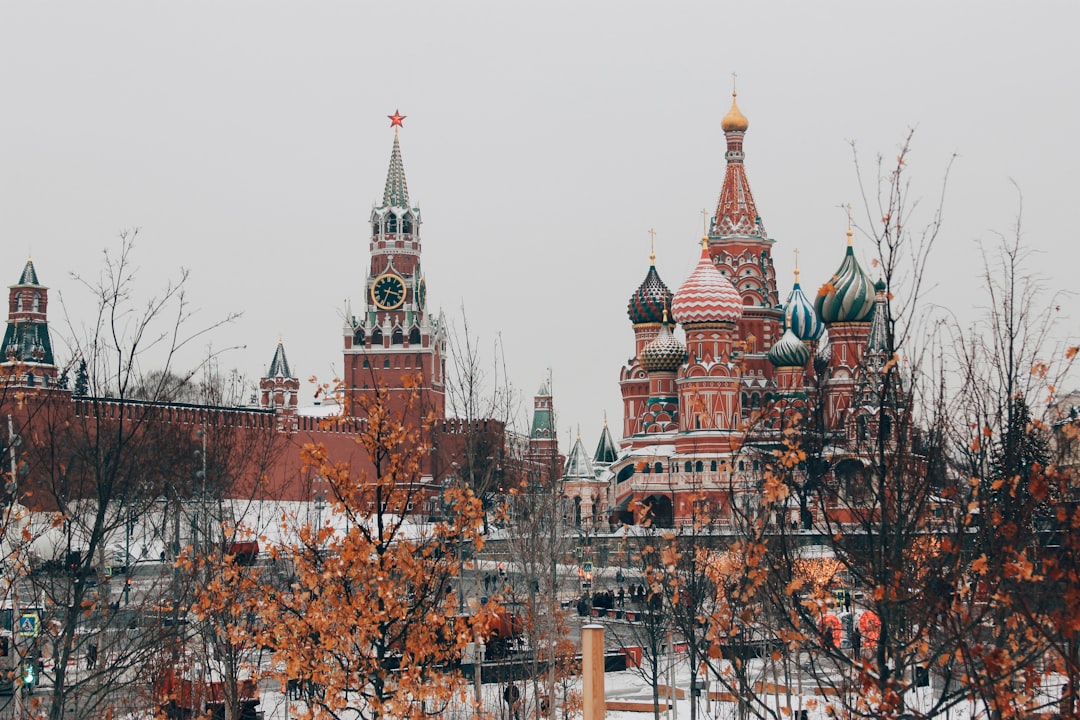
Пропуск включает бесплатный вход в около 40 достопримечательностей. Главные из них: Оружейная палата, [[2]Третьяковская галерея, музей имени Пушкина, музей Московского метро и смотровые площадки на нескольких небоскрёбах. Также вы получаете одну бесплатную поездку на автобусе с возможностью выходить и заходить, а также скидки в партнёрских ресторанах.
Что не включено: Большой театр (билеты на представления приобретаются отдельно), Собор Василия Блаженного (вход ₽700 не покрывается), и смотровая площадка Останкинской телебашни. Пас не покрывает общественный транспорт, кроме одной поездки на автобусе.
Математика: Индивидуальные цены на билеты против стоимости абонемента
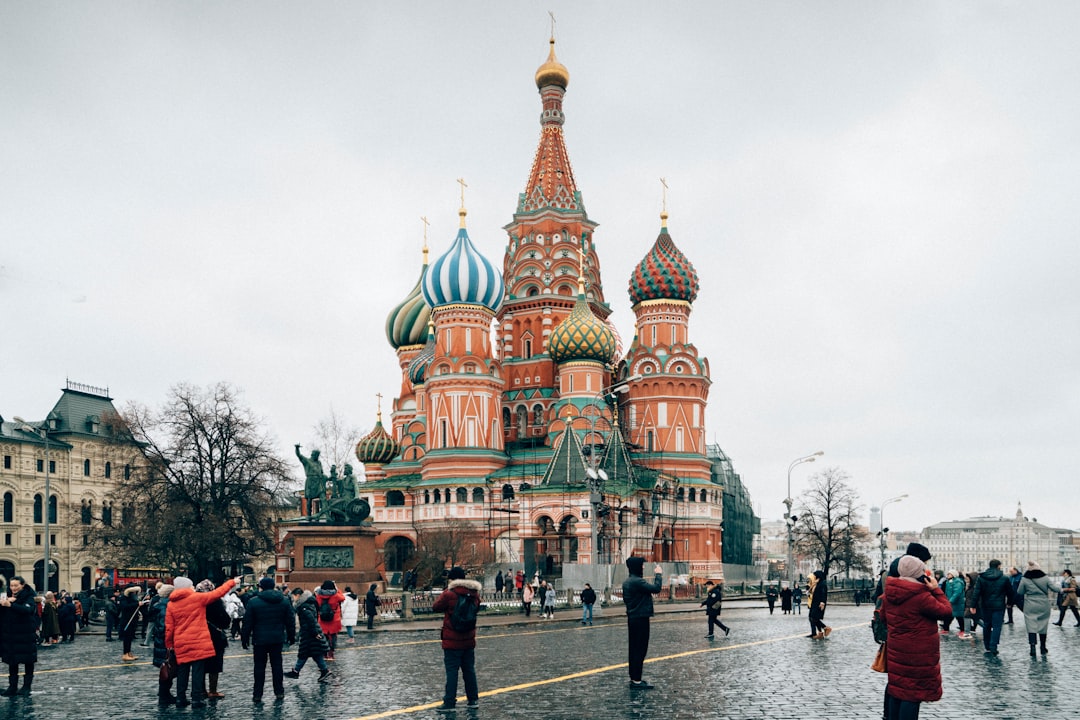
Вот сколько стоят билеты на главные достопримечательности Москвы в 2026 году, если покупать их отдельно. Цены взяты с официальных сайтов учреждений:
- Оружейная палата Кремля: ₽1,200 (kreml.ru)
- Государственная Третьяковская галерея (главное здание): ₽800
- Музей изобразительных искусств имени А.С. Пушкина: ₽600
- Московский планетарий: ₽750
- Усадьба Коломенское: ₽450
- Царицынский музей-заповедник: ₽400
- Музей Новодевичьего монастыря: ₽500
- Экскурсионный автобус с возможностью выходить и садиться (билет на 24 часа): ₽1,500
Итого за эти восемь: ₽6,200. Московский пасс стоит ₽5,500 на 48 часов или ₽7,800 на 72 часа. Так что если вы посетите все восемь мест за два дня, вы сэкономите ₽700. Но сможете ли вы физически посетить восемь мест за 48 часов?
Сколько времени занимает каждая достопримечательность на самом деле?
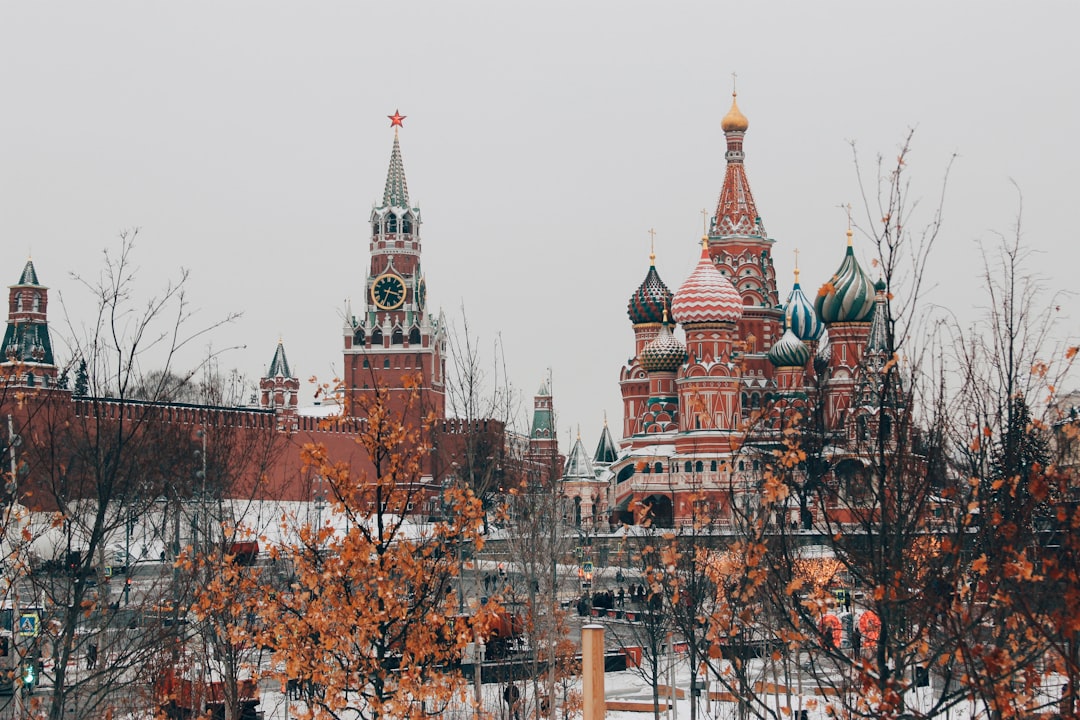
Рекламные сроки посещения не учитывают очереди и передвижения. Оружейная палата заявляет 90 минут, но вам потребуется 45 минут, чтобы добраться до Кремля из центральных отелей, плюс 20-30 минут на проверку безопасности в сезон высокого наплыва туристов. Запланируйте три часа в целом.
Главное здание Третьяковской галереи: минимум два часа, если пропустить половину залов. Плюс 40 минут в обе стороны на метро от Красной площади. Усадьба Царицыно требует 90 минут на месте плюс 50 минут в каждую сторону от Тверской улицы.
Реалистично, вы посетите четыре-пять основных достопримечательностей за день, если начнёте в 10 утра и закончите в 6 вечера. Это физический предел, прежде чем наступит усталость от музеев.
Три дня для любителя музеев
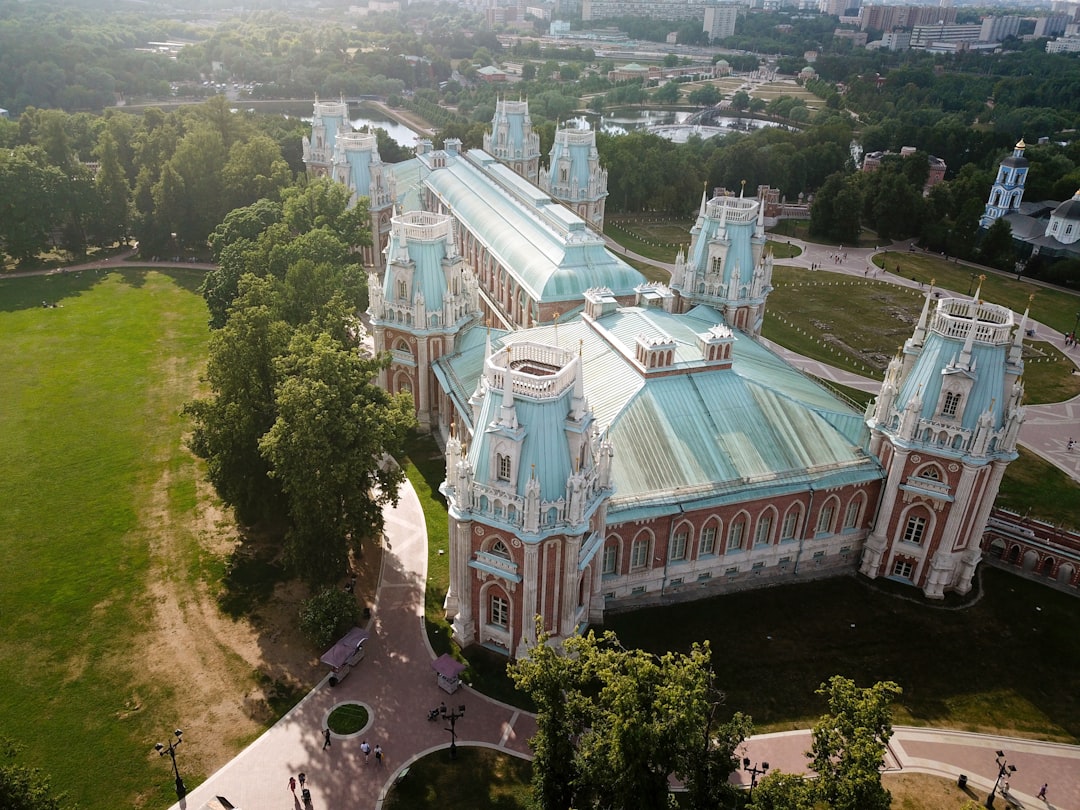
Вы хотите углубиться в искусство и историю. Ваш список: Третьяковская галерея, Музей изобразительных искусств имени А.С. Пушкина, Оружейная палата, Музей Москвы, Коломенское, Царицыно, Новодевичий монастырь, Музей Гorky Park, и Музей космонавтики.
Индивидуальный билет стоит ₽7,150. Московский пас на 72 часа: ₽7,800. Вы теряете ₽650.
Но учтите время, сэкономленное за счёт пропуска очередей за билетами: в таких людных местах, как Третьяковская галерея, владельцы абонементов проходят прямо к турникету, тогда как обычная очередь за билетами может растянуться на десятки человек.
Пропуск имеет смысл здесь, если вы цените пропуск очередей больше, чем премию в ₽650. Если вы приезжаете в несезон (с ноября по март, исключая новогоднюю неделю), очереди на билеты исчезают, и пропуск теряет свою ценность.
Двухдневный мини-курс
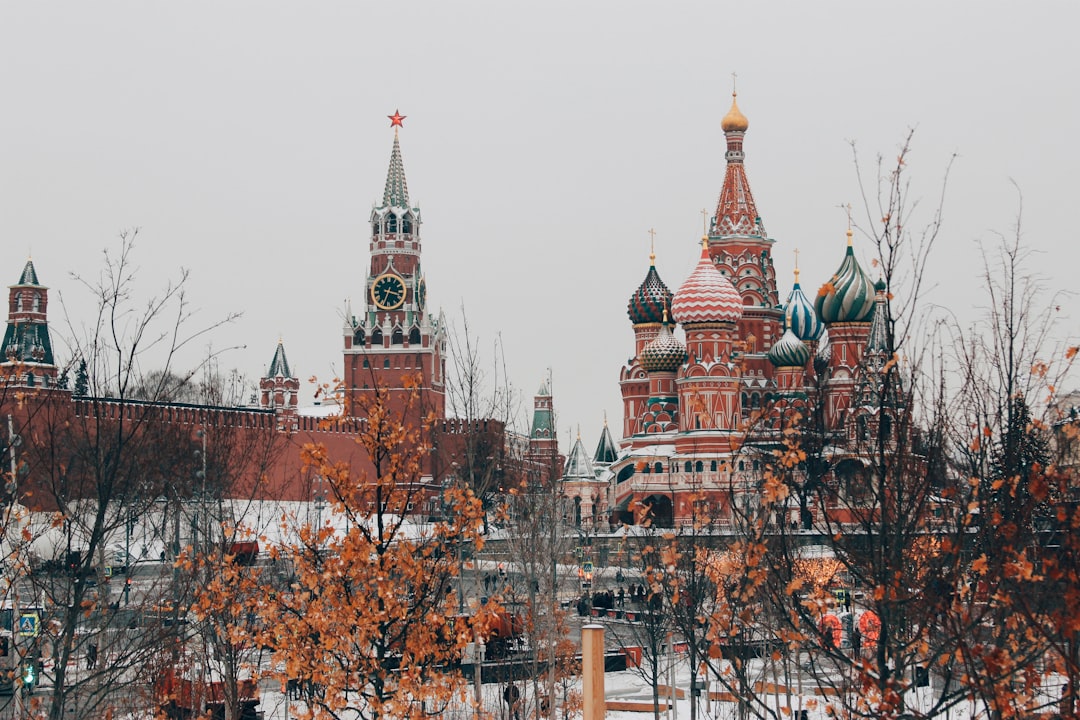
Вы хотите увидеть главные достопримечательности Москвы без избытка музеев. Ваш план: Оружейная палата, Третьяковская галерея, прогулка по Красной площади, шопинг в ГУМе, одна смотровая площадка и автобус с открытым верхом для ориентации.
Индивидуальные билеты: Оружейная палата ₽1,200 + Третьяковская галерея ₽800 + смотровая площадка ₽900 + автобус ₽1,500 = ₽4,400. Абонемент на 48 часов: ₽5,500. Вы переплачиваете ₽1,100.
Пропуск не окупается для лёгких маршрутов. Чтобы выйти в ноль, нужно добавить ещё три платных достопримечательности (Музей Пушкина, Коломенское, Планетарий). Это семь мероприятий за два дня — возможно, но утомительно.
Лучше так: купите отдельные билеты и используйте GetTransfer.com для трансфера из аэропорта вместо поезда Аэроэкспресс. Вы сэкономите время и избежите доплаты в ₽1,100 за проездной.
Сценарий три: Семья из четырёх человек (два взрослых, два ребёнка до 16 лет)
Большинство московских музеев предоставляют бесплатный вход для детей до 16 лет при наличии студенческого билета. Оружейная палата Кремля берёт ₽700 с ребёнка (половина цены). Третьяковская галерея и Музей изобразительных искусств имени А.С. Пушкина: бесплатно для детей.
Двухдневные семейные расходы без пропуска: Оружейная палата ₽3,400 (2 взрослых + 2 детей) + Третьяковская галерея ₽1,600 (только взрослые) + Планетарий ₽3,000 (₽750 каждый) + автобус ₽6,000 (₽1,500 каждый) = ₽14,000.
Московский проезд не предлагает семейные пакеты. Четыре 48-часового проезда: ₽22,000. Это ₽8,000 дополнительных за удобство, чтобы не покупать билеты по отдельности. Сложно оправдать.
Семьи экономят больше, покупая билеты отдельно и бронируя мероприятия через GetExperience.com, который часто предлагает детские скидки на пешие экскурсии и речные круизы, которые не входят в пакет.
Ошибки, которых следует избегать
Первая ошибка: покупка проездного билета. Московский метро стоит 60 рублей за поездку или 265 рублей за безлимитную на день карту «Тройка». В проездной входит одна поездка на туристическом автобусе стоимостью 1500 рублей, но это не общественный транспорт. Если вы думаете, что проездной заменяет карту метро, вы зря потратите деньги.
Вторая ошибка: не проверить закрытие достопримечательностей. Музеи Кремля закрыты по четвергам. Главное здание Третьяковской галереи закрыто по понедельникам. Если активировать 48-часовой пропуск в воскресенье, доступ в понедельник к Третьяковской галерее будет потерян. Проверьте mos.ru по расписанию еженедельных закрытий перед активацией.
Третья ошибка: предполагать, что пропуск покрывает всё на территории. Оружейная палата включена, но Успенский собор и Колокольня Ивана Великого требуют отдельных билетов (₽1,000 вместе). Пропуск покрывает главное здание Третьяковской галереи, но не Новую Третьяковку на Крымском Валу — это ещё ₽800.
Когда пас действительно выигрывает?
Пропуск окупается в трёх ситуациях. Первая: вы приезжаете летом (с июня по август), когда очереди на билеты в Оружейную палату и Третьяковскую галерею регулярно достигают 45-минутного ожидания. Просто пропуск очереди оправдывает премиальную стоимость, если ваше время стоит ₽1,500 в час.
Два: ты заядлый посетитель музеев, планирующий пять-шесть достопримечательностей в день на протяжении трёх дней. Ты потратишь ₽10,000 на билеты против ₽7,800 по абонементу. Это ₽2,200 экономии, если у тебя хватит выносливости.
Три: вы комбинируете достопримечательности с автобусом hop-on-hop-off для ориентации в первый день. Билет на автобус стоит ₽1,500, поэтому вам нужно всего ₽4,000 на посещение музеев, чтобы окупить 48-часовой проездной. Это реально с Оружейной палатой (₽1,200), Третьяковской галереей (₽800), Музеем изобразительных искусств имени А.С. Пушкина (₽600), Коломенским (₽450) и Планетарием (₽750).
Итоговая оценка: проведите свои расчёты
Список достопримечательностей, которые я действительно хочу посетить. Узнайте актуальные цены на билеты на официальных сайтах (не на платформах перепродаж). Сложите их. Сравните общую сумму с ценой паса на время вашей поездки.
Если ваш итоговый чек находится в пределах ₽500 от стоимости пропуска, пропуск выигрывает благодаря пропуску очереди. Если ваш итоговый чек на ₽1,000+ ниже цены пропуска, пропустите его и купите отдельные билеты. Если вы посещаете только три-четыре основных объекта, пропуск обойдётся дороже, чем отдельные билеты.
Для переезда из аэропортов Шереметьево или Домодедово я нашёл GetTransfer.com более надёжным, чем Аэроэкспресс, в вечерние часы, когда поезда ходят реже. Разница в цене незначительна (примерно ₽800 против ₽500 за поездку), но вы избегаете пересадки на Белорусском вокзале.
Московский паспорт не является универсальным средством экономии. Он подходит для интенсивных маршрутов, ориентированных на музеи, в высокий сезон. Для спокойных поездок с посещением четырёх-пяти достопримечательностей за три дня индивидуальные билеты обойдутся дешевле. Посчитайте, сколько вы сэкономите, исходя из ваших конкретных планов, прежде чем покупать.


