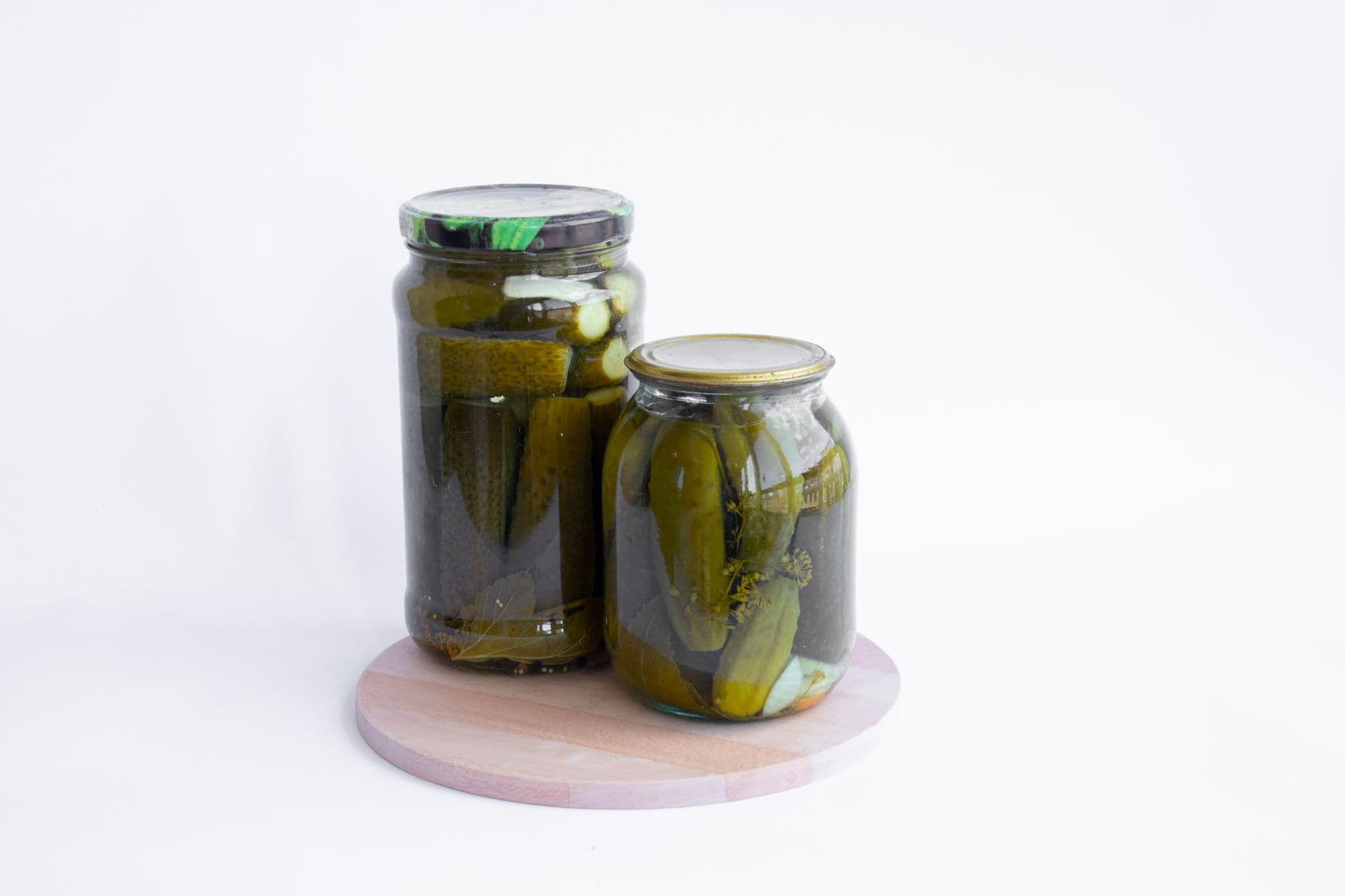
Рекомендация: начните с чистого рассола; поддерживайте стабильную температуру; солите из расчета 2,5% от веса воды; поддерживайте температуру ферментации около 18-22 C; упаковывайте огурцы в банки с укропом, чесноком, перцем; выдержите 6-8 недель для созревания вкусов; внедрите базовые методы засолки в рутину
Следующий метод охватывает бочки, банки, весь рабочий процесс: подготовка земли, поздний урожай, огурцы, нарезанные тонкими ломтиками для впитывания рассола; деревянные бочки придают нежный аромат; семьи передают историю, делятся символами стойкости
Формирование вкуса зависит от специй: укроп, тмин, семена горчицы, черный перец, лавровый лист; температура поддерживается умеренной, чтобы сохранить хруст; сочетание с соленой сельдью создает резкий контраст; этот подход раскрывает вкусы и текстуры
В формате блога повествуется о том, как землепользование формирует практику консервирования; связывание ритуалов с сезонами охоты, циклами сбора урожая, лесными ресурсами, специями, банками создает нить, проходящую через поколения; появляется заметка о перспективах стажировки для студентов кулинарных училищ, поддерживающая американские домохозяйства
Соблюдение правил безопасности должно быть строгим: тщательно мойте овощи, держите контейнеры стерильными, уровень соли около 2,5-3% для огурцов, следите за прозрачностью рассола, выбрасывайте любые мутные или дурно пахнущие партии; храните в прохладном, темном месте; после запечатывания проведите небольшой тест через две-три недели; важное замечание: наблюдайте за результатами; скорректируйте специи в следующей партии
Обзор засолки огурцов, квашеной капусты и лесных грибов в России
Рекомендация: выбирайте огурцы среднего размера, смешайте 2,5% солевой рассол, храните в бочках или стеклянных банках; поддерживайте прохладный погреб при температуре 12-15°C; дайте 7-10 дней для хрустящего финиша, 14 дней для более сильного аромата; убедитесь, что рассол полностью покрывает продукты; используйте груз для погружения, заменяйте мутный рассол по мере необходимости.
Метод приготовления квашеной капусты использует измельченные кочаны, 2% соли по весу; плотно прижмите, чтобы выделился сок; уложите слоями в бочки; погрузите в рассол, убедившись, что жидкость покрывает все кусочки; типичная ферментация длится 14-21 день; в результате получается кислый аромат, плотная текстура; широко используется на домашних кухнях.
Лесные грибы консервируются в соленом рассоле или уксусном растворе; используйте 1-2% соли по весу; храните в темном прохладном погребе; ферментация длится 5-12 дней в зависимости от размера; обрезанные шляпки сохнут медленнее; конечный продукт обладает освежающим ароматом; грибы содержат белок; в кулинарной программе этот элемент любим.
В современной российской кулинарной сцене обсуждаются давние традиции внутри страны; на протяжении веков бочки обеспечивают ежемесячный запас закуски после сбора урожая; толстой считал крестьянскую еду моральным ядром; соль управляет ферментацией, крепкий рассол придает насыщенный характер; sras указывает на активную ферментацию; типичные продукты включают огурцы, квашеную капусту, грибы; эти блюда отмечают семейные встречи, обычно в прохладных погребах; иногда называемые закуской, закуска на кириллице; специальная программа поддерживает навыки живыми во многих городах. Вот практическое замечание для балансировки вкусов: поддерживайте температуру рассола между 12-15°C; пена указывает на активность, снимайте ее при необходимости.
Для сегодняшних потребителей стоимость остается фактором; домашние установки снижают расходы, бочки добавляют традиций; практические шаги включают дезинфекцию банок, работу в чистом рабочем пространстве, маркировку каждой партии; подаваемые порции становятся особым, освежающим вариантом закуски; истории циркулируют в дискуссионных кругах, от йоркских районов до сельских поселений; эта любимая страна программа сохраняет традиции, развивает кулинарные навыки, сохраняет богатые белком продукты с сезона сбора урожая; закрытие зависит от строгого контроля соли, типичного времени варки, управления температурой; слова, используемые поварами, описывают крепкие вкусы, приятную остроту, насыщенную текстуру; есть растущее предпочтение домашним партиям во время праздников.
Как начать домашнюю засолку огурцов
Начните с 1,5-2,5 кг небольших твердых огурцов. Тщательно вымойте; обрежьте концы цветков; промокните насухо. Плотно уложите в чистые стеклянные банки, оставив 2 см свободного пространства. Используйте нереактивные контейнеры; сделайте блюдо простым, практичным, открытым. Держите плечи свободными.
Рассол: 1 литр воды; 30 г соли; 5 г сахара по желанию. Размешайте до растворения. Полностью погрузите огурцы в рассол; положите груз, чтобы они оставались в жидкости. Поддерживайте температуру 18-22°C в течение 4-7 дней; затем переместите в более прохладное место, чтобы замедлить ферментацию. Этот метод отдает предпочтение ферментации в рассоле, а не тушению.
Ароматизация: веточки укропа, зубчики чеснока, семена кориандра; для зелени, заправьте дополнительные листовые зеленые овощи между огурцами. Большие банки способствуют равномерному впитыванию вкусов; поворачивайте банки, чтобы видеть прогресс. После начального цветения попробуйте; при необходимости добавьте соль. Это дает типичный профиль для ферментированных огурцов.
Ферментированный продукт достигает зрелости через 1-2 недели; охладите, чтобы замедлить ферментацию; храните в прохладном темном месте; употребите в течение 2-3 месяцев. Ищите чистый аромат; избегайте посторонних запахов; выбросьте, если появится накипь или кашица. Эта практика соответствует великим земельным традициям; вы учитесь терпению; еда с московской памятью; сочетание с икрой по желанию. Сочетание с грибами предлагает сбалансированное блюдо.
Советы по обучению: сравните быстрый рассол с медленной ферментацией; более высокое соотношение соли дает более хрустящий результат. Записывайте наблюдения в книгу или кулинарную книгу; по словам Фрумкина, московские традиции подчеркивают терпение. Вид через открытую банку показывает пузырьки; старые партии показывают разницу в текстуре; чашки измеряют соль, воду, время; этот подход дает любимые блюда, а не просто закуску; время, потраченное с пользой, создает вкус.
Квашеная капуста: ключевые пропорции и этапы
Сохраняйте содержание соли на уровне 2 процентов по весу; это необходимо для безопасной молочнокислой ферментации шинкованной капусты. Взвесьте капусту; посыпьте солью; массируйте, пока не образуется стабильный рассол. Упакуйте в широкую банку или глиняный горшок; оставьте свободное пространство; тарелка или груз, смоченный собственным рассолом, удерживает массу под водой; привяжите груз, чтобы он не сдвинулся. Этот рассол является формой, направляющей ферментацию.
Температура должна оставаться 18-22 C (64-72 F) для устойчивой активности молочнокислых бактерий; наблюдайте ежедневно за пузырьками; если масса поднимается над рассолом, прижмите ее; если уровень рассола падает, добавьте зарезервированный рассол с тем же процентным содержанием соли. Типичная ферментация длится от 2 до 6 недель; в прохладные месяцы замедляется; в теплые месяцы ускоряется; примерно через месяц начните пробовать; более длительные месяцы дают более глубокий привкус.
Варианты вкуса включают только простую соль, придающую хрустящую остроту; во время упаковки можно добавить семена специй, такие как тмин, укроп или черный перец; для постных блюд начинки для пирожков поднимаются в гармонии с капустным рассолом; маринованная сельдь привносит сюда контраст; сушеные продукты обеспечивают резервную начинку для комфортных тарелок.
Хранение и подача: через несколько месяцев храните в прохладном месте; в региональных стилях России квашеная капуста сочетается с ржаным хлебом; американские повара не отмечают разницы между домашней партией и коммерческим продуктом при правильном управлении; в охотничьих поездках с гостями это блюдо хорошо путешествует; маринованная сельдь усиливает вкус при подаче здесь; после открытия храните в холодильнике, используйте в течение нескольких недель.
Лесные грибы: распространенные сорта и безопасная засолка
Рекомендация: начните с небольшой партии, используя 3% солевой рассол; храните в прохладном, темном месте; ежедневно следите за пузырьками; выбросьте, если появится слизь, неприятный запах или необычный цвет; используйте чистые банки, чтобы предотвратить загрязнение.
- Лисички (Cantharellus cibarius): яркий аромат; плотная мякоть; подготовка: обрежьте основания, нарежьте 5-8 мм; умеренное поглощение соли; приготовленные заправленные для закуски; подходит для салата; специи, такие как перец, кориандр, усиливают аромат.
- Белые грибы (Boletus edulis): плотное тело; замочите на 20-30 минут; хорошо слейте воду; нарежьте толстыми кусками; сильное поглощение соли; открытые бочки дают надежные результаты; идеально подходит для приготовления строганова или деревенских рагу.
- Сморчки (Morchella spp.): сотовая шляпка; пористое тело; слегка бланшируйте, чтобы уменьшить землистые нотки; нарежьте толстыми кольцами; соль 3-4%; ферментация протекает с ярким кислым профилем; лучше всего использовать в салатах, закусках или в качестве особенности в закуске.
- Вешенки (Pleurotus ostreatus): нежная текстура; быстрая ферментация; кусок 10-15 мм; рассол 2-3%; сохраняет форму в банках; универсален в супах, теплых блюдах или в качестве начинки в строганове.
- Lactarius deliciosus: шафраново-оранжевая мякоть; латекс при разрезании; рассол 2-3%; рекомендуется более длительная засолка; следите за цветом; работает как пикантный центральный элемент в салатах; сочетается со специями укропа.
- Очистите лесные грибы влажной тканью; обрежьте корневые части; нарежьте на одинаковые кусочки.
- Дополнительное бланширование; если выбрано, 30-60 секунд; быстро охладите; хорошо слейте воду.
- Приготовьте рассол: 3% соли по весу; полностью растворите в нейодированной воде; используйте чистые, нереактивные сосуды.
- Погрузите кусочки в рассол; приложите чистый груз; убедитесь, что все кусочки остаются под рассолом; удалите воздушные карманы.
- Ферментируйте при 15-18°C; продолжительность 5-14 дней; следите за кислым ароматом; после пика переместите в более прохладное место для хранения.
- Перенесите в прохладное, темное место; пометьте каждую банку датой; пригодное для использования окно обычно составляет несколько месяцев; употребите в течение 6-12 месяцев для лучшей текстуры.
Заметки о безопасности и культуре: во время процесса гигиена кухни остается важной; открывайте бочки в хорошо проветриваемом помещении; общинные повара ведут письменный журнал в блоге; на протяжении веков консерваторы связывали уход с солью, специями; эти сокровища сохраняются в банках, открытых для посетителей в качестве закуски; тело остается хрустящим, ярким, и ничего не пропадает; строгановские меню часто приобретают пикантность благодаря этой технике ферментации.
Хранение, срок годности и повторное использование солений
Храните консервированные банки в холоде (0-4°C / 32-39°F) с плотной крышкой; планируйте использование в течение 2-3 месяцев; храните в темноте; после открытия употребите в течение 30 дней; избегайте воздействия света, чтобы сохранить цвет и хруст.
Свекла универсальна; ее можно мариновать; для зимней кухни; она осветляет соусы; после открытия; повторно используйте остатки в соусе; свекла сочетается с гречневой кашей, чтобы поддерживать питание в течение долгих зим; тщательно слейте жидкость перед добавлением в сковороду.
Рассказы из блога Толстого показывают, как поддерживать традиции; обращайтесь к таким постам, чтобы планировать встречи; вместе зимой; после сезона сбора урожая держите консервированные соленья готовыми для дневных трапез; свекла появляется во многих препаратах; этот репертуар поддерживает целые блюда; праздничные торжества вдохновляют; день; здоровье кишечника улучшается благодаря клетчатке из гречки; на протяжении всей этой практики питание остается центральным.
| Продукт | Хранение | Температура (°C) | Продолжительность | Советы по повторному использованию |
|---|
| Свекла | Неоткрытые банки в прохладной, темной кладовой | 0-4 | 12 месяцев | Тонкие ломтики в салаты; добавляйте в соусы; закончите укропом |
| Смесь квашеной капусты | Холодильник после завершения ферментации | 0-4 | 4-6 месяцев | Нашинкуйте для салата из капусты; смешайте с соусами; используйте в качестве начинки |
| Маринованное морковное ассорти | Прохладное, темное место для хранения до открытия; храните в холодильнике после открытия | 0-4 | 6-9 месяцев | Добавляйте в миски; осветлите цитрусовыми; украсьте тарелки |
Едят ли русские до сих пор традиционные русские блюда?
Да, традиционные блюда остаются основным продуктом для большинства домохозяйств; в повседневной жизни основные блюда оказывают влияние, особенно во время праздничных собраний.
Перед поездками на рынок семьи планируют меню, включающее картофель, корнеплоды, супы, блюда из квашеной капусты; во время приготовления блюда готовятся на слабом огне; есть рассказы из разных регионов, показывающие, что ценности, уходящие корнями в древнее сельское хозяйство, сохраняются. Дмитращенко отмечает устойчивое сохранение на городских кухнях, ближе к дому, там, где общественная кухня остается необходимой для тепла.
Собирательство расширяет меню между полями; леса дают лисички, зелень, сушеные грибы, а также картофель для создания аппетитных рагу. На рыночных прилавках представлена квашеная капуста, облепленная сушеными травами; большинство продавцов подчеркивают сезонный выбор, связь с древними обычаями; кухня ценится на домашней кухне, в тепле сообщества, в традициях.
За границей большинство домохозяйств по-прежнему пробуют основную изюминку в праздники; городская жизнь смещается в сторону быстрого питания, но некоторые домохозяйства перебирают банки с квашеной капустой, облепленной специями, в поисках более медленных, вкусных воспоминаний. Структура проживания в городских кварталах сохраняет воспоминания о собирательстве; поездки на рынок обеспечивают картофель, консервы, лисички и другие основные продукты в качестве якорей для домашней кухни.
Остается необходимость для сообществ сохранять ценности на кухнях ближе к дому; древние корни формируют блюда; эксперименты между региональными рецептами; современные модели сохраняются. Зарубежный опыт показывает, что память питает аппетитные блюда, требуя постоянного внимания к поиску на рынке, собирательству, праздничные мероприятия способствуют устойчивости кухни.