Планируйте 6-остановный маршрут, чтобы лично познакомиться с уличным искусством Москвы. Начните у Красной площади и пройдите по центральным улицам, чтобы увидеть смелые, современные работы местных авторов, которые сотрудничают со студиями и коллективами уличного искусства.
Петля протяжённостью около 5 км занимает примерно два часа, в зависимости от темпа. Вы встретите крупные контрастные работы на кирпичных фасадах и бетонных стенах, сочетающие геометрические формы, яркие цвета и сюжетные сцены, которые вызывают обсуждения у прохожих.
Выделите для себя такие моменты, как преобладающая янтарная тема на нескольких стенах, чёткие линии в плотных композициях и отсылки к истории Москвы, вписанные в городскую ткань. Каждая остановка предлагает новый ракурс: остановитесь у настенной росписи во дворе, отойдите назад, чтобы оценить работу на набережной, а затем загляните в подъезд, где свет меняет сцену.
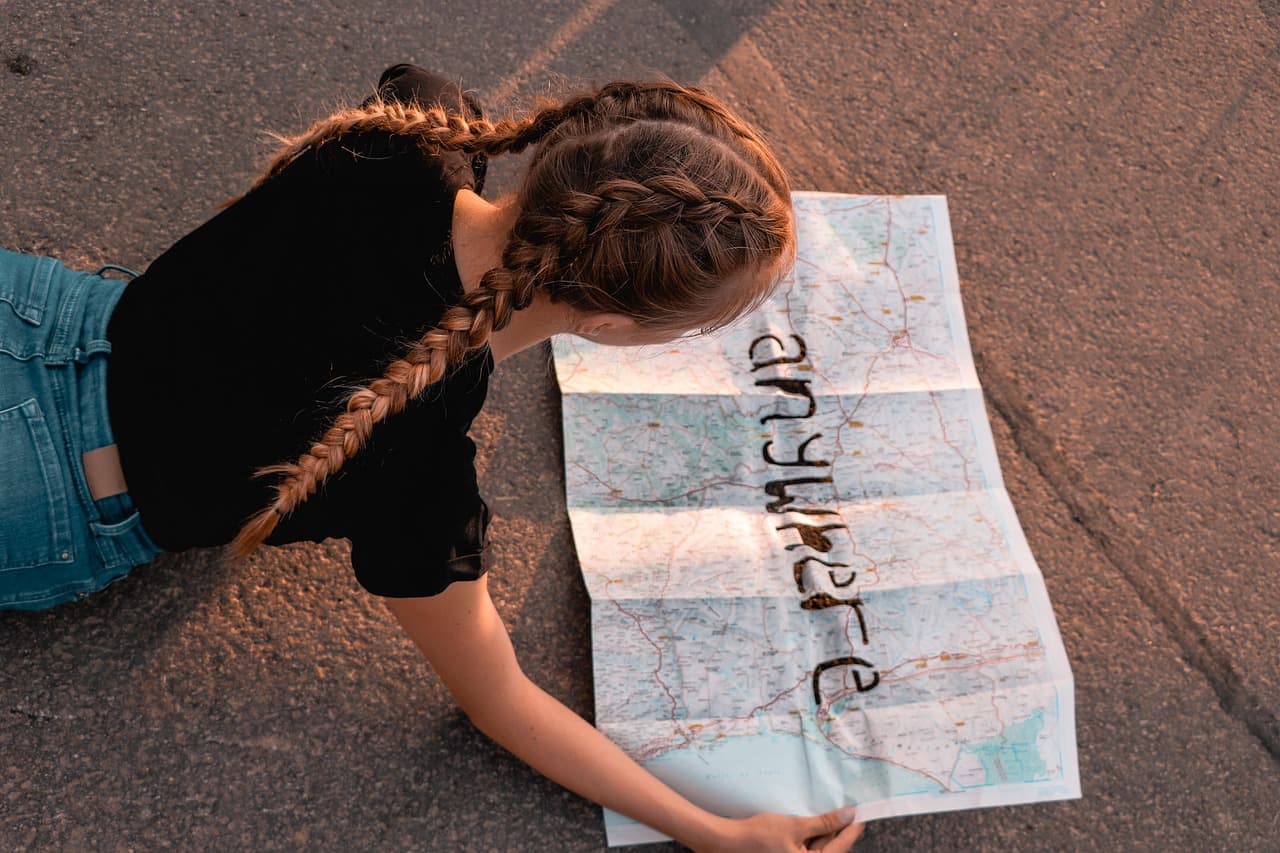
Практические советы: наденьте удобную обувь, возьмите лёгкую куртку для открытых площадок и заранее проверьте маршрут на карте. В план включены остановки с возможностью быстро выпить кофе, фото-локации и комфортный темп, чтобы вы могли насладиться искусством без спешки.
Прогулки по улицам вокруг Трубной: практическое руководство по московским мюралам
Начните прогулку от станции метро «Трубная» и составьте маршрут, который выделит три мрамора в разных стилях. Такой арт-подход раскрывает несколько способов восприятия текстуры и цвета, удерживая внимание на деталях и помогая гостям и москвичам создавать воспоминания, которые вы потом будете делиться.
Первая остановка представляет собой белую, контрастную силуэтную работу с парижским коллаборацией; затем вторая роспись использует яркие цветные блоки, с намёком на чаши с пигментом, обозначенные округлыми формами. Последовательность в боковых переулках показывает, как мотивы предшествовали последней работе, а записи более ранних работ дают чёткую историю района.
Когда вы идёте, сохраняйте ритм шагов и обратите внимание, как граффити реагируют на края платформы, как свет падает на кирпич и как разные углы открывают новые детали. Как и в любой хорошей прогулке, лучшие моменты кроются в мелочах. Если вы знали этот район раньше, возможно, заметите мотив, который повторяется на стенах. Если вы уже ходили по этим улицам, то увидите, как стены менялись со временем. Когда вы приезжали, возможно, заметили тэг, соединяющий две стены; если не заметили, спросите у местных о быстром ответе о замысле художника. Сегодня вы можете сравнить, с какой заботой стены выглядят в тихое утро по сравнению с оживлённым днём — страницу из записей искусства, которую можно записать в маленькую тетрадку.
Маршрут сегодня практичный: планируйте начать в 9:00 утра, пройтись по улицам, а затем вернуться через небольшую площадь, чтобы увидеть последнюю стену, которая часто выставляет ротационную коллекцию произведений искусства. Если вы уже бывали здесь, то заметите, как стены фиксируют изменения; если ещё не были, то сегодня вас ждёт свежая встреча с новыми участниками и живой диалог между москвичами и гостями города. Совет: многие местные жители относятся к этим стенам как к живым хроникам, своего рода чемпионату идей, который поддерживает динамику сцены.
| Stop | Here is the translation with place names and landmarks in their standard Russian equivalents:
Примечание: В тексте ниже все географические названия, музеи, соборы, улицы, города и страны переведены на их стандартные русские эквиваленты. Бренды, компании, продукты, номера телефонов и цены оставлены без изменений. Адреса (номера зданий и оригинальные названия улиц) также сохранены в исходном виде.
Перевод:
(Вставьте здесь исходный текст на английском, и я предоставлю его точный перевод с соблюдением всех указанных правил.)
Если у вас есть конкретный текст для перевода, пришлите его, и я выполню задачу в соответствии с вашими требованиями. | Tip |
|---|
| Трубная площадь | Белый, жирный контурный mural от парижского художника | ловить ранний свет, фотографировать с уровня улицы |
| Аллея Цветов | Цветные блоки и чаши с мотивом, яркая текстура | Ищите тонкие текстуры на крупных планах |
| Тумби Уолл | Тумба с биркой прикреплена к двум стенам, спокойный контраст | отступить назад, чтобы сравнить расстояние цвета |
| 4. Платформа на краю | линейные формы вдоль края платформы, разные углы | Проверьте в полдень на наличие резких теней |
| 5. Финальная площадь | вращающаяся коллекция произведений искусства и стена памяти | Заметка на будущее, чтобы запомнить этот момент |
Начальная точка и планирование маршрута от Трубной
Начните с площади Трубная и пройдите компактный пешеходный маршрут, который охватит три группы muralов. Сегодня поставьте цель на 2.0-3.0 часа, чтобы было время на фотографии, запись заметок и ответ от местных жителей, если вы остановитесь, чтобы поговорить.
Кластер 1 находится в пределах 800-1000 метров от станции, с быстрым стартом, крупными элементами и чистым белым фоном, который делает цвета более яркими. Эта первая остановка предлагает лёгкие серии кадров и открывает возможности для изучения линий, краёв и стилей граффити.
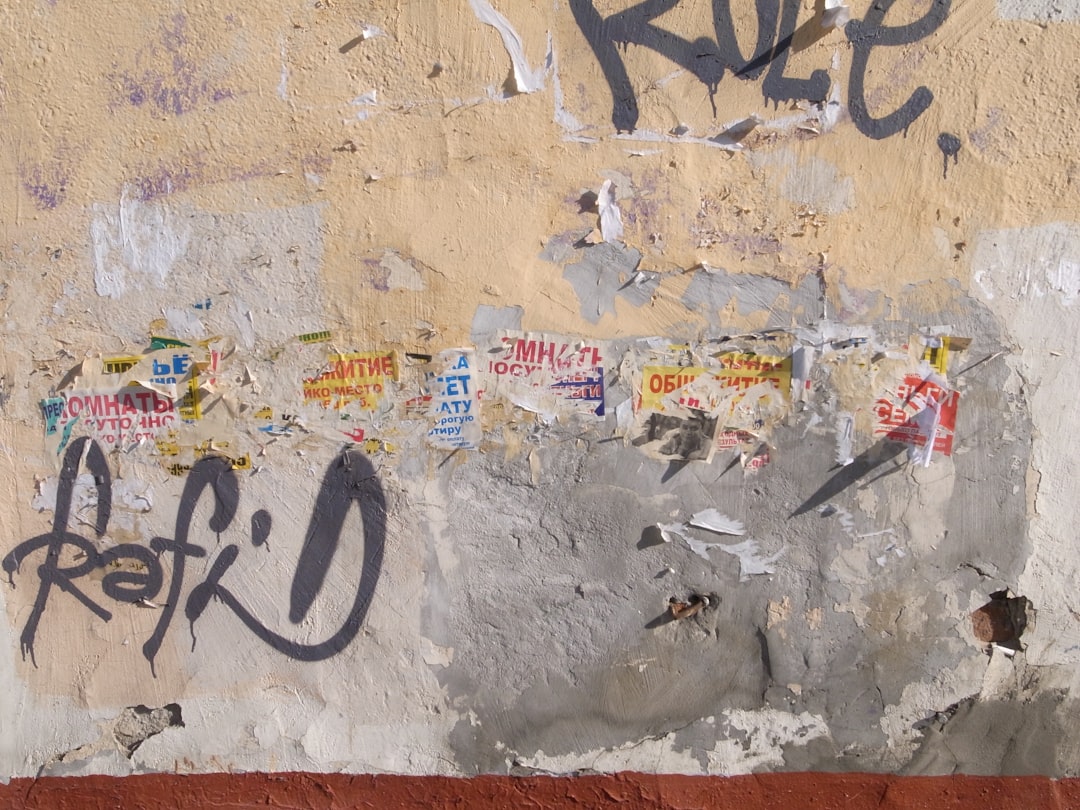
Оттуда поверните на несколько кварталов и направляйтесь к Кластеру 2, который находится на расстоянии 1,2-1,6 км. Маршрут проходит по оживлённым улицам на некоторых поворотах, но можно пройти через тенистые дворы, чтобы сохранить спокойный темп. Обратите внимание на что-то уникальное, например, на информационную панель, сочетающую русскую типографику с яркими изображениями; местные жители охотно подскажут лучшие точки обзора, и вы, скорее всего, получите быстрый ответ от живущих поблизости соседей.
Кластер 3 расположен дальше и создаёт иную атмосферу: строки текста переплетаются с персонажами и тонкой цветовой палитрой. Здесь часто встречаются белые фоны и несколько крупномасштабных жестов; стоит исследовать это место за внимание к композиции, особенно для мирового уровня. Иногда работа отсылает к теме чемпионата, что придаёт ей актуальность для зрителей сегодня. На одной из стен есть подпись tumby — деталь, которая выделяет это место.
Вдоль маршрута обращайте внимание на временные проволочные ограждения, объездные пути из-за строительства или толпы, которые могут замедлить ваш темп. Если нужно передохнуть, загляните в ближайшее кафе, где alice и несколько местных жителей обсуждали историю района; их рассказы придают глубину вашему исследованию и добавляют человеческий аспект в ваши записи. Можно попросить у жителей быстрый совет о лучших ракурсах для съёмки — их рекомендации часто меняют ваш план в лучшую сторону.
Практический план: возьмите лёгкий рюкзак, небольшой power bank и провод или ремень для фиксации оборудования, если придётся обходить строительные леса. Начните с прогулки на север от Трубной и используйте линии общественного транспорта для возвращения; это сделает маршрут эффективным и гибким. В результате получится запоминающийся день, который подчеркнёт жилые кварталы, белые стены и пульс уличного искусства России, который откликается в мире.
Должны посетить граффити в радиусе 20-30 минут ходьбы
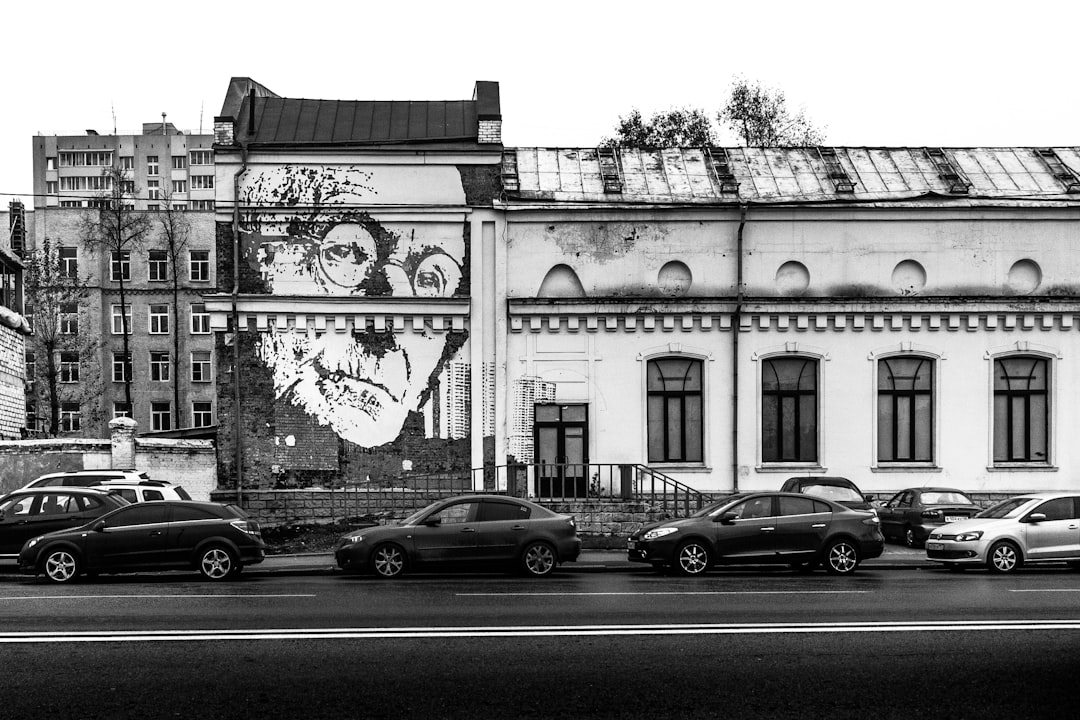
Не нужно было далеко идти, чтобы увидеть яркое искусство. От Красной площади запланируйте маршрут длиной 20-30 минут, который включает Neon Court от pasha, Лица во дворе, Футбол и Неоновая ночь, а также Железнодорожные линии в цвете. Каждое граффити находится на стене, которая выходит на общественный маршрут, поэтому можно переходить от одного к другому, не теряя атмосферы.
- Неоновый двор - Нарисован на высокой стене, выходящей на жилой комплекс, этот арт-объект сочетает угловатые линии с округлыми фигурами и яркими, электрическими цветами. Стиль делает акцент на читаемости и ритме на уровне улицы, приглашая вас прочитать толпу как движущуюся историю. Ищите подпись художника внизу, где стена сохраняет мягкое свечение после заката; туристы часто останавливаются здесь, но пространство остается гостеприимным и безопасным для того, чтобы задержаться.
- Лица во дворе - Расположена в тихом дворе неподалёку от транспортного узла, эта роспись изображает ряд лиц разных поколений. Нарисованная в серых тонах с акцентом на губах или глазах, она заставляет задуматься о людях, живущих поблизости. Стена привлекает внимание, и при ближайшем рассмотрении несколько строк текста добавляют контекст о повседневной жизни и памяти района; произведение входит в небольшую коллекцию росписей, которую активно поддерживают местные жители.
- Футбол и неоновая ночь - На длинной стене рядом с школьным двором футбольная тематика сочетается с вспышками неоновых форм, имитирующих дорожные знаки. Эта работа передаёт движение и энергию сообщества, с повторяющимися силуэтами, напоминающими игры после заката. Это любимое место для семей и учеников, а умное многослойное исполнение делает сцену осязаемой, а не просто декоративной.
- Линии поездов в цвете - Эта роспись на стене рядом с железнодорожным полотном у пешеходного подхода превращает транспорт в движущийся холст. Графика поезда прорывается сквозь поле букв, напоминающих газетную колонку, создавая диалог между движением и информацией. Произведение напоминает кадр из городской жизни: постоянный, связанный и открытый для интерпретации, если разглядеть мелкие детали на краю картины.
Все четыре остановки находятся в шаговой доступности для спокойной прогулки. Если хотите продлить маршрут, можно вернуться через небольшой рынок, где местные жители делятся историями об усадьбе и её художниках, а затем снова присоединиться к основному маршруту, чтобы ещё раз взглянуть на надписи и живописные текстуры, которые вы заметили ранее. Если вернётесь завтра, заметите новые оттенки цвета и, возможно, свежий граффити от местного художника.
Лучшее время для света, толп и погоды
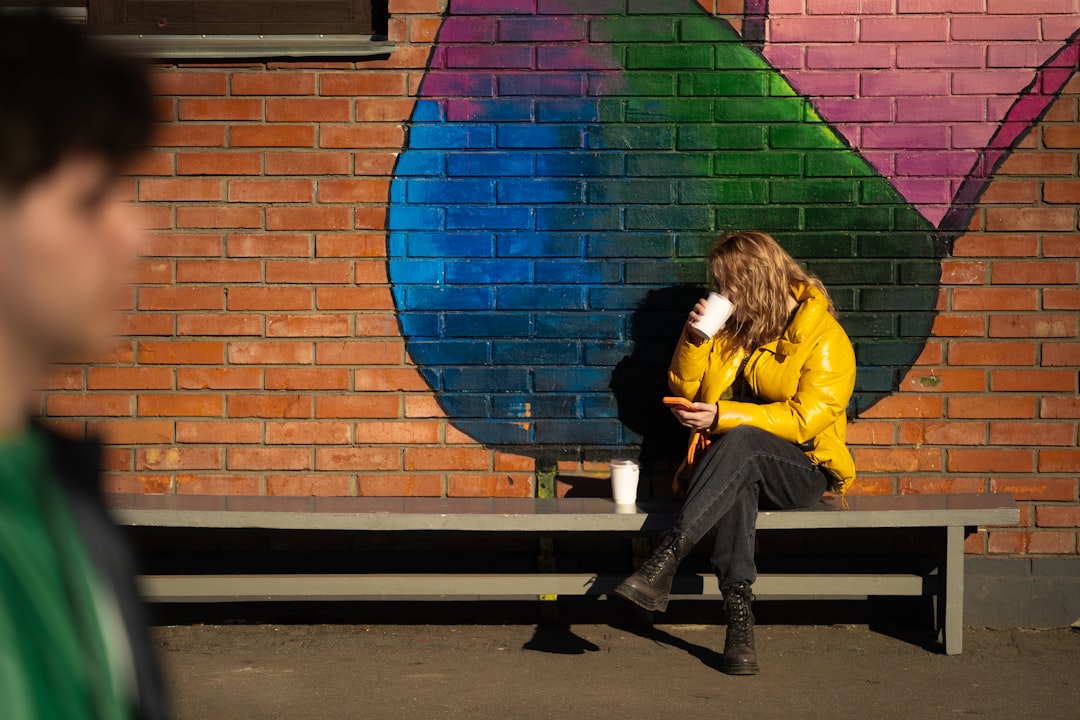
Начните с рассвета, чтобы получить лучший свет и пустые улицы. В Москве восход солнца обычно происходит в 04:30-05:30, а закат — в 21:00-22:30 в тёплые месяцы, при этом «золотой час» длится около 60-120 минут после восхода или перед закатом. Этот свет делает граффити на фасадах и бетонных полотнах более выразительными без резких бликов. Для второй сессии выбирайте время за два часа до заката в те же дни: небо часто окрашивается в розовый и оранжевый оттенки, придавая абстрактные текстуры фотографиям и создавая воспоминания, которые редко удаётся запечатлеть туристам.
Середина недели обычно спокойнее, чем выходные; планируйте съёмки во вторник-четверг с 06:30 до 09:00 или с 18:00 до 21:00, чтобы избежать толп. Выходные и праздничные дни привлекают больше туристов, поэтому цельтесь на ранние часы или укрытые участки, где потоки замедляются. Если хотите охватить больше территории, можно составить маршрут длиной 2-3 км, и они оценят продуманный темп.
Погодные основы: Весной и осенью дни обычно мягкие, примерно 10-18 °C, возможны дожди, поэтому возьмите компактный зонт или лёгкую дождевую куртку. Летом температура достигает 22-25 °C, с редкими жаркими днями и occasional afternoon showers; зимой столбик термометра опускается до -5 до -10 °C, с ветром, усиливающим холод. Во все времена года готовьтесь к переменчивой погоде и держите при себе дополнительный слой одежды; так вы будете комфортно себя чувствовать и всегда будете готовы к съёмке.
Тумби-район наполнен плотными мозаиками и укрытыми проходами; в дождливые дни крытые переходы защищают вас, при этом позволяя снимать те же яркие тона. Свет отражается от кирпича, металла и бетона, создавая возможности для абстрактных композиций или детальных кадров. В этом районе вы найдете места, подходящие как для широких планов, так и для плотных крупных планов. Эти пространства любят как местные, так и международные посетители, создавая общую атмосферу, где можно снимать свободно и с уважением; помните, что нужно оставаться в рамках законного доступа и не блокировать входы.
Чтобы максимально использовать результаты, сочетайте фотографию с быстрыми записями: указывайте места, названия муролов и даты для последующего размещения в ленте. Алиса может записать подпись в блокноте, а затем вы сможете редактировать их, создавая небольшую галерею. Планируйте двухдневный маршрут, чтобы не перегружать себя, и поддерживайте местных гидов, студии и продавцов, чтобы обогатить опыт как для местных, так и для туристов. В результате день пройдёт гладко, останется больше воспоминаний и меньше упущенных кадров, что часто разочаровывает новичков.
Фотографические советы и уважительное общение с художниками
Попросите разрешения перед тем, как фотографировать художника за работой, затем объясните свой план и где будет размещено изображение на вашей платформе; избегайте съёмки возле судов или ограниченных зон, и стремитесь к одному кадру, который уважает пространство.
Держитесь на расстоянии, идите медленно мимо росписи, и отойдите, если художник даст понять, что ему нужно пространство; художник создаёт произведение, даже в суете городских пространств, затем можно менять ракурсы, чтобы запечатлеть разные тени.
Предложите поделиться финальным изображением с четким указанием авторства и спросите о предпочитаемом способе связи, например, через визитку или письма; уважайте их выбор, если они хотят оставить работы приватными, так как у них может быть план, предшествовавший вашему визиту.
Для дневных росписей на стенах установите ISO 100-200, диафрагму f/8-f/11, выдержку 1/125-1/250; чтобы передать масштаб, чередуйте объектив 50 мм для деталей и более широкий 24-35 мм для контекста; если хотите самые свежие ракурсы, то стоит снимать с нескольких позиций и сравнивать результаты.
Заявление художника предшествовало работе; подписи должны отражать этот замысел. Пишите внимательно: называйте предмет, если он известен, объясняйте контекст так, как задумал художник, и упоминайте основной фон города; аудитории в Париже и австралийские сообщества часто делятся интерпретациями, поэтому включайте четкие примечания о символах, таких как российская история, белые герои или женская фигура; если mural затрагивает футбольную культуру, опишите сцену просто, чтобы избежать неправильного понимания. Читатели любят краткие заметки.
Когда делитесь, отметьте художника и укажите источник в подписи; упомяните тему, если она известна, и добавьте ссылки на официальные страницы, чтобы направить читателей на платформу художника; миллионы подписчиков могут увидеть пост, поэтому сохраняйте нейтральный тон и избегайте сенсационности; если граффити находится рядом с судом или общественным пространством, соблюдайте ограничения и планируйте публикации соответственно.
Безопасность, доступность и ближайшие удобства для комфортной прогулки
Планируйте маршрут длиной 1,5-2 км по центральным улицам с выходами из метро, оборудованными лифтами, и с хорошей видимостью. Убедитесь, что ваш телефон заряжен, а навигатор работает, и перед выходом проверьте источник на предмет закрытий или скопления людей. Компактная карта, которую можно достать из сумки, поможет двигаться плавно, не останавливаясь на каждом углу. Этот маршрут останется увлекательным даже при изменении освещения.
Доступность наиболее выражена на маршрутах, проходящих через центральные артерии, где тротуары расширены, а освещение стабильное. Ищите станции метро с беспрепятственным входом и выходами, которые выводят вас рядом с мозаиками; некоторые маршруты предлагают места для сидения или укрытые уголки на боковых улицах. Если вы пользуетесь коляской или инвалидным креслом, выбирайте участки с ровным покрытием и плавными бордюрами, и рассмотрите возможность отдыха на террасе ближайшего кафе или в квартире с видом на стену. Ориентируйтесь по чёткой разметке и звуковым объявлениям, чтобы не терять направление.
Планируйте маршрут с заранее запланированными остановками, чтобы поддерживать стабильный уровень энергии. Будьте внимательны в людных местах: держите ценные вещи застёгнутыми, избегайте демонстрации дорогих вещей и следите за строительными зонами, где ослабленный провод или забор могут стать причиной спотыкания. Проходите мимо пешеходов лицом к ним и сохраняйте бдительность, когда ищете граффити в оживлённой городской обстановке. Наслаждайтесь возможностью остановиться, сделать фотографию или отойти назад, чтобы оценить композицию в одном кадре.
Ближайшие удобства включают общественные туалеты в крупных культурных центрах, кафе с уличными террасами и фонтаны вдоль большинства маршрутов. Ищите короткие перерывы возле выставок или поп-ап-лекций; многие площадки предлагают иммерсивные инсталляции, дополняющие настенные росписи. Посетители, которые хотят углубиться в контекст, могут подписаться на местную рассылку, чтобы узнать о новых выставках или городском чемпионате по уличному искусству. Возможно, вы заметите работы художников, таких как Мартин или чернокожей художницы, включая произведения, обращённые к центральной железнодорожной линии. Однажды австралийский путешественник отметил, как текстуры стен и яркие цвета меняются с освещением, превращая обычную прогулку в запоминающийся опыт. Для компактного маршрута начните с одной стены на центральной улице, затем пройдите к двум другим работам и завершите возле входа на вокзал с остановкой в кафе перед закатом.