Moscow is more than just a capital city; it is a living chronicle of Russian history, where every street and building holds the memory of pivotal eras.For true history buffs, the city offers a unique immersion into the past, spanning from ancient princely times to the latest chapters of modern history.This itinerary allows you to trace the evolution of Moscow, visiting the most iconic sites that have defined the course of Russian and world history.
Ancient Rus and the Muscovy Tsardom (12th - 17th Centuries)
The historical journey through Moscow naturally begins at its very heart—the Kremlin. It was here, on Borovitsky Hill, that Yuri Dolgoruky founded the fortress in 1147, which eventually grew into the center of a powerful state. Diving into the era of Ancient Rus and the establishment of the Muscovy Tsardom is mandatory for every history lover who visits the capital.
The Moscow Kremlin: From Fortress to Royal Residence
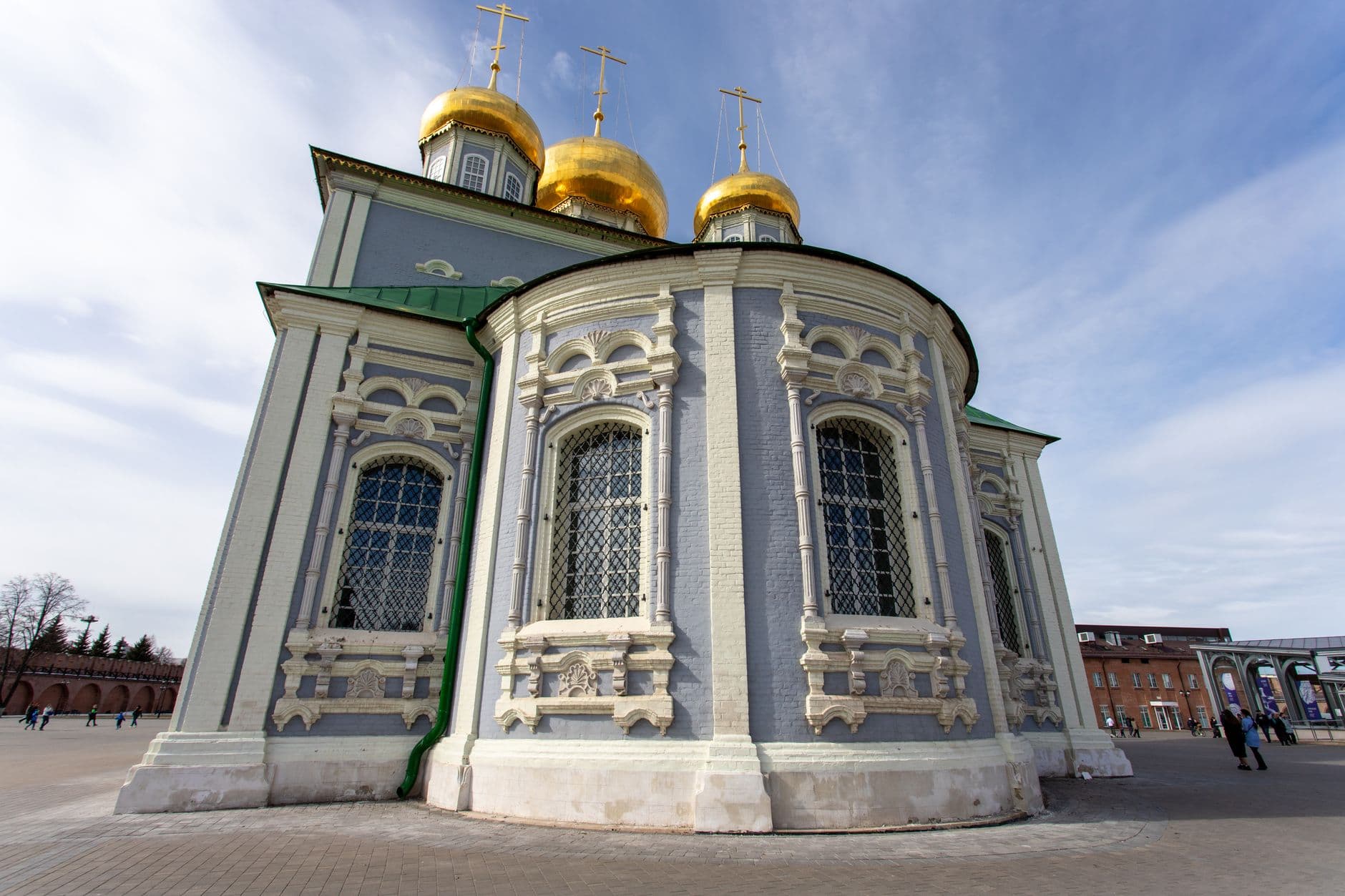
The Kremlin is an absolute jewel and the key point of our timeline tour.The Dormition Cathedral was not only the main church of the country but also the place where Russian monarchs, starting with Ivan the Terrible, were crowned.The Archangel Cathedral served as the burial site for great princes and tsars.You can trace how fashion, weaponry, and state symbolism changed over the centuries within these historic walls.
Kitay-Gorod and the Romanov Boyar Chambers
The next stop is Kitay-Gorod and the surrounding areas adjacent to the Kremlin. The Romanov Boyar Chambers on Varvarka Street (now a branch of the State Historical Museum) offer a unique glimpse into the everyday life of the pre-Petrine nobility. This museum, also accessible with the Pass, allows you to see the interiors, clothing, and household items of the 17th century, transporting you to the atmosphere in which the first tsar of the new dynasty was raised. A stroll through Kitay-Gorod, where trading rows and the first administrative buildings were located, concludes the immersion into the Muscovy Tsardom period, showcasing its economic and social life. The area is a fantastic way for history buffs to connect with the city's commercial past.
Imperial Russia and the Era of Reforms (18th - Early 20th Centuries)
Despite the capital being relocated to St. Petersburg in the 18th century, Moscow remained a crucial political and cultural hub, surviving the devastating fire of 1812, which profoundly altered its appearance and subsequent history. This survival demonstrated the city's resilience.
The Cathedral of Christ the Saviour and the War of 1812
Although the temple itself was only rebuilt in modern times, its history is inextricably linked to the era of Alexander I and the heroic defense of Moscow against Napoleon's forces.Visiting the cathedral grounds and the adjacent squares allows one to reflect on the scale of loss and triumph experienced by Moscow in the early 19th century.Its complex history, involving demolition in the Soviet era and subsequent reconstruction, also tells a story of modern political change.