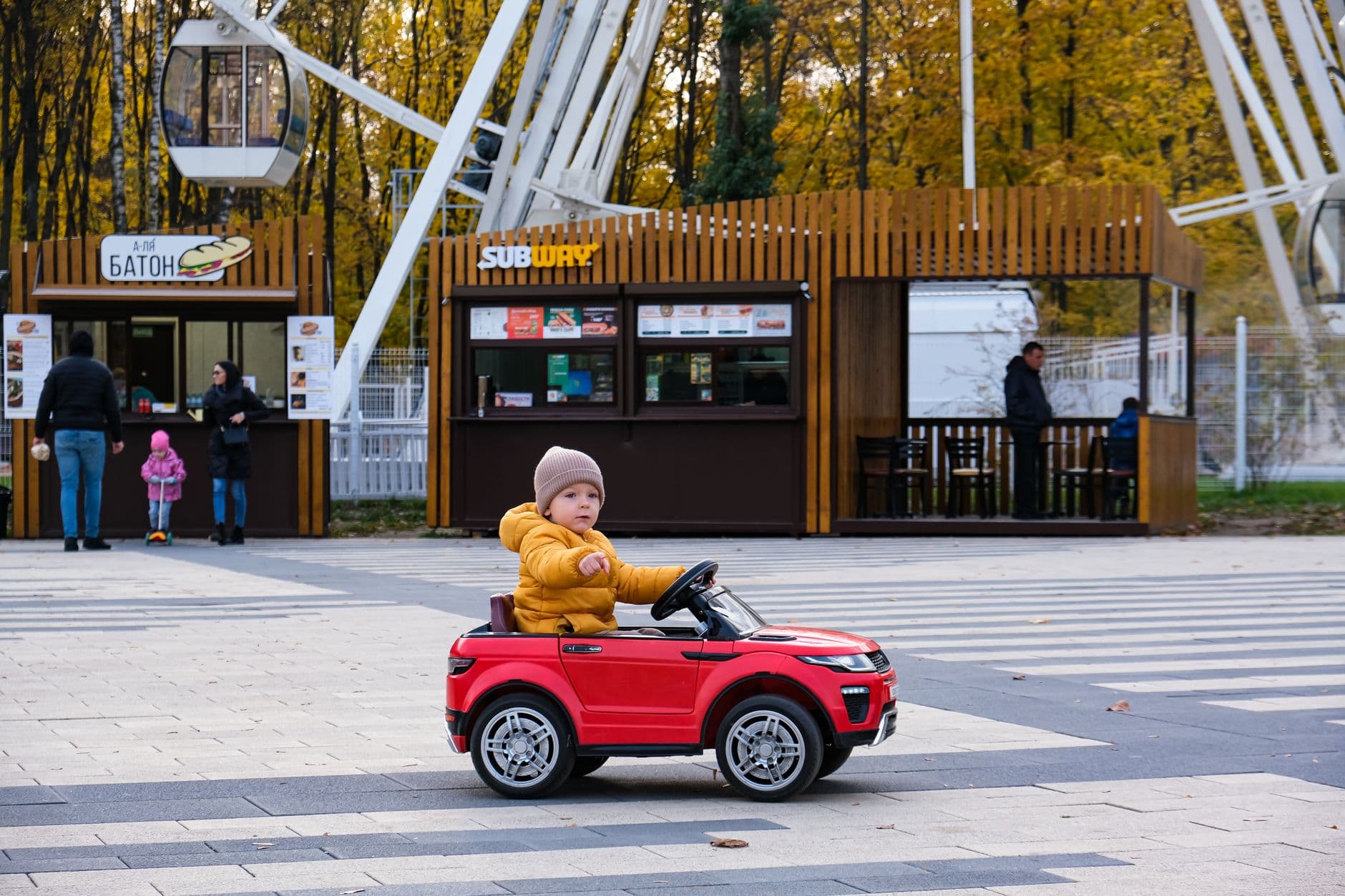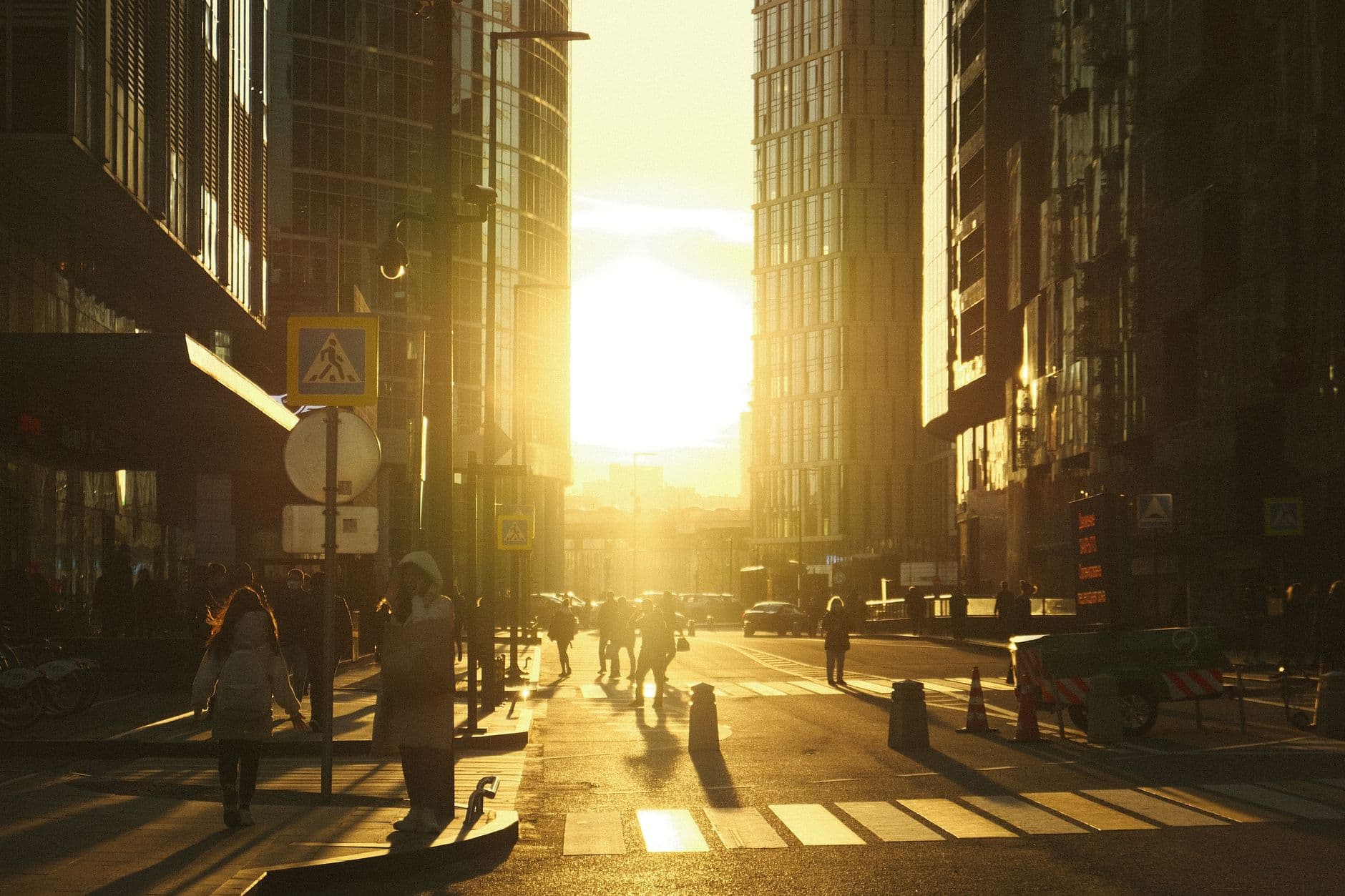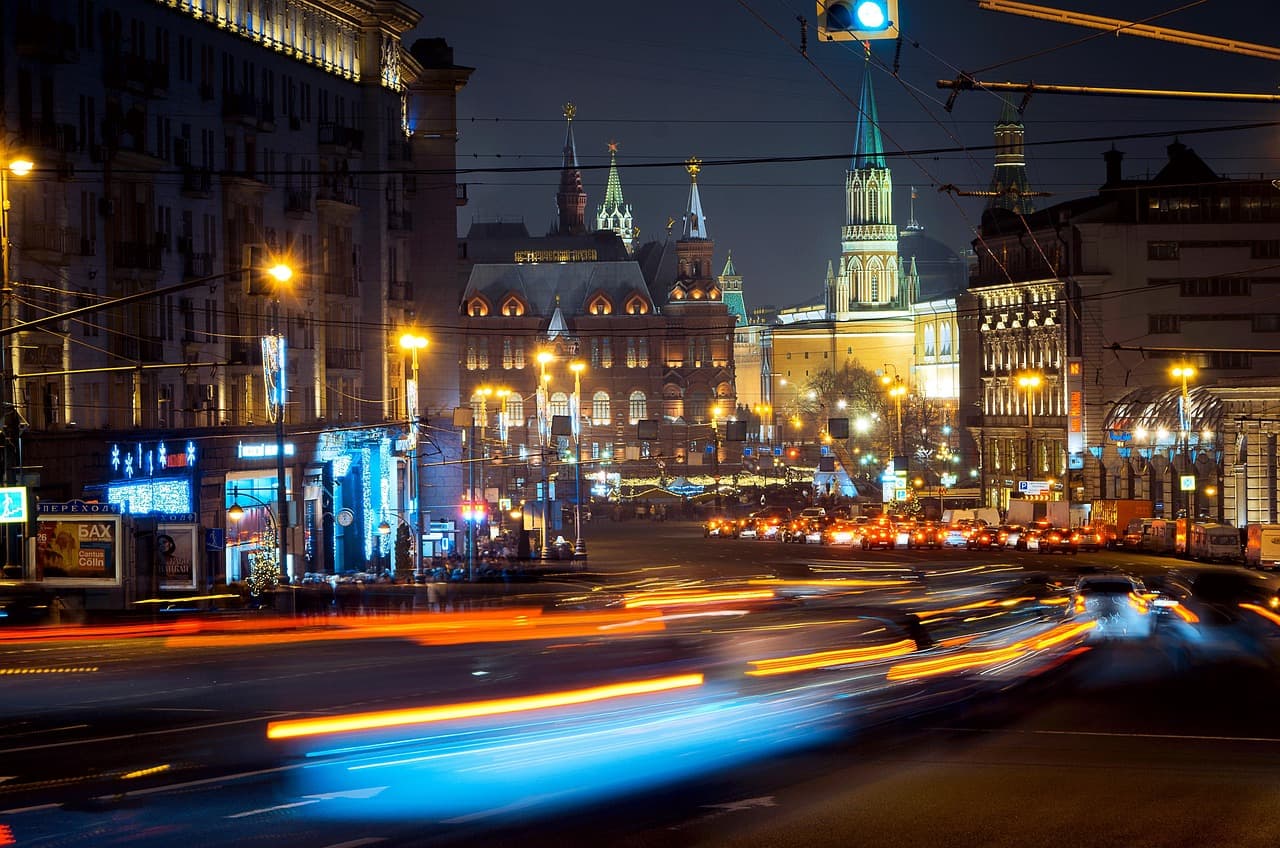

Moscow, a vibrant metropolis of history and innovation, invites travelers to embrace Moscow sustainable tourism eco-friendly practices, blending cultural exploration with environmental care. From cycling along the Moskva River to dining at farm-to-table restaurants, the city offers ways to minimize your footprint while enjoying its treasures. The Moscow CityPass supports this journey, providing a Troika card for public transport, discounts at green venues, and a digital guide for eco-conscious planning. Therefore, this guide offers practical tips for sustainable tourism in Moscow, ensuring a meaningful and planet-friendly adventure in 2025.
Why Choose Sustainable Tourism in Moscow?
Moscow's vast parks, efficient metro, and growing eco-awareness make it a promising hub for Moscow sustainable tourism eco-friendly travel. By choosing local businesses and low-carbon activities, visitors can reduce environmental impact while supporting communities. The Moscow CityPass simplifies green travel, covering metro rides to eco-friendly sites and listing sustainable dining options. For instance, its app helps locate bike rentals or green-certified hotels, aligning with global trends where 84% of travelers prioritize sustainability.
Moreover, sustainable tourism preserves Moscow's cultural and natural assets, like Gorky Park's biodiversity, for future generations. Thus, with the pass, you can explore responsibly, leaving a positive imprint.
Stay in Eco-Friendly Accommodations
Choosing green lodging is a cornerstone of Moscow sustainable tourism eco-friendly travel. While Moscow lacks widespread eco-lodge options, several hotels prioritize sustainability through energy-efficient systems and waste reduction. For example, Hilton Moscow Leningradskaya uses LED lighting and water-saving fixtures, earning praise for its environmental efforts. Similarly, Azimut Hotel Olympic Moscow implements recycling programs and local sourcing, aligning with Green Key principles.
Access these hotels via Leningradsky or Dynamo metro stations using the Troika card (included with the pass). Rates start at ~7,000 RUB per night; book at hilton.com or azimuthotels.com. Because certifications like Green Globe are rare in Moscow, check hotel websites for sustainability policies. Therefore, opt for central locations to minimize transport emissions.
Tips for Green Stays
Request minimal room cleaning to save water, and reuse towels per hotel guidelines. Moreover, use pass discounts at hotel restaurants sourcing local ingredients, like Azimut's Bakery Cafe. Bring a reusable water bottle to avoid single-use plastics, as tap water is potable in central Moscow with a filter.
Use Public Transport and Bike Rentals
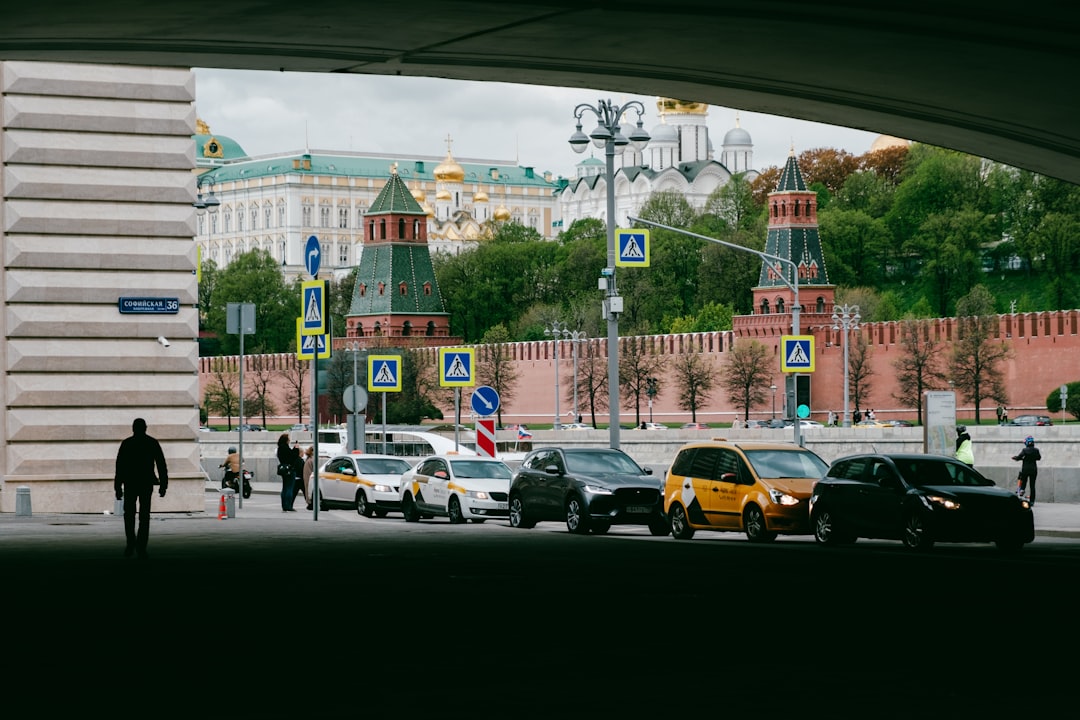
Moscow's metro, one of the world's most efficient, is a low-carbon lifeline for Moscow sustainable tourism eco-friendly exploration. With 450+ stations and trains every 1-2 minutes, it emits 75% less carbon than cars. The Moscow CityPass includes a Troika card, covering unlimited metro, bus, and tram rides. For example, reach Zaryadye Park from Okhotny Ryad metro in 5 minutes.
Additionally, Velobike, Moscow's bike-sharing system, offers 5,000+ bikes across 600 stations. Rent via velobike.ru for ~150 RUB daily, using pass discounts. Because cycling reduces emissions, explore parks like Sokolniki or the Moskva Embankment. Thus, combine metro and bikes for a green city tour.
Navigating Green Transport
Load 500-1,000 RUB on your Troika card via pass instructions for seamless fares (~50 RUB per metro ride). Plan routes on mosmetro.ru, and use bike lanes on Tverskaya or Garden Ring for safety. Moreover, walk short distances, like from Red Square to Bolshoi Theatre, to cut emissions further. Since peak hours (8-10 AM, 5-7 PM) are crowded, travel mid-morning for comfort.
Dine at Local and Sustainable Eateries
Supporting local, farm-to-table restaurants is key to Moscow sustainable tourism eco-friendly travel, reducing food miles and boosting farmers. Dr. Zhivago, near Pushkinskaya metro, sources ingredients from Russian regions, serving dishes like borscht with regional beets (500 RUB). Similarly, LavkaLavka in Zamoskvorechye partners with local farms for organic pelmeni and kvass (600 RUB), accessible via Novokuznetskaya metro.
Use the pass's guide to locate such eateries, and expect pass discounts at select cafes. Because these spots prioritize seasonal menus, check lavkalavka.com or drzhivago.ru for specials. Therefore, dine mindfully to support Moscow's sustainable food scene.
Sustainable Dining Tips
Order only what you'll eat to minimize waste, and bring reusable containers for leftovers. Additionally, try plant-based options at LavkaLavka, as vegan dishes cut emissions by up to 50%. Since some menus lack English, use a translation app like Yandex Translate. Pair dining with a visit to Danilovsky Market (Tulskaya metro) for local produce, enhancing your eco-experience.
Explore Green Spaces and Low-Impact Activities
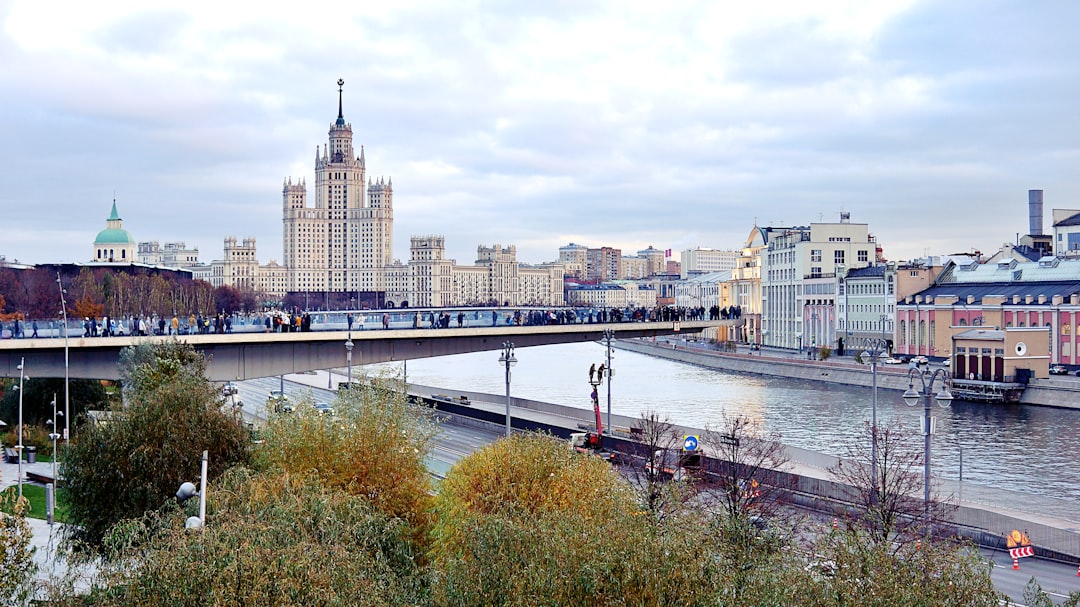
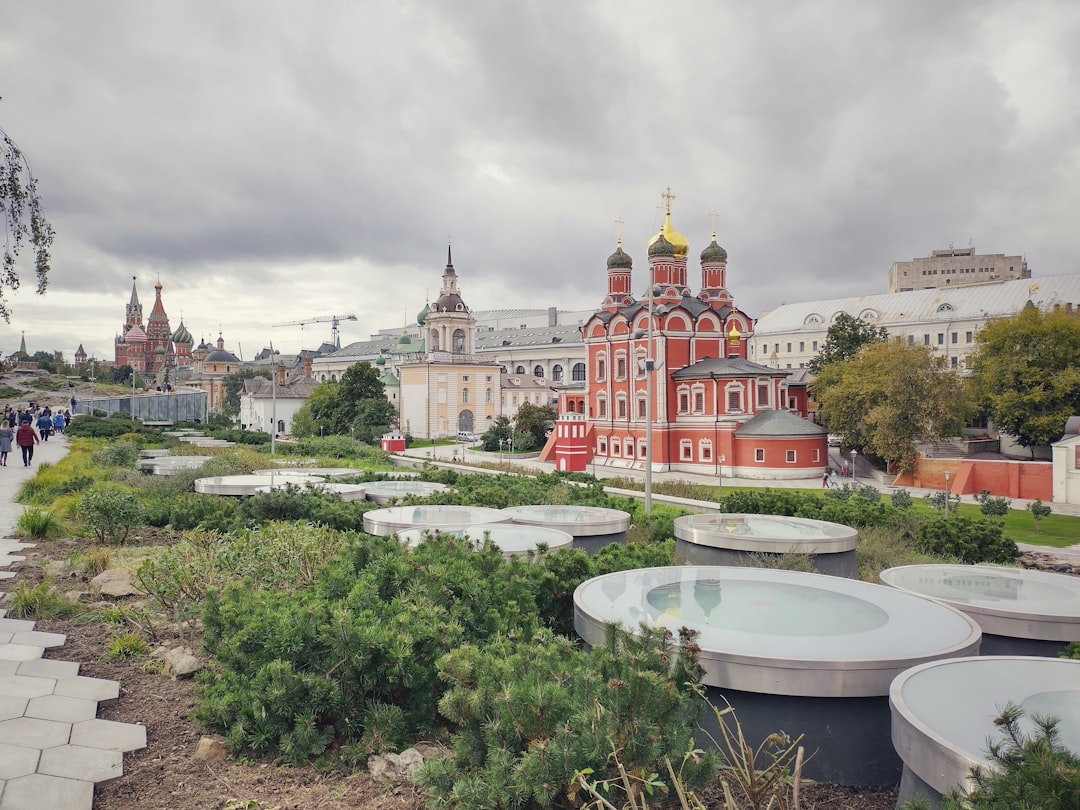
Moscow's 400+ parks and low-impact cultural sites offer Moscow sustainable tourism eco-friendly adventures. Zaryadye Park, near Red Square, is a biodiversity hotspot with native plants and a carbon-neutral design. Free entry via Kitay-Gorod metro; guided eco-tours cost ~500 RUB (zaryadyepark.ru). For instance, its "Floating Bridge" offers skyline views without environmental harm.
Similarly, Apothecary Garden, Moscow's oldest botanical garden (1728), showcases sustainable horticulture. Reach Prospekt Mira metro; entry ~200 RUB, with pass discounts. Because these sites are low-impact, plan 1-2 hours per visit. Thus, enjoy nature while preserving it.