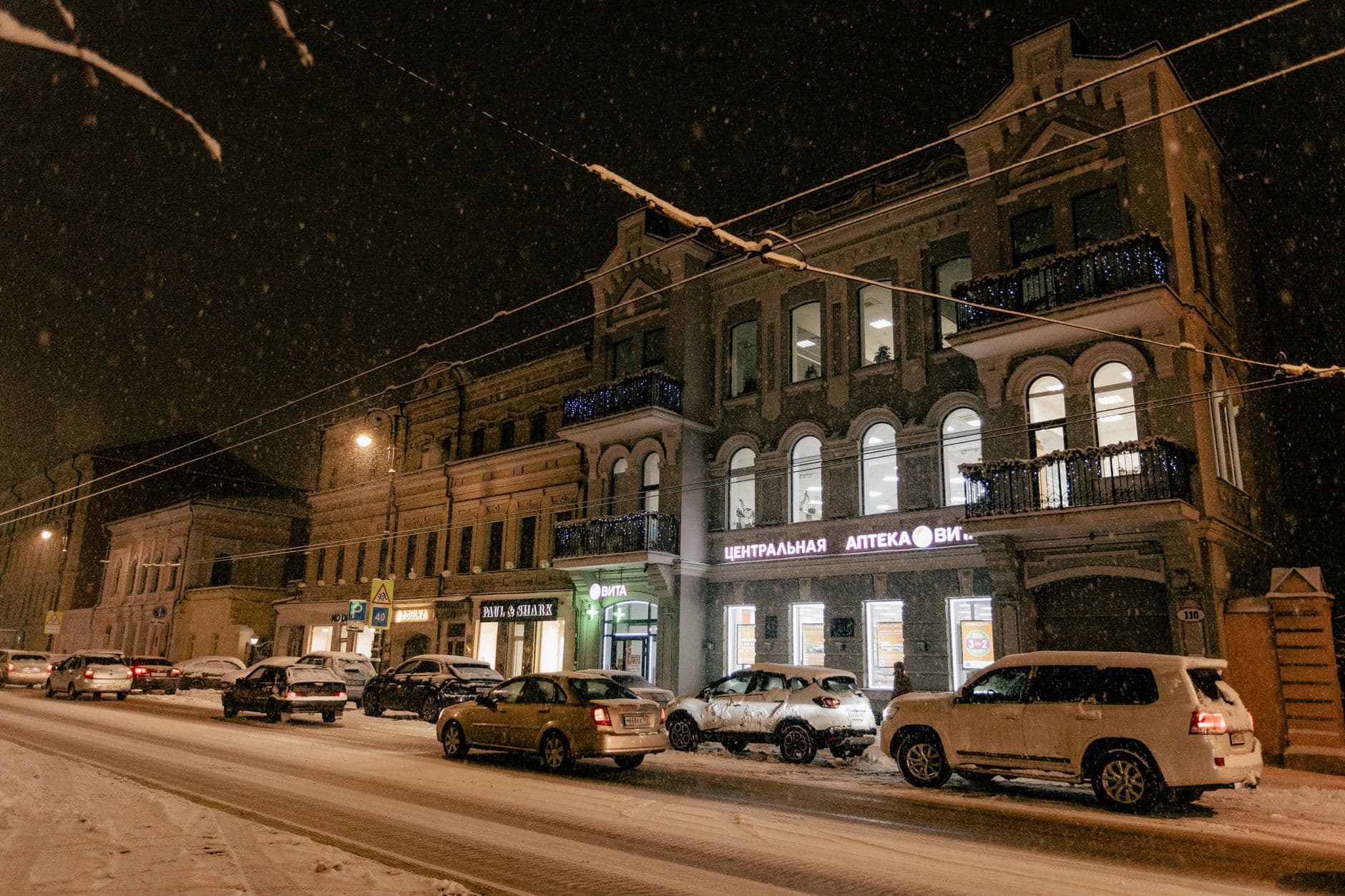
Moscow sprawls across 2,511 square kilometers. A rental car offers freedom to reach suburban palaces, distant metro stations, and regional attractions beyond the Garden Ring. But driving here differs sharply from Western Europe or North America. This guide covers what foreign tourists actually need: document requirements, realistic costs, traffic patterns, and situations where a rental makes sense versus when the metro saves time and stress.
What documents do you need to rent a car in Moscow?

Every rental agency at Sheremetyevo, Domodedovo, or city locations requires three items. First, your national driver's license valid for at least one year. Second, an International Driving Permit conforming to the 1968 Vienna Convention — Russia does not accept the older 1949 Geneva permits. Third, a passport matching the credit card you'll use for the security deposit.
Most agencies set a minimum age of 21, though drivers under 25 face a young-driver surcharge averaging ₽800 per day. Credit card holds range from ₽15,000 to ₽35,000 depending on vehicle class. Debit cards work at some local operators but international chains typically refuse them for the deposit.
We compared requirements across official rental sites: Aeroflot partners and independent agencies maintain identical IDP rules, but smaller outfits sometimes accept national licenses from EU countries without the IDP if the license uses Latin script. Relying on this exception is risky — traffic police can fine you ₽5,000 for lacking proper documentation.
Real rental costs in Moscow for 2026
Daily rates start at ₽2,200 for a Hyundai Solaris or Kia Rio from GetRentacar.com when booked seven days ahead. Expect ₽3,400 for a Volkswagen Polo and ₽5,800 for a Toyota RAV4. Airport pickups add ₽600-₽900 versus city-center locations. Weekly rentals drop the per-day rate by roughly eighteen percent.
Mandatory insurance costs matter more than the base rate. Third-party liability comes included, but the collision damage waiver costs an additional ₽900-₽1,400 daily. Declining CDW leaves you liable for the full vehicle value. Theft protection adds another ₽400 per day. A typical week in an economy car with full coverage totals ₽28,000-₽32,000.
Fuel runs ₽52-₽56 per liter for AI-95 gasoline as of early 2026. The Solaris averages 6.8 liters per 100 km in mixed Moscow driving. Budget ₽380 in fuel to drive the 68 km from Sheremetyevo to Kolomenskoye and back.
Hidden fees that inflate your bill
One-way rentals between airports cost ₽3,500-₽4,200 extra. Returning the car with less than half a tank triggers a refueling charge of ₽2,800 plus the missing fuel at inflated rates. Additional drivers cost ₽500 per person for the rental period. Child seats run ₽300 daily — bringing your own from home makes financial sense for stays over four days.
Winter tire periods run from December through March. Agencies include them in the base rate, but switching to summer tires outside this window sometimes incurs a ₽1,200 fee if you pick up the car in late November.
Moscow traffic rules tourists get wrong
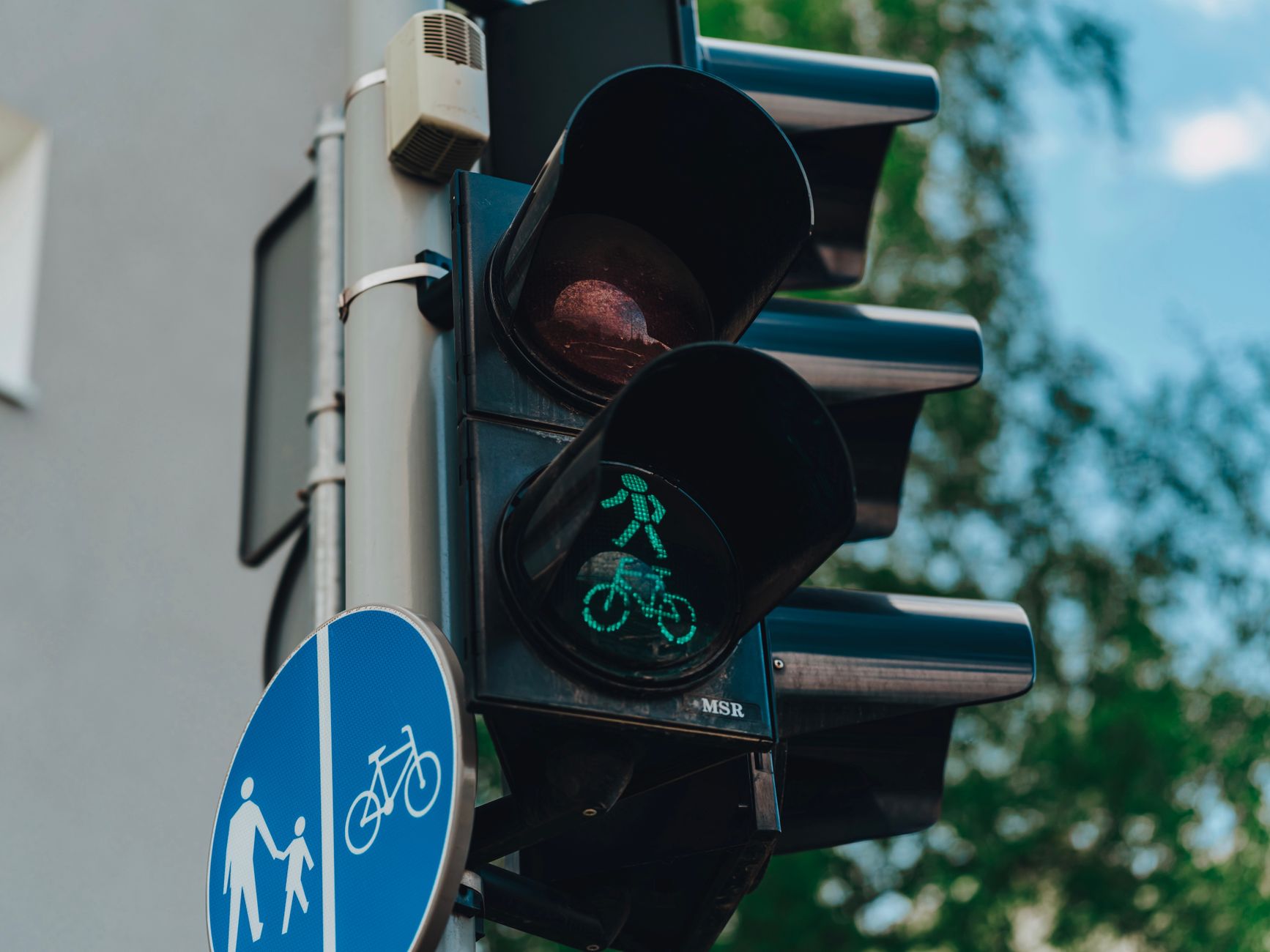
Right turns on red are illegal unless a green arrow specifically permits them. This catches North American drivers repeatedly. Fines start at ₽1,000 for the first offense.
The default speed limit inside the Moscow Ring Road is 60 km/h, raised to 80 km/h on major thoroughfares where signs indicate. Highways outside the city allow 90-110 km/h. Speed cameras are dense — we counted fourteen between Sheremetyevo and the city center along Leningradsky Prospekt. Fines range from ₽500 for exceeding limits by 10 km/h to ₽5,000 for 60+ km/h over.
Headlights must stay on year-round, day and night. Dashcams are legal and widely used by Russian drivers for insurance disputes. Alcohol tolerance is zero — any measurable amount results in license suspension and fines starting at ₽30,000.
Parking enforcement is aggressive. Yellow curbs mean no stopping ever. White-and-black curbs allow stopping but not parking. Blue signs with a red diagonal slash indicate paid parking zones. The typical hourly rate in the city center runs ₽200-₽380. Payment kiosks, the Moscow Parking app, or SMS to 7757 handle transactions. Unpaid parking tickets jump from ₽2,500 to ₽5,000 if ignored past fourteen days.
When does renting a car in Moscow make sense?
The metro covers central attractions efficiently. Red Square, the Kremlin, Tretyakov Gallery, Bolshoi Theatre, and Gorky Park cluster within three metro stops. Rush hour traffic between 8-10 am and 6-8 pm turns a twelve-minute metro ride into a forty-minute drive. Parking near these sites costs ₽300-₽400 per hour when spaces exist at all.
A rental wins for reaching Kolomenskoye Palace, Tsaritsyno, or Arkhangelskoye Estate where metro connections add thirty to fifty minutes each way. Day trips to Sergiev Posad, Suzdal, or the Golden Ring cities become practical. Families with young children gain flexibility for nap schedules and gear transport that public transit complicates.
Weekend traffic thins considerably. Saturday and Sunday mornings see the Garden Ring move at posted speeds. Parking opens up near Arbat Street and Tverskaya after 10 pm when paid zones shift to free overnight periods.
Common mistakes that cost tourists time and money
Underestimating Moscow's size leads to exhausting drives. The distance from Sheremetyevo to Domodedovo spans 92 km — nearly an hour without traffic, ninety minutes during peak times. Planning more than two distant attractions per day guarantees frustration.
Ignoring parking apps creates problems. The Moscow Parking system at parking.mos.ru lets you prepay and extend time remotely. Paper tickets from kiosks can't be extended, forcing you to return before expiry or risk fines.
Booking airport rentals without comparing city pickup saves nothing. Sheremetyevo's rental desks charge the same rates as Tverskaya Street locations, but the airport convenience fee and fuel for the 28 km inbound trip add ₽1,400 to your total. Pick up in the city if your hotel lies inside the Garden Ring.
How do Moscow rental costs compare to alternatives?
A three-day rental with full insurance averages ₽13,500. The Moscow metro charges ₽62 per ride or ₽2,270 for a three-day tourist pass covering unlimited trips. Taxis via Yandex.Taxi cost ₽350-₽580 for typical cross-city routes. Six taxi rides per day over three days total ₽6,300-₽10,440.
For airport transfers, GetTransfer.com offers fixed-price rides from Sheremetyevo to central Moscow at ₽1,800-₽2,400 depending on vehicle class. The Aeroexpress train runs ₽500 for a thirty-five-minute trip to Belorussky Station, then ₽62 for a metro connection. A rental car incurs ₽600 in fuel, ₽900 in parking during your city stay, plus the daily rate — already exceeding ₽4,000 before counting insurance.
The math favors rentals only when visiting three or more suburban attractions in a compressed timeframe. A day hitting Kolomenskoye, Tsaritsyno, and Novodevichy Convent by taxi costs ₽2,800-₽3,600 versus ₽2,200 for a one-day rental plus ₽280 in fuel. Add a second suburban day and the rental pulls decisively ahead.
Practical tips for smooth Moscow car rental
Inspect the vehicle thoroughly before leaving the lot. Photograph existing scratches, dents, and tire condition with your phone's timestamp visible. Rental agencies sometimes dispute pre-existing damage without photo evidence.
Download offline maps before driving. Moscow's street names use Cyrillic exclusively outside the city center. Google Maps works well, but 2GIS offers superior detail for parking locations and one-way street warnings. Enable the Russian keyboard on your phone for entering Cyrillic addresses.
Fill the tank before returning. Gas stations cluster along major routes but thin out near airports. The last convenient station before Sheremetyevo sits 8 km from the terminal complex. Missing it costs you the inflated refueling charge.
Traffic police conduct random document checks. Keep your IDP, national license, rental agreement, and insurance papers together in the glovebox. Stops rarely last more than three minutes when paperwork is immediately available.
Insurance coverage gaps to watch
Standard CDW includes a deductible ranging from ₽15,000 to ₽50,000. Tire and windshield damage often fall outside coverage. Undercarriage damage from potholes — common on secondary roads outside Moscow — typically isn't covered. Full zero-deductible policies exist but add ₽1,200-₽1,600 daily.
Check whether your personal credit card provides rental car insurance. Many premium cards cover collision damage but exclude liability and theft. Russian agencies may not recognize foreign card coverage for reducing the security deposit.
Final considerations for Moscow driving
Moscow's road network favors confident drivers familiar with aggressive merging and tight parking.First-time visitors often find the metro less stressful for central sightseeing.
Winter driving from December through February demands experience with snow and ice. Rental cars come equipped with winter tires, but black ice on the Moscow Ring Road challenges even skilled drivers. Temperatures dropping below -15°C also test your patience with cold starts and frozen locks.
For booking, GetRentacar.com aggregates Moscow rates across multiple agencies, letting you compare insurance options and pickup locations in one search. Reserve at least five days ahead for the ₽2,200 economy rate — last-minute bookings jump to ₽3,400-₽3,800 for the same vehicle class. Confirm the IDP requirement with your specific agency forty-eight hours before pickup to avoid surprises at the counter.