Moscow's coffee scene exploded over the past five years. The city now rivals Copenhagen and Melbourne for density of specialty roasters per square kilometer in the center. If you think Russia only drinks instant coffee and Turkish brews, prepare for a reset.
This guide maps the artisanal shops worth your time, with real ruble prices and metro stops you can punch into Yandex Maps.
What Makes a Coffee Shop "Artisanal" in Moscow?
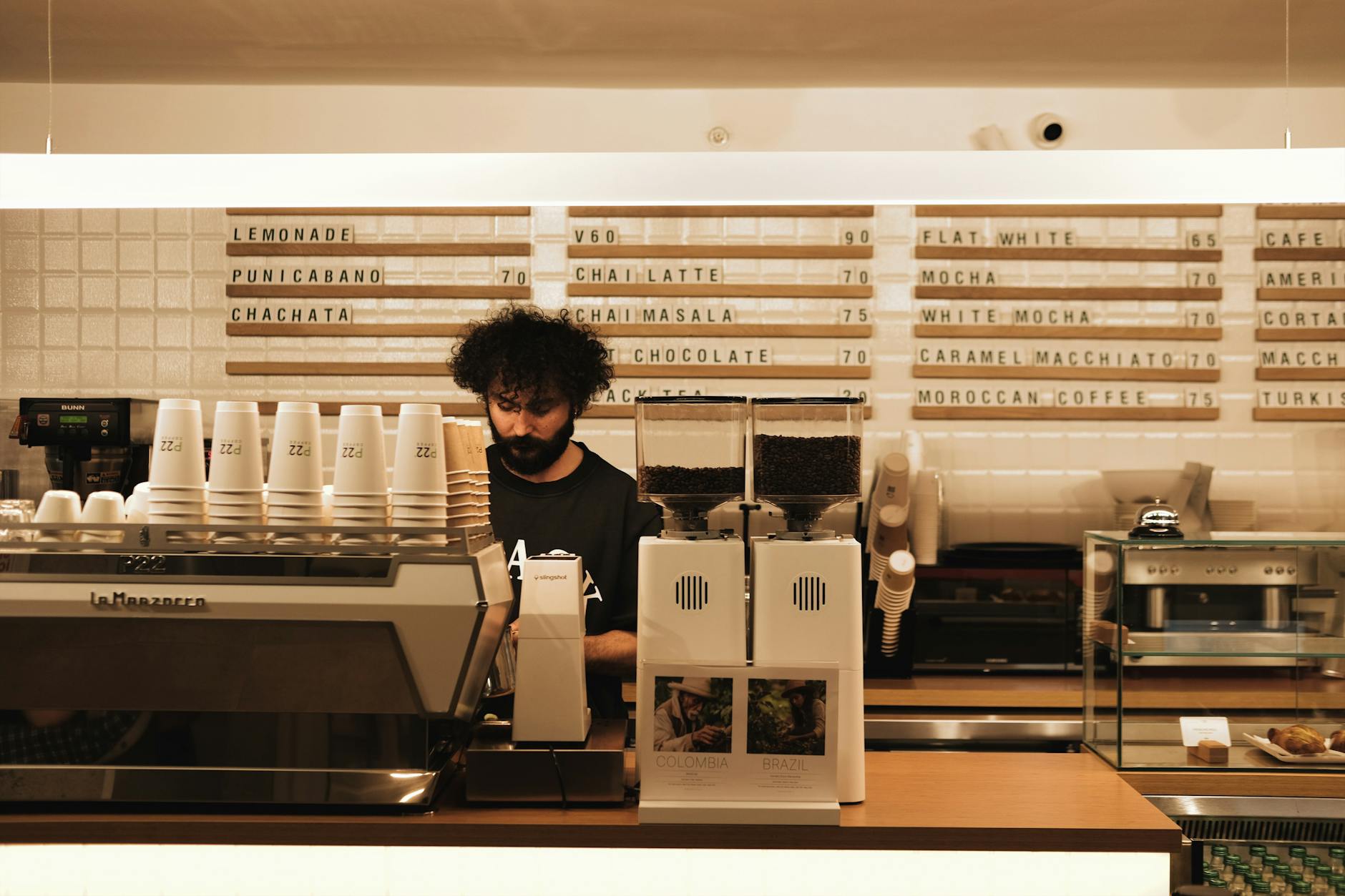
Three markers separate artisanal from standard: single-origin beans with traceable farms, roasting in-house or by a named local roaster, and manual brewing methods like V60, Chemex, or AeroPress on the menu. Most charge 250-450₽ for filter coffee, 300-500₽ for espresso drinks.
The Moscow coffee wave started around 2012 with pioneers like Double B and Coffemania. By 2026, second-generation roasters dominate. Many train baristas through SCA-certified programs and compete in national latte art championships.
Top Artisanal Coffee Shops Near Major Moscow Landmarks
Double B Coffee & Tea (Patriarch's Ponds)
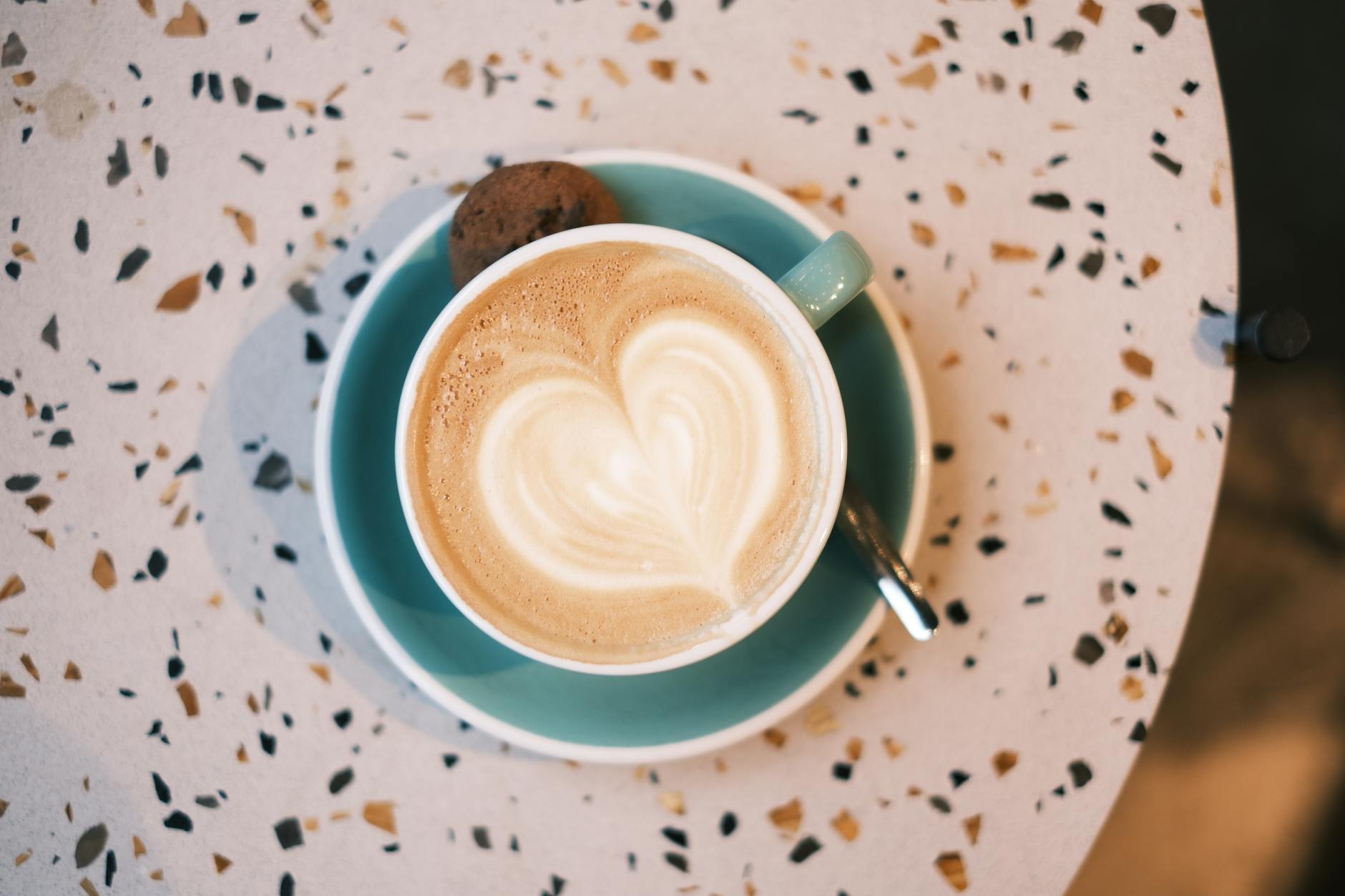
The granddaddy of Moscow third-wave coffee. Three locations, but the Patriarch's Ponds spot feels most authentic. They roast Ethiopian Yirgacheffe and Colombian beans in a small facility outside the Garden Ring. A flat white runs 380₽. The baristas pull shots with obsessive precision.
When I stopped in last March, the morning shift barista explained their current Colombia Huila lot had stone-fruit notes if brewed at 92°C but turned chocolatey at 94°C. That level of nerd detail defines the place. Metro: Mayakovskaya, then 7 minutes on foot. Open 8am-11pm daily.
Bon (Multiple Locations)
Bon operates like a Moscow coffee franchise done right. Fifteen locations across the city, all maintaining quality control. The Tverskaya branch sits two blocks from the Bolshoi Theatre, making it perfect for a pre-show espresso. They rotate single-origins monthly. Expect 320₽ for a cappuccino, 280₽ for batch brew.
Their Kenya AA from Kirinyaga region in February 2025 had the brightest acidity I've tasted in Moscow. The Tverskaya shop gets slammed 9-10am with office workers, so aim for 10:30am or after 3pm. Metro: Tverskaya or Pushkinskaya.
Cooperative Black (Krasnoselskaya)
Hidden in a former textile factory near Krasnoselskaya metro, Cooperative Black roasts on-site in a vintage Probat. The space feels industrial: concrete floors, exposed pipes, twenty-kilo burlap sacks stacked along one wall. Their house espresso blend changes seasonally. A cortado costs 300₽.
They sell beans by weight (from 450₽ per 250g for house blend to 850₽ for competition-grade Geisha). The head roaster studied in Oslo and brings Scandinavian light-roast philosophy to Russian palates. Open Tuesday-Sunday, 9am-9pm. Metro: Krasnoselskaya, 4-minute walk.
Surf Coffee (Gorky Park & Beyond)
If you want artisanal coffee with a side of Moscow people-watching, Surf Coffee in Gorky Park delivers. Floor-to-ceiling windows overlook the park's main pathway. They source beans from their own roastery in Sochi and run a tight ship across twenty Moscow locations.
The Gorky Park branch offers oat milk at no extra charge (rare in Moscow, where most shops add 50-80₽). A pour-over starts at 350₽. Metro: Oktyabrskaya or Park Kultury, then walk into the park.
How Much Should You Budget for Artisanal Coffee in Moscow?
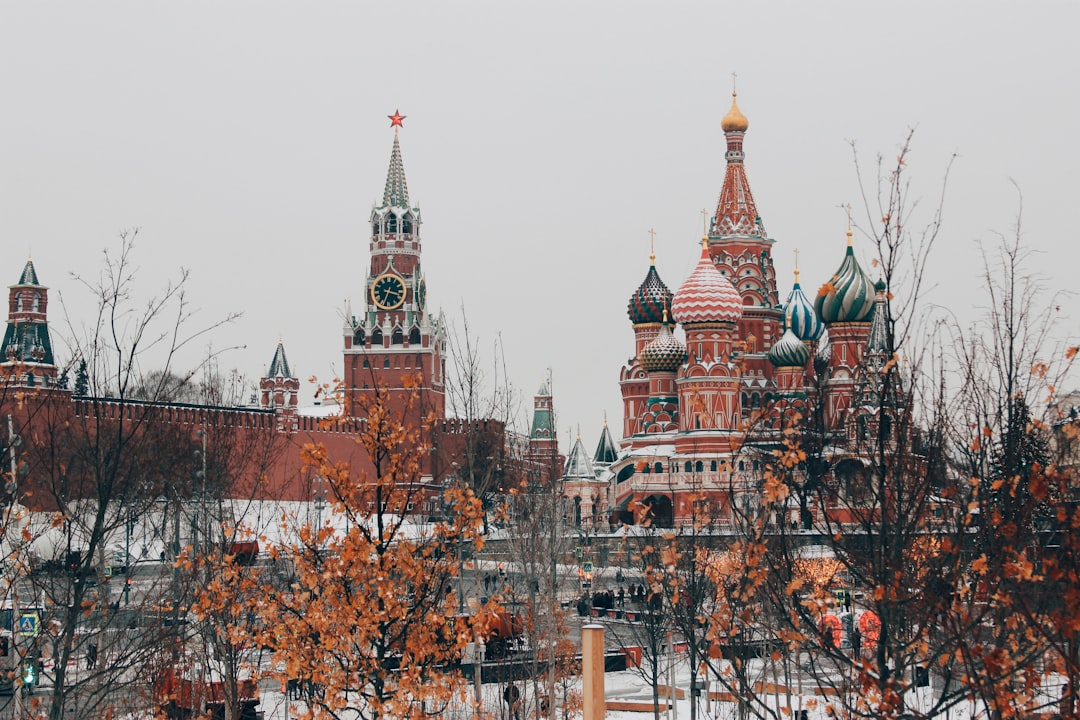
Plan on 300-500₽ per drink. A standard flat white or cappuccino averages 350-400₽ at quality shops. Pour-overs and manual brews run 300-450₽. Batch filter coffee, when available, drops to 250-300₽. For context, a metro ride costs 60₽, and a decent sit-down lunch near Red Square runs 800-1200₽.
Most artisanal shops accept cards (Visa and Mastercard worked in early 2025, though some switched to Mir-only systems). Carry 500-1000₽ cash as backup. Tipping isn't expected but rounding up 50₽ is common.
If you're buying beans to take home, expect 600-1200₽ per 250g depending on origin. Competition-grade lots (Geisha, rare Pacamara) can hit 1500₽ per 250g.
Where Are Moscow's Coffee Roasters Located?

Three neighborhoods concentrate the roasting action: Krasnoselskaya (industrial zone with cheap rent), Baumanskaya (former factories converted to creative spaces), and the area around Belorusskaya station. Most roasters welcome visitors but require advance booking for tours.
Torrefacto (Baumanskaya) roasts for a dozen Moscow cafés and runs public cuppings every Saturday at 2pm. Free entry, but reserve via their Telegram channel. They focus on Central and South American beans. Metro: Baumanskaya, 6-minute walk.
Skuratov Coffee Roasters (multiple locations) operates a roastery near Savelovskaya and supplies their own cafés plus wholesale clients. The Patriarch's Ponds café (different from Double B) lets you watch beans roasting through a glass partition. A flat white costs 370₽. Metro: Mayakovskaya.
Nooks (Chistye Prudy) combines a café with a tiny in-house roaster. The space seats maybe fifteen people. They roast twice weekly in small batches. I watched them roast a Colombian lot in November, and the owner explained how Moscow's dry winter air requires different cooling times than humid summer months. Espresso drinks run 340-400₽. Metro: Chistye Prudy, 3-minute walk.
What's the Best Time to Visit Moscow Coffee Shops?
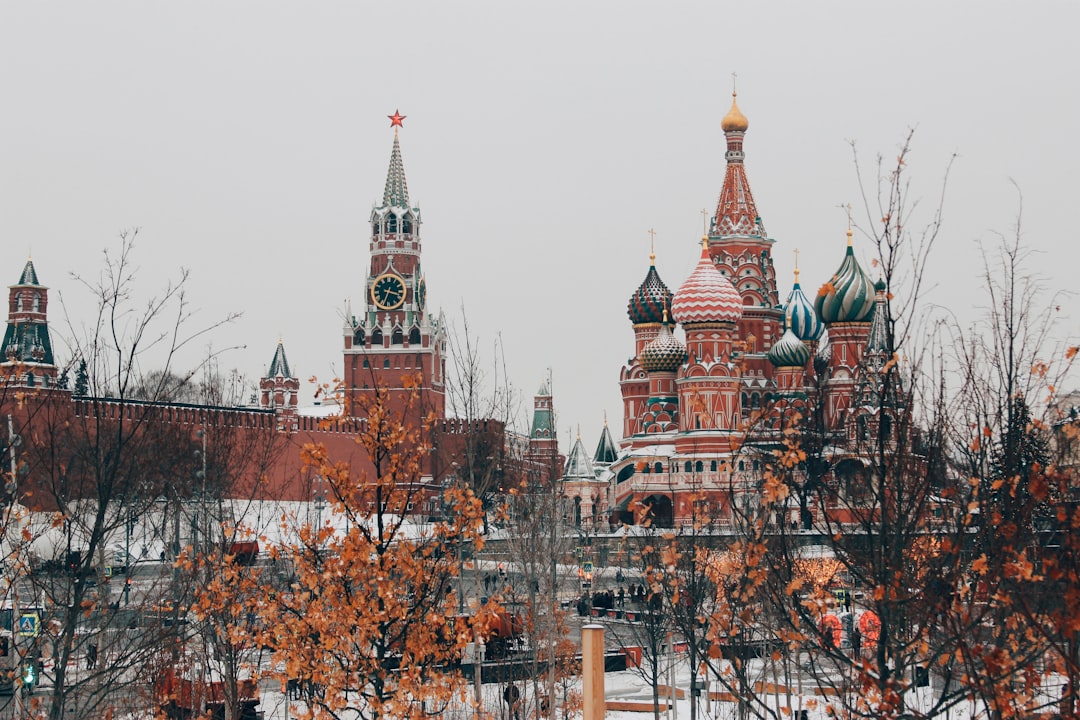
Weekday mornings (8-10am) see heavy local traffic. If you want counter space and barista chat, aim for 10:30am-12pm or 3-5pm. Weekends flip the script: mornings stay quiet until 11am, then pack until 2pm.
One common mistake: assuming shops near tourist sites open early. Many artisanal spots near Red Square or Arbat don't unlock doors until 9 or 10am. Check hours on 2GIS (better than Google Maps for Moscow) before planning a pre-Kremlin caffeine run.
Winter (November-March) brings peak coffee culture. Muscovites spend hours nursing a single cup while snow falls outside. Summer sees more grab-and-go traffic as people head to parks. If you want the full slow-coffee experience, visit between December and February.
Can You Combine Coffee Stops with Moscow Sightseeing?
Absolutely.Here's a practical route:
Start at Bon near the Bolshoi (Tverskaya metro). Grab a cappuccino, then walk 8 minutes to Red Square. After touring the Kremlin, take the metro to Tretyakov Gallery (Tretyakovskaya station). Exit and walk 5 minutes to Cooperative Chernaya Rechka (a Cooperative Black sister location). Finish the day in Gorky Park with Surf Coffee.
If you're using GetTransfer.com from Sheremetyevo Airport, ask your driver to drop you at Patriarch's Ponds instead of your hotel. Hit Double B first, store luggage at your hotel later. The coffee shops don't offer luggage storage, but most hotels accept early check-in bags.
For a deeper dive into Moscow's coffee culture, GetExperience.com offers a guided coffee-tasting tour that hits four roasteries in three hours. The guide explains Soviet coffee history and how the 2014 ruble crash accidentally boosted local roasting.
Are Moscow's Artisanal Coffee Shops Foreigner-Friendly?
Menus usually include English, especially at chains like Bon and Surf Coffee. Independent shops vary. Baristas under thirty often speak conversational English. Older staff may not, but pointing at the menu works fine.
Payment is straightforward. Most shops display prices in rubles on wall boards or printed menus. Some list euro prices for tourists, though you'll pay in rubles. Cards work almost everywhere. The Mir payment system dominates, but Visa and Mastercard still function at many locations as of early 2026.
Wi-Fi is standard and usually password-free. Outlets are less common than in Western Europe. If you need to work for hours, ask before claiming a table. Some shops enforce a one-drink-per-hour soft rule during peak times.
What Coffee Trends Are Shaping Moscow in 2026?
Three trends define the current moment. First, oat milk finally achieved price parity with dairy at progressive shops. Second, natural and anaerobic fermentation coffees (once rare) now appear on most specialty menus. Third, collaboration roasts between Moscow roasters and European counterparts are common.
Cold brew took off in summer 2025. Previously a niche offering, it's now standard at any serious shop from June through August. Prices run 300-400₽ for 300ml. Nitro cold brew, still rare, costs 450-500₽ where available.
Filter coffee is making a comeback after years of espresso dominance. Shops that installed batch brewers report 30% of morning sales now come from filter rather than espresso drinks. It's cheaper to produce and faster to serve, which helps during rush hours.
Which Coffee Shop Should First-Time Visitors Choose?
If you're only hitting one, make it Double B at Patriarch's Ponds. It offers the full Moscow coffee experience: serious roasting, knowledgeable baristas, a neighborhood vibe that feels authentically local rather than tourist-facing, and a location that's easy to reach from central hotels.
The Patriarch's Ponds area itself is worth exploring. Bulgakov fans know it as the opening setting of "The Master and Margarita." You can walk from there to Arbat Street in 15 minutes, hitting both literary Moscow and artisanal coffee in one morning.
For a less intense introduction, Bon on Tverskaya delivers quality without the third-wave intimidation factor. The space is brighter, the menu more accessible, and the location puts you seconds from major metro lines.
Moscow's artisanal coffee scene rewards curiosity. The shops listed here represent a fraction of what's operating in 2026, but they're the ones that consistently deliver on bean quality, brewing skill, and the kind of environment where you'll want to sit for a second cup. Bring rubles, charge your phone for photos, and prepare to reset your assumptions about Russian coffee culture.


