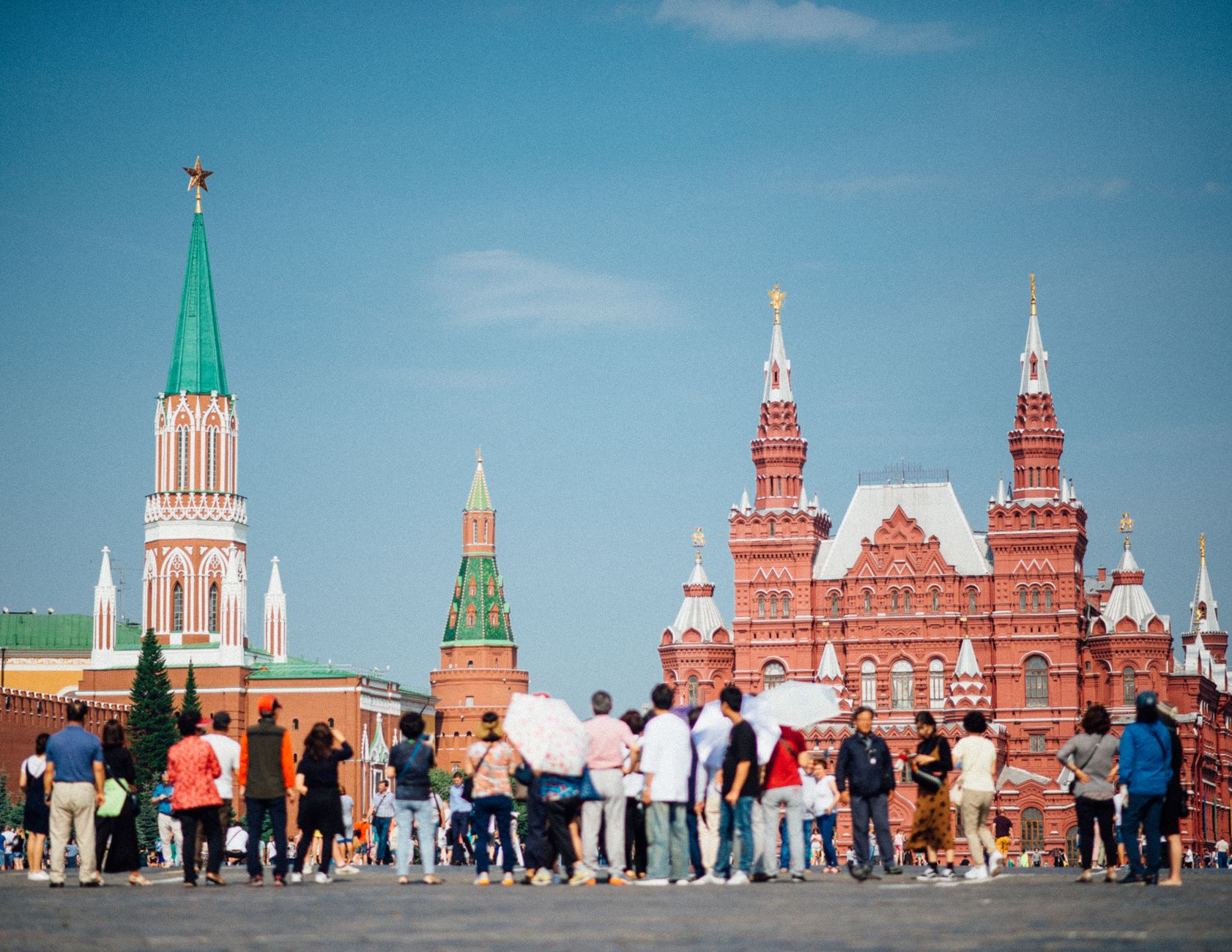
Yes — as of 2026 it is legal for U.S. citizens to travel to Russia as tourists. Washington has not banned its own citizens from visiting, and Russia continues to issue tourist visas to Americans. But the U.S. government strongly advises against it, and a trip today carries real risks and logistical hurdles: there are no direct flights, Western bank cards do not work, U.S. citizens face a specific detention risk, and consular help is severely limited. This guide explains exactly what an American needs to know before booking.
What does the U.S. government say?
There is no U.S. law preventing Americans from entering Russia for tourism. However, the U.S. Department of State maintains a Level 4: "Do Not Travel" advisory — its highest warning level. It is guidance, not a legal prohibition, but it is based on severe risks:
- The war with Ukraine — ongoing conflict destabilises the region, including the risk of drone attacks and explosions in major cities, including Moscow.
- Wrongful detention — U.S. citizens are singled out for detention or interrogation, sometimes on false or politically motivated charges, and consular access may be denied.
- Limited consular assistance — the U.S. Embassy in Moscow runs on reduced staff and U.S. consulates have suspended operations, so the government's ability to help you in an emergency is severely limited.
Sanctions themselves target the Russian state, banks and specific individuals — not ordinary American tourists. What they affect is the logistics of your trip: flights, payments and insurance.
Quick facts for U.S. travelers
| Question | 2026 status |
|---|
| Legal for Americans to visit? | Yes (tourism) |
| Visa required? | Yes — traditional tourist visa (no e-visa for U.S. citizens) |
| Direct flights from the U.S.? | No — connect via a third country |
| U.S. Visa/Mastercard/Amex work? | No — bring cash to exchange |
| State Dept advisory | Level 4: Do Not Travel |
Do Americans need a visa?
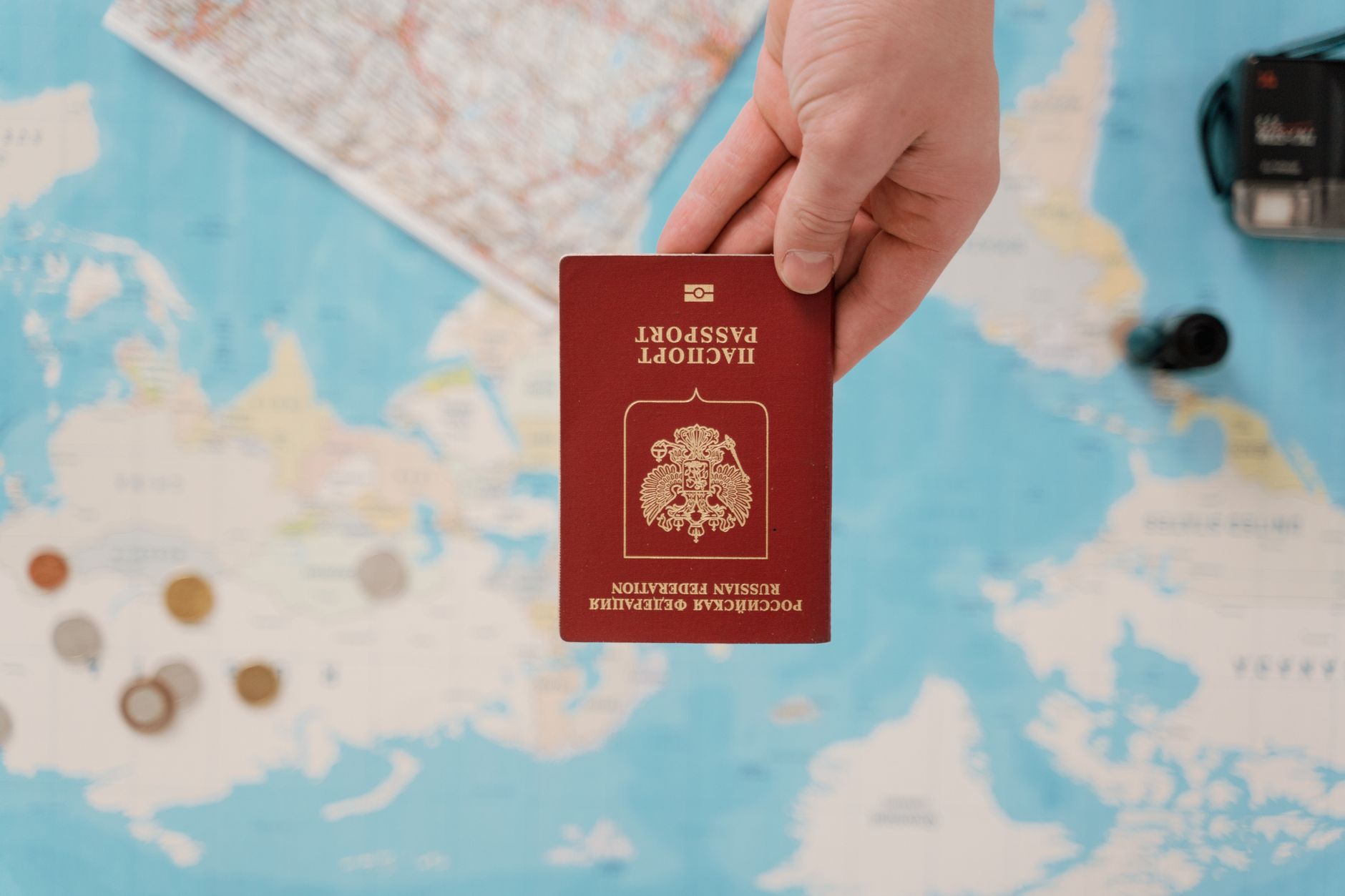
Yes. Every U.S. citizen needs a visa to enter Russia, and there is no visa-free or visa-on-arrival option. Importantly, U.S. passport holders are not eligible for Russia's unified e-visa — that convenient online route is open to many nationalities, but not to Americans.
Instead, Americans must apply for a traditional tourist visa through a Russian consulate or authorised visa center. This requires a formal letter of invitation (visa support) from a hotel or an authorised tour operator. We walk through the process in Russian visa for American citizens and the 3-year U.S. tourist visa guide.
Note that even with a valid visa, entry is not guaranteed — Russian border officials make the final decision at the point of entry.
How do you actually get there?
There are no direct flights between the United States and Russia, and U.S. and EU airspace is closed to Russian carriers. Americans typically fly to a third-country hub — such as Istanbul, Dubai or Doha — and connect onward to Moscow. Booking that final leg can be tricky because it often cannot be paid for with a U.S. card. See our dedicated guide, how to fly to Russia from the USA, and booking flights with a foreign card.
Money: your U.S. cards will not work
This is the single biggest practical shock for American visitors. Because Visa, Mastercard and American Express suspended operations in Russia, cards issued by U.S. banks are declined everywhere — hotels, ATMs, restaurants and the metro. Plan to bring enough cash (U.S. dollars or euros in clean, newer bills) to exchange for rubles on arrival, and budget conservatively. Read how to pay in Moscow as a tourist and our money and currency guide before you go.
Safety, insurance and staying in touch
Everyday tourist areas in Moscow and St. Petersburg are generally calm and street crime is low, but the risks above are real and consular help is minimal, so travel only if you are comfortable with that. Keep copies of your documents and register your stay. Critically, many standard travel-insurance policies now exclude Russia because of the war — meaning you could be fully responsible for medical or evacuation costs — so you must find a specialist provider that explicitly covers travel to Russia. Our Russia safety tips cover the essentials.
Getting around is easy once you arrive — a pre-booked private airport transfer avoids the card problem at the airport, and guided experiences smooth the language barrier.
Frequently asked questions
Is it legal for Americans to travel to Russia in 2026?
Yes. There is no U.S. ban on citizens visiting Russia for tourism, and Russia issues tourist visas to Americans. The State Department's Level 4 "Do Not Travel" advisory is strong guidance, not a legal prohibition.
Do Americans need a visa for Russia, and can they use the e-visa?
Americans need a visa, but they cannot use the unified e-visa — U.S. passport holders are not on the eligible list. You must apply for a traditional tourist visa through a consulate or visa center, with a letter of invitation.
Can I use my U.S. credit card in Russia?
No. Cards issued by U.S. banks (Visa, Mastercard, Amex) do not work anywhere in Russia. Bring cash to exchange for rubles.
Are there direct flights from the U.S. to Russia?
No. You must connect through a third country such as Turkey, the UAE or Qatar.
Is it safe for Americans in Russia?
Everyday tourist areas are generally calm, but the U.S. issues a Level 4 advisory citing the war, a specific risk of wrongful detention of Americans, and severely limited consular help. Travel only if you fully accept those risks.
Entry rules, sanctions and flight routes for Russia change frequently. Confirm every visa, payment, insurance and flight detail with the U.S. Department of State and the Russian Embassy close to your departure date.


