Moscow runs almost entirely without Visa or Mastercard, which catches most tourists off guard. Understanding what works before you land at Sheremetyevo Airport saves hours of confusion and missed restaurant reservations.
This guide covers the payment methods that actually function in Moscow, the ones that fail despite what your bank promised, and the practical workarounds for paying in shops, museums, and on public transport across the city.
Why Your Visa and Mastercard Stop Working in Moscow
Visa and Mastercard suspended operations in Russia in March 2022. Cards issued by Russian banks still carry these logos but don't process through the international networks. Your foreign-issued Visa or Mastercard — whether debit or credit — will decline at every Moscow terminal.
This includes contactless payments, and Apple Pay or Google Pay linked to Visa or Mastercard accounts. The payment networks themselves are blocked, not just specific card types. A platinum rewards card fails exactly as a basic debit card does.
American Express and Discover cards face the same block. The only international card network that still functions in Moscow is UnionPay, issued primarily by Chinese banks and a small number of other foreign institutions.
What Payment Methods Actually Work in Moscow?
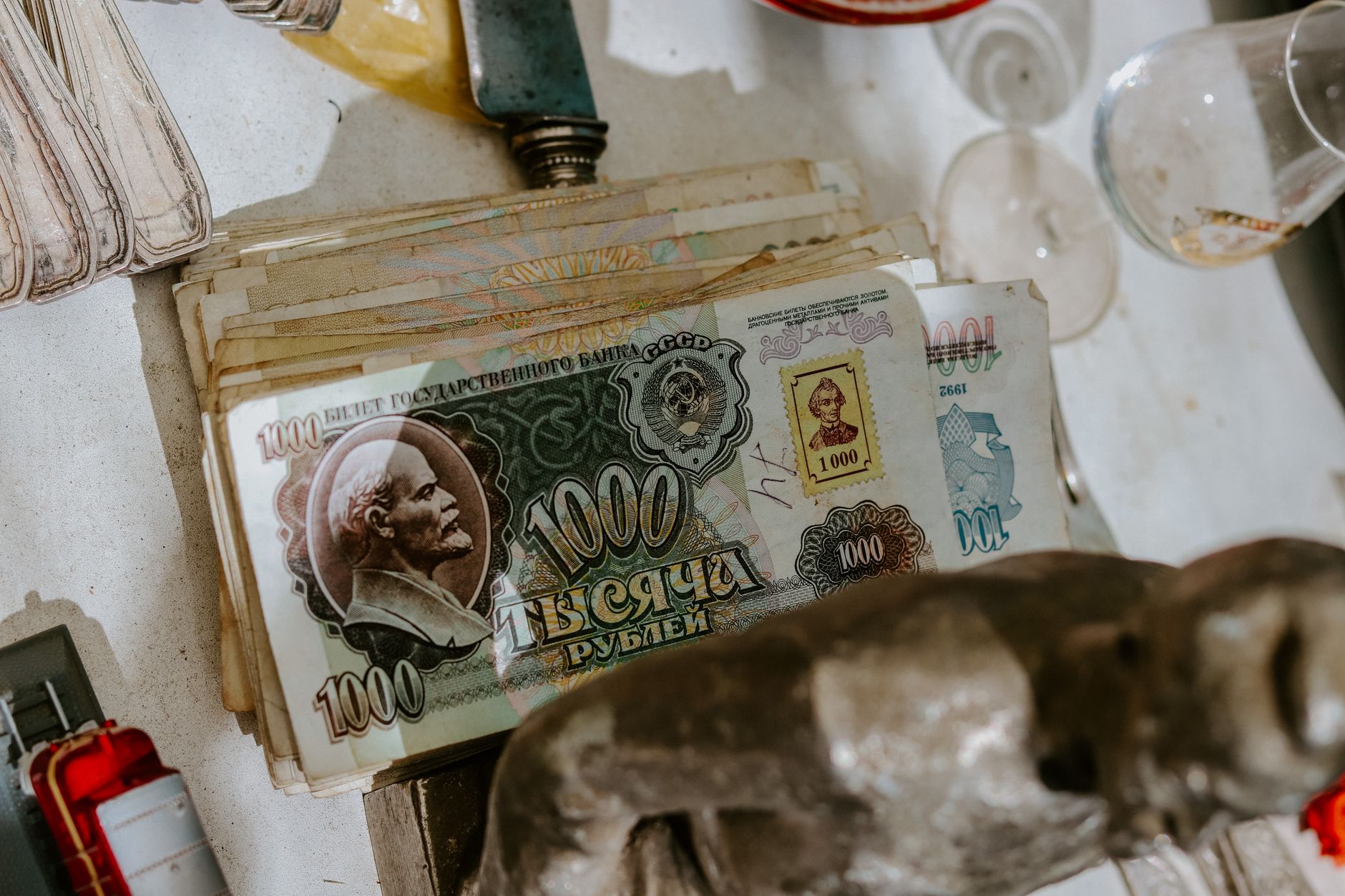
Ruble cash remains the most reliable option. Every business accepts it, from the GUM department store to neighborhood bakeries near Gorky Park. ATMs dispense rubles, though finding one that accepts foreign cards takes some knowledge we cover below.
The Mir payment system works throughout Moscow but is tied to a Russian bank account. Foreign visitors can, in principle, open an account and obtain a Mir card at some Russian banks with a passport while meeting the bank's requirements in person — but the process is slow and impractical for a short trip. Treat it as a possible option for a longer stay, not a quick fix for a few days in the city.
UnionPay cards work at many — though far from all — Moscow merchants. Acceptance is inconsistent and depends on the bank that issued your card and on the individual terminal. Major chains such as Perekrestok supermarkets are more likely to accept UnionPay; smaller vendors, street-food stands, and some museums often do not. The UnionPay International website lists acceptance points, but real-world coverage in Moscow is uneven, so always keep cash as a backup.
Cash Acceptance by Location Type
- Metro: you can pay at the turnstile with a contactless Mir or UnionPay card, or buy and top up a Troika card at the station; single-ride tickets and Troika top-ups can also be paid in cash. Foreign Visa and Mastercard will not work at the turnstile. Fares change periodically, so check the current tariff at the station or on the official Moscow Metro channels.
- Restaurants: virtually all accept cash; higher-end places prefer cards but take cash without issue.
- Museums: major museums such as the Tretyakov Gallery and the Pushkin Museum take cash at ticket windows; the Kremlin Armoury Chamber uses timed-entry tickets that can sell out, so book ahead online or buy early at the ticket office.
- Taxis: GetTransfer.com drivers accept cash; street-hail drivers expect rubles.
How Much Cash Should You Carry in Moscow?
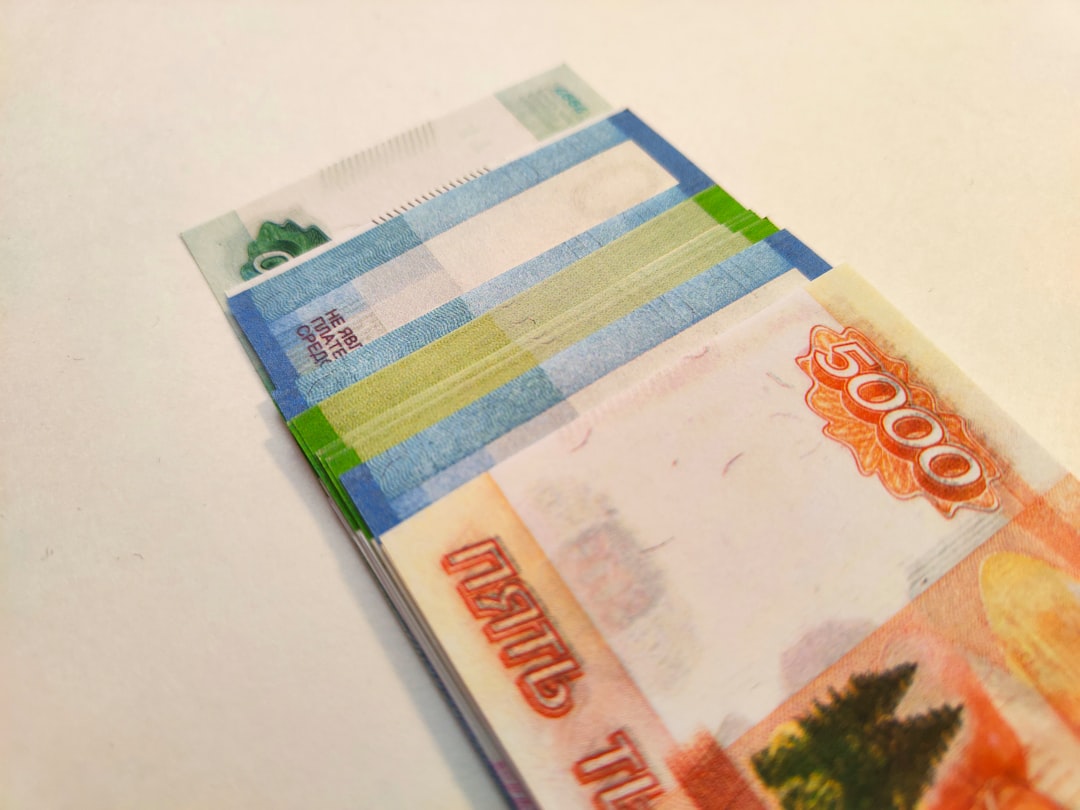
As a rough guide, budget around 15,000-25,000₽ per person for a three-day Moscow visit if you pay entirely in cash. That covers mid-range restaurant meals, museum entries, several days of metro travel, and incidentals — adjust it to your own plans.
Break this into daily portions rather than carrying it all at once. ATMs are plentiful in central Moscow, so you can withdraw as you go. The exchange-rate spread between airport currency desks and city-center banks is significant, so several smaller withdrawals usually beat one large airport exchange.
Moscow street-crime rates sit well below those of many Western European capitals, but pickpocketing clusters around Red Square, the Arbat pedestrian zone, and busy metro transfer stations during evening rush hour. Inside jacket pockets defeat most attempts; external backpack pockets do not.
Where to Get Rubles: ATMs That Accept Foreign Cards
Most Moscow ATMs reject foreign Visa and Mastercard. The machine accepts the card physically, processes for a while, then returns it with a generic error. This wastes time and can trigger fraud alerts with your home bank.
Sberbank ATMs (green machines, Cyrillic: Сбербанк) are among the most likely to accept UnionPay cards, though acceptance still is not guaranteed at every machine. Withdrawal caps and fees vary by machine and by your home bank, and a currency-conversion fee usually applies on top of your bank's international withdrawal fee.
Alfa-Bank ATMs (red machines) may also accept UnionPay but can charge higher fees on foreign cards. Acceptance at other banks' machines — such as T-Bank (formerly Tinkoff) — is less consistent. If one ATM declines your card, try a Sberbank machine before assuming the card itself is the problem.
ATMs at Sheremetyevo Airport may accept UnionPay but typically apply worse rates and higher fees than machines in the city, so withdraw only what you need to reach the center.