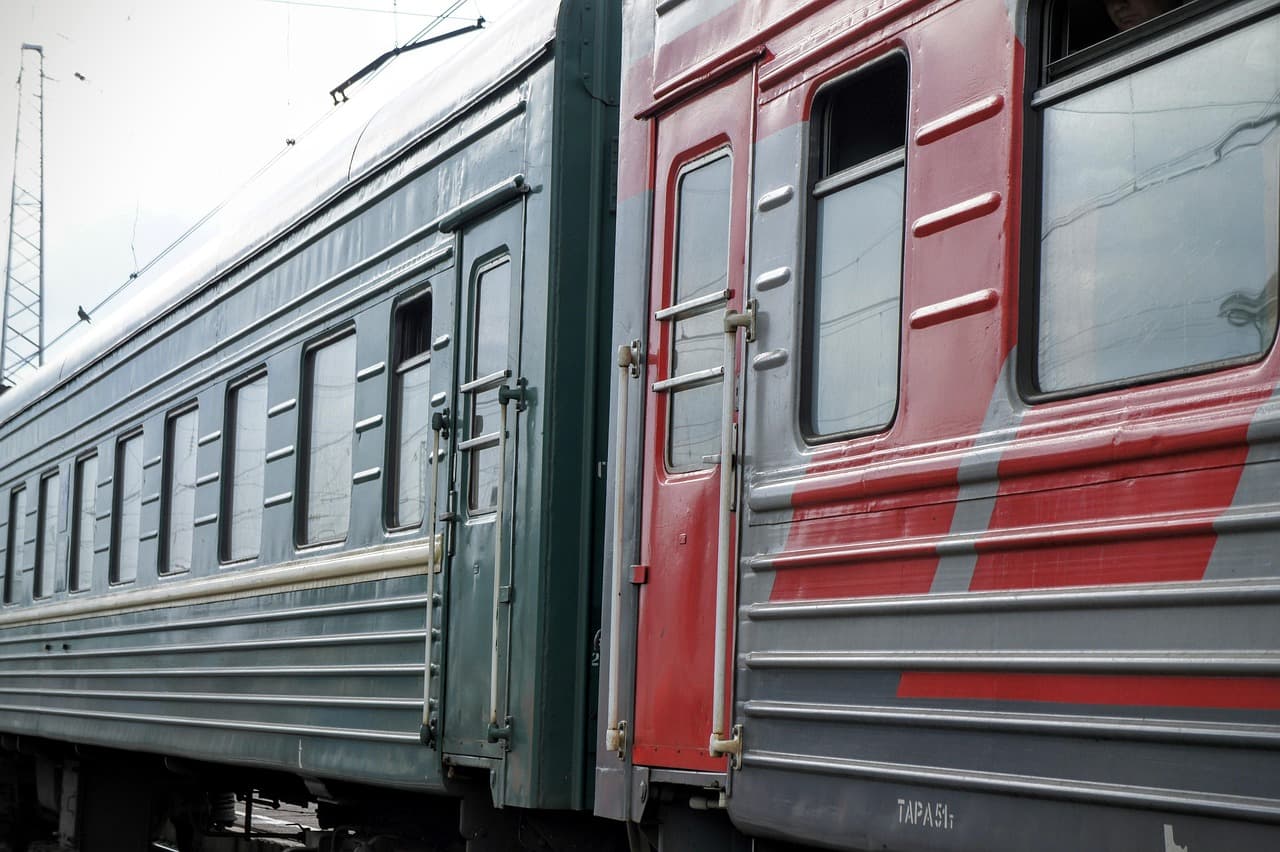
The Trans-Siberian Railway is the longest railway line on Earth and one of travel's great bucket-list journeys. Running 9,289 kilometres from Moscow across seven time zones to Vladivostok on the Pacific, it takes about seven days non-stop — or several weeks if you break the trip to explore Siberia. This guide covers the routes, the classes, where to stop, how to book and when to go.
The three routes
"Trans-Siberian" is really a network of three routes sharing the same tracks out of Moscow before splitting in the east:
- Trans-Siberian (classic) — Moscow to Vladivostok, entirely within Russia. The full 9,289 km line.
- Trans-Mongolian — branches south through Ulan-Ude into Mongolia (Ulaanbaatar) and on to Beijing. The most scenic for many travellers.
- Trans-Manchurian — branches into northeastern China, reaching Beijing without crossing Mongolia.
Understanding the classes

| Class | Russian name | What you get |
|---|
| 1st class | Spalny (SV) | 2-berth private compartment; most comfortable, most expensive |
| 2nd class | Kupe | 4-berth lockable compartment; the popular sweet spot |
| 3rd class | Platskart | Open dormitory-style carriage; cheapest and most social |
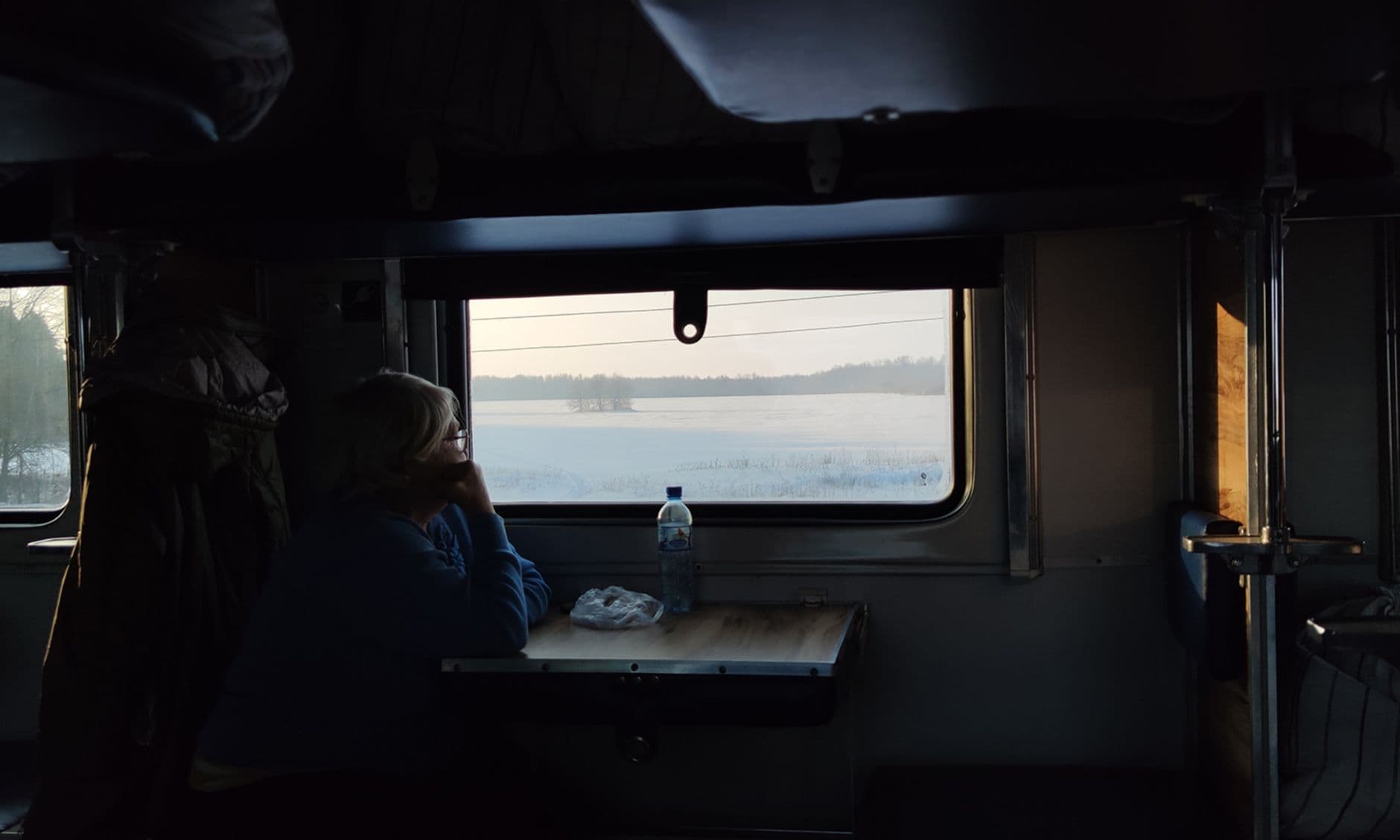
Every long-distance carriage has a provodnitsa (car attendant), a samovar of boiling water for tea and instant meals, and a shared toilet at each end. Second-class kupe is the classic choice; platskart is where you meet the most locals.
What it costs in 2026

The following are approximate 2026 fares for the full Moscow-Vladivostok journey, train ticket only (excluding stopovers, food and accommodation):
| Class | Approx. fare (full route) |
|---|
| 3rd class (Platskart) | ~14,500 RUB (€150-200) |
| 2nd class (Kupe) | ~27,000 RUB (€250-400) |
| 1st class (SV / Luxe) | ~80,000 RUB (€500-800) |
Treat these as planning benchmarks — exact fares vary by train, date and demand, so confirm the current price when you book.
The stops worth making
Riding straight through is possible, but the magic is in getting off. The most popular stops, west to east:
- Kazan — the Tatar capital, where mosques and Orthodox cathedrals share a UNESCO kremlin.
- Yekaterinburg — the gateway to the Urals and the symbolic Europe-Asia border.
- Irkutsk & Lake Baikal — the highlight for most travellers: the world's deepest lake, reached from "the Paris of Siberia." See our Lake Baikal guide from Irkutsk to Ulan-Ude.
- Ulan-Ude — centre of Buryat culture and the junction for the Trans-Mongolian route.
- Vladivostok — the Pacific terminus and home of the Russian navy's Pacific Fleet.
How to book tickets
Tickets are sold by Russian Railways (RZD) and open for sale 90 days before departure. Booking early matters for 1st and 2nd class in summer, which sell out.
The catch for foreign travellers is payment: buying on the official RZD website or app effectively requires a Russian MIR bank card, and foreign Visa/Mastercard are declined. If you don't have a MIR card, book through a third-party agency or aggregator that handles the transaction for you — the standard workaround.
Tips that save headaches: choose lower berths for storage and comfort, and pack your own snacks, wet wipes and a mug.
A note on train times
Historically the entire Russian rail network ran on Moscow time, which caught out countless travellers in the far east. As of 1 August 2026, long-distance train times — on your ticket, station clocks and announcements — are shown in local time instead. Plan any trip after that date using local time.
When to go
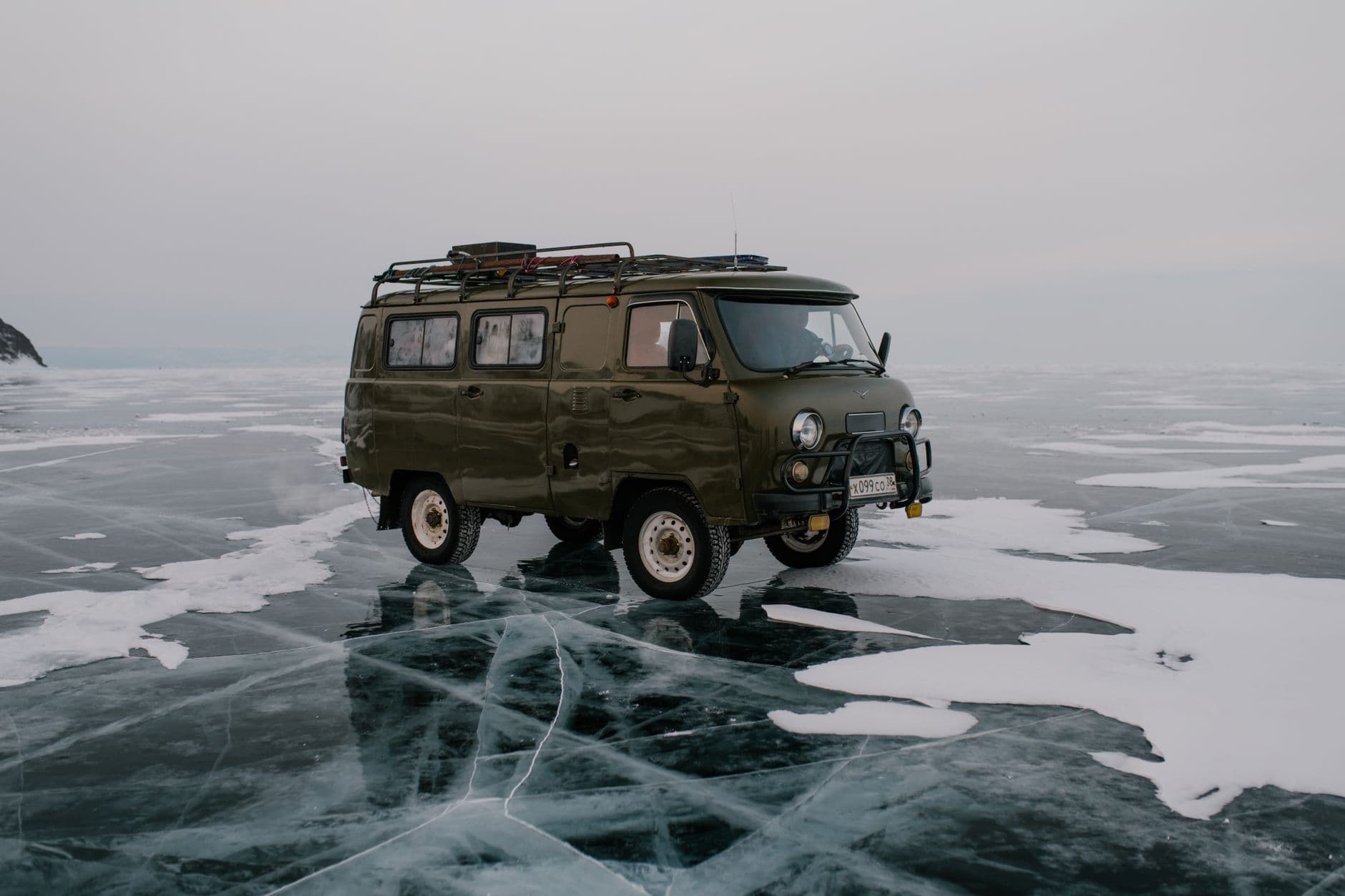
Summer (June-August) brings the warmest weather, green landscapes and the busiest trains. Winter turns Siberia into a frozen spectacle — Lake Baikal freezes solid enough to walk on — but demands serious cold-weather gear. Shoulder seasons (May, September) balance mild weather with thinner crowds. Plan around our best time to visit Russia guide.
Planning your trip around Moscow
Almost every itinerary starts in Moscow, so build in a few days first — see our Moscow attractions guide. For the shorter Moscow-St. Petersburg leg many travellers add on, the high-speed Sapsan train is the fast alternative, and our getting around Russia guide covers the wider network. Guided rail experiences and stopover tours take the logistics off your plate.
Frequently asked questions
How long does the Trans-Siberian Railway take?
The full Moscow-Vladivostok run is about seven days non-stop. Most travellers spread it over two to three weeks to stop in cities like Yekaterinburg, Irkutsk and Ulan-Ude.
How long is the Trans-Siberian Railway?
The classic Moscow-to-Vladivostok line is 9,289 kilometres, crossing seven time zones — the longest railway in the world.
How much does the Trans-Siberian cost in 2026?
Approximate full-route fares are about 14,500 RUB (€150-200) in platskart, 27,000 RUB (€250-400) in kupe, and 80,000 RUB (€500-800) in 1st-class SV — train ticket only.
How far in advance can I book tickets?
Russian Railways opens sales 90 days before departure. Book early for 1st and 2nd class in summer.
Are train times in Moscow time or local time?
From 1 August 2026, long-distance train times are shown in local time. Before that, the network used Moscow time throughout.
Prices, timetables and booking rules for Russian Railways change over time — confirm current details when you book.