


Caviar Almas in Moscow: Where to Find the World's Rarest Caviar
Almas caviar holds the title of the world's most expensive food product. Harvested from albino beluga sturgeon that live 60 to 100 years in the Caspian Sea, this pale gold caviar costs between €20,000 and €25,000 per kilogram. The name "almas" means diamond in Russian and Persian, reflecting both its rarity and price point.
Moscow remains one of the few cities where travelers can encounter genuine almas caviar. The Russian capital houses specialty caviar boutiques, high-end restaurants with tasting menus, and import shops that stock this ultra-luxury product. This guide covers real locations, actual prices in 2026, and what separates authentic almas from standard beluga.
What Makes Almas Caviar Different from Regular Beluga
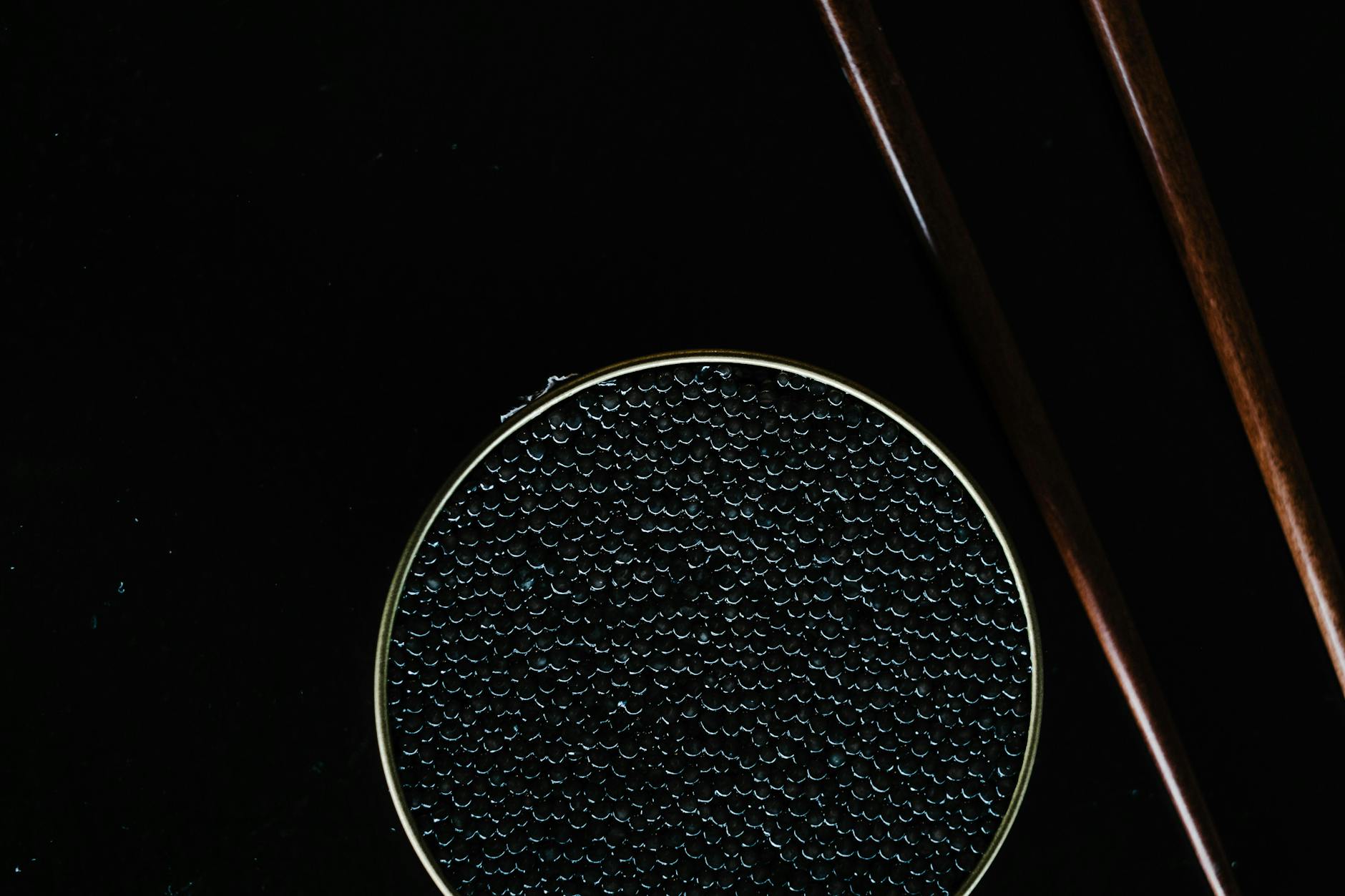
Standard beluga caviar comes from grey-black sturgeon and costs €3,000 to €8,000 per kilo in Moscow specialty shops. Almas comes exclusively from albino beluga sturgeon over 60 years old. The eggs range from pale ivory to light gold, never black.
The texture differs noticeably. Regular beluga pops firmly between your teeth. Almas eggs collapse with almost no pressure, releasing a buttery cream that coats your tongue. The flavor profile skews less briny than standard caviar. You taste hazelnut, a faint mineral note, and clean ocean finish without the iodine punch younger fish produce.
Production numbers explain the price gap. Iran and Russia together produce roughly 40 to 60 kilograms of almas annually. Compare that to 2,000 kilograms of standard beluga. Albino sturgeon represent less than 2% of the beluga population, and fisheries must wait decades longer for harvest-ready fish.
Where Can You Taste Almas Caviar in Moscow?
Three venues in Moscow offer almas caviar tastings without requiring a full kilogram purchase. Prices and availability shift seasonally, but these establishments stock it more consistently than others.
Caviar House at GUM Department Store operates on the second floor of the historic shopping arcade facing Red Square. They offer 10-gram tastings of almas for €280 to €320 depending on the specific harvest batch. The tasting includes blini, crème fraîche, and a chilled vodka pairing. When I visited in November 2025, the staff explained they receive almas shipments three to four times per year, usually selling out within six weeks. The shop opens 10 AM to 9 PM daily.
Beluga Restaurant on Petrovka Street includes a 5-gram almas tasting in their ₽48,000 caviar degustation menu. The seven-course experience pairs five caviar types with matching wines and spirits. Reservations open 60 days ahead and fill quickly for Friday and Saturday slots. The almas course arrives sixth, after your palate adjusts to standard osetra and beluga.
Tsar Imperial Caviar Boutique near Tverskaya Street stocks almas year-round in their temperature-controlled vault. They permit 5-gram tastings for ₽12,000, refundable against same-day purchases over ₽50,000. I tried their tasting in March 2025 and noticed the staff uses mother-of-pearl spoons exclusively. Metal spoons oxidize the eggs and alter the flavor within seconds.
How Much Does Almas Caviar Cost in Moscow in 2026?

Retail prices for almas caviar in Moscow range from ₽1,800,000 to ₽2,200,000 per kilogram at authorized dealers. That converts to roughly €18,500 to €22,500 depending on daily exchange rates. Smaller quantities break down as follows:
- 10 grams: ₽18,000 to ₽22,000
- 25 grams: ₽45,000 to ₽55,000
- 50 grams: ₽90,000 to ₽110,000
- 100 grams: ₽180,000 to ₽220,000
Restaurant markups add 200% to 400% to retail prices. A 30-gram serving at a Michelin-level Moscow restaurant typically costs ₽75,000 to ₽95,000 including accompaniments.
Prices climbed 15% between 2024 and 2026 due to stricter Caspian Sea fishing quotas and reduced albino sturgeon populations. Caviar experts predict another 10% to 20% increase by 2028 if current conservation policies continue.
Is the Almas Caviar You're Buying Actually Real?

Counterfeit almas appears in Moscow's grey market with alarming frequency. Unscrupulous vendors dye standard beluga eggs pale gold or sell young albino sturgeon roe as premium almas. Five verification steps protect buyers:
Check the tin packaging. Authentic almas arrives in 24-karat gold-plated tins with laser-etched serial numbers. The Caspian Fisheries Commission requires this packaging for export-grade almas. Standard glass jars or plain metal tins signal fake product.
Verify the source documentation. Legitimate dealers provide CITES certificates (Convention on International Trade in Endangered Species) with each purchase. The certificate lists the sturgeon age, harvest date, and origin coordinates. No certificate means no purchase.
Examine egg color consistency. Real almas ranges from cream to light amber, but every egg in a single tin should match closely. If you see dark eggs mixed with light ones, you're looking at dyed standard caviar.
Test the texture. Authentic almas eggs burst with minimal pressure. Roll one egg between your tongue and palate. It should dissolve into cream within two seconds. Firm eggs that require chewing indicate younger sturgeon.
Smell before tasting. Fresh almas smells like clean seawater with a butter undertone. Any ammonia scent, fishy odor, or complete absence of smell indicates spoiled or fake caviar.
What's the Best Way to Serve and Eat Almas Caviar?
Almas requires minimal accompaniment. The delicate flavor profile gets buried under strong flavors that work fine with robust beluga. Traditional Russian service uses three elements: the caviar itself, plain blini or toast points, and unsalted butter or crème fraîche.
Temperature matters more than most guides mention. Serve almas at 28°F to 32°F, slightly warmer than standard caviar. The eggs' high fat content turns unpleasantly hard below 28°F. Use an ice bath beneath the serving dish rather than direct ice contact.
Mother-of-pearl, gold, or bone spoons prevent metallic taste transfer. I learned this the hard way during my Tsar Imperial tasting when I accidentally used a stainless steel spoon for my second sample. The metallic tang overpowered the caviar's natural hazelnut notes completely.
Portion size runs smaller than regular caviar service. A 5-gram serving provides enough almas for a full flavor experience. Competitive caviar tastings typically serve 10 to 15 grams of standard beluga but only 5 grams of almas.
Vodka pairing works, but choose carefully. Premium Russian wheat vodka chilled to 35°F cleanses your palate without numbing it. Avoid flavored vodkas or anything below freezing temperature. Some Moscow sommeliers pair almas with Blanc de Blancs Champagne instead, arguing the citrus notes complement the caviar's butteriness better than vodka.
Can You Take Almas Caviar Home from Moscow?
Transporting almas caviar internationally requires advance planning. CITES regulations permit personal quantities up to 125 grams per person when accompanied by proper documentation. The caviar must remain in its original sealed container with intact serial numbers.
Airlines impose additional restrictions. Aeroflot, the main carrier from Moscow's Sheremetyevo Airport, allows caviar in checked baggage only, packed in insulated containers with ice packs. Cabin baggage rules prohibit caviar regardless of quantity. You can arrange specialized shipping through GetTransfer.com for airport pickup if you purchase larger amounts.
Temperature control during transport kills more caviar than customs issues. Almas spoils rapidly above 38°F. Purchase a medical-grade cooler rated for 24-hour ice retention minimum. Moscow's Domodedovo and Sheremetyevo airports both have pharmacy shops selling approved coolers near international departure gates.
United States customs currently prohibits beluga caviar import from Russia and Iran due to endangered species protections. European Union countries permit import with valid CITES paperwork. Check your destination country's regulations before purchasing. A common mistake travelers make involves buying almas at GUM, then discovering at airport customs their destination country bans the import entirely.
Alternative Luxury Caviar Experiences in Moscow
If almas pricing exceeds your budget, Moscow offers several premium caviar experiences at lower price points. These options still deliver exceptional quality without the five-figure cost.
Imperial Osetra from 15-year-old sturgeon costs ₽45,000 to ₽65,000 per 100 grams at Moscow specialty shops. The eggs run larger than almas with a firmer pop and nuttier flavor. Most caviar experts rank imperial osetra in the top 5% of available caviar globally.
Kaluga Hybrid caviar combines Kaluga and Amur sturgeon genetics, producing eggs that closely resemble beluga at 40% of the price. Expect to pay ₽28,000 to ₽38,000 per 100 grams. The Caviar House at GUM stocks this year-round when almas sells out.
Caviar and Vodka Pairing Tours through GetExperience.com combine visits to three Moscow caviar boutiques with vodka museum stops and traditional Russian appetizer courses. These four-hour experiences cost significantly less than single almas tastings while covering caviar history, production methods, and proper tasting techniques.
The Moscow Pass includes discounts at select caviar retailers in the Arbat district and near Gorky Park, though almas typically gets excluded from discount programs due to its limited availability and premium positioning.
When Is the Best Time to Buy Almas Caviar in Moscow?
Almas availability in Moscow peaks from October through February. Caspian Sea fishing seasons run April through June, with processed caviar reaching Moscow retailers by autumn. Spring and summer months see the lowest stock levels as shops exhaust winter inventory before new harvests arrive.
Price fluctuations follow supply patterns. January and February offer the best prices as retailers clear remaining stock before spring. November commands premium pricing when fresh harvests first hit the market and wealthy Muscovites stock up for New Year celebrations.
The Tretyakov Gallery neighborhood hosts an annual caviar festival each December where specialty vendors offer tastings and bulk purchase discounts. When I attended in December 2024, three vendors had almas available, and prices ran 8% to 12% below standard retail. The festival operates outdoors, so dress for Moscow winter temperatures that often hit -15°C.
Plan caviar purchases toward the end of your Moscow trip. The product requires consistent refrigeration, and most hotels lack appropriate storage. Buying on your final day minimizes spoilage risk during your stay.


