The visa you need for Russia depends on why you are travelling. For most tourists and short business trips of up to 30 days, the quickest option in 2026 is the unified electronic visa (e-visa), applied for online with no invitation letter. Longer stays, work, study or family visits require a traditional visa obtained through a Russian consulate or visa centre. This guide explains every visa category, how long each lets you stay, and how to choose the right one. First, check whether you even need a visa: some nationalities enter visa-free, and our overview of who needs a visa to enter Russia covers the exemptions.
Russian visa types at a glance
| Visa type | Purpose | Maximum stay | Invitation needed? |
|---|---|---|---|
| Unified e-visa | Tourism, business or guest visit | 30 days (valid 120 days) | No |
| Tourist visa | Leisure travel | Up to 30 days | Yes (tourist confirmation/voucher) |
| Business visa | Meetings, conferences, commerce | 90 days, or multi-entry up to 1 year | Yes (company invitation) |
| Private visa | Visiting family or friends | Up to 90 days | Yes (private invitation) |
| Work visa | Employment | Up to 1 year (renewable) | Yes (work permit/job offer) |
| Student visa | Study at a Russian institution | From 3 months, renewable | Yes (admission letter) |
| Transit visa | Passing through Russia | Up to 10 days | No |
The unified e-visa (easiest for tourists)
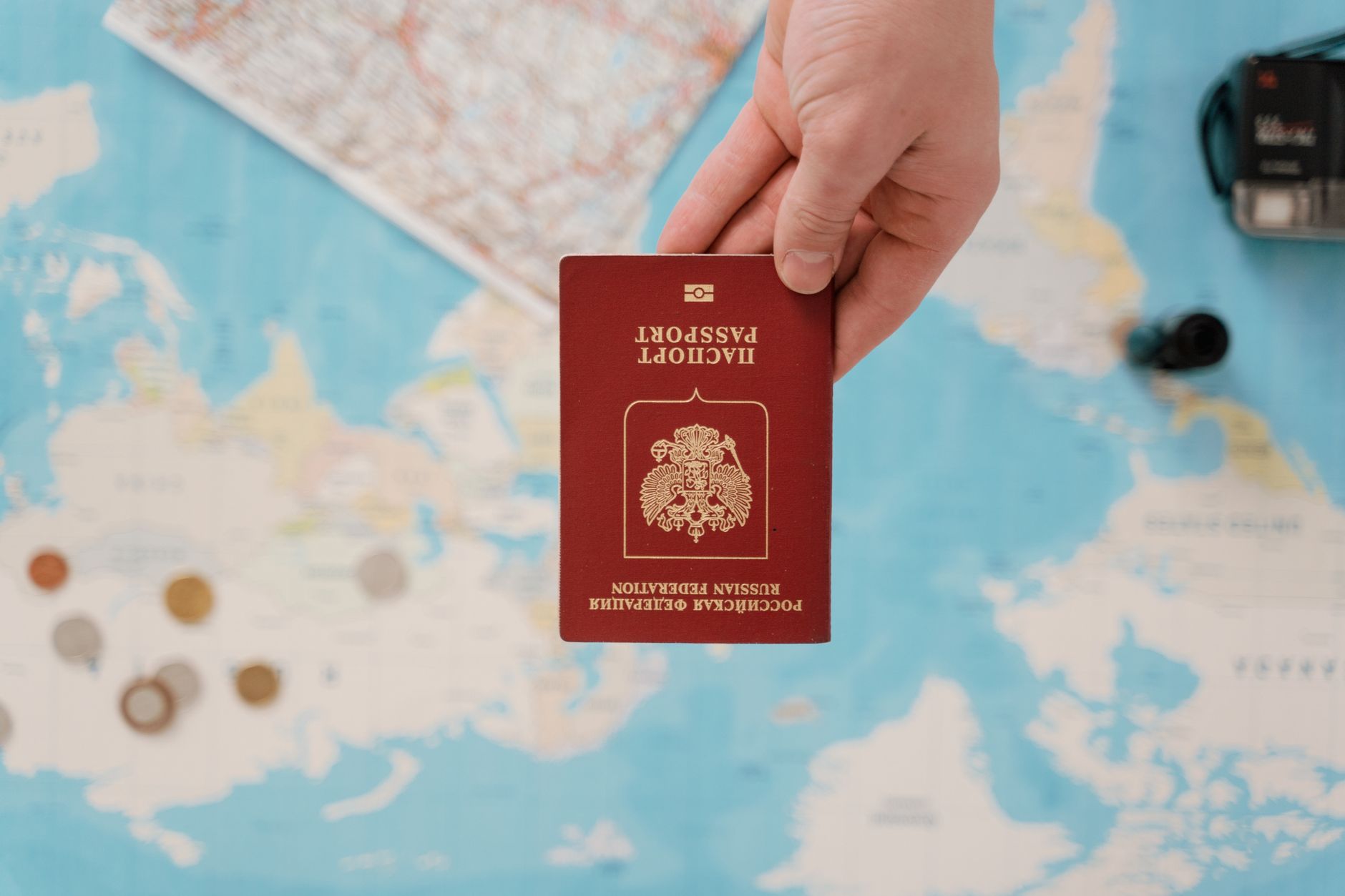
Since 2023 Russia has offered a single unified electronic visa to citizens of more than 55 countries, including the EU, the UK, China and India. It is the simplest route for a short trip. Key facts for 2026:
- Stay: up to 30 days from entry (extended from 16 days on 23 August 2025), with the visa valid for 120 days from issue.
- Entries: single entry.
- Purpose: tourism, business, or guest/humanitarian visits — not work or study.
- No invitation, hotel booking or itinerary required.
- Cost: a consular fee of about US$52.
- When to apply: online at the Russian MFA site, typically between 4 and about 86 days before your trip; approval usually takes up to 4 days.
You must enter and leave through designated checkpoints, including Moscow's airports. For a full walkthrough see our guide to the Russia e-visa: how to apply.
Traditional visa categories

Tourist visa
The classic tourist visa allows a stay of up to 30 days for leisure. It requires a "tourist confirmation" and voucher from an authorised Russian travel agency or hotel, and can be single or double entry. Choose this over the e-visa if you need a double entry or your nationality is not on the e-visa list.
Business visa
A business visa is for meetings, conferences and commercial activity. Single or double-entry versions allow up to 90 days; a multiple-entry business visa can be valid for one year (or up to five years for frequent travellers who can prove the need). It requires an invitation from a Russian company.
Private (guest) visa
The private visa is for visiting family or friends and is supported by a private invitation issued by a host in Russia through the migration authorities.