Start here with a practical move: buy a 24-hour transport pass and begin with a sunrise stroll along the riverfront, then wander into the medieval heart of the historic core, where grandeur rises from brick and stone.
youll find that pedestrian routes connect the market district to outdoor exhibition spaces; visiting exhibition on weekday mornings keeps fees modest, and youth artisans offer affordable crafts.
For a lifestyle-focused itinerary, pick sites within an easy reach of transit hubs; relax in riverfront parks as gargantuan murals glow under illuminants; evenings may feature a club with a low cover, while others options abound.
locations dense near the core district let you walk between medieval walls, a hilltop lookout, and the river embankment in a single loop; you can reduce fees by visiting midweek and using transport passes instead of taxis. include maps and transit tips for a smoother route; zero-fee slots exist for youth on certain days.
here youll observe a balanced rhythm of sights and scents as the urban life unfolds; this plan centers on accessible transport, modest fees, and daylight hours to maximize value while staying within a reasonable limit.
Practical Plan for Free Moscow Attractions in 2025
Recommendation: On tuesday, set aside a four kilometers loop that links no-cost sights in the heart of moscow: begin at Red Square, pass the wall of the Kremlin, then stroll to Zaryadye Park and along the Moskva embankment. This plan minimizes hustle, fits a practical time frame, and keeps you in heritage-rich zones without admission fees.
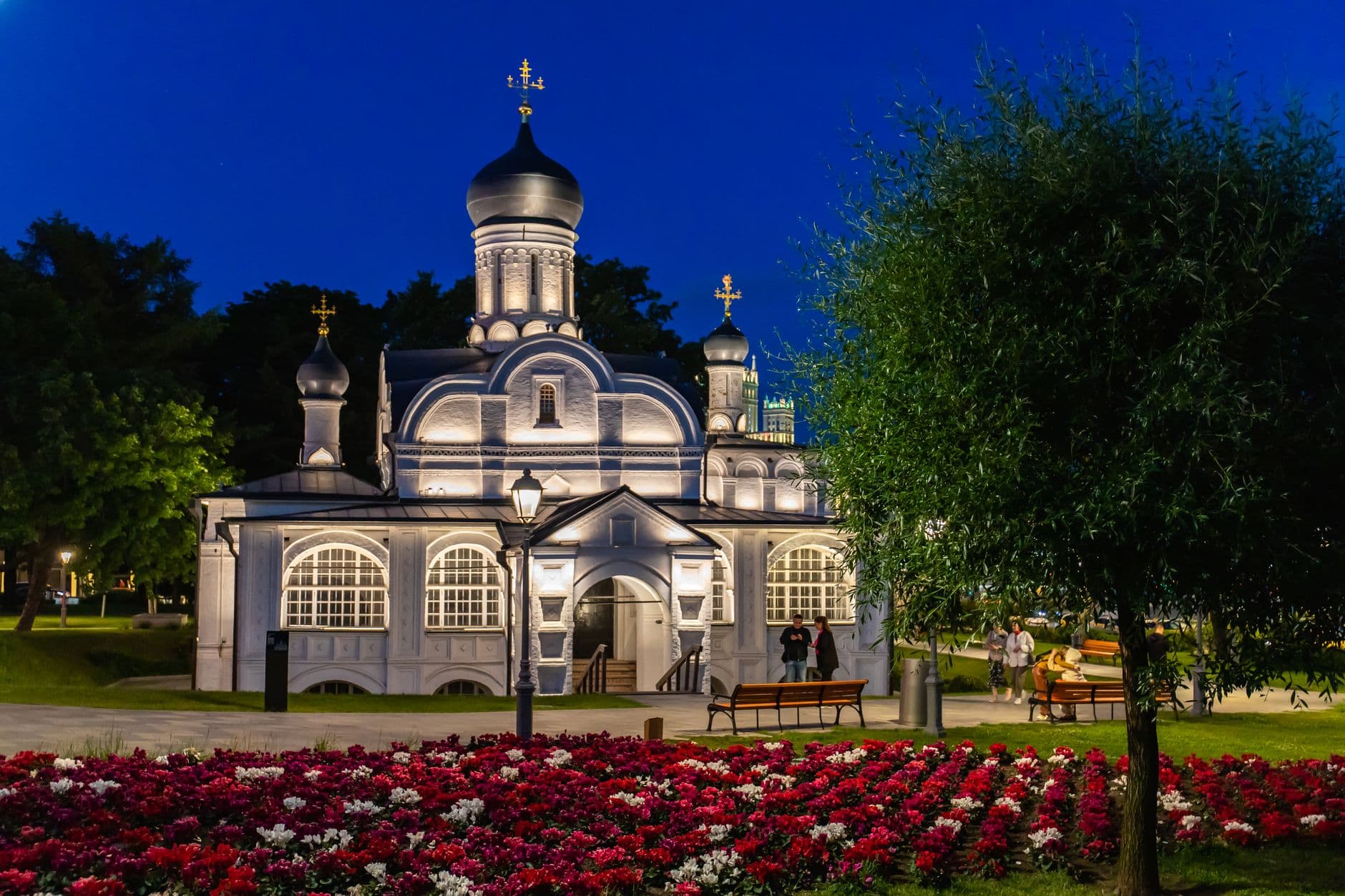
That route includes open-air options such as Alexander Garden, the riverfront in Gorky Park, Muzeon Park of Arts with outdoor sculptures, and the Kolomenskoye park area that offers views of marble church façades. The architecture along this path is world-class and can be appreciated from footpaths, a window view, or other exterior details without tickets, providing a theater of urban life.
Heritage note: To deepen context, include bulgakov by strolling near the Arbat and the Bulgakov House area; many storefronts and shops line the streets, and you can book time to browse in local stores. You'll notice the city style-stone walls, arches, and window details-that echo a rich heritage and texture the walk with making memories.
Practical tips: carry a map so you don't lose time, pack a water bottle, and use public transport or walk to cover four to six kilometers per route. Technically you can do most of this without spending a kopeck; watch boats drift by on the river, take a moment to read a book on a park bench, and buy affordable snacks at nearby shops or stores to stay on budget; the hustle of city life can be channeled into a steady, hour by hour plan.
What to include in your plan: including parks, outdoor art, and public buildings with grand building façades; look for marble columns, wall textures, and hermitage corners that appear on some older structures. If you want a deeper dive, you can time a brief interior visit when no-cost periods are offered, but otherwise focus on exterior sights and photo opportunities in moscow.
Free Museum Days: Which Moscow Institutions Offer No-Cost Visits
Always verify calendars; plan no-cost days on Sundays when several major venues provide no-charge entry; a student should bring an ID, as price waivers are often for student visitors, and this schedule has been updated recently. If a destination is closed for renovation, switch to another date to maximize exhibitions without charge.
Top options to start with include Tretyakov Gallery, Pushkin State Museum of Fine Arts, and Garage Museum of Contemporary Art; these venues have hosted no-charge days on specific dates. For a complete day, admire gargantuan exhibitions that span medieval and soviet-era periods, with marble interiors and outdoor pavilions. Some displays evoke a hermitage mood, inviting visitors to an admiring, contemplative experience.
From Kiyevskaya station, transport links are plentiful: metro, tram, and railway corridors connect to park precincts and cathedral ensembles. Plan a route that lets lovers of architecture and painting combine visits with a stroll past cathedrals and other grand façades.
Tips for the individual traveler: arrive early, check current dates on official pages, and sign up for alerts. If one venue is crowded or closed, another edition may appear elsewhere; this strategy keeps the day complete and rewarding. Third-party galleries and smaller venues also run no-charge days, offering quieter exhibitions for visitors who prefer a calmer pace.
Walking Tours and Free Heritage Routes Through Moscow's Historic Cores
Begin with a no-cost loop that starts at Alexander Garden and sticks to pedestrian paths along the Kremlin wall, offering an excellent exterior-focused tour suitable for travelers on a budget.
This route is ideal for families, making it easy to split the walk into short segments so everyone stays engaged while you explore the capital's layers.
The capital hosts countless stories in brick and stone, and this walk provides a clear line through ancient and modern layers. Moments spent along the route align like planets, what you see on every corner building a sense of place.
What to expect: outdoor architecture, public squares, and arcades that house centuries of history. Locations along the route provide ample photo opportunities, and you can observe a lot without entering interiors.
Okay for families seeking a relaxed pace, this route keeps the experience comfortable and accessible for travelers with different interests.
- Start at Alexander Garden and follow the Kremlin wall toward Spasskaya Tower, taking in exterior views and the scale of the fortress-an excellent first impression with plenty of room on the side for photos.
- Circle Red Square along its perimeter to observe Saint Basil's Cathedral and the surrounding façades; interiors are outside this loop, but the outdoor space offers iconic visuals and a vivid sense of what this place represents.
- Traverse toward Kitay-Gorod via Nikolskaya Street; admire the armoury's exterior and nearby museum façades, and notice the academy's classic lines in nearby buildings. This step makes the walk rich in architecture history while staying accessible.
- Detour to artplay: a side tour that introduces contemporary design, sculpture, and craft spaces; it hosts a different energy while preserving the heritage vibe of the core.
- Cross the shekhtel area, where small studios and courtyards reveal craft traditions and public art; a compact stop that adds texture to the journey and offers what you need to understand the layers of the city's fabric. Areas around the Cathedral's square provide space for rest and conversation; some places may be closed on certain days, so plan accordingly.
Travel tips: plan for ample time, wear comfortable footwear, and keep a map handy; the route emphasizes locations with no-cost exterior access, so you can make a complete afternoon or combine with a museum visit later if you choose. spent hours exploring will yield vivid memories.