Begin with a two-to-three hour walking loop along the Neva riverbanks, then cut into pine groves toward Yelagin Island. This route delivers serene water views, less crowding, and a tangible sense of the city breathing in the countryside; houses line the embankment and small boats drift by. note: mornings are cool and the light makes colors pop.
On the west side, coastal trails around Kronstadt offer marshy areas, pine scent, and alpine-inspired cliffs that meet the sea. Plan a 6-8 km loop that fits 2.5-3 hours, with a snack break at a seaside cafe. The route tends to be less crowded outside weekends, making it a prime option for adventure seekers who value serene views.
Planning tips: pair a riverside walk with a forested hill climb to maximize variety; use ferries or bike lanes to cut transit time; at the crossroads of options you can tailor each outing to the energy level of the day, to make the experience smoother, because dawn light is prime for photography and wildlife.
Time-tested routes with numbers to help planning: Yelagin Island circuit runs about 4.5-5 km, typically 1.5-2 hours on foot if you skip detours; Pavlovsk Park loop can be 3-4 km with easy grades and takes 75-120 minutes; Kronstadt coastal walk covers roughly 6-7 km with frequent photo stops and 2-3 hours. Combine two routes for a walking day and you'll see a mix of pine groves, rivers, and open viewpoints. note: check ferry times on weekends; some paths are closed for nesting season.
Local voices on reddit emphasize timing and footwear: wear grippy shoes, bring water, and plan a two-part day so you can finish near a cafe hub. In May-June and early September the air is pleasant and the light seen on water can be magical; expect crowds to drop on weekdays. A kind of adventure can be structured as a series of small loops to keep energy high, with mornings offering hints of siberia-cold freshness.
Crossroads of routes let you mix walking, ferries, and bus connections; if you crave something wilder, try the cliffs and pine-lined ridges of the west coast with a day plan that includes a note of wildlife behavior. For a cooler vibe, early morning visits yield fewer people and more glimpses of dolphins off-shore in calm hours.
every outing can be part of an ongoing adventure planning cycle; keep a simple log on reddit or your favorite app to track what you've seen and adjust routes for cool mornings or less crowded days. With a little planning, you can turn these green spaces into a regular rhythm that feels west-oriented, serene, and refreshing.
Practical overview and destination reviews
Recommendation: plan a 2-day, 1-night loop along the Volkhov River from Veliky Novgorod to Staraya Ladoga, with a local guide named Ivan and stays in village guesthouses. This compact route delivers water views, serene forests, and cultural touches without long transfers.
From moscows, direct rail and road links connect travelers to the gateway towns; europe-based travelers will appreciate the easy logistics and compact pacing. Along the way, lets book a couple of small-group tours to meet locals, support those villages, and keep the itinerary linked to tradition.
The Lake Ladoga region showcases beauty including Valaam archipelago's rugged islets and calm water, with serene shores that appeal to both paddlers and hikers. Staraya Ladoga adds history-flavored riverbank strolls, and the broader coast along the gulf offers tender coastal meadows and wind-swept skies. A Lavra site stands as a reminder of spiritual heritage, while a few guesthouses labeled Fakel provide characterful stays. Those experiences together create a balanced mix of nature, culture, and quiet rest.
Planning tips: carry a light rain shell, sturdy boots, and layers for snow or cool evenings; aware of river levels in spring and late autumn, which affect boat options. Rest days in small villages are ideal for slow meals, short treks, and chats with locals. The routes are well suited for short tours in late spring or early autumn, when crowds thin and water looks particularly vivid.
For a longer vacation, expand along the river corridor toward yaroslavl and beyond, weaving in forest trails and village stops that highlight living tradition. This approach links nature with cultural sites and gives you a globally accessible itinerary you can adapt from vladivostok to a direct European rail dash. Such a plan appeals to travelers seeking a balanced, low-key experience rather than a rapid sprint through major metro centers.
| Destination | Access & Best Time | Highlights | Stay & Practical Notes |
|---|---|---|---|
| Lake Ladoga western shore (Sortavala region / Valaam archipelago) | Road or rail from Veliky Novgorod; boat links to Valaam in season; best May-Sept | Serene water, pine forests, archipelago views, easy paddling routes | Village guesthouses or small hotels; book early; consider Fakel-branded rooms for local flavor |
| Staraya Ladoga and river trails | Short drive from gateways; summer and early autumn ideal | Historic town vibe, riverside paths, easy day hikes | Low-key inns; rest days favored; plan a morning walk along the river before tea |
| Gulf of Finland coastal towns (Vyborg area) | Rail or road from major hubs; summer months for sea breeze | Coastal meadows, castles, simple coastal villages, local fisheries | Small hotels or guesthouses; bring waterproof gear; observe local fishing seasons |
| yaroslavl corridor along the Volga (extended loop) | Longer overland route; best May-Sept; combine with rail links | River vistas, forest edges, rural architecture | Multiple-night options; plan rest days in towns; check train schedules for gaps |
Top nature destinations near the city center: quick highlights
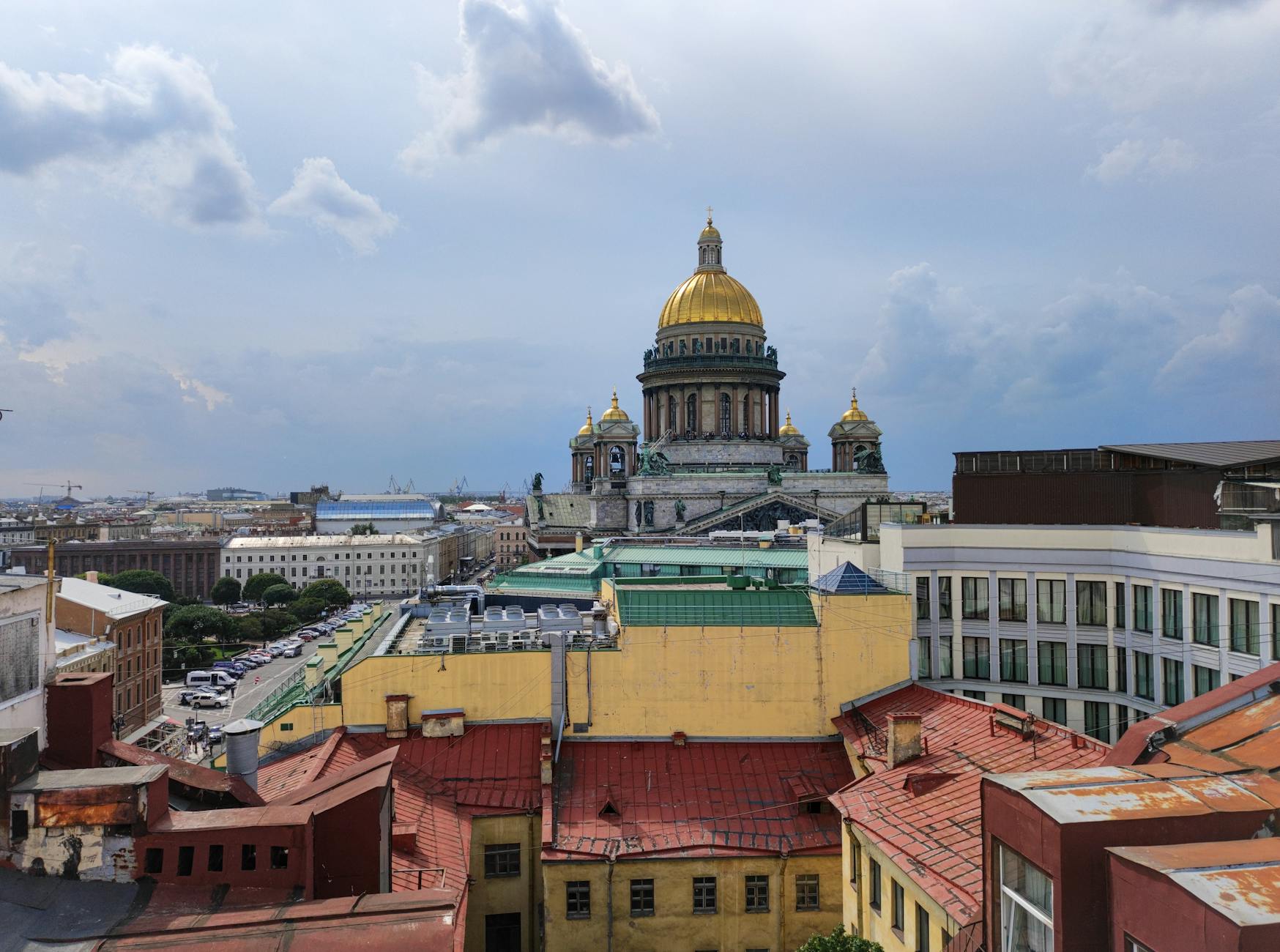
Begin with Yelagin Island for a compact, all-in-one escape within easy reach of the city center, offering forest trails and lake views ideal for a quick expedition and photography.
-
Yelagin Island (Elagin Ostrov) - state-protected environment with pine and birch groves, lakes, and open meadow squares. very accessible from the center, nearby squares linking to the Neva embankment enhance the experience. recommended for first-time visitors and tourists seeking variety in one outing. Access by tram or bus from major squares; advice: stay on trails, pack water, and avoid leaving garbage; aware of seasonal closures. could be combined with a stroll through the posad around the area to sample local tradition. Reasons: untouched feel, diverse landscape, and a solid outdoor option close to russia's northern capital.
-
Kronverksky Peninsula and Park - a southern-facing arc along the Kronverksky Gulf with wetlands, reed beds, and forest pockets. outdoor trails offer very good photo angles, especially at sunset over the water. Access via central bus lines or a short ride from the city core; recommended for a deeper, more immersive outing near the city's spine. advice: respect wildlife, carry a light rain jacket, and keep garbage out of natural areas. could serve as a longer expedition than a quick walk, thanks to varied terrain.
-
New Holland Island - urban green oasis in the heart of the center, with canal views, garden beds, and quiet birdlife. ideal for a compact outdoor stroll that fits between museums and galleries; very popular with tourists and locals for sunset photography. Access by foot from the central riverfront or via short transit from nearby squares; recommended as a stop in a longer day of city sightseeing. advice: bring sunscreen, stay off fragile turf during peak hours, and remember to take out any garbage. could be paired with a coffee in the nearby posad cafés to enjoy local tradition.
-
Kamenny Island (Kamenny Ostrov) Park - pine-dominated riverside belt with longer, quieter loops and alpine-like ridges along the bank. outdoor routes suit bigger half-day expeditions, offering varied scenery without leaving the city frame. access by bus from central districts; recommended for those seeking a calmer, scenery-rich alternative to busier parks. advice: watch for wind off the water, and keep pets on a leash; garbage disposal facilities are limited in some sections. could be a gateway to nearby areas for broader exploration of southern shorelines and untouched nature just beyond the metro line.
How to reach each site: transport options, distances, and travel times
Start with Toksovo Forest Reserve for a quick, pleasant family outing: about 40-50 km from the city center, 45-60 minutes by car, or 60-90 minutes by regional train; marshrutkas and fast buses run every 30-60 minutes from major hubs. Pack basils for a picnic, and choose a main trail that stays close to the village edge for an easy, short day.
Valaam Island on Lake Ladoga offers a magical day or vacation option: reach by high-speed hydrofoil from the city port in warm months, around 4 hours; a conventional ferry runs 5-6 hours. Distances across water are roughly 60-70 km from the city shore; book tickets in advance during peak times, and expect a white-sand-colored shoreline and a calm, scenic pace.
Southern Karelia around the Vuoksi River provides an authentic escape: road distance to Sortavala is about 320-360 km; car time 6-7 hours; rail 7-8 hours with one transfer. From Sortavala, short drives connect to river valleys, trails, and villages inhabited by locals who welcome visitors; it's a chance to see how inhabitants built a life along the rivers and in small villages far from the city bustle.
Priozersk and the Karelian Isthmus coast offer a main trail for lakeside forest scenery: road distance around 120-140 km; car time 2-3 hours; rail to the coastal town of Primorsk adds 2.5-3 hours. The route is famous for scenic shores, ancient fortifications, and tranquil, strange coastlines that feel far away yet easily accessible for a weekend vacation.
Kaliningrad region (kaliningrad) delivers a longer, Europe-flavored excursion: direct flights from the city take about 1.5-2 hours; trains require 22-28 hours, miles of track, and a patient timetable. Air travel keeps vacation plans flexible, while the overland option is a true test of time. The distance by air is roughly 800-900 km, offering a different reputation and a chance to preserve a unique microcosm of russias heritage, with rivers, forests, and villages that feel pleasantly distant from the familiar past.