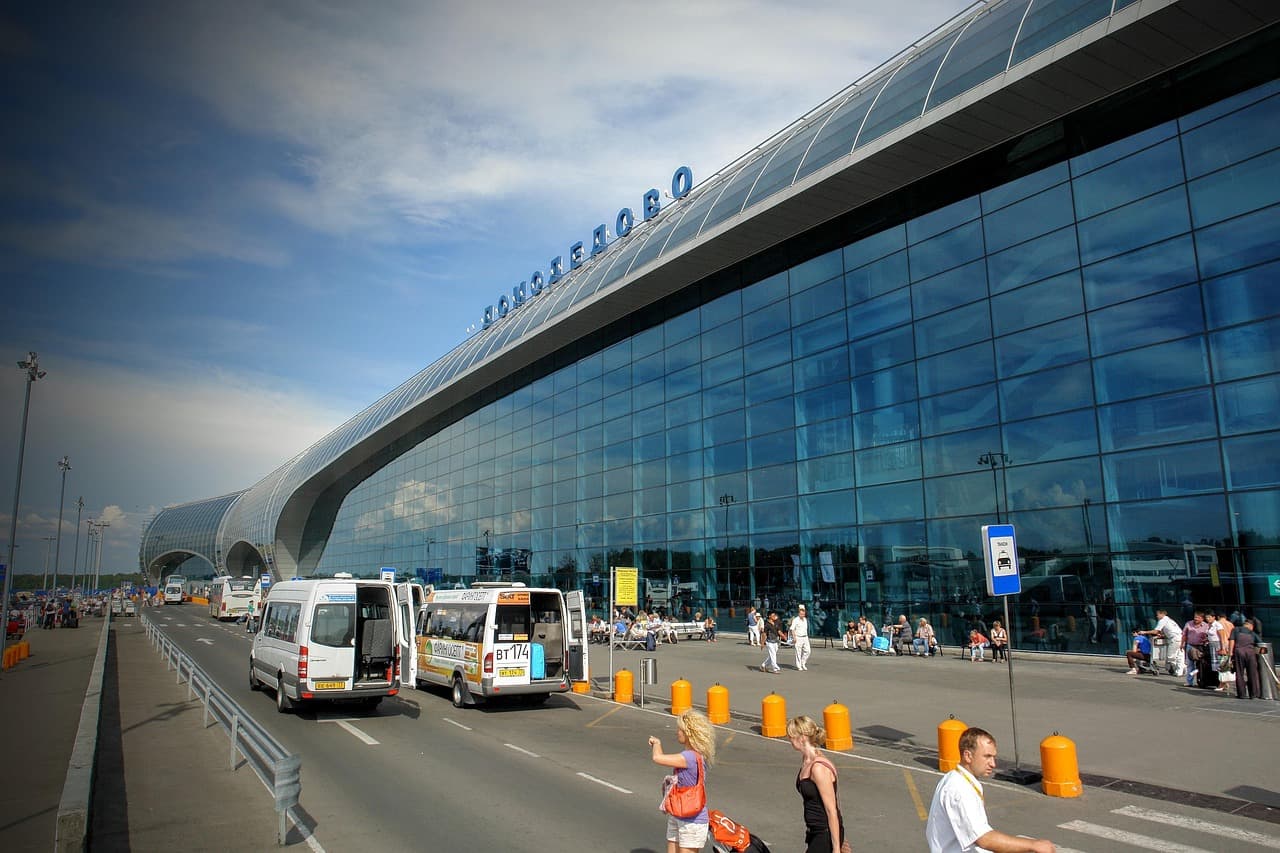

News about Russian airspace has been loud lately, and if you hold a ticket to Moscow — or are deciding whether to buy one — the noise is genuinely hard to read. Here is the practical picture as of early September 2026: what is actually restricted, what keeps flying, and how to protect your trip. No politics, just logistics.
What is actually true right now
- Regular passenger flights to Moscow continue to operate. There is no legal closure of Russian airspace for scheduled airlines. The flight restrictions introduced around Moscow in June 2026 apply to low altitudes (0-5,100 m) and explicitly exempt scheduled and charter flights on established routes — they target small aviation and drones, not your airliner;
- the real, everyday risk is temporary airport pauses. Moscow's airports periodically suspend departures and arrivals for safety reasons, usually for a few hours. The practical result is delays, occasional diversions and bunched-up schedules — this has been routine for many months;
- some foreign carriers have trimmed schedules. In early September a couple of airlines cancelled night flights or individual rotations to Russia and rebooked passengers onto other services. Airlines make these calls one by one, so the picture varies by carrier;
- whether to fly at all is your decision to make with current information — this guide covers the logistics, not the judgement call.
If you already have tickets
- Don't rush to cancel on your own. If the airline cancels, you're entitled to a full refund or free rebooking — including on non-refundable fares. If you cancel first, your fare rules apply, which is usually worse;
- check your flight status twice: the evening before, and again 3-4 hours before departure. Use the airline's app plus the airport's live board (svo.aero for Sheremetyevo, dme.aero for Domodedovo, vnukovo.ru for Vnukovo);
- make sure the airline can reach you: the contact details in the booking should be your real email and a phone that receives messages abroad — that's where rebooking notices go;
- build slack into the plan: avoid tight same-day connections onward from Moscow, and don't schedule anything unmissable (a cruise, a wedding, a visa appointment) for arrival day;
- keep a night's cash reserve. Foreign bank cards don't work in Russia, so carry enough cash to cover an unplanned hotel night and a taxi — a delayed arrival at 2 a.m. is the wrong moment to discover this.