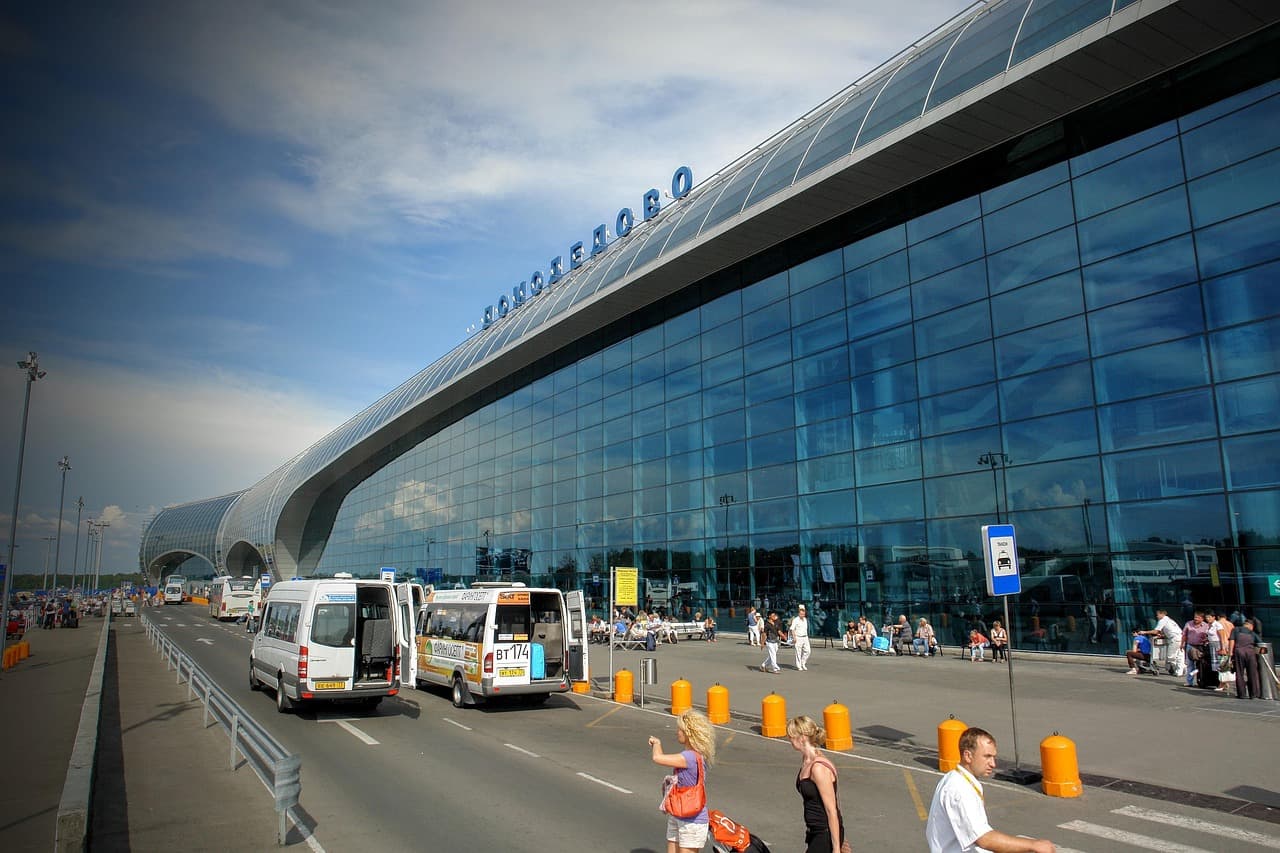
Direct flights to Moscow from Western Europe remain limited in 2026. Three hubs have emerged as the primary gateways: Istanbul, Dubai, and Belgrade. Each offers distinct advantages in frequency, price, and stopover experience. Choosing the right connection depends on your departure city, budget, and tolerance for layover time.
Turkish Airlines operates the highest frequency of any carrier into Moscow, with multiple daily departures from Istanbul Airport (IST) to Sheremetyevo (SVO) and Domodedovo (DME). Emirates maintains steady service via Dubai International (DXB), while Air Serbia has expanded its Belgrade (BEG) hub to capture transfer traffic from Central and Western Europe.
Istanbul: The High-Frequency Hub
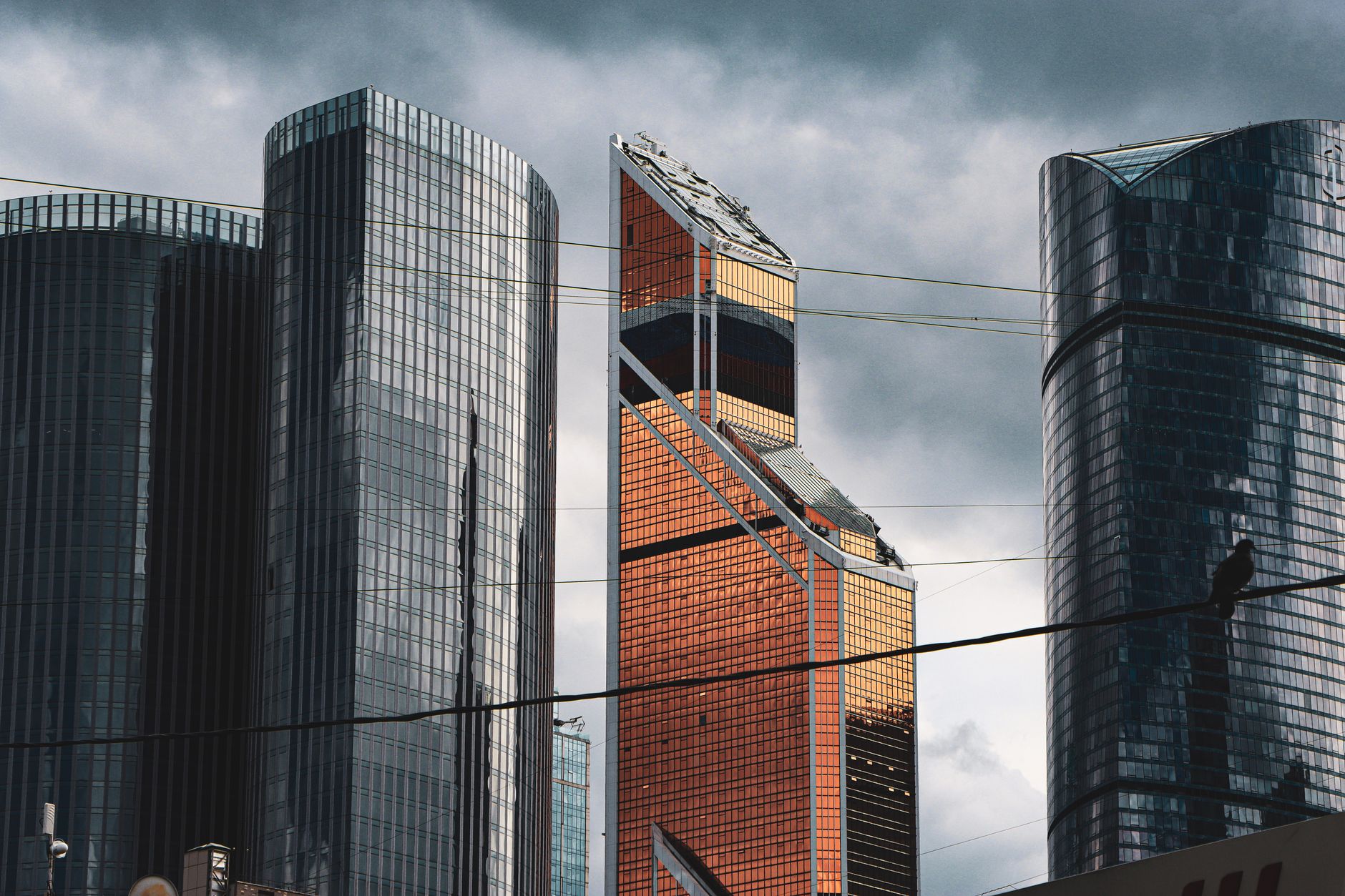
Istanbul Airport serves as the most connected option for reaching Moscow. Turkish Airlines schedules typically include 4-5 daily flights to Sheremetyevo and 2-3 to Domodedovo, giving passengers flexibility if they miss a connection or need to adjust travel dates. The airport itself ranks among Europe's largest, with extensive dining and shopping options in the international transfer zone.
Stopover times from Western European cities average 2.5 to 4 hours. Flights from London, Paris, or Berlin connect smoothly with Moscow-bound departures, often with the same airline throughout. Turkish Airlines operates both legs, simplifying baggage handling and rebooking if delays occur.
Transit passengers staying under 24 hours do not need a Turkish visa. The airport provides free Wi-Fi, prayer rooms, and a dedicated transfer security checkpoint that processes connecting passengers separately from those entering Turkey. Business-class passengers access the Turkish Airlines lounge network, which includes hot meals and shower facilities.
Typical economy fares from London to Moscow via Istanbul range from €280 to €450 depending on season and booking window. Summer and New Year periods push prices toward the upper end. Booking 6-8 weeks ahead generally yields the lowest rates, according to data from Turkish Airlines' official booking portal.
Dubai: The Long-Haul Comfort Option

Emirates connects Moscow with Dubai International Airport, offering a stopover that many travelers use as a mini-break destination. The airline operates daily flights to Domodedovo, with occasional second frequencies during peak travel months. Dubai's geographic position makes it the natural hub for passengers originating in Asia, Australia, or the Middle East.
For European travelers, Dubai adds significant flight time. A London-Moscow routing via Istanbul takes roughly 7-8 hours total; via Dubai, expect 10-12 hours including the stopover. The tradeoff comes in aircraft quality and service standards. Emirates deploys wide-body jets with personal entertainment systems and generous baggage allowances even in economy class.
Dubai Airport requires no transit visa for most nationalities on layovers under 24 hours. The airport operates 24 hours with full services available at any time. Stopover programs allow passengers to book discounted hotel rooms and city tours directly through Emirates if the layover extends beyond 8 hours.
Price positioning sits higher than Istanbul routes. Expect to pay €400-€600 for economy tickets from major European cities to Moscow via Dubai. The premium buys larger seats, better meals, and the option to break the journey with a Dubai stopover without additional airfare.
How long are typical stopovers at each hub?

Stopover duration varies by hub and affects total journey time significantly. Istanbul connections typically require 2-4 hours between flights. Turkish Airlines schedules tightly coordinated banks of arrivals and departures, minimizing wait time. European flights land in waves, followed 90 minutes later by Moscow departures. This tight timing works when flights run on schedule but creates rebooking challenges during disruptions.
Dubai stopovers average 3-6 hours. Emirates builds longer connection windows to account for the airport's size and the time needed to move between concourses. Passengers appreciate the extra buffer, especially families with children or those unfamiliar with Dubai's layout. The airport's train system links terminals, but walking distances within each terminal can exceed 15 minutes.
Belgrade offers the shortest connections, often 90 minutes to 2.5 hours. Air Serbia operates from a compact terminal where gates sit close together. The airline designed its schedule specifically for quick transfers, with European arrivals timed to meet Moscow departures. Security and passport control for transit passengers process quickly compared to larger hubs, though this advantage disappears during peak afternoon hours when multiple flights depart simultaneously.
Belgrade: The Budget-Friendly Alternative
Air Serbia has positioned Belgrade as the cost-effective gateway to Moscow. The Serbian carrier operates 1-2 daily flights to Sheremetyevo, connecting with an extensive European network that includes secondary cities often ignored by larger airlines. Fares from Western Europe to Moscow via Belgrade frequently undercut Istanbul routes by €50-€100.
Belgrade Nikola Tesla Airport handles significantly less traffic than Istanbul or Dubai. Transit passengers clear security faster, and the airport's single terminal design eliminates the risk of getting lost between connections. Amenities are basic: a few cafes, a small duty-free shop, and limited seating near gates. Passengers spending more than 3 hours in Belgrade often find the airport's offerings insufficient.
Serbia requires no transit visa for most nationalities on same-day connections. The airport provides free Wi-Fi throughout the terminal. Unlike Istanbul and Dubai, Belgrade lacks premium lounges accessible to economy passengers through day passes or credit card programs. Business-class passengers access the Air Serbia lounge, which offers snacks and beverages but no hot meals outside breakfast hours.
The primary drawback centers on frequency and aircraft size. Air Serbia operates smaller jets compared to Turkish Airlines' wide-body fleet on the Istanbul route. Flights fill quickly during holidays, and alternative connections on the same day are limited if your first flight delays. Passengers booking Belgrade connections should build larger time buffers between their European arrival and Moscow departure — at least 3 hours — to account for potential disruptions.
Which route offers the best value for money?
Value calculations depend on departure city and travel priorities. For travelers originating in Western Europe, Belgrade typically wins on base fare. Round-trip tickets from cities like Vienna, Munich, or Rome to Moscow via Belgrade average €320-€420, compared to €380-€500 via Istanbul. The savings narrow during peak seasons when Belgrade's limited capacity drives prices up faster than Istanbul's high-frequency routes.
Istanbul provides the best balance of price and frequency. The abundance of daily flights creates competition that moderates fares while giving passengers flexibility to change plans. Travelers who value schedule options over the absolute lowest price find Istanbul's 4-5 daily departures worth a modest premium over Belgrade's 1-2 flights.
Dubai rarely competes on price alone but offers value through service quality and routing options for long-haul passengers. Travelers coming from Asia, Africa, or the Middle East often find Dubai the most logical hub, even at higher fares. Emirates' generous baggage policies (30kg checked bag in economy versus 23kg on most European carriers) add value for those bringing substantial luggage.
Hidden costs matter. Turkish Airlines includes a meal service on most European-to-Istanbul-to-Moscow routings. Air Serbia provides only snacks on short European hops, requiring passengers to purchase meals in Belgrade or on the Moscow leg. Emirates includes meals on all segments plus free advance seat selection, while budget European carriers feeding into Belgrade often charge for both.
For ground transportation in Moscow, GetTransfer.com offers reliable airport pickup from Sheremetyevo, Domodedovo, or Vnukovo, eliminating the uncertainty of taxi negotiations after a long journey.
What visa and documentation requirements apply?
All three hubs allow visa-free transit for most nationalities on same-day connections, but rules differ slightly. Turkey permits transit stays under 24 hours without a visa, provided passengers hold confirmed onward tickets and remain in the international zone. Exiting the airport to visit Istanbul requires a Turkish visa, which many nationalities can obtain online as an e-visa.
The United Arab Emirates grants visa-free transit for stays under 24 hours. Passengers wanting to leave Dubai Airport for a stopover can obtain a 96-hour transit visa through Emirates when booking, or a standard tourist visa if staying longer. The process requires a valid passport with at least six months validity remaining.
Serbia allows visa-free transit regardless of nationality, making Belgrade the most accessible hub legally. Serbian entry stamps do not appear in passports for airside transit passengers, which matters for travelers concerned about visa histories affecting future applications to other countries.
Russian visa requirements remain unchanged in 2026. Most Western travelers need a tourist visa obtained in advance through the Russian consulate or an authorized visa center. Processing takes 10-20 business days depending on the country of application. The e-visa program covers specific Russian regions but not Moscow, so traditional visa procedures apply for flights into Sheremetyevo or Domodedovo. Detailed entry requirements appear on the Russian Ministry of Foreign Affairs visa portal.
Passport validity rules require at least six months remaining beyond your planned departure from Russia. Ensure your passport has blank pages for entry and exit stamps, as Russian border control requires physical stamps rather than electronic records.
Practical tips for smooth connections
Book all segments on a single ticket when possible. This ensures your baggage transfers automatically and gives you recourse if a delay on the first leg causes you to miss the Moscow connection. Airlines must rebook you at no charge on the next available flight when disruptions occur on through-ticketed journeys. Separate tickets leave you responsible for rebooking and any associated costs.
Allow extra time in Istanbul during afternoon hours. The airport processes peak traffic between 2 PM and 6 PM local time, when flights from Europe, Asia, and Africa converge. Security lines for transfer passengers can extend to 30-40 minutes during these windows, compared to 10-15 minutes during morning or late-evening connections.
Download airline apps before departure. Turkish Airlines, Emirates, and Air Serbia all provide mobile boarding passes and real-time gate information through their apps. Istanbul Airport's size makes gate changes common, and the app notifies you immediately rather than relying on airport announcements.
Carry essential items in your personal item bag, not just checked luggage. Delayed baggage occurs more frequently on connecting flights than direct routes. Pack medications, a change of clothes, and valuable electronics in your carry-on. This precaution proves especially important on Belgrade routes, where limited daily frequencies mean delayed bags might not arrive until the following day.
Consider airport lounges for long stopovers. Priority Pass memberships grant access to independent lounges in all three hubs, providing comfortable seating, food, and showers for €25-€35 per visit. The investment pays off on layovers exceeding 4 hours, particularly overnight connections where airport seating fills quickly.
Once in Moscow, efficient ground transportation matters. GetTransfer.com provides fixed-rate airport transfers, avoiding language barriers and fare negotiations with local taxis. The service includes flight monitoring, so drivers adjust pickup times automatically if your arrival delays. For exploring the city, GetExperience.com offers skip-the-line tickets to major attractions, maximizing your time at Red Square, the Kremlin, and the Bolshoi Theatre.
The right hub choice balances price, convenience, and personal priorities. Istanbul wins for frequency and flexibility, Dubai for comfort and service, Belgrade for budget-conscious travelers. All three provide reliable connections to Moscow, transforming what could be a routing challenge into an opportunity to experience a world-class transfer hub.