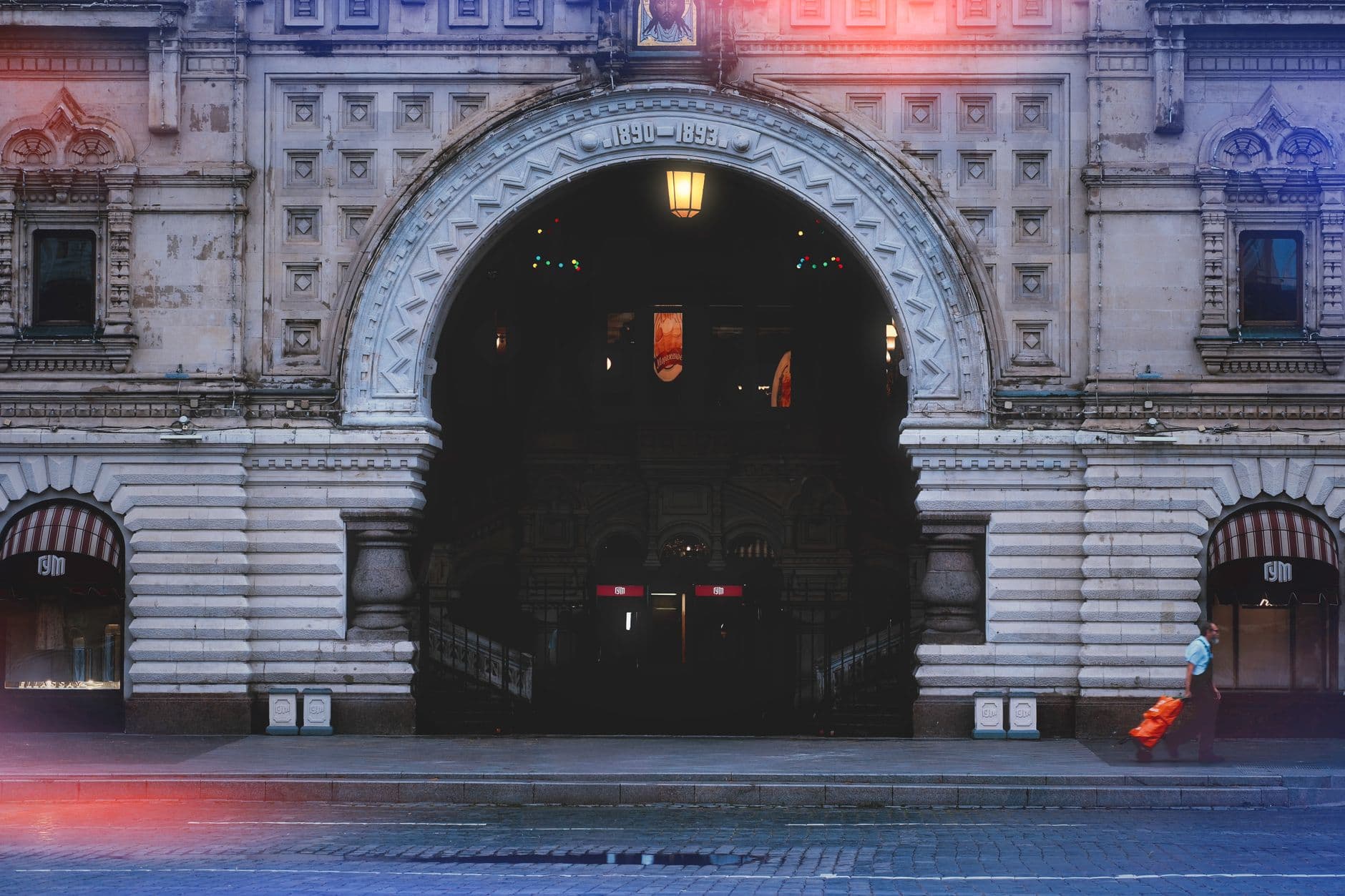
Moscow sprawls across 2,511 square kilometers with 13 million people moving daily. Your transport choice shapes whether you waste two hours in traffic or arrive relaxed with rubles to spare. This guide compares metro, taxi, and car rental with real prices, actual wait times, and the specific scenarios where each option wins.
Moscow Metro: When Speed Beats Comfort
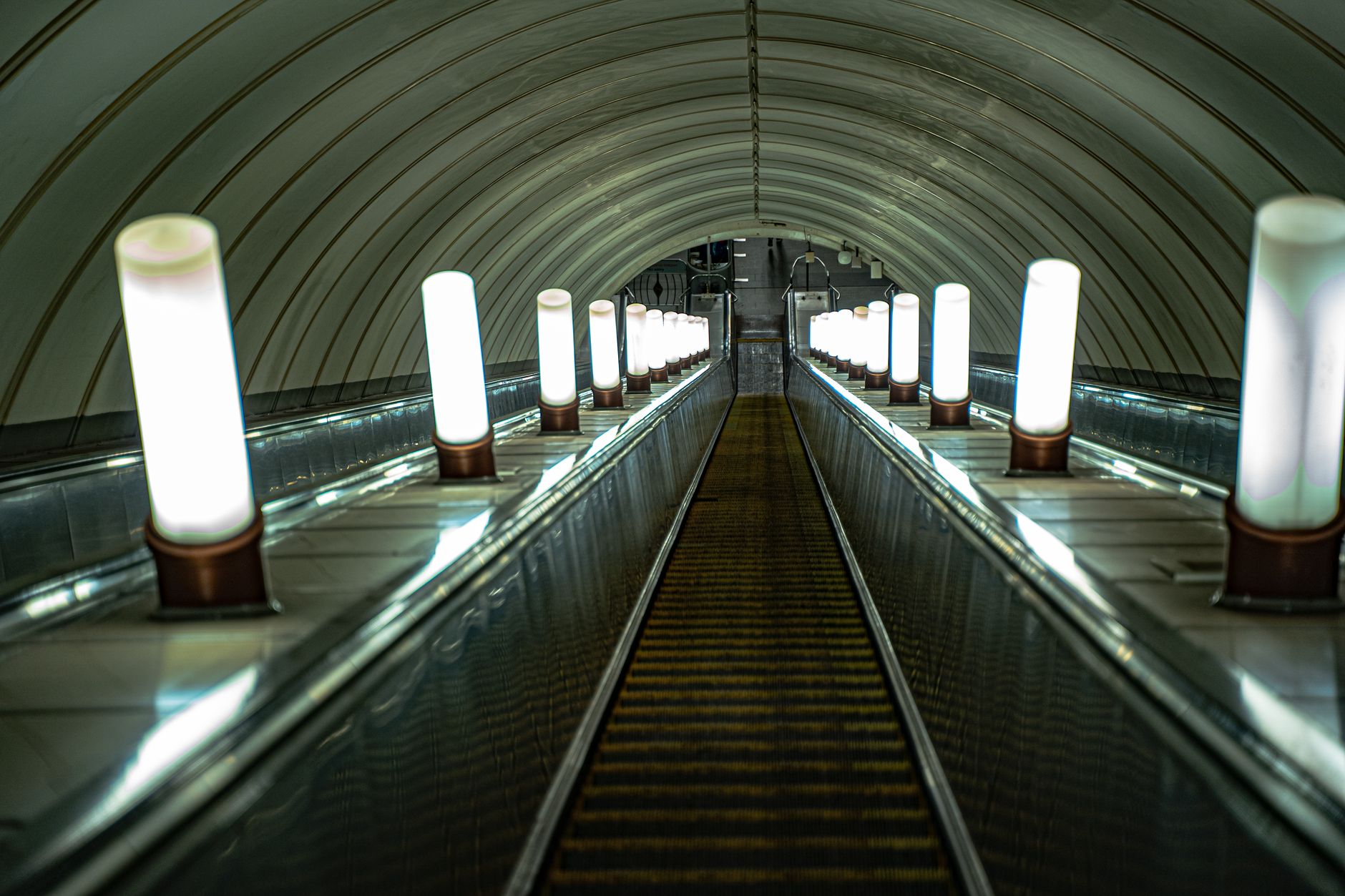
The Moscow Metro moves 9 million passengers daily through 250 stations. A single ride costs ₽62 regardless of distance. A Troika card (₽50 deposit, refundable) drops the per-ride cost to ₽46 for 60+ trips.
Twenty-seven minutes for 12 kilometers while surface traffic crawled at 8 km/h. The train arrived every 90 seconds. No waiting.
The metro wins for:
- Predictable timing: trains run every 90 seconds during peak (7-10 am, 5-8 pm), every 4-7 minutes off-peak
- Cost efficiency: ₽62 takes you from Sheremetyevo (via Belorussky Station transfer) to Red Square, a journey taxis charge ₽1,200-1,800 for
- City center routes: Arbat to Tretyakov Gallery takes 11 minutes, zero traffic variables
The metro loses when:
- You carry luggage over 10kg—no escalators at 47 older stations, and coat-check queues at museums eat 15-20 minutes
- Your destination sits beyond the Third Ring Road after 11 pm (trains stop at 1 am)
- You're traveling as a group of 4+—taxi cost per person drops below metro at that threshold
Real numbers: a week of two daily trips costs ₽644 (₽46 × 14 with Troika). The same week in taxis averages ₽8,400.
How Much Does a Taxi Actually Cost in Moscow?
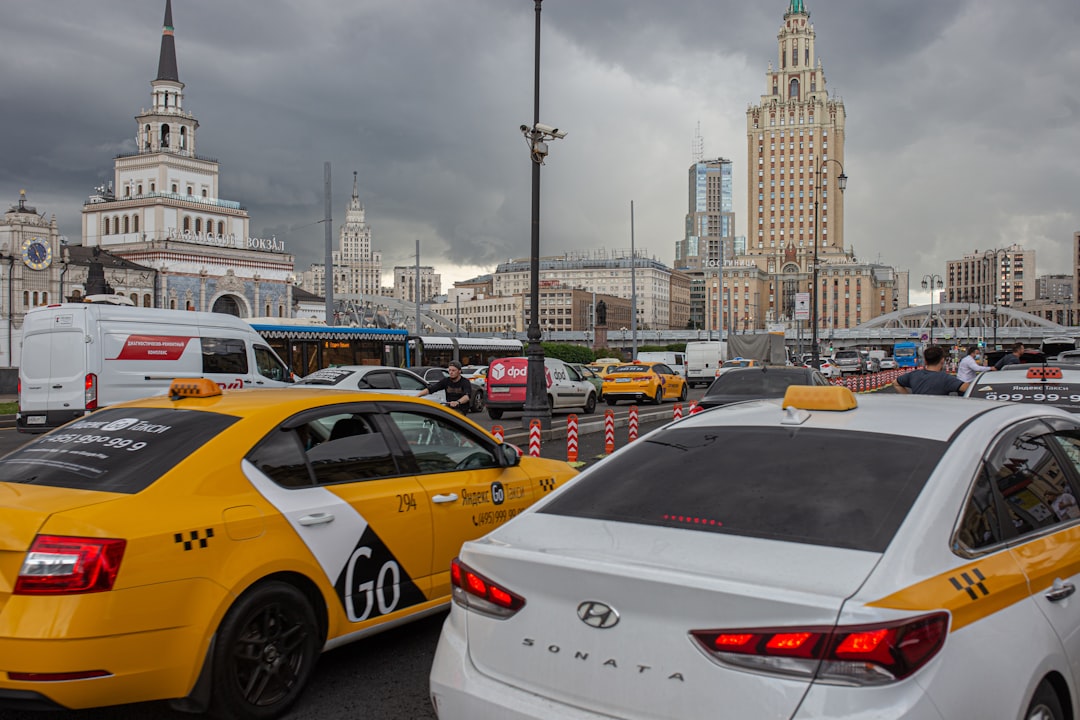
Yandex Taxi and Uber dominate Moscow rides. Base fare starts at ₽99, then ₽12-15 per kilometer plus ₽3 per minute in traffic. A typical 7 km ride from Tverskaya to Gorky Park costs ₽380-450 in economy class, ₽650-800 in comfort class.
The actual ride took 1 hour 12 minutes due to an accident on Leningradsky Prospekt, final charge ₽1,510. The Aeroexpress train would have cost ₽500 and taken 35 minutes to Belorussky Station, then ₽62 metro to Red Square.
Taxis win for:
- Late-night returns: after 1 am when metro closes, a ₽600 taxi beats a ₽2,000 hotel closer to your evening location
- Airport transfers with luggage: door-to-door service justifies the premium when you have checked bags
- Groups of 3-4: split four ways, a ₽800 ride costs ₽200 per person vs ₽62 metro—worth it for convenience
- Destinations outside central Moscow: reaching Kolomenskoye or Tsaritsyno by metro requires transfers; a direct taxi saves 25-30 minutes
Taxis lose during rush hour. That 7 km Tverskaya-Gorky Park ride balloons to ₽680-850 between 5-8 pm as you sit stationary on the Garden Ring. The metro covers the same route in 14 minutes for ₽62.
For reliable airport transfers without surge pricing, GetTransfer.com offers fixed-rate bookings. You lock in the price regardless of traffic, and drivers track your flight for delays.
Car Rental: The Freedom Tax
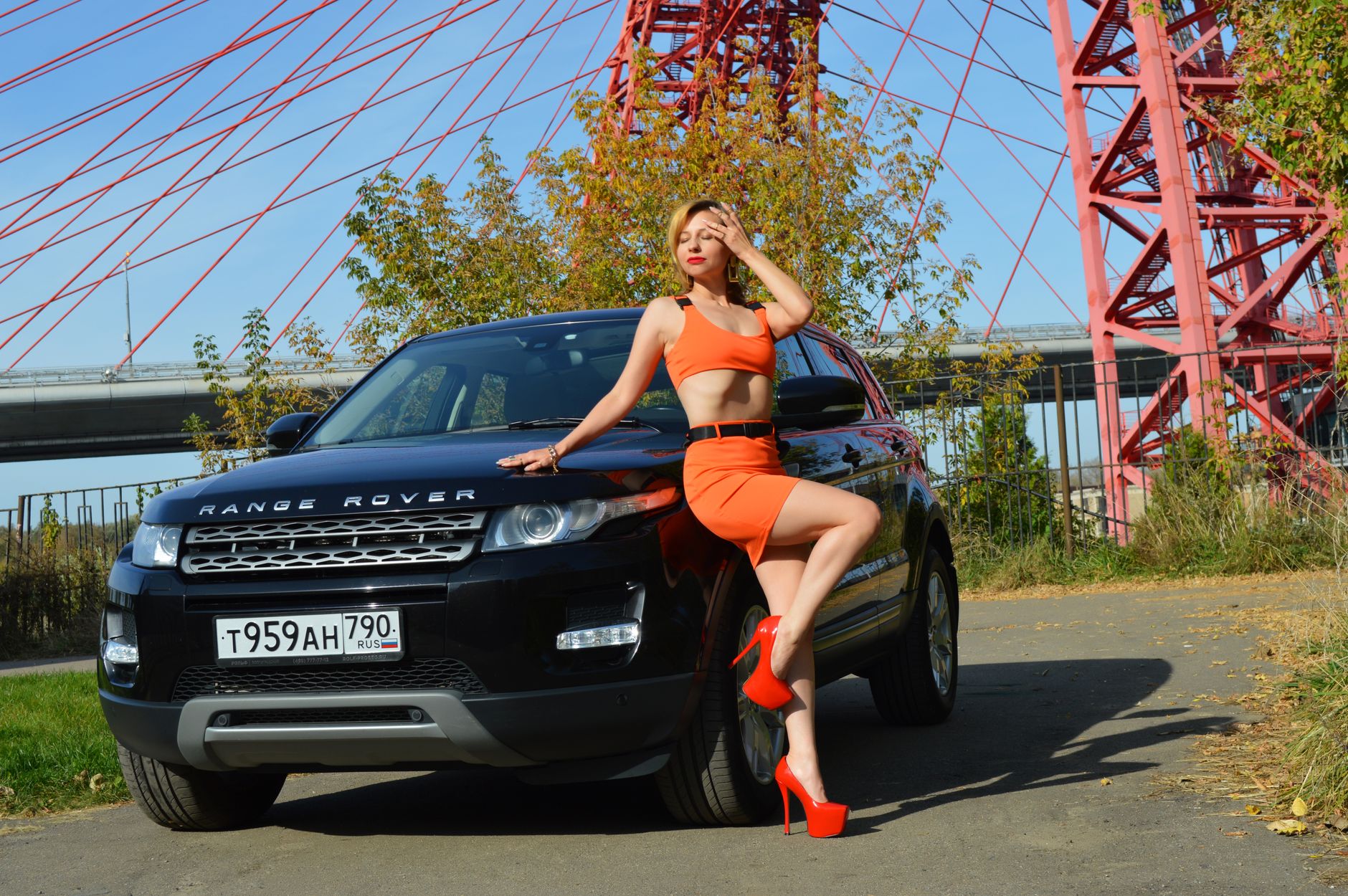
Renting a car in Moscow costs ₽1,800-2,800 per day for economy class (Hyundai Solaris, Kia Rio). Add ₽800-1,200 daily for parking in central Moscow, ₽95-98 per liter for AI-95 petrol, and insurance (₽600-900/day if under 25 or with less than 2 years' license history).
Real daily cost breakdown for a 3-day rental:
- Base rental: ₽2,200/day × 3 = ₽6,600
- Parking near Red Square: ₽1,000/day × 3 = ₽3,000
- Petrol for 150 km mixed driving: ₽1,400
- Total: ₽11,000 (₽3,667 per day)
Compare that to metro (₽186 for three days of unlimited travel with a 3-day tourist pass) or taxis (₽2,400-3,000 for six strategic rides over three days).
Car rental wins when:
- You're visiting suburbs or satellite cities: Sergiev Posad (70 km), Suzdal (220 km), or Kolomna (115 km) lack direct public transport
- Your group size hits 5+: van rentals (₽4,500/day) split five ways beat metro + taxi combinations
- You have mobility limitations: door-to-door control matters more than cost
- You're staying beyond the Third Ring Road: parking costs drop to ₽200-400/day, and metro access requires 15-20 minute walks
Car rental loses in central Moscow. The Garden Ring moves at 12 km/h during rush hour. Parking within 2 km of Red Square costs ₽200-300 per hour. Street parking requires a Moscow residency permit in zones with yellow curbs. I spent 40 minutes circling Arbat looking for legal parking before giving up and using a paid lot at ₽350/hour.
For day trips outside Moscow, GetRentacar.com aggregates local providers with transparent pricing. Book 48 hours ahead for the best rates.
What About Marshrutkas and Buses?
Moscow's 900+ bus routes and 400+ marshrutka (minibus) lines fill gaps between metro stations. A bus ride costs ₽62 with Troika, same as metro. Marshrutkas charge ₽80-100, cash only, paid to the driver.
Buses win for short hops between metro stations—the M1 connects Lubyanka to Tverskaya in 6 minutes vs 11 minutes walking. They lose for anything longer than 3 km. Traffic on Tverskaya Street during evening rush turns a 15-minute bus ride into 45 minutes.
Marshrutkas offer faster boarding (no turnstiles) but unpredictable schedules. They depart when full, which means 2-minute waits at 8 am or 20-minute waits at 2 pm. Useful if you know the system; frustrating if you don't speak Russian and can't read Cyrillic route numbers.
The Hybrid Strategy That Actually Works
After testing every combination over multiple trips, the optimal approach combines methods based on time and distance:
For city center exploration (within Garden Ring): Metro for distances over 2 km, walking for under 2 km. Cost: ₽276/week with a 7-day pass (₽2,000). Time saved vs all-taxi: 4-6 hours per week.
For airport transfers: Aeroexpress train (₽500, 35 minutes to Belorussky Station) plus metro (₽62) beats taxis by ₽800-1,200 and saves 15-30 minutes during rush hour. If you land after 11 pm or have 30+ kg luggage, book a fixed-rate transfer through GetTransfer.com for ₽1,400-1,600—still cheaper than Yandex surge pricing.
For evening activities: Metro outbound (₽62), taxi return if you finish after midnight (₽400-600). Total: ₽462-662 vs ₽800-1,200 for round-trip taxi.
For day trips: Rent a car only if visiting 2+ suburban locations in one day. A Sergiev Posad + Suzdal weekend justifies the ₽7,000 rental cost. A single Kolomna visit doesn't—take the elektrichka train (₽350 round-trip, 2 hours each way).
It also covers entry to 40+ attractions, saving the separate ticket math.
Common Mistakes That Waste Money and Time
The biggest error: taking taxis everywhere because metro seems complicated. A tourist spending 5 days in Moscow and taking 4 taxi rides daily spends ₽8,000-12,000 on transport. The same routes by metro cost ₽1,240 (5-day pass at ₽2,000 plus two airport Aeroexpress tickets at ₽500 each).
Second mistake: renting a car for pure city sightseeing. You'll pay ₽3,500+ daily (rental + parking + petrol) to sit in traffic that metro trains bypass underground. Car rental makes sense for suburbs, not Kremlin visits.
Third mistake: assuming buses are faster than metro because they're above ground. Moscow traffic averages 18 km/h during the day, 8 km/h during rush hour. Metro trains maintain 41 km/h average including station stops.
Fourth mistake: not buying a Troika card at the airport. Single-ride paper tickets cost ₽62 vs ₽46 with Troika. Over 20 rides, that's ₽320 wasted. The card's ₽50 deposit refunds at any ticket machine when you leave.
Which Transport Wins for Your Trip?
If you're staying 3-5 days within the Garden Ring visiting standard attractions (Red Square, Tretyakov Gallery, Bolshoi Theatre, GUM): metro covers 90% of needs at ₽276-620 total cost. Add 2-3 strategic taxis for late returns or luggage-heavy museum days.
If you're visiting Moscow plus Golden Ring cities: rent a car for the 2-3 days outside Moscow, use metro inside the city. This hybrid saves ₽4,000-6,000 vs renting for the entire trip.
If you're traveling as a family of 4-5: taxis become competitive for distances over 5 km (₽600 ÷ 4 = ₽150 per person vs ₽62 metro). Metro still wins for solo or couple travel.
If you have mobility challenges: budget ₽2,000-3,000 daily for taxis or book a car with GetRentacar.com for multi-day flexibility. Many metro stations lack elevators, and escalators at deep stations (Arbatskaya, Park Pobedy) descend 60-80 meters.
For tours and attraction tickets that include transport, GetExperience.com offers packages combining Kremlin entry, metro navigation help, and guide services. These make sense for first-time visitors who want structure without transport stress.
The real answer: metro for speed and cost, taxis for convenience and late hours, car rental for suburban exploration. Mix them based on your daily plan, not a single-method commitment. Moscow's size demands flexibility, and your wallet will thank you for choosing correctly each time.