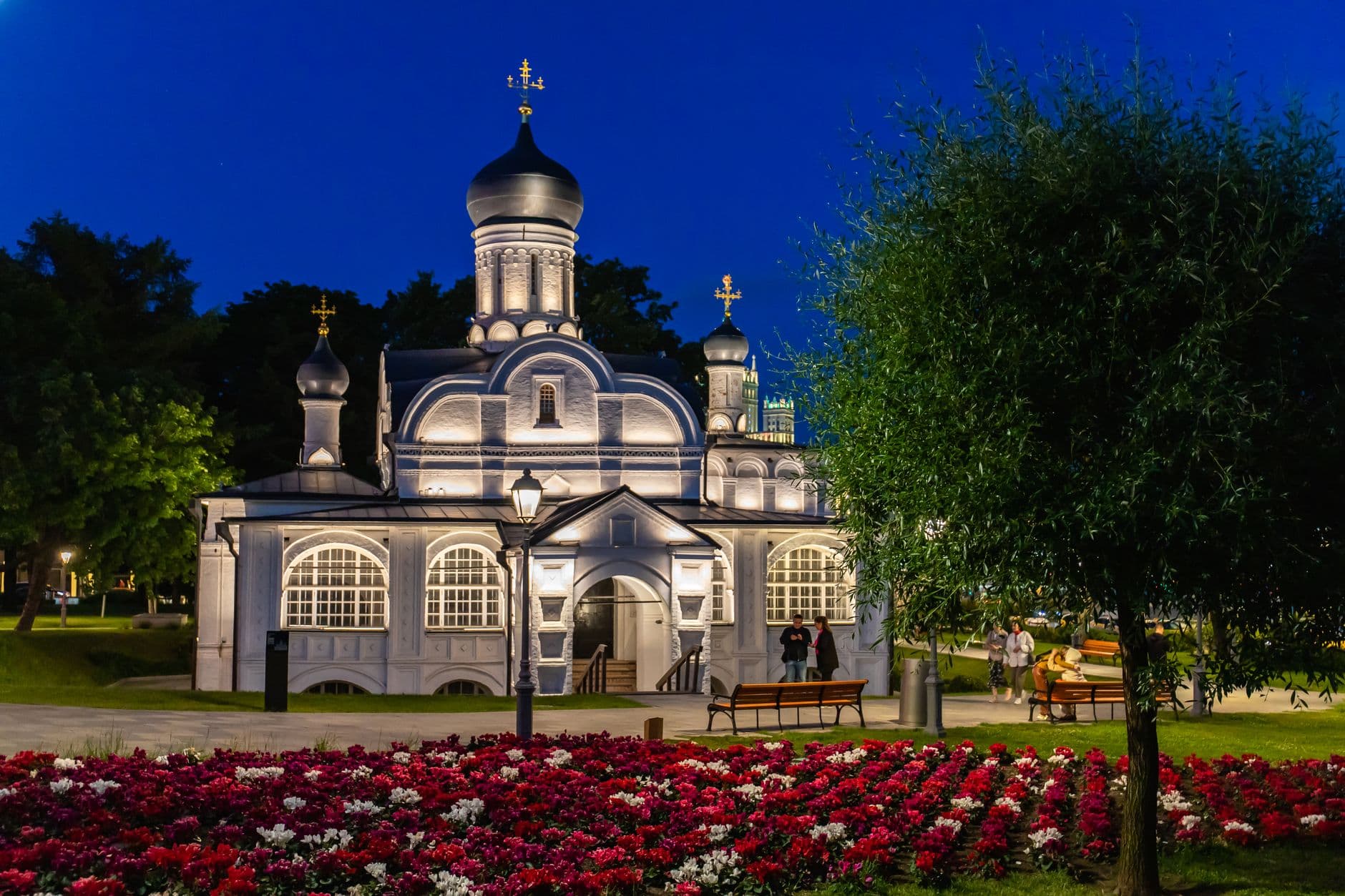
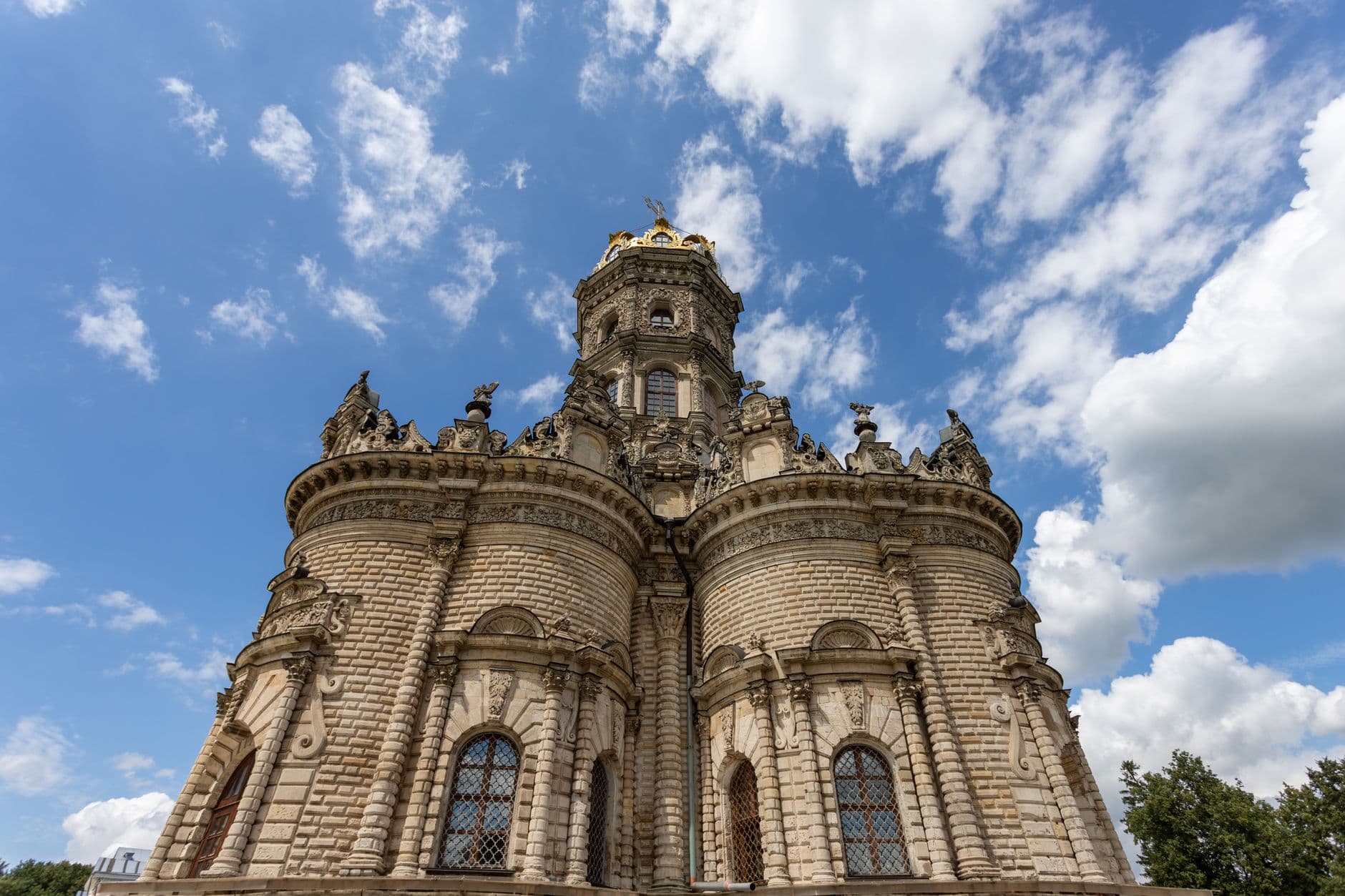
Kuskovo is an exquisite 18th-century country estate that once belonged to the Sheremetev family, among the wealthiest nobles in imperial Russia. Often called Moscow's "Versailles", it combines a Baroque palace, a formal French garden dotted with pavilions, and the State Museum of Ceramics. Quieter than Kolomenskoye or Tsaritsyno, it makes a peaceful half-day escape in the east of the city.
Where it is and how to get there
Kuskovo sits in the Veshnyaki district of eastern Moscow. The most common routes are the metro to Ryazansky Prospekt (line 7) followed by a short bus ride, or to Novogireevo (line 8) and a walk. Allow around 30-40 minutes from the centre. It rewards a longer, slower visit, so treat it as a destination in its own right rather than a quick stop.
The palace and the park
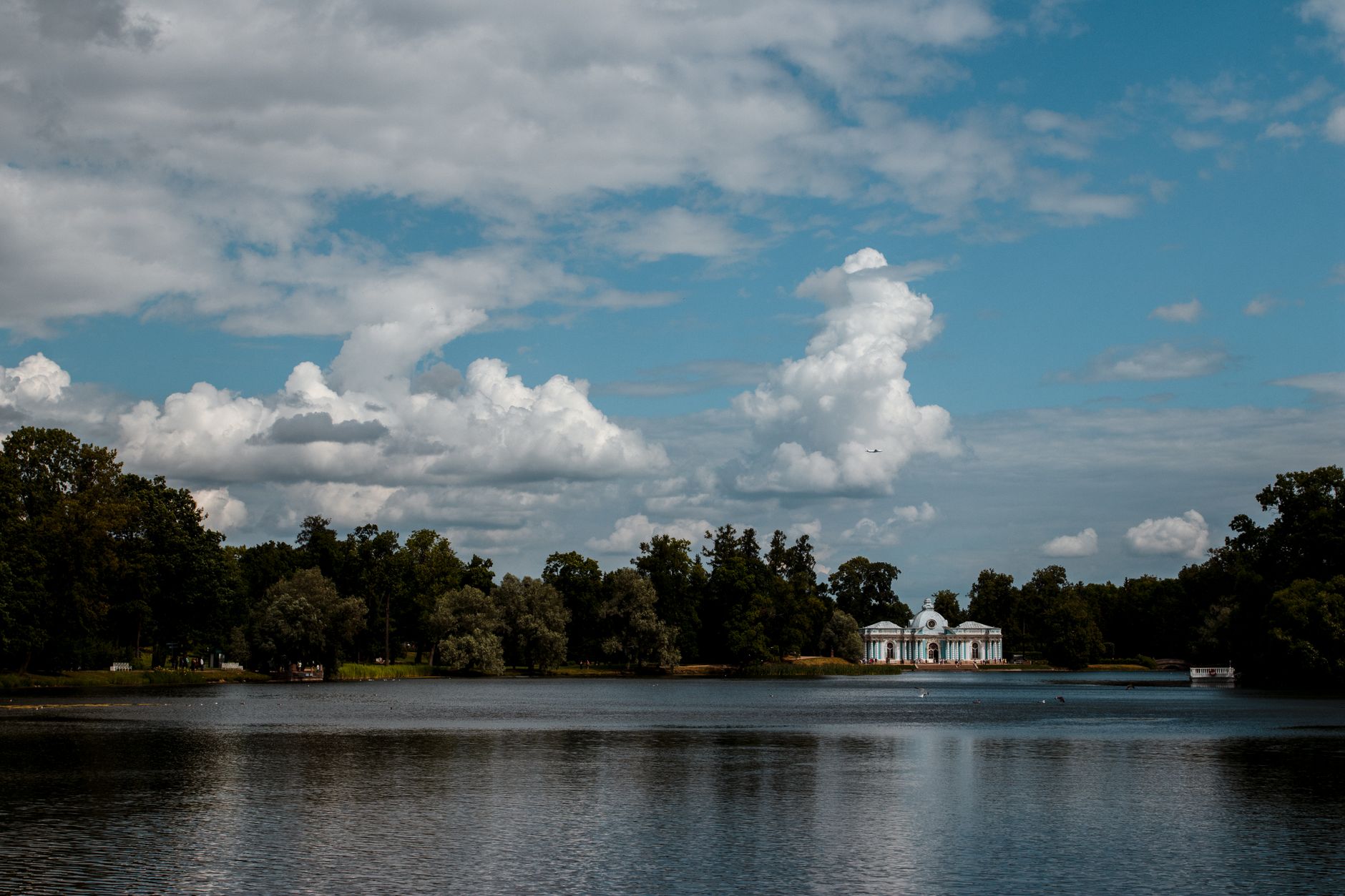
The wooden Grand Palace, completed in the 1770s, was built for lavish summer receptions and still holds period interiors. In front of it stretches a formal French regular park - symmetrical avenues, clipped hedges, marble sculptures and a large pond. It is one of the best-preserved gardens of its kind in Russia and a favourite spot for a relaxed stroll or a picnic.
The pavilions
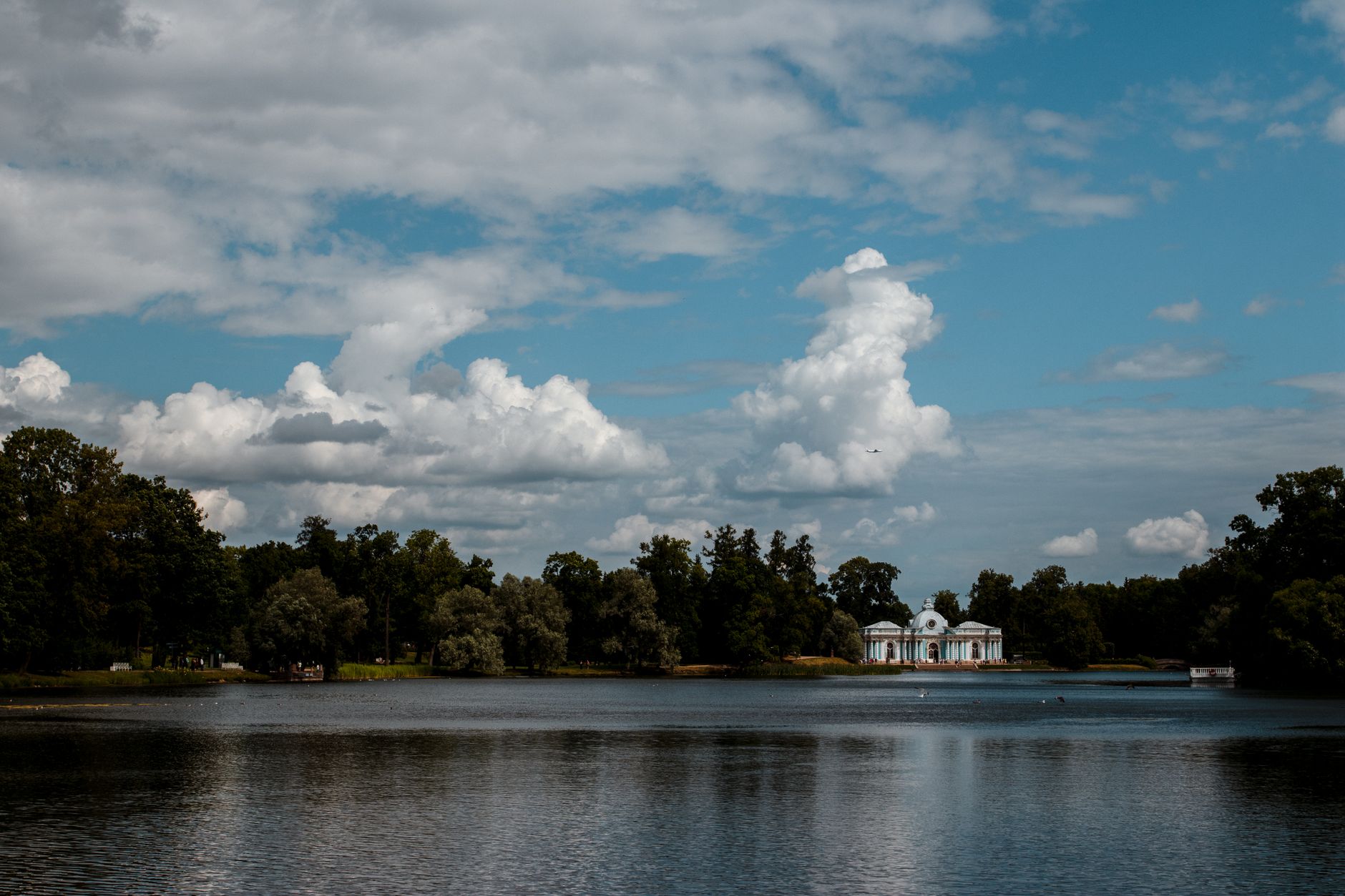
Scattered through the grounds are ornamental pavilions that each served a role in 18th-century estate life: the Grotto with its shell-lined interior, the Italian House, the Dutch House, the Hermitage, the Orangery and the open-air Green Theatre. A newly restored Swiss House (Shveytsarsky domik) opened to the public for the first time on 15 July 2026 as a fresh exhibition space, currently showing a display about Count S. D. Sheremetev. Together the pavilions reveal how a Russian aristocratic family entertained guests and displayed its taste and wealth.
The State Museum of Ceramics
Kuskovo is also home to the State Museum of Ceramics, one of the world's richest collections of porcelain, glass and ceramics, spanning Russian and European work from several centuries. It is displayed within the estate buildings and is a highlight for anyone interested in decorative arts.
Tickets, hours and planning
Entry to the park is free, and it is open daily, usually 10:00 to 20:00 in summer. The palace, pavilions and museums keep shorter hours (typically 10:00 to 18:00) and are closed on Mondays and Tuesdays, plus the last Wednesday of each month for cleaning. Tickets are sold per building or as combined passes: a ticket for the palace complex is roughly 400-600 RUB (with concessions), while an all-inclusive ticket for the main attractions costs around 1,200 RUB. An audio guide is well worth adding to make sense of the interiors. Confirm current hours and prices on the official Kuskovo website before you go. If you enjoy Moscow's historic estates, compare it with our guides to Kolomenskoye and Tsaritsyno, and see more green space in our family guide to Moscow's parks. To arrange a guided tour, browse experiences on GetExperience.
Is Kuskovo worth visiting compared with Kolomenskoye or Tsaritsyno?
Yes, especially if you want a calmer, less crowded estate. Kuskovo's formal French park and pavilion ensemble are unusually well preserved, and the ceramics museum adds an interest you will not find at the other estates. It is ideal for a slower, more reflective half-day.
What are Kuskovo's opening hours and closing days?
The park is open daily, usually 10:00 to 20:00 in summer, and entry to it is free. The palace, pavilions and museums generally open 10:00 to 18:00 but are closed on Mondays and Tuesdays and on the last Wednesday of each month for cleaning. Check the official website before visiting.
How long should I plan for a visit to Kuskovo?
Allow three to four hours - a half day. The park alone deserves an unhurried hour or two, and adding the palace interiors, the pavilions (including the new Swiss House) and the ceramics museum easily fills the rest.