
Begin at rizhsky for real, direct connections to western and northern destinations. This choice minimizes walking between platforms, reduces transfer time, and sets you up for a comfortable start with kids, even in heat.
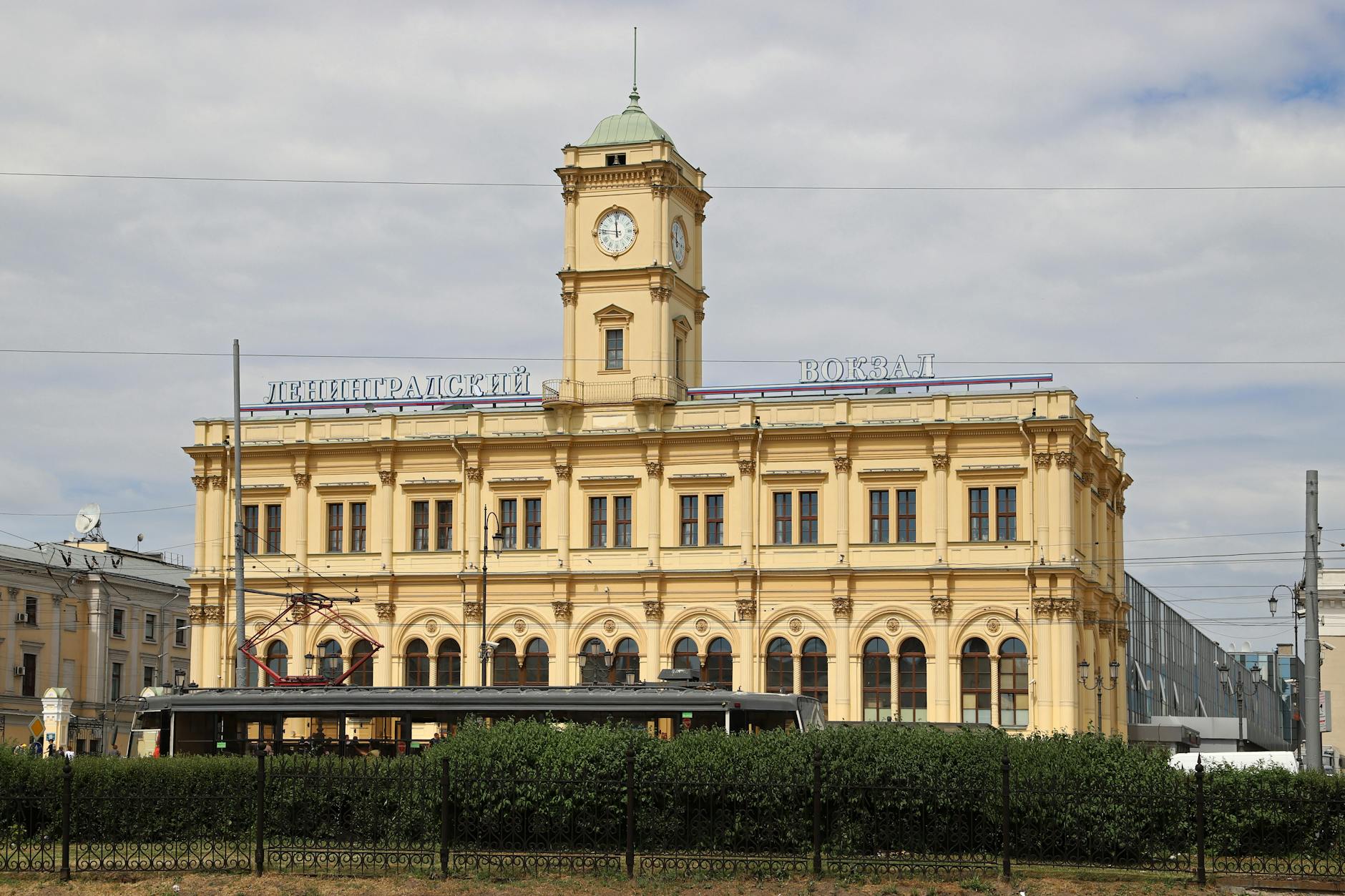
rizhsky is located in the northwest, and these major stations form a map of large-scale routes: belorussky for western and cross-border trips, leningradsky for northwestern links to St. Petersburg, kazansky and kursky for eastern corridors toward Kazan and the Urals, and yaroslavsky for regional and northern lines. These stations feature expansive buildings with integrated services, and outbuilding yards support freight and staff operations to keep passenger flows smooth. These connections link you to a vast rail network, with trains running regularly to major destinations.
If you travel with kids, arrive early, reserve seats in family cars, and bring snacks to cope with long waits in heat. Plan lines to visit ukrainian cities and rely on the real options via the app or desks; keep a simple map and designate a quiet corner for breaks, because these things help everyone stay very comfortable while you explore new destinations.
Security at entrances includes a visible military presence during peak periods. Moscow rail hubs have endured through the years, including the uprising of 1917, and modern layouts keep access straightforward for travelers. If you are interested in ukrainian routes or international connections, double-check current schedules, as cross-border options can change quickly.
Interested in planning a practical itinerary? This guide shows you real, step-by-step ways to cover these destinations: start at rizhsky, then move to belorussky or yaroslavsky for the next leg, and finish with a comfortable train to your final stop. These tips focus on comfort, speed, and reliability, helping you make the most of Moscow's train network.
Key hubs, layout insights, and must-know exhibits for travelers and enthusiasts
Begin at Yaroslavsky vokzal, because it anchors routes toward Petersburg and beyond, and you can orient within an hour of entry. Follow the main concourse toward the central atrium, then loop to the five busiest platforms feeding the eastbound Trans-Siberian and regional services. This starting point keeps you on the right track and sets up a smooth day for explorations and quick hops between trains.
Layout insights: Each hub uses a modular design with broad halls, long tracks, and compact rooms clustered around ticket desks, lounges, and retail areas. Clear bilingual signage in Cyrillic and English guides you toward platforms and exits. The central atrium offers open sightlines, while secondary corridors host shops, cafés, and a stroller-friendly flow with wide doors and ramps.
Must-know exhibits: At Yaroslavsky and Kazansky you'll find historic rooms with model cars, locomotive relics, and a timeline that highlights Ivan's early workshops and late-19th-century expansions. One panel honors Ivan, the famed engineer who expanded the lines. Another part showcases cargo yards and the evolution of passenger cars. Several displays use touch screens to show route options and real-time timetables; a watch tower replica provides a snapshot of how station operations evolved. The attraction panels also include context for political moments, including a concise note on the trump era and how rail policy influenced schedules.
Route ideas and times: A five-hub loop across Yaroslavsky, Kursky, Belorussky, Kazansky, and Kievsky covers the main exhibits and transfer services. The loop fits into roughly two to three hours with photos and quick strolls; on saturday mornings expect a bit more activity in the market zones, but the trains and services keep moving smoothly. You'll see several trains in operation and get a real sense of the network's tempo.
Practical tips and extras: In addition to shops for snacks and souvenirs, the hub networks offer efficient services, including airport express connections where available. If youre traveling with a stroller, the area around each hub is designed for easy access, with wide corridors and ample space near tracks and cars. If you hit any damage or repair work on a platform, real-time screens show alternatives, and staff will point you toward the right times and platforms to avoid delays. This setup makes it easy to plan a cruise-like itinerary without missing essential connections.
Station profiles and routing tips: Kazansky, Yaroslavsky, Leningradsky, Belorussky, and other major hubs
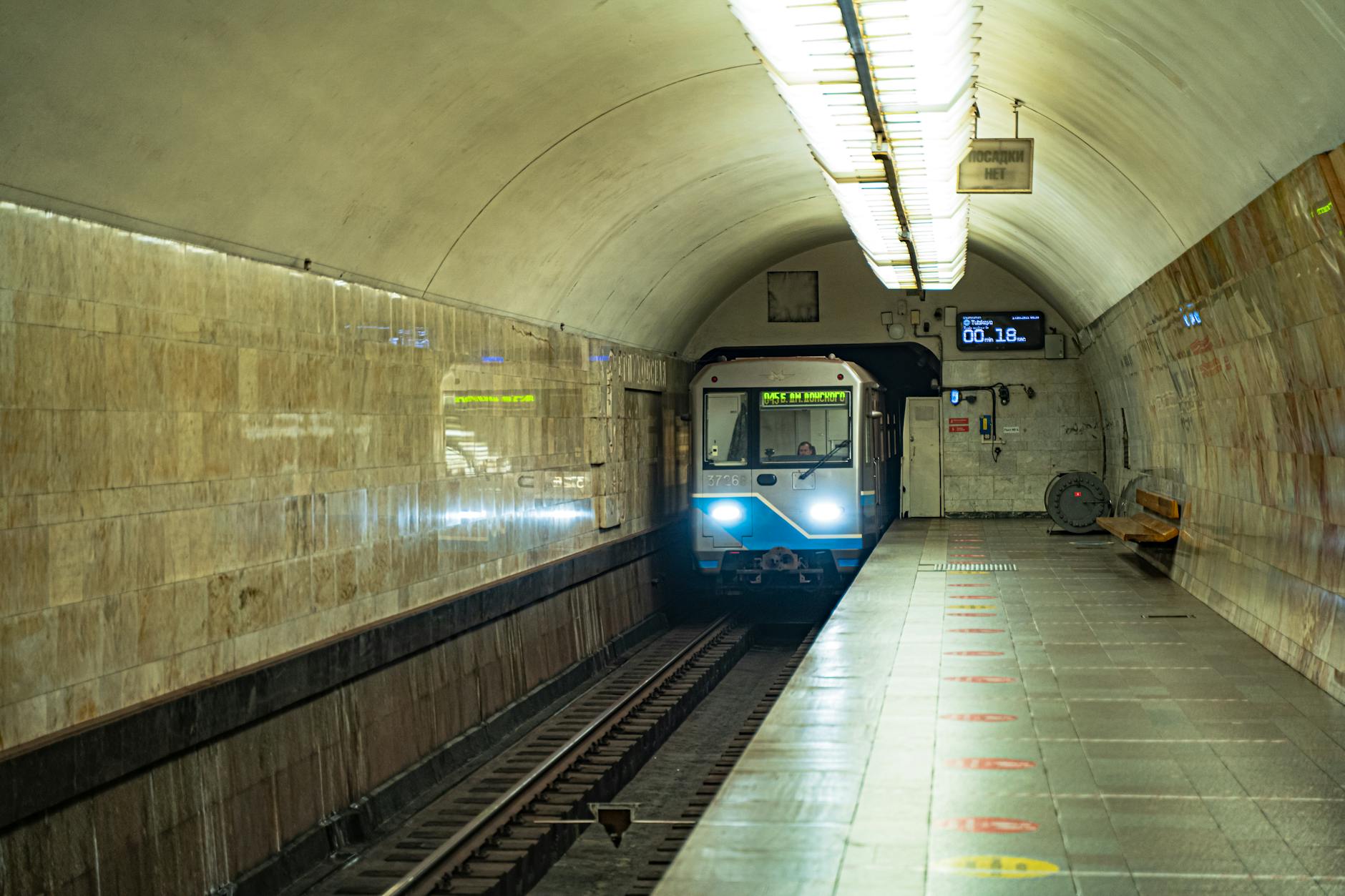
Start with a targeted plan: this approach makes easier transfers between long-distance trains and the metro life below. A great way to maximize time is to pick a hub that aligns with your final destination, then use the built-in signage and staff guidance to depart quickly from the platform side.
-
Kazansky Station
- Destinations and process: Kazansky anchors trains to the Volga region, including Kazan, Nizhny Novgorod, and Ufa. Most long-distance cars operate in nine-car formations, with a mix of second and third class, so you can pick a part of the train that fits your budget and comfort level.
- Routing tips: depart from the central platforms, then follow the large-scale signboards to exits that connect to the metro. Book ahead for winter travel when platforms fill quickly, and use the covered pedestrian tunnels to stay inside during heavy snow. For those visiting ukraines destinations, consider transfers at Komsomolskaya or Kurskaya to catch onward services.
- On-site navigation: the halls preserve historic buildings and a steady sense of history; early construction features and a few wartime rebuilds are visible inside the ticket halls. istочник note: signage points to destinations with clear maps. If you arrive Sunday, expect busier handles but shorter queues at mid-day windows.
-
Yaroslavsky Station
- Destinations and life: this hub powers routes toward the north and northeast, including Yaroslavl, Kostroma, and Vologda, with several services continuing toward Arkhangelsk. The process remains efficient, and trains often depart in tight intervals, keeping minutes between departures manageable.
- Routing tips: use the metro transfer to Sokol or Prospekt Mira lines for faster access to the heart of Moscow. The station footprint is large-scale but well organized, and nearby buildings frame a compact set of waiting areas designed for a young traveler's needs.
- Inside and history: Yaroslavsky hosts a long-running mix of historical ambiance and modern amenities; construction phases from the early 20th century are evident in the arches and brickwork. For those studying history, the station archives offer a compact source of context about the invasion-era rebuilds and the ongoing construction of more efficient passenger flows. источник
-
Leningradsky Station
- Destinations and vibe: Leningradsky anchors trains to St. Petersburg and north-west lines. High-speed options connect to the metro at Lubyanka and Ploshchad Revolutsii for quick access to the city center. Sapsan services to St. Petersburg, along with other long-haul trains, tend to depart with reliable frequency, making this a great anchor for weekend trips and Sunday getaways.
- Routing tips: organize your arrival so you have a direct metro exit, reducing the walk through the station's inside corridors. If you plan to visit a remote northern town, check the arrival board for trains that push beyond the core routes and offer better time windows.
- Infrastructure and present use: the building showcases early construction styles preserved inside a modern rail zone; the interior features familiar life signs of a busy urban station, with clear signage and a comfortable passenger flow that minimizes waiting time. историк
-
Belorussky Station
- Destinations and connections: Belorussky handles western directions, including Minsk and other Belarusian routes, plus some central European services. This hub remains a key link for travellers heading toward western russias routes and international connections, with many trains bridging large-scale distances.
- Routing tips: take the metro to Pushkinskaya or Mayakovskaya lines for rapid city access after arrival. Belorussky's platform layout supports smoother, shorter transfers when you move to or from the airport shuttle lines that sometimes appear as part of seasonal service adjustments.
- Inside and environment: the station interior demonstrates the balance between old construction and modern passenger needs, with easy-to-read boards and a calm flow. Those who visit during winter notice the heated concourses that keep passengers comfortable while they wait for their departures. источник
-
Kievsky Station
- Destinations and role: Kievsky anchors services toward Ukraine, with a long-standing link to Kiev and other southern corridors. This hub also serves some international routes and acts as a gateway for travellers exploring this region of the network.
- Routing tips: connect to the Solntsevskaya or Kremlin sections of the metro for direct rides to central sights. Sunday schedules can shift earlier, so check live boards to plan a smooth exit and avoid the busiest corridors.
- History and build: Kievsky reflects a distinct construction style among Moscow terminals; early layers of the building hold history while new corridors improve passenger flow. Inside, the space feels roomy, with clear signs guiding you to platforms and transfer points. история
-
Kursky Station
- Destinations and network role: Kursky links to the east and south, including routes toward Kursk and points across southern Russia. This hub also interfaces with regional lines that feed into ukraines routes and other cross-border connections.
- Routing tips: use the north-south metro axis to minimize walking, and consider small car changes if you need to reach a different platform quickly. Sunday visits may feature longer queues at peak windows, so plan ahead and grab a coffee between checks.
- Inside and construction: the station blends sturdy, large-scale halls with modern conveniences, designed to keep queues moving and to preserve a sense of public life inside the building. строение
-
Savyolovsky Station
- Destinations and focus: Savyolovsky serves northern corridors toward towns like Savyolovo and other points beyond Moscow's perimeter. It's a practical choice for quick daytime hops that avoid busier central hubs, especially on weekdays.
- Routing tips: a straightforward metro link toward the Tagansko-Krasnopresnenskaya line makes a fast connection to central districts. If you plan a Sunday run, depart earlier to beat crowd surges and keep your plans on track.
- Experience and history: the station reflects a simpler, more compact footprint, with routes that emphasize ease of access and faster transfers. внутри
-
Rizhsky Station
- Destinations and international note: Rizhsky handles routes toward Latvia and adjacent regions, dovetailing with Latvia's rail network for cross-border journeys. It remains a strong option for travelers seeking a direct connection to the Baltic states.
- Routing tips: connect to the metro lines that lead to the western exit and follow clear signs to the international platforms. For winter trips, keep an eye on platform changes that occasionally occur during maintenance windows for the cross-border trains.
- Building context: the station's exterior houses a distinct, robust look; inside, the flow is intuitive, helping you move from ticketing to boarding in minutes. источник
-
Other major hubs and practical tips
- General approach: plan departures with real-time boards, especially in winter. Nine-car or longer trains offer more comfortable seating and better luggage handling, and staff can help you locate the correct carriage quickly.
- Metro integration: most hubs link directly to Moscow's metro system, making your transfer time a part of the overall journey rather than a separate step. This connection reduces travel time and helps you arrive at your destination faster.
- Safety and comfort: large-scale stations invest in interior lighting and accessible pathways, so you can navigate confidently even if you visit a station for the first time. Those improvements help keep life inside the terminals smooth and predictable for travelers of every age, including young explorers and seasoned travellers alike.