If you are flying into Moscow in 2026, expect a new step at passport control: most foreign visitors now have their fingerprints scanned and a facial photo taken when they enter or leave Russia. It is part of a national biometric "experiment" that began at Moscow's airports and has since spread to border crossings across the country. The process is quick, it is done once, and a few groups are exempt. This guide explains who is affected, what happens at the border, how visa-free travellers can register in advance, and what is known about how the data is kept.
What is being collected and why
At border control, affected travellers provide two things: a high-resolution facial photograph and a scan of all fingerprints. This is linked to a wider "digital profile" the authorities are building for foreign visitors. The stated aim is to speed up and automate identity checks on future trips — once your biometrics are on file, the system can match you automatically the next time you cross. You can read the background in our overview of Russia's digital profile for foreigners.
Who has to give biometrics — and who is exempt
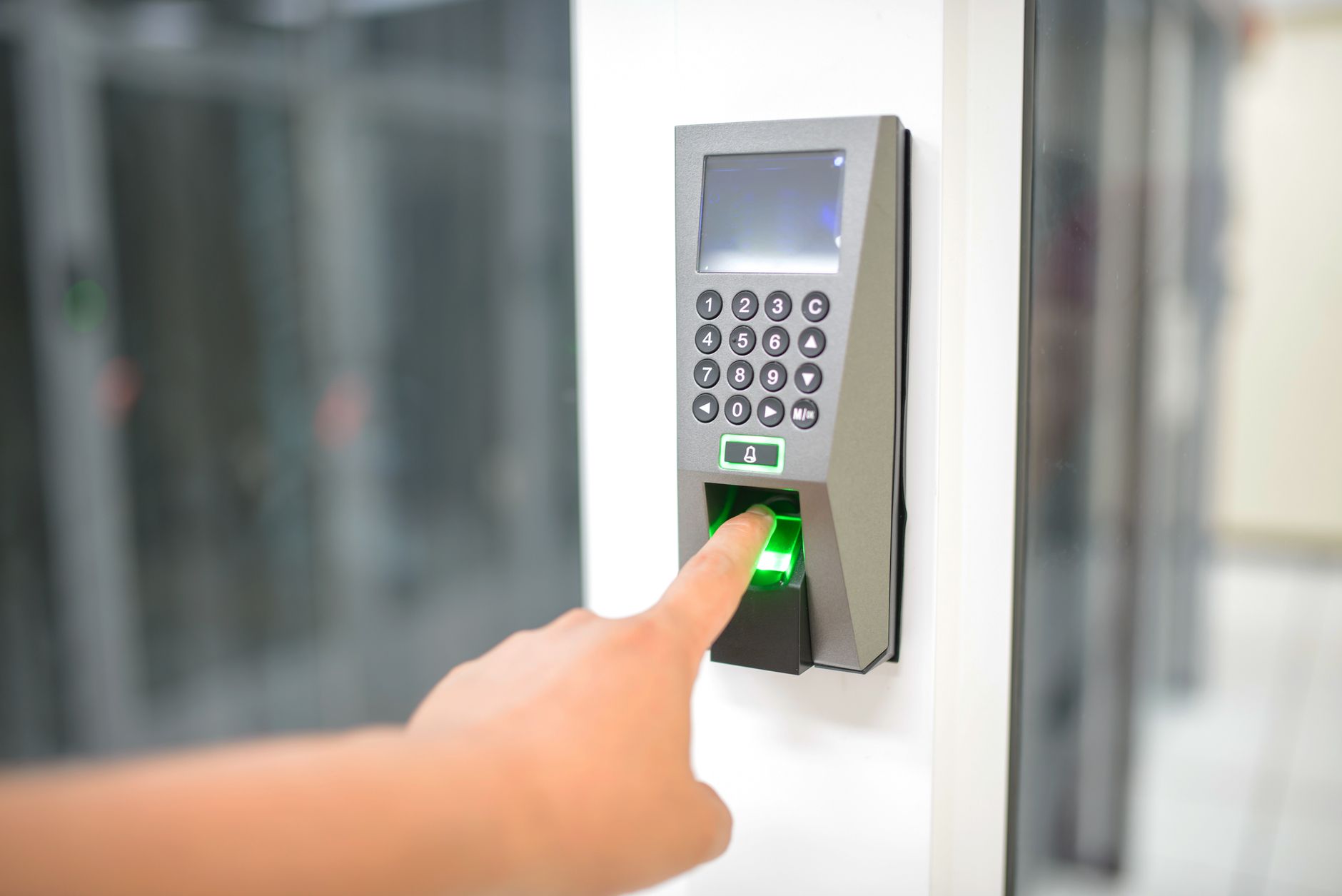
As a rule, all foreign citizens and stateless persons entering Russia during the pilot must submit biometrics, whether they hold a visa or travel visa-free. The main exemptions are:
- Children under 6 years old
- Citizens of Belarus
- Diplomats and holders of diplomatic or service passports travelling on official business, and officials of international organisations
Everyone else — ordinary tourists, business visitors, students — should expect to be fingerprinted and photographed.
Where it applies

The scheme started in December 2024 at four Moscow airports and one land crossing, then expanded. The table below shows how it rolled out.
| Phase | From | Where |
|---|
| Phase 1 | Dec 2024 | Sheremetyevo (SVO), Domodedovo (DME), Vnukovo (VKO), Zhukovsky (ZIA) airports + Mashtakovo land crossing (Kazakhstan border) |
| Phase 2 | from 30 June 2025 | Expanded toward all Russian border entry points nationwide |
In practice, if you arrive at any of Moscow's main airports you should assume biometrics will be taken. For the full sequence at the airport, see our arrival procedures in Russia guide.
The programme is an official experiment that, by a government decree in April 2026, has been extended to 31 December 2027. If you are visiting in 2026 or 2027, treat biometric enrolment as a routine part of crossing the border rather than a temporary trial.
What happens at the border, step by step
- Standard passport and visa inspection at the booth.
- A live facial photograph is taken.
- Your fingerprints are scanned.
- The data is transmitted to the state biometric system and linked to your entry record.
It adds only a short time to the usual check. Having your passport ready and following the officer's instructions is all that is needed.
Visa-free travellers: register before you fly
If you enter Russia visa-free, pre-registration is mandatory: as of 2026 you must submit your biometrics and personal data in advance through the official government app (RuID) linked to the Gosuslugi platform, generally at least 72 hours before arrival (with a shorter window in urgent cases). A successful pre-registration is valid for 90 days, and it usually means your biometrics will not be collected again at the border — saving time on arrival. This is closely tied to the electronic-authorisation requirement for visa-free entry; see the electronic authorisation rules for visa-free entry. Whether you need a visa at all is covered in who needs a visa to enter Russia.
Visa holders
If you travel on a visa, some of your biometric data may already have been captured when you applied at a consulate. Even so, during the current phase fingerprints and a photo may still be taken at the border, so be prepared for the same procedure on arrival.
How long is the data kept?
Biometric templates are stored in Russia's unified biometric system. Under Russian law, records tied to the processing of biometric data (such as operation logs) must be retained for at least five years. If data protection matters to you, factor this into your planning.
After the border
Once you are through, remember two practical points that catch visitors out: foreign Visa and Mastercard cards do not work in Russia, so read how to pay in Moscow as a tourist and bring cash to exchange; and if you are staying seven days or longer you will need migration registration (usually handled by your hotel). For a smooth ride from the airport after a long border queue, you can arrange a pickup in advance with GetTransfer. It is also wise to sort out travel insurance for Russia before you go.
Frequently asked questions
Do foreign tourists have to give fingerprints to enter Russia in 2026?
Yes. Under the current pilot, most foreign citizens have their fingerprints and a facial photo taken at border control when entering (and leaving) Russia. Children under 6, Belarusian citizens and diplomats are the main exemptions.
Which airports collect biometrics?
It began at Moscow's Sheremetyevo, Domodedovo, Vnukovo and Zhukovsky airports and the Mashtakovo land crossing, and has since expanded toward all Russian entry points. Assume it applies at any major Moscow airport.
Do I need to submit my biometrics before I travel?
If you enter visa-free, yes — pre-registration through the official government app (RuID, linked to Gosuslugi) is mandatory as of 2026, normally at least 72 hours before arrival. A successful submission is valid for about 90 days and usually means your biometrics are not taken again at the border.
Are children exempt from the biometric check?
Children under 6 years old are exempt. Older children are treated like other travellers and will have their photo and fingerprints taken.
How long does Russia keep the biometric data?
The data is held in Russia's unified biometric system. Under Russian law, records related to processing biometric data must be kept for at least five years.
Border rules, phases and exemptions are changing as this pilot develops; confirm the current requirements with an official Russian source or your carrier before you travel. Last reviewed July 2026.


