
Spasskaya Tower is the Kremlin's iconic clock tower on Red Square, built in 1491, whose chimes mark official Moscow time and ring in the New Year across Russia. This guide covers its history, architecture and the best spots to see and photograph it.
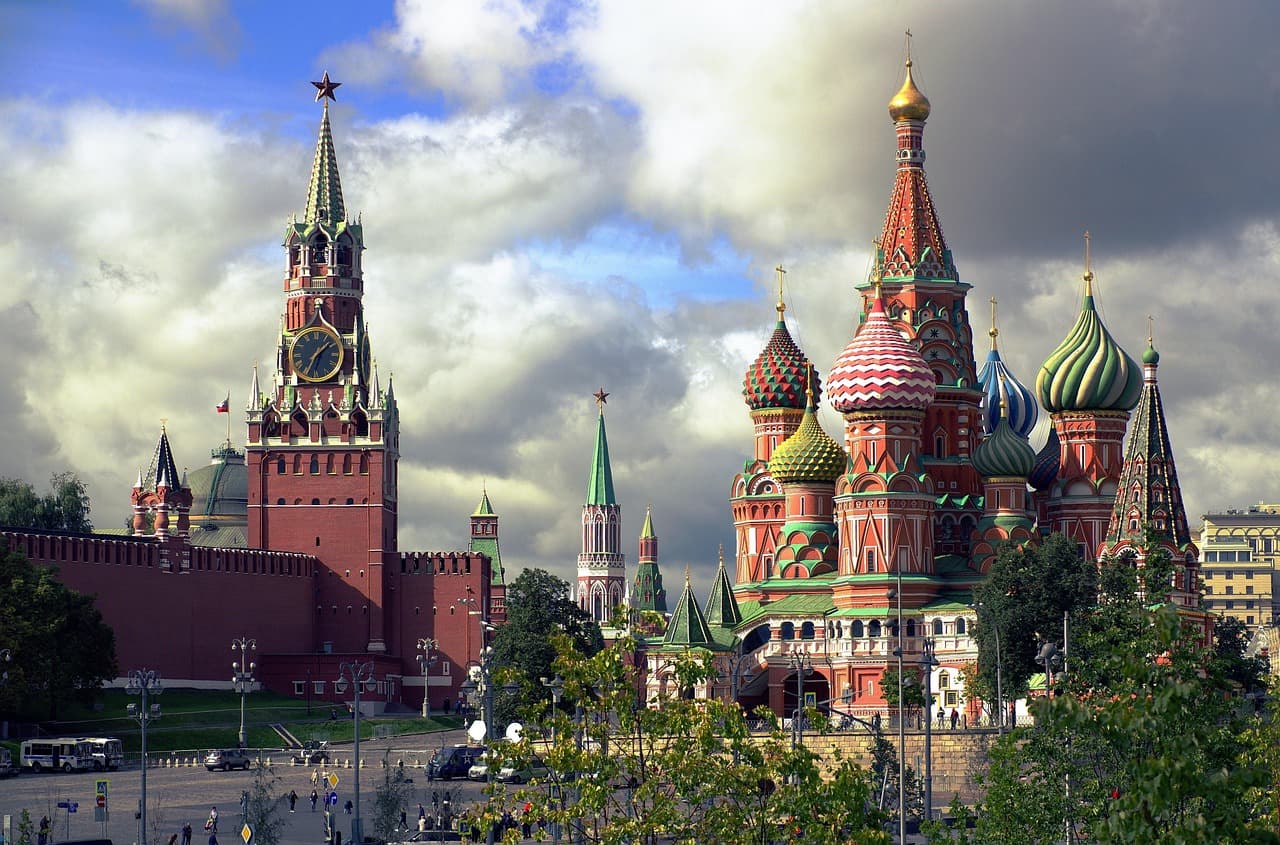
Spasskaya Tower is the Kremlin's iconic clock tower on Red Square, dating to the late 15th century with its current clock mechanism refined in the 17th century. The architect of Spasskaya Tower in Moscow Kremlin was influenced by Italian design blended with Russian craftsmanship. The Kremlin chimes ring hourly from this historic structure, crowned by a red star added in 1937.
Plan your visit to Spasskaya Tower to hear the hour chime up close. The clock sits at the heart of Moscow's Kremlin, part of the construction that defines the frame of Red Square. The tower dates to the late 15th century construction, while the current dial and mechanism were refined in the 17th century; a red star was added in 1937, giving the tower a distinct silhouette above the ground. The surrounding ground around the Kremlin buzzes with international guests, so aim for early morning or late afternoon for the best light and fewer crowds.
The tower's brick body forms a tall, elegant silhouette, with a conspicuous frame that houses a massive dial visible from miles away. The construction blended Italian influence with Russian craft, turning imperfections into part of its legend. Inside, the chime rings on the hour, driven by hanging weights and a precise mechanism that has endured through centuries.
To view the dial up close, verify access dates on the official Kremlin schedule and book in advance when possible. Arrive 30 minutes early for security checks, and bring a valid passport for museum access; inside, expect guided sections and strict photography rules. For a special memory, look for authorized merchandise, including stickerclock items; beware of unauthorized copies and choose official shops to support the preservation efforts.
The clock's history is a blend of legend and practical engineering. Despite occasional imperfections, craftsmen maintained accuracy, turning the Spasskaya Tower into a symbol of Moscow's timekeeping. A date etched on nearby plaques marks milestones in its long service, and the dial's hands continue to sweep to the hour above the ground, drawing visitors to watch the chime ripple through the square.
When photographing, frame the tower with Red Square in the background, and seek vantage points above the crowd for a clear shot of the dial and the hanging bells. The experience blends international curiosity and local heritage, with stickerclock souvenirs offering a playful reminder of the moment. If you're collecting memories, remember the moskiewskiego context-the site's construction and its ongoing evolution continue to define the clock as much as its hourly chime.
Practical Guide for Visitors and History Enthusiasts
Arrived early to the Smolensky district grounds to catch the dial in the morning sunlight; this quick plan helps you maximize time and see the original mechanism up close. If you arrived already, you'll save time on security and reach the viewing spots sooner.
About visiting Spasskaya Tower, use these practical tips to maximize your experience and learn the history behind the name.
- Apply for a guided tour in advance; slots fill fast, so secure your spot online and confirm the time before you go.
- Prepare for security checks; the area around the tower is protected and access is controlled, so carry a small bag and have your ID ready.
- Choose optimal viewing times: the best light on the dial appears in the morning and late afternoon; plan to arrive before the crowds build, especially in extreme weather or peak hours, when crowd levels can be intense.
- Know what you will see: the dial with its hands, the spire above, and the original mechanism behind glass; the metals and gears that were made in past centuries remain a remarkable example of ancient engineering that does not dramatically age in appearance. The experience depends on weather and lighting, so plan for sunlight angles.
- Learn the history in small bites: the 18th-century repairs touched the mechanism and the tower, a detail worth noting for context when you compare photos taken years apart.
- Appreciate the location: Spasskaya Tower sits on the ground of the Kremlin's wall within the Smolensky district; the protected grounds preserve the tower's grandeur and the ceremonial mood. Some parts are shown only on guided access, and some details are hidden from casual visitors.
- Photography tips: use a moderate zoom to capture the dial and the spire without reflections; frame the tower with the ground to emphasize its size and significance, and keep the name of the tower in your shots to anchor the moment.
- Legend and interpretation: the chimes carry stories about the clock's role in ceremonies and daily life; listening to the bells adds a sensory layer to your visit. The legend around the tower started long ago and continues to attract admirers.
The plan started at the gate and continued along the Kremlin wall toward the tower's base, offering a concise route that reveals why the site remains protected and beloved by locals and visitors alike. The smolensky district area provides context for the tower, its history, and its present-day use.
Thanks for planning a visit that respects the site and its history.
Origins and Clock History: Key milestones
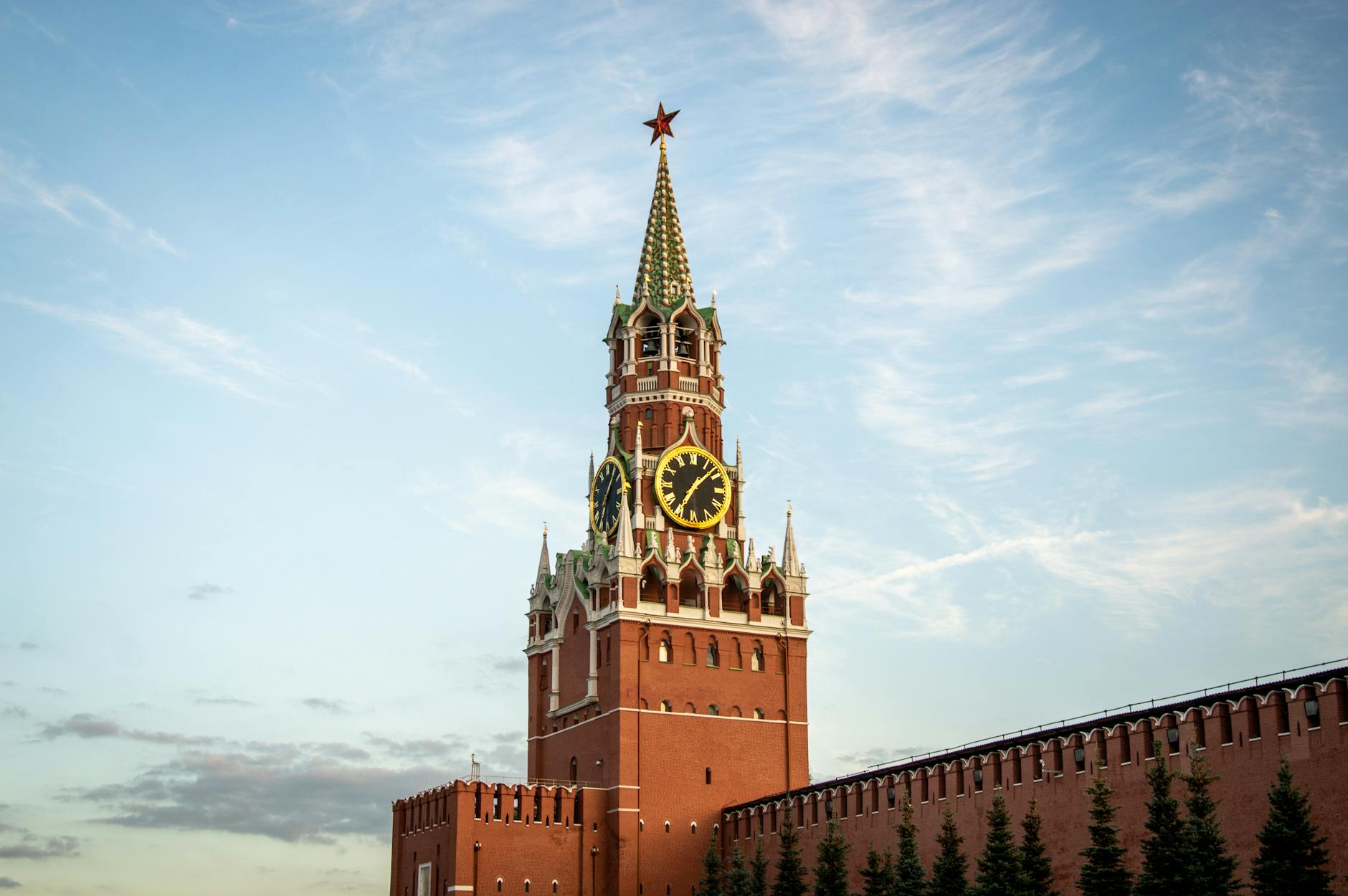
Consult this concise chronology to trace the key milestones of Spasskaya Tower's clock. It highlights origins, restorations, and the present mechanism that marks Moscow time.
Origins trace to the Kremlin's 17th-century expansion; the first clockwork on Spasskaya Tower appeared around 1625, built by foreign craftsmen. Those early makers laid a pattern for later refinements and heavy use by the town's authorities.
In the 1680s the mechanism received a technical overhaul; the dial was refreshed, numerals were sharpened, and the eagle emblem began appearing on ceremonial banners that accompany the clock's chimes. Orthodox ritual marks and state banners influenced the presentation during important occasions.
Across the 18th and early 19th centuries, several restorations replaced worn parts; some components disappeared during conflicts, then were recovered and reused, keeping the clock running through shifts in power and taste.
After 1917 upheavals, a major reset began; in the 1930s a new mechanical movement and electric drives modernized the clock, and after World War II time itself returns to a reliable cadence as the city rebuilt. The chimes sound again to mark city milestones. The clock became a symbol of the victorious capital during commemorations.
During the late 20th and early 21st centuries, restorations coordinated by experts such as Igor and Mikhail Dudush drew on dudush archives for reference, refined the mechanism, expanded documentation, and ensured long-term accuracy. The results were verified exactly by Kremlin Museums, confirming the integrity of the original layout while adapting the drive to contemporary standards.
Dimensions matter here: the dial spans roughly six meters in diameter, and the tower's overall dimensions place it among the emblematic monuments of the district. The clock's hands move with a precision that suits its category as a monumental town clock.
Throughout its history the imagery on the tower has carried iconostasis-inspired motifs and the double-eagle banner, underscoring a blend of Orthodox tradition and state symbolism. Those design cues connect the clock to the district's narrative and the town's identity, making it a must-see in any visit and a living example of Russia's heritage.
Tips for visitors: the chimes' schedule is public, and timing can vary with maintenance; if you seek a deeper understanding, apply to official tours that cover the mechanism itself and the historical context. stickerrussia fans will find limited-edition memorabilia near the square, while photography rules protect the tower's solemn atmosphere.
Architectural Highlights: Facade details, materials, and clock faces
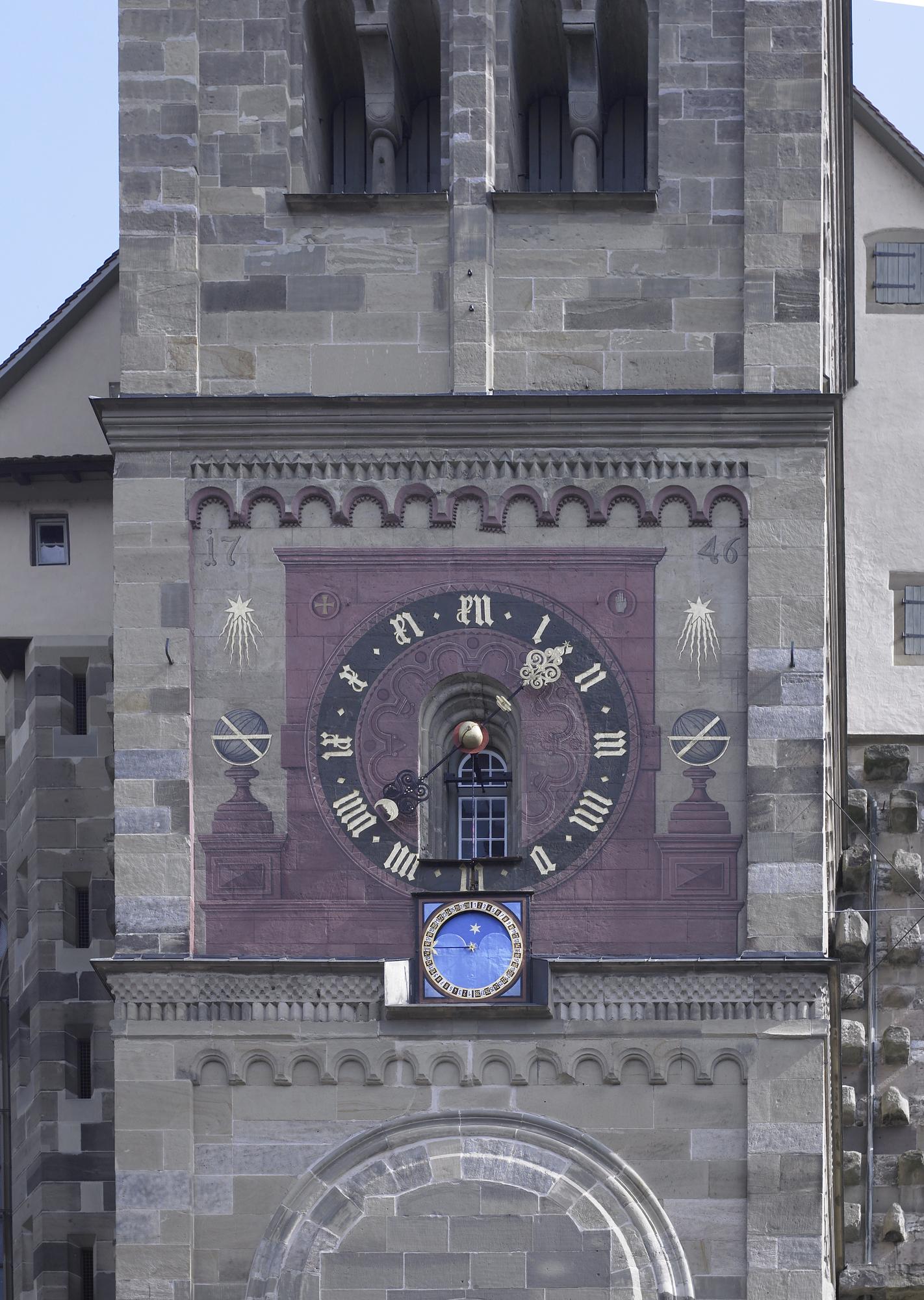
Inspect the facade at arm's length to notice how red brick is framed by white limestone trim and how the clock faces sit in recessed frames, directing the eye along vertical pilasters toward the spire. Those details create a unique rhythm that connects the architectural intent to the Kremlin ensemble and the district beyond.
The main wall surfaces showcase a disciplined pattern: brick panels alternate with carefully cut stone inserts around windows and cornices. A restrained painting of limewash preserves the contrast, letting the architectural language read clearly for browsers and visitors alike. While the surface might look restrained, every element serves a clear role in communication with passersby and those standing in the quarter.
Materials reveal a pragmatic approach to climate and time. Core red brick anchors the mass, white limestone frames around arches add lightness, and metal accents highlight the clock hands and grilles. Technical restoration favors breathable lime mortar over modern Portland cement to prevent cracking, keeping the texture expressive and the joint lines legible. Those maintenance choices ensure the facade remains legible for the browser of history and for those compiling a worldspecial listing of Kremlin towers.
Clock faces anchor the composition: four round dials set in broad frames, each about 6 meters in diameter, with bold numerals and gilded hands against a light background. The faces face the four compass directions, ensuring visibility for spectators far away and, of course, during night hours. The dial frames are integrated with a cornice line that wraps around the tower at the clock level, linking the mechanism area with the architectural rhythm. A note on date and provenance lives in archival code, which guides restorers today.
Corner pilasters and cornices frame the facade as a sequence of vertical notes. The quarter segments above the arches showcase delicate reliefs, while upper tiers introduce a cadence of windows and blind arches that push the eye upward toward the roof. A small terrace near the top supports the clock mechanism housing, which technical records place in the 17th century with later refinements that preserved the look. The result is a facade that communicates stability and continuity, while remaining fully functional for timekeeping and ceremonial use.
For photographers and planners, the official listing highlights three vantage points: a wide view from Red Square, a close-up of the window frames, and a side angle that reveals the tower's depth. If you save an image named towerjpg in your catalog, you'll preserve a reference that helps later compare painting, stonework, and joint lines. The archival date appears in the record, and the code behind the restoration logs the exact dates and architects involved, which is helpful for item-by-item studies and research.
Rumors about modernization circulate, yet the core architectural logic stays intact: the facade's articulation binds the heavy brick mass to the lighter stone details, and the clock faces remain the visual anthem of the structure. Every surface is designed to be read as a cohesive unit for visitors away from the district's bustle, while remaining accessible for guided tours. This is a unique, victorious face that honors centuries of use and still anchors the Kremlin's public communication about time and history.
Table: Facade Details and Clock Face Data
| Feature | Description | Materials | Measurements / Dates |
|---|---|---|---|
| Facade rhythm | Vertical pilasters frame brick panels; white stone trim defines windows and cornices | Red brick, white limestone | Pattern established 16th-17th century; restored periodically |
| Clock faces | Four dials, visible from four directions; large scale for landmark visibility | Dial background light; numerals and gilded hands | Diameter ~6 meters per dial; mechanism modernized in 19th-20th centuries |
| Upperwork | Cornice band, decorative reliefs, and lancet-type openings leading to the roof | Stone and metal accents | Restorations align with main restoration dates |
| Roof and spire | Roof terrace and pinnacles leading to the tower top; star added in the 20th century | Metal roofing; copper accents | Spire height tens of meters; crown features a star |
| Maintenance approach | Breathable lime mortar; color palette preserved; careful painting | Lime mortar, limewash, tempera paints | Recent restoration cycles; archival code used in records |