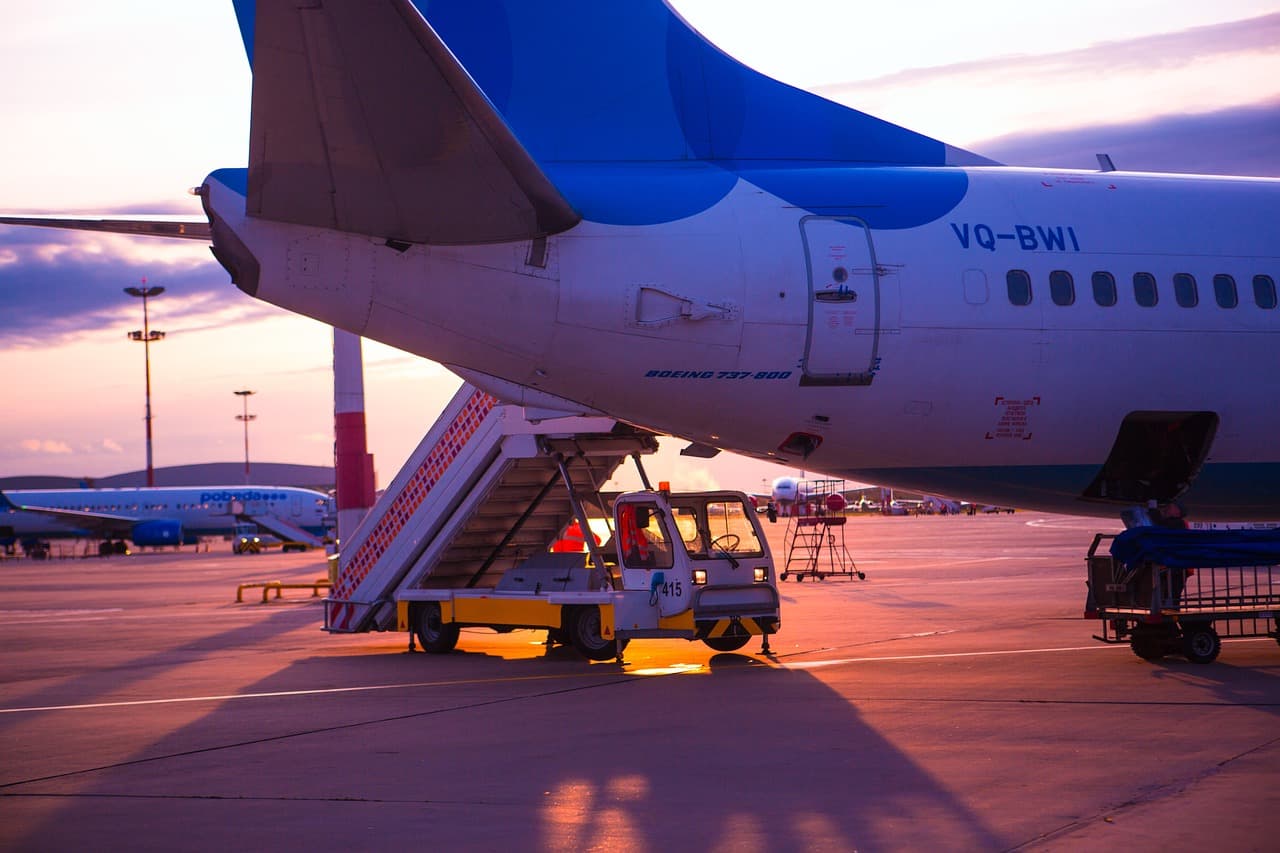
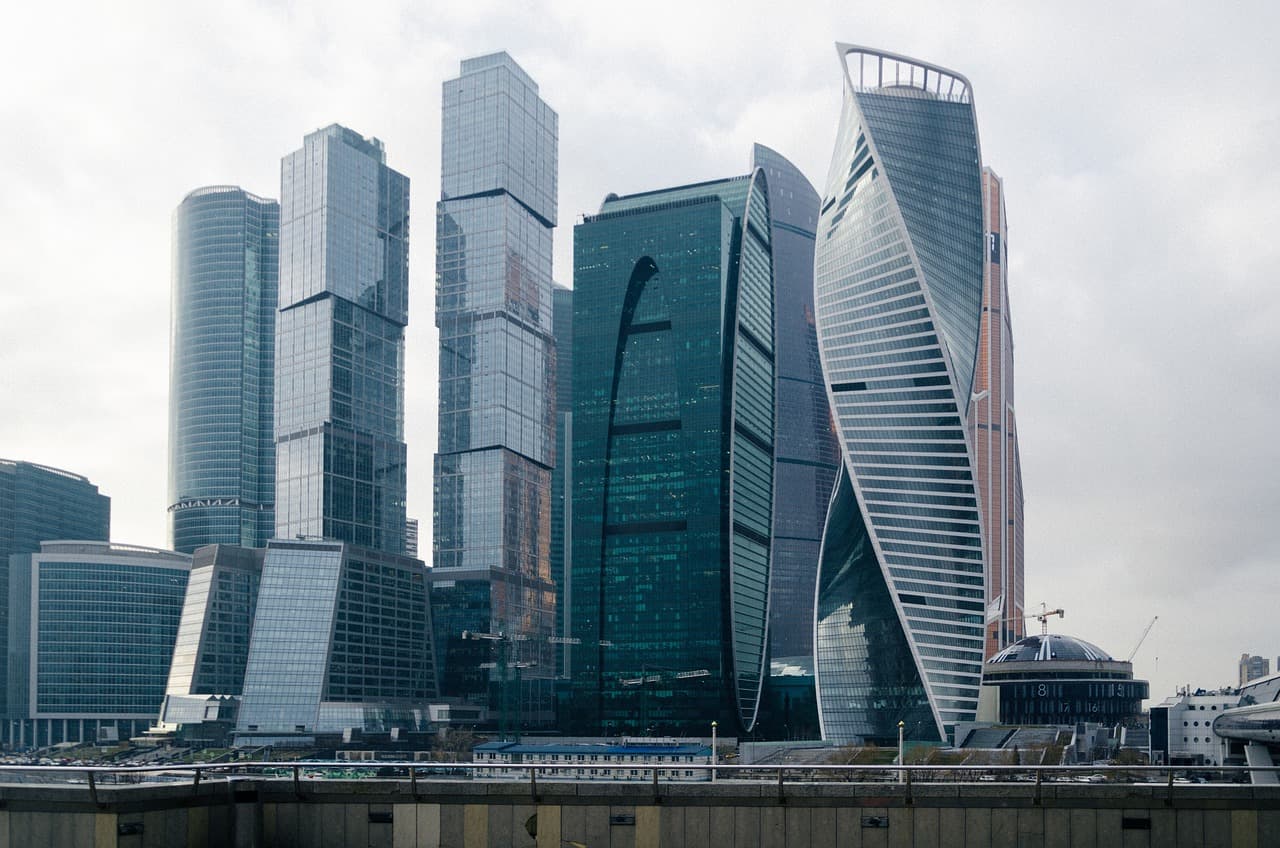
Choose Terminal A for international flights and Terminal B for domestic trips. The central area at Vnukovo helps you orient quickly. In the terminal, look for the main counters for check-in and baggage drop, then follow the signs to the gates.
Follow the signs to the gates; the bilingual signage is clear and easy to read. When you need help, visit an information desk near the escalators to move between levels or confirm your boarding details. Always check the flight boards for live updates and gate assignments.
Transport to the city costs vary by taxi, depending on traffic. Public options include a rail link to the city center and several bus routes that run day and night. The airport serves various carriers, offering direct and connecting flights. For a short layover, the play area can entertain kids, while quiet lounges let you rest between flights.
The terminal amenities cover rest areas, charging stations, and a gaming zone for families. If you need to settle in for a longer stay, locate comfortable lounges and seating to relax with a device. Shops and cafés offer a mix of options, so plan time to explore between gates.
Official notices come from the agency; in some documents you may also see references to the prosecutor's office. Always verify your gate and boarding time on the signs and at the counters before security. Vnukovo has expanded self-service kiosks and improved digital displays to speed up lines. If you arrive with carry-on only, head to a compact seating area near your gate or use the central atrium for a quick rest.
Reminders for Vnukovo Airport Travelers
Plan ahead: for international flights, arrive 3 hours before departure; for domestic flights, 2 hours. Use mobile boarding passes and track your flight in real time via the airport app or your airline's updates. Gate information and directions are shown on the screens to help you orient quickly.
Utilize automated check-in kiosks to print boarding passes and attach baggage tags; online check-in opens 24 hours before flight, letting you skip long lines at the counter. Keep your passport and boarding pass handy to move smoothly through the first checkpoint.
Follow directions from airport management and airline staff. There are several checkpoints at security, so be prepared with liquids in 100 ml containers in a transparent bag and electronics placed in a separate tray for inspection; always have your documents ready for verification if requested.
For business-class travelers, the lounges in the international area offer quiet work and refreshment zones; paid-entry options exist for non-elite passengers as well. Nearby hotels may provide day-use rooms and shuttle services for a comfortable layover without leaving the terminal.
If you need city connections, use signs to reach rail and metro links; escalators and elevators connect all levels for easy transfer. The signs guide you toward major hubs, ensuring a smooth transfer toward the city center.
Data handling for travelers is managed by authorized agencies. Support is available for urgent inquiries, and staff can assist with visa permissions and any questions regarding your data. Keep in mind: stay informed about your rights and contact the agency if you need clarification on data handling or travel plans.
Which Terminal Handles Your Flight: International vs Domestic
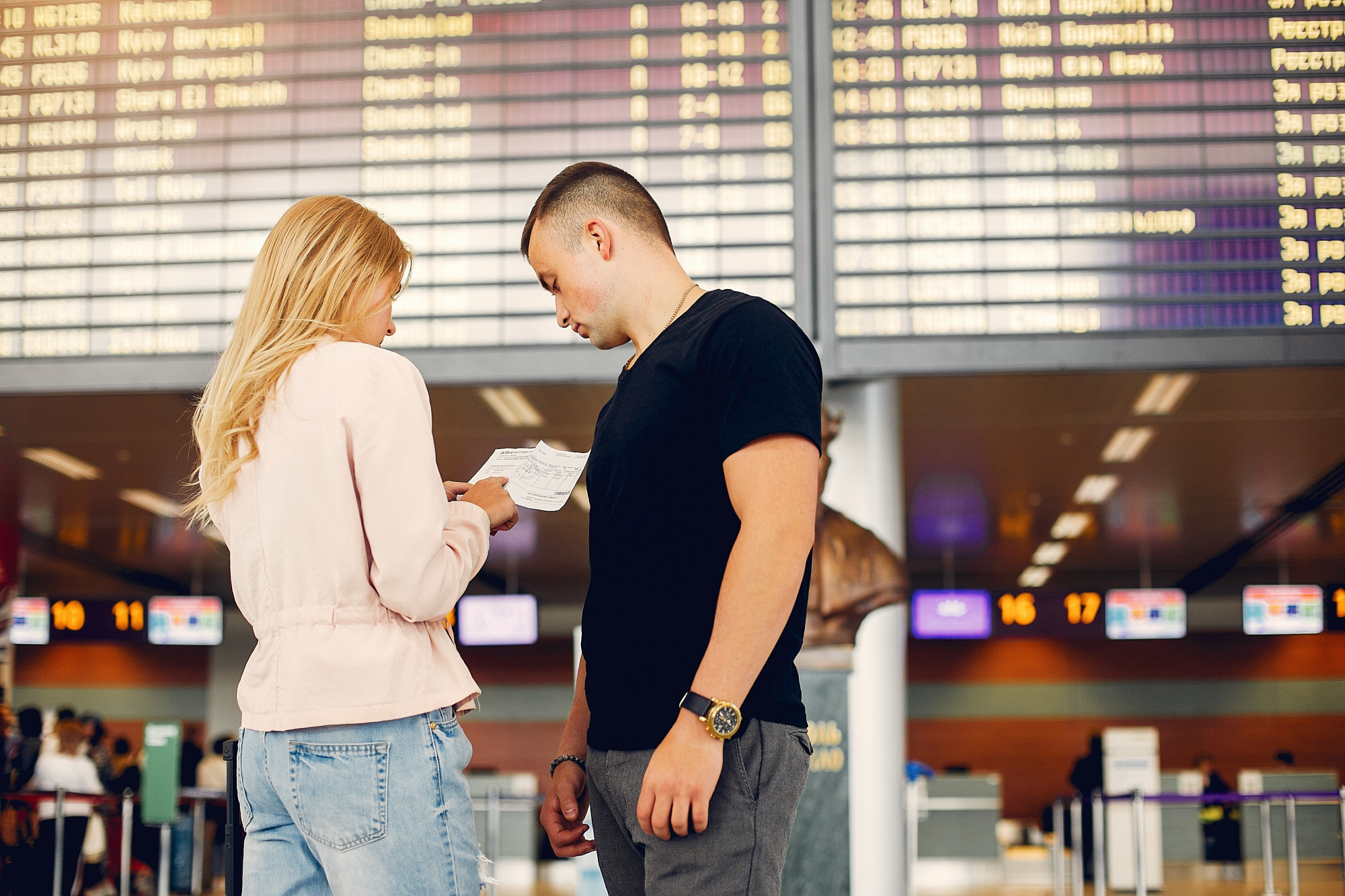
Stick to your ticket's terminal to avoid delays: international flights go to Terminal A, while domestic flights use the Vnukovo-2 area. This choice dictates where you check in, clear security, and board, so verify it on your booking confirmation or the airline app before you arrive.
The international terminal is organized around three main stages: check-in and passport control, arrivals and departures processing, and a compact transfer module that connects to gates. Terminal A offers broader duty-free shopping, multilingual signage, and dedicated queues for non-Schengen and Schengen arrivals, all designed to speed up routine procedures and keep lines moving. For travelers with roaming needs, free Wi-Fi and fixed public communication systems are positioned near information desks to help you navigate the terminals in real time.
Domestic flights land and depart from the Vnukovo-2 complex, which concentrates three primary checkpoints in a streamlined flow: document checks, baggage drop, and the gate corridor. If you're arriving on a domestic leg and need to switch to another flight, the transfer zone in Vnukovo-2 keeps transfers efficient by aligning with the airport's security systems and signaling to government authorities to maintain smooth operation.
To minimize stress, use the airport's official monitors, airline apps, or airport phone services to confirm the exact terminal and gate. Arrive early if you're checking bags, especially for international departures, and be aware that security queues can extend during peak times. The terminal layout facilitates communication between staff and passengers, featuring clear signage, posted travel information, and a dedicated help desk to ensure a smooth experience at Vnukovo Airport. This approach enhances passenger satisfaction and keeps your journey on track through security screening and boarding.
Where to Check In, Drop Bags, and Retrieve Boarding Passes
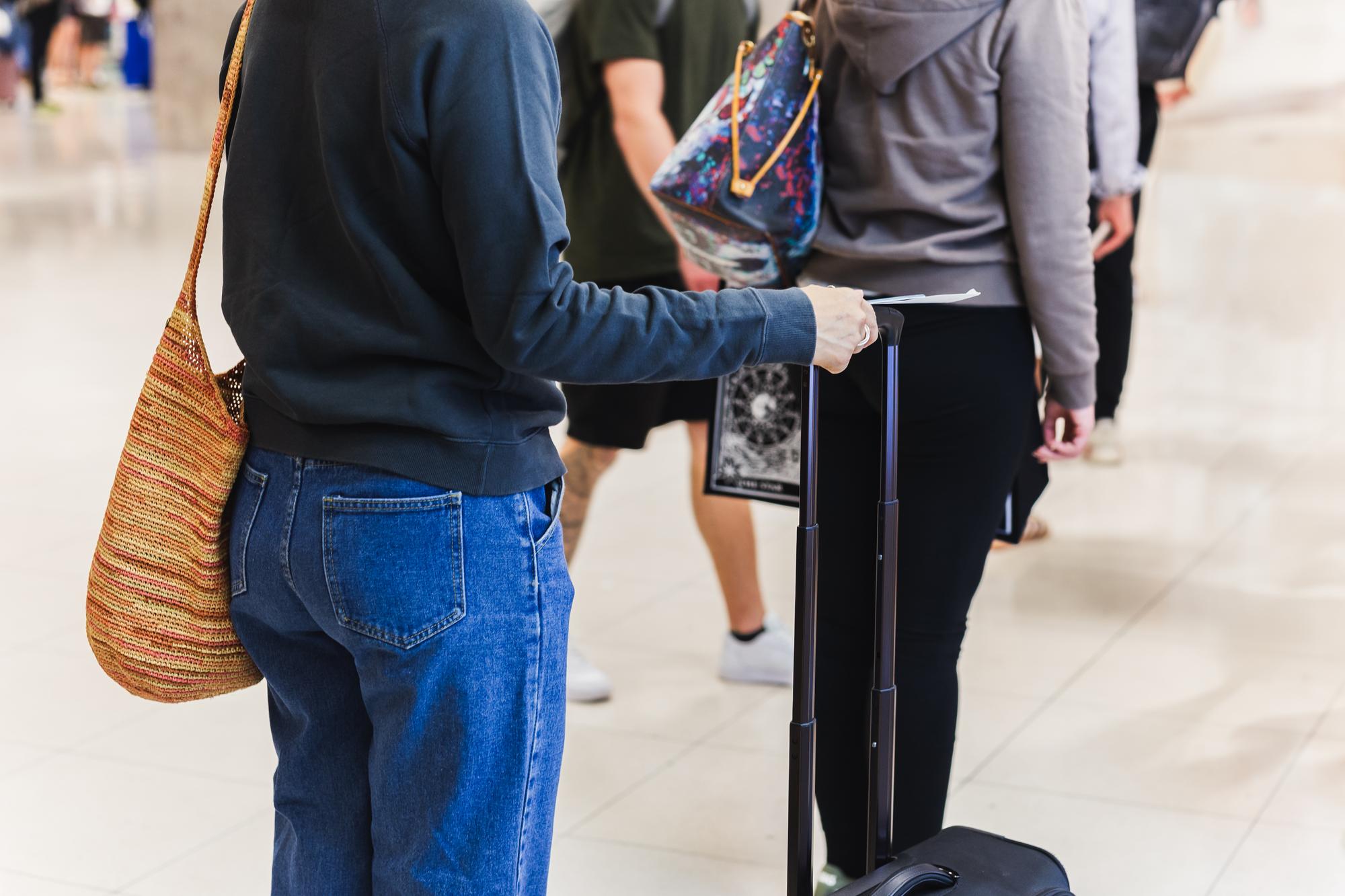
Go to the main check-in area in Vnukovo's terminals and use the self-service kiosks to print or download your boarding passes. Have your passport and ticket details ready, and update your address in the airline profile if needed. Share your email and mobile number so the airline can reach you.
After check-in, proceed to the bag drop zone in the same hall. Present your boarding pass on the screen or a printed copy and hand over any checked luggage. The staff takes care of tagging and routing your bags, making the process smooth for passenger flow.
To retrieve boarding passes, use the self-service kiosks, the airline app on your mobile device, or check your e-mail for a digital copy. Ensure your data matches your passport to avoid delays, and if you need help, the information desk in the terminal can assist.
Parking and access: follow signs to the multi-level parking near the terminals and use the elevators to move between levels. If you park, note the level and entry time to be able to return efficiently to the arrivals or departures area. Car parking options range from short-term bays to longer stays, with clear signs pointing to the check-in halls.
For context with other Moscow airports, such as Domodedovo, the steps are similar: check-in at counters or kiosks, drop bags at designated zones, and retrieve passes via mobile or e-mail. If you stay in the area at a hotel like Marriott, plan your arrival at VKO with a little extra time for transfers from the parking area to the terminals.
Best Ground Transport Options: From Vnukovo to Moscow City Center

Start with a pre-booked private transfer or airport taxi for door-to-door service. Check the official site for current rates to central districts, and inquire about VIP lounge access or valet-like pickup services inside the terminals during peak hours.
For seamless arrivals, choose a transfer arranged through the airport or a trusted service. This approach minimizes walking across crowded halls, keeps your luggage secure, and lets you head straight to your hotel or business venue in Moscow City Center without waiting for curbside queues.
Rideshare apps offer a flexible alternative: set a fixed price, track the driver, and pay in advance. Services operating at VKO commonly combine with multilingual support and real-time updates, helping you navigate arrival procedures efficiently as you move from the terminals to the curb. Airport-provided Wi-Fi keeps you connected during the ride, and you can sync flight details or meeting times on the go.
Rail and shuttle options exist for budget-conscious travelers. A dedicated rail link connects VKO with central Moscow stations, delivering a predictable travel time even when city traffic moves slowly. Public buses and shuttle routes offer schedules to key metro connections, suitable for travelers with limited luggage.
When planning, consider your destination area and luggage size. If you travel with multiple pieces of hand luggage or oversized bags, a private transfer or VIP service reduces transit steps and avoids last-minute bottlenecks. For solo travelers or small groups, a well-timed taxi or ride-share often beats public routes in total travel time.
Booking systems and travel platforms often integrate with major global tools to pull flight data and ticket options. Consulting desks at major airports or travel agencies can tailor options for corporate travelers, as well as provide language support and step-by-step transfer guidance. Airlines and ticket aggregators may show feeder options to VKO and onward connections to the Russian network.
Security, Passport Control, and Boarding Time Tips
Arrive at least 2 hours before international flights; 1.5 hours for domestic to clear security, passport control, and boarding.
Keep your passport and boarding pass ready, along with any required email confirmations. Use your smartphone to display the digital boarding pass and monitor alerts from the airline app. For corporate travelers, keep the carrier's contact details and policy handy to speed up check-in, and rely on staff if you need quick guidance.
Plan your route to the terminals to minimize the distance between parking and your gate. The network of signage and sensors feeds live queue data, helping you pick the fastest lanes. Stay positive, even if lines grow; prepared passengers move through security faster.
Security checks are automated behind the scenes, with staff guiding you through the flow. Pack liquids in a clear bag and place all electronics in a separate tray. Remove belts and large metal objects, and keep your boarding pass handy for any urgent staff assistance. If you need help, ask a staff member at the service desk near the entrance.
Passport control varies by country and destination. Have your passport and visa documents ready, and ensure names match your ticket. If you hold a biometric passport, use automated lanes where available, supported by kiosks that speed up verification. For new rules or changes, check the airport screens in the terminals and the official airline app.
Boarding begins shortly before departure. Review the gate screen on your smartphone and prepare your boarding pass for scanning at the gate. Keep your mobile device charged and accessible, and follow instructions from gate agents. If you travel with children or require extra time, head to the front of the boarding group rather than waiting near the back.
| Stage | Recommended Time | What to Have Ready | Tips |
|---|
| Security | 30-60 minutes before departure | passport, boarding pass, liquids in 100 ml bag, electronics | Place electronics in tray first; remove belts; follow staff directions |
| Passport Control | 15-45 minutes (depending on destination) | passport, visas (if required), boarding pass | Use automated lanes if available; ensure names match |
| Boarding | 25-40 minutes before departure | boarding pass on paper or smartphone, plus a queue slip if required, carry-on only | Queue by boarding group; keep device ready for scanning |
Terminal Amenities, Wi-Fi, Lounges, and Food Options
Start with online registration for lounge access to guarantee a quiet space before your next flight.
Wi-Fi is available throughout all terminals. Connect to the airport network to activate a session, or use guest access if you're traveling with minimal setup. The service supports digital connectivity and keeps you online as you move between gates, lounges, and dining areas.
- Lounges are located in several zones across each terminal, including airline lounges and independent options. Each lounge offers comfortable seating, USB and AC outlets, workspace tables, and complimentary beverages. You'll find quiet corners for work or rest, with secure Wi-Fi and attentive staff. These spaces provide a more relaxing environment than the main concourses, making it easier for passengers to reset between flights.
- Food options include a diverse mix of cafés, bars, and quick-service counters serving hot meals, fresh salads, sandwiches, pastries, and coffee. Directory signs guide you to nearby options, with clear signage near each gate. Every terminal area offers both grab-and-go counters and sit-down outlets to suit needs such as early morning coffee or a late-night bite. Each station lists hours, payment methods, and allergen information.
- Amenities and services include rest zones, family rooms, and clean restrooms spread across various zones; showers and locker storage are available if you're on a long layover. Each area includes maps and wayfinding to streamline your time, with signs pointing to the nearest security lines and boarding gates to keep your schedule on track.
- Reading materials are available in a compact library corner offering magazines and journals. Passengers can browse while waiting for flights, making productive use of time while staying comfortable.
- Parking and access - The nearest parking facilities are clearly marked in terminal maps. Use the terminal directory to plan pickup or drop-off, and check the city guidance for local transport options. Each boarding area is designed to be accessible for all travelers, with clear routes from the parking zones to the main concourses.