
Moscow's storied past, from tsarist grandeur to Soviet intrigue, captivates history buffs, but beyond the Kremlin and Red Square lie lesser-known gems that pulse with untold tales. For Moscow history buffs off beaten path, these sites offer a deeper dive into Russia's complex narrative, revealing forgotten revolutions, hidden bunkers, and literary haunts. The Moscow CityPass enhances your journey, providing Troika card transport to obscure corners and discounts at select museums. Therefore, this guide unveils Moscow's hidden historical treasures for an immersive adventure in 2025.
Why Seek Moscow's Hidden History?
Moscow's mainstream attractions dazzle, but its offbeat sites offer raw, unfiltered stories for Moscow history buffs off beaten path. From a Bolshevik printing press disguised as a fruit shop to a Cold War bunker buried beneath the city, these places preserve the capital's revolutionary and secretive past. The Moscow CityPass simplifies exploration, covering metro or bus rides to distant districts and listing niche museums. For instance, its app helps plan visits to uncrowded sites, ensuring you uncover authentic narratives.
Because these locations are less touristy, they provide intimate encounters with history, often with fewer crowds. Thus, the pass and strategic planning unlock Moscow's obscure historical riches for curious travelers.
Red Presnya Museum: Revolutionary Hotbed
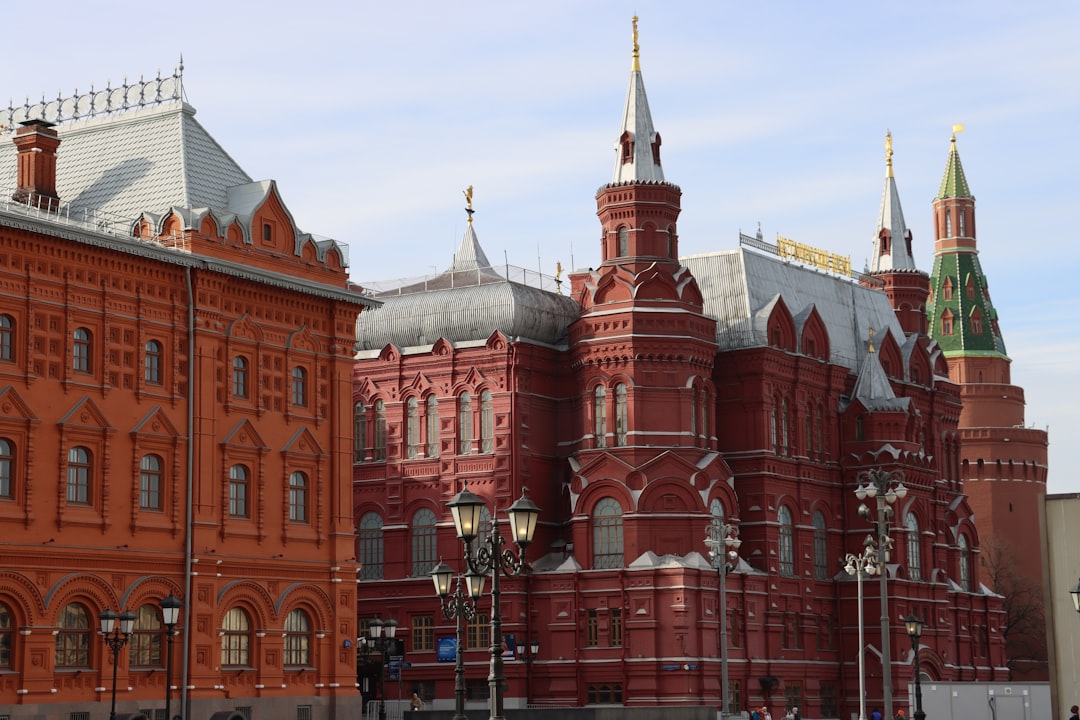
Tucked in the Presnya district, the Red Presnya Museum chronicles the workers' activism that fueled the 1905 and 1917 revolutions, making it a must for Moscow history buffs off beaten path. This Soviet-era museum, rarely visited, features a mock 1905 barricade, faded maps of street fights, and artifacts from the 1917 Bolshevik takeover. For example, a preserved house where local Bolsheviks plotted the October Revolution offers a glimpse into 20th-century unrest. The museum also touches on the 1993 Russian White House bombardment, tying past rebellions to modern conflicts.
Access via Ulitsa 1905 Goda metro (Troika card via pass). Open 10 AM-6 PM, closed Mondays; entry is ~200 RUB, with pass discounts. Because it's small, plan a 1-2 hour visit. Therefore, bring a Russian-speaking friend or translation app, as English labels are scarce.
Red Presnya Exploration Tips
Photograph the barricade display for its gritty realism, and linger in the Bolshevik house for its eerie stillness. Moreover, use pass discounts at nearby cafes for pelmeni afterward. Pair with a walk to the nearby Russian White House for context, and check museum-presnya.ru for special exhibits. Since it's quiet, you'll feel the weight of history uninterrupted.
Underground Printing House: Bolshevik Hideout
Hidden at 55 Lesnaya Street, this unassuming fruit shop was a front for a Bolshevik printing press during the 1905 revolution, a secret haven for Moscow history buffs off beaten path. Behind a thick basement wall, activists produced leaflets that stoked anti-tsarist unrest, working in cramped conditions with minimal air. Now a museum, it preserves the handpress, period tools, and revolutionary pamphlets, offering a tangible link to Lenin's early agitations. For instance, the site's simplicity underscores the underground's daring.
Reach Belorusskaya metro with the Troika card. Open 10 AM-5 PM, closed weekends; entry ~150 RUB. Because it's niche, a 1-hour visit suffices. Thus, use a translation app for Russian-only displays, and call +7 499 250-6655 for access.
Visiting the Printing House
Trace the basement's narrow passages, imagining the press's clandestine hum. Additionally, photograph the shopfront for its deceptive normalcy. Use the pass's guide to locate nearby Soviet-era cafes, and pair with a visit to the nearby Narkomfin Building for constructivist architecture. Since it's rarely crowded, you'll enjoy an intimate historical dive.
Bunker-42: Cold War Depths
Buried 65 meters under Taganskaya Square, Bunker-42, built in the 1950s, was a nuclear command post designed to shelter Soviet leaders, a thrilling find for Moscow history buffs off beaten path. Now a Cold War Museum, it offers guided tours through tunnels lined with declassified equipment, radios, and a film on the Cuban Missile Crisis. For example, the bunker's stark concrete evokes the era's paranoia, while interactive exhibits let you simulate a nuclear launch.
Access Taganskaya metro with the Troika card. Tours run 10 AM-8 PM, costing ~2,500 RUB; book at bunker42.ru. English tours are available, and the pass offers discounts. Because it's underground, plan a 1.5-hour visit, wearing warm layers. Therefore, avoid if claustrophobic, but don't miss this chilling relic.
Bunker-42 Adventure Guide
Engage with the launch simulator for a sobering experience, and photograph the control room's retro tech. Ask guides about Khrushchev's bunker visits for insider stories. Moreover, use pass discounts at the bunker's cafe for tea. Pair with a stroll to nearby Zamoskvorechye for 17th-century charm. Since tours are small, book early for flexibility.
Ryabushinsky Mansion: Art Nouveau Secret
On Malaya Nikitskaya Street, the Ryabushinsky Mansion, a 1900 art nouveau masterpiece, hides a secret Old Believer prayer room, captivating Moscow history buffs off beaten path. Designed for banker Sergei Ryabushinsky, it later housed writer Maxim Gorky post-revolution. Its mosaic staircases, stained glass, and maritime motifs reflect pre-revolutionary opulence. For instance, the hidden chapel, tucked away due to religious persecution, reveals the family's clandestine faith.
Reach Arbatskaya metro with the Troika card. Open 11 AM-6 PM, closed Mondays; entry ~400 RUB, with pass discounts. Because it's compact, plan a 1-hour tour. Thus, book at gorky-museum.ru for English guides, and wear shoe covers to protect floors.