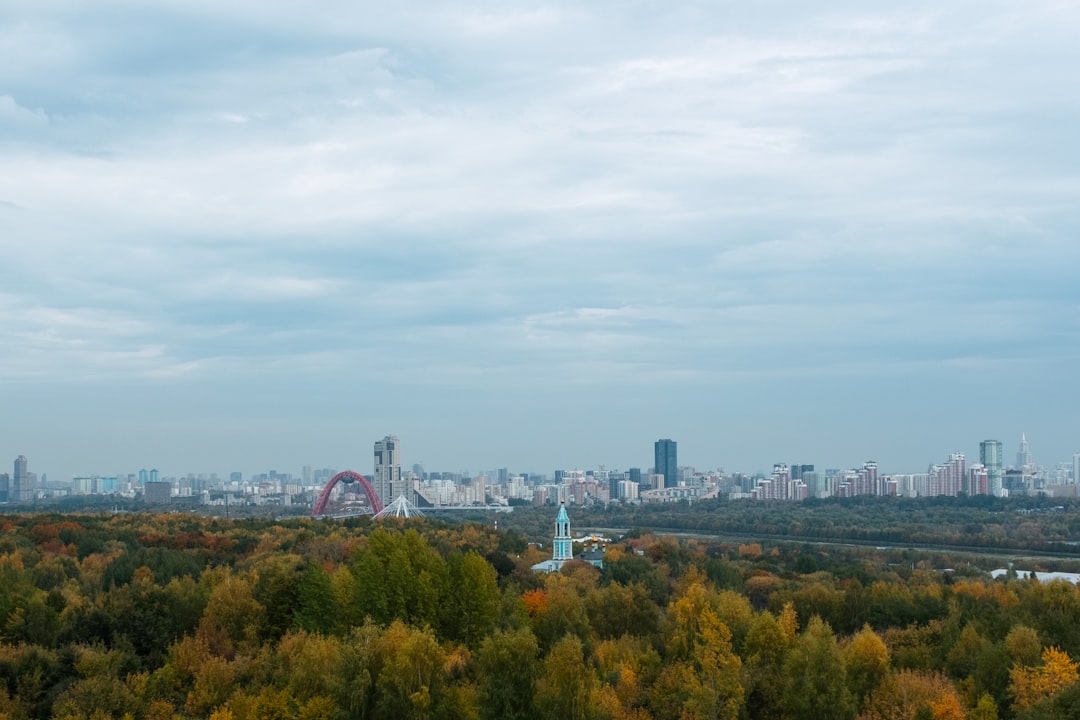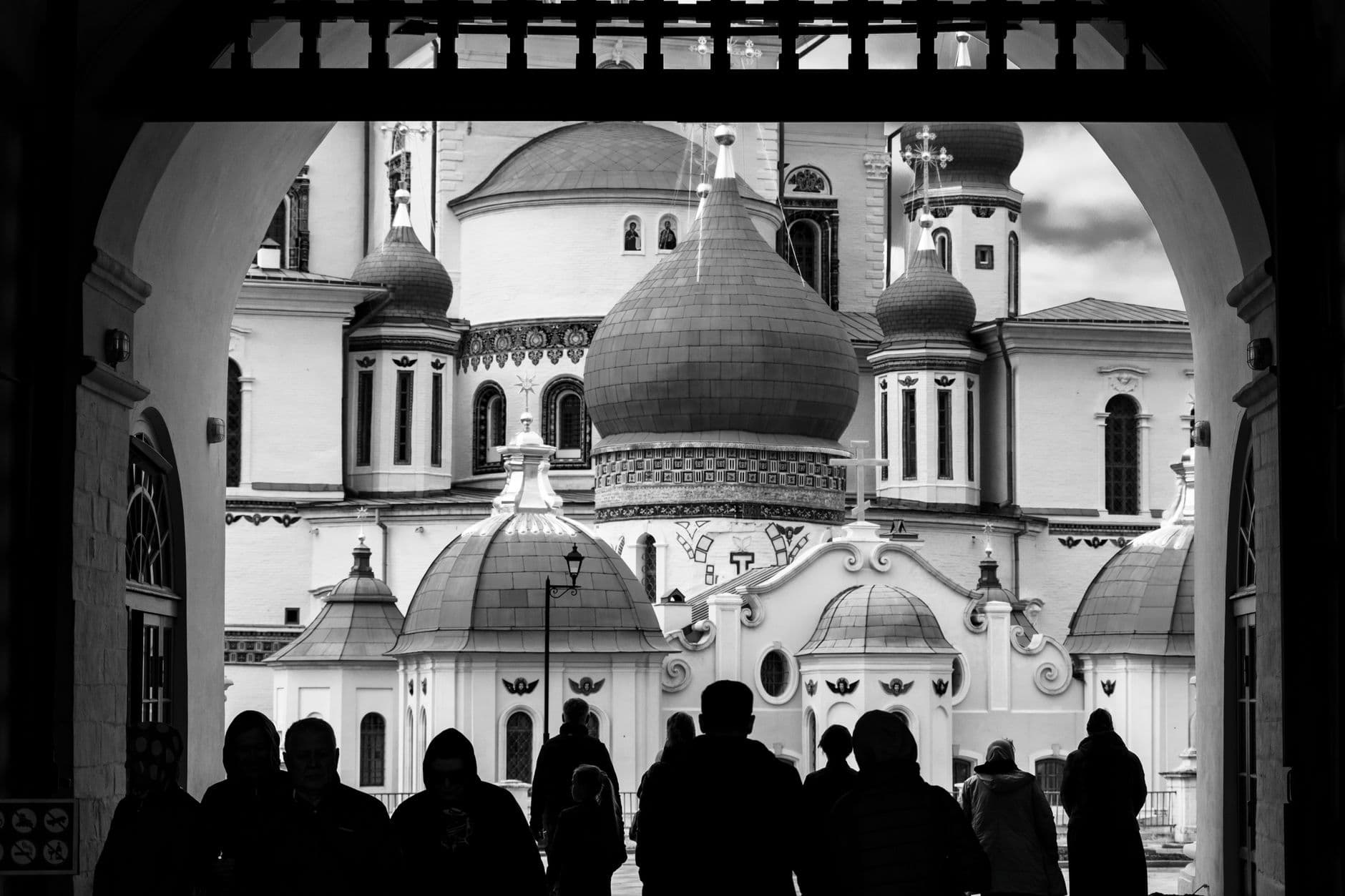

Choose this list to plan a perfect day in Moscow: five beautifully consecrated churches and cathedrals that fuse history with living services.
Each site sits in Moscow's administrative center or around its historic rings, pairing baroque facades with intimate interiors. One rises beside a former palace, another overlooks the river, and a third reveals a quiet courtyard where liturgy lifts the hall during weekend prayers; each site belongs to Moscow's living tradition and invites you to linger.
In the ivanovsky district and around moscows core neighborhoods, the buildings tell a clear story: the basils domes flash in sunlight, mother churches guard century-old icons, and each last glimpse of the spires leaves a memory to revisit again and again. The loop blends consecrated spaces with practical comfort and services ready for curious visitors.
Plan a compact loop that fits a morning or an afternoon: start early to beat crowds, wear respectful attire for cathedral spaces, and bring a camera for the onion domes that glow over moscows streets. This list is designed for small groups or families who want meaningful, authentic moments with the around city's sacred buildings and their palace-like grandeur, all within easy reach of public transit. Reserve a guided option to hear the liturgy stories behind each site and to learn why these spaces remain central to the city's services and identity.
Comprehensive Guide to Moscow's Churches and Cathedrals
Begin with a focused route: from bolshaya Dmitrovka, weave into the Kremlin complex and check the date and hours before entering each church. On Sundays you'll often catch liturgy in action; thursdays bring quieter vesper services and a chance to study the insides with less crowding. The collection forms a centuries-long complex that anchors Moscow's administrative and spiritual life, inviting you to compare styles, textures, and rituals across buildings.
- Annunciation Cathedral (Kremlin) - founded in the late 15th century, the cathedral sits at the heart of the complex. Its interiors retain an austere iconostasis and fresco schemes that reveal the transition from medieval to early modern Russian art. When you check the date of construction, plan a short pause to read about the side chapels and the way the walls hold centuries of worship.
- St. Basil's Cathedral (basils) - built in 1555-1561, its basils domes and rainbow-striped towers make it the visual highlight of Red Square. Though often treated as a museum, the insides show how ritual space evolved from ceremony to public spectacle. It stands on a bolshaya-scale city square and is part of the unesco-listed historic center, which helps explain the careful preservation of its date and facade.
- Dormition (Assumption) Cathedral - completed around 1475-79, this cathedral served as the metropolitan church for coronations and state rites. Its interiors retain a solemn rhythm of arches and frescoes, and the surrounding precincts offer a window into the administrative life that guided Moscow for centuries.
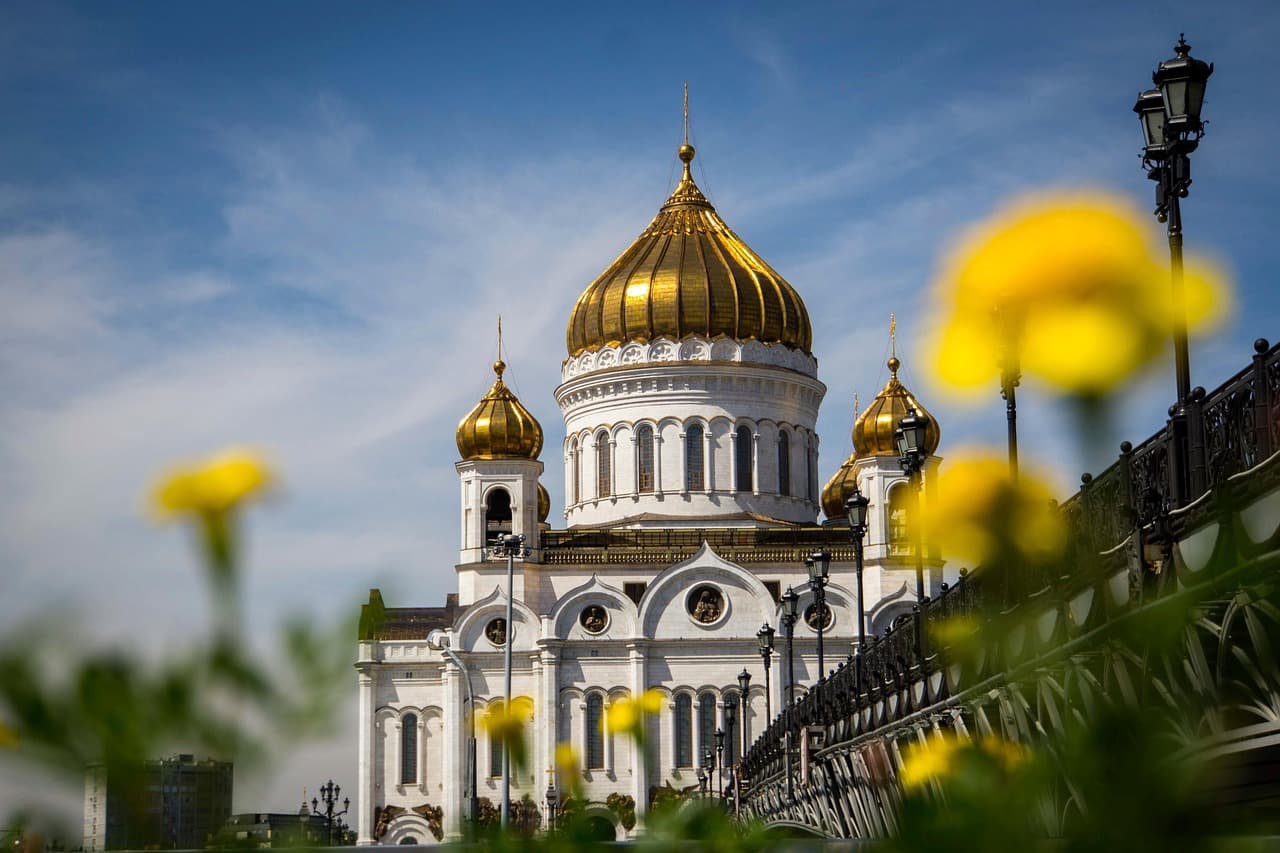
- Cathedral of Christ the Saviour - erected between 1839 and 1883, then rebuilt in the 1990s after its demolition in the Soviet era. The complex includes a monumental nave and dramatic iconostasis. Sundays draw crowds for liturgy; Thursdays often host devotional events, and visitors can check the date of special services to time their visit with fewer crowds.
- Intercession on the Moat (Pokrovsky) Church - a historic church of the 16th-17th centuries near the moat area, famed for its compact interior and strong iconography. Its insides preserve a sense of a devout, neighborhood church that still serves locals and guests alike in a quieter setting than the Kremlin's busiest sites.
Outside the central Kremlin belt, plan a deeper dive into a couple of other districts. In the sloboda quarter you'll find wooden chapels and smaller interiors that contrast with the grand stone ensembles downtown. A nearby zastava motif appears in old guard posts along surrounding walls, reminding visitors that Moscow's sacred architecture grew from a fortress mindset as much as from devotion.
- Kolomenskoye - Church of the Ascension - a remarkable 16th-century wooden church dating to 1532, set in a park that makes for a focused half-day trip. Its simple, elegant form influenced later church design in Moscow and beyond.
- Roman Catholic and Other Faith Communities - Moscow hosts Roman Catholic parishes with distinct church buildings, such as the Immaculate Conception parish. These sites operate within a broader Christian union of traditions and schedules; check their calendars if you'd like to compare liturgical styles on a separate day trip.
Practical tips to maximize your visit: check the date and exact hours ahead of time, especially for major sites that may close earlier on Sundays or have special evening programs on Thursdays. Expect large interiors and a focus on iconography, altars, and iconostases, with careful attention paid to entrances and insides as you move from the annunciation spaces to the grand domes. If you're planning multiple visits, return again in different seasons to experience the mood shifts of the interiors and the way daylight filters through colored glass on different times of day.
Inside St Basil's Cathedral in Moscow: layout, icons, and hidden details
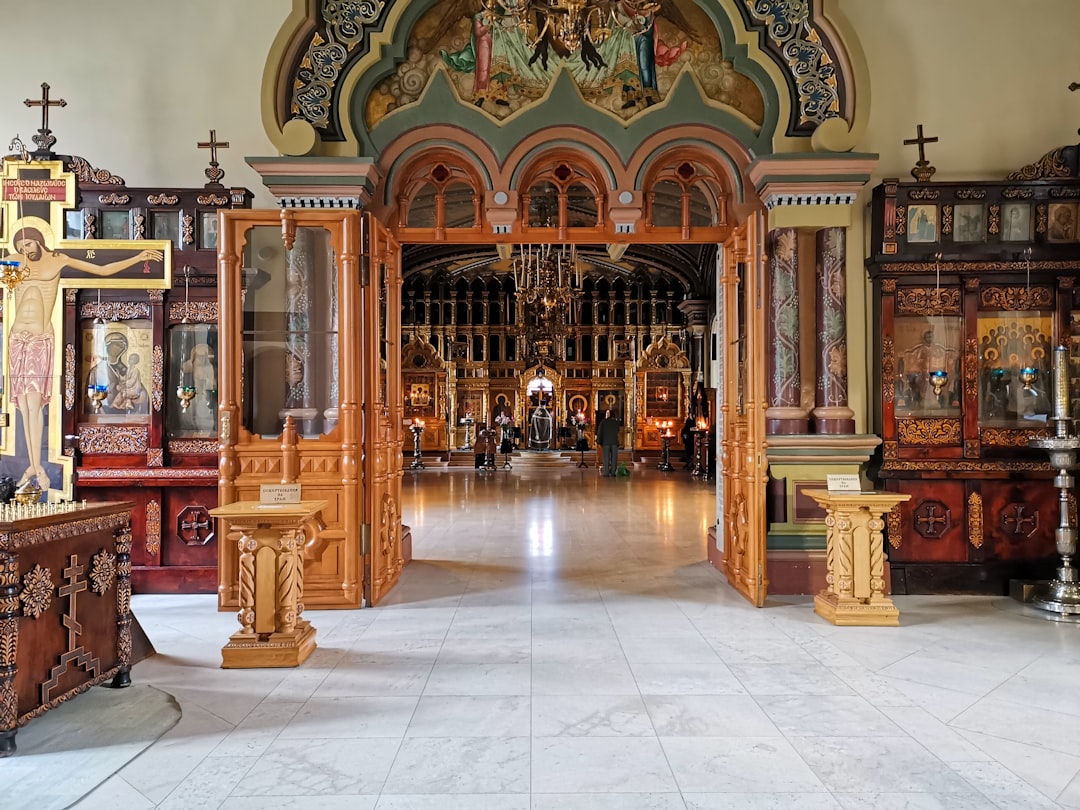
Visit the central chamber first to see how light plays across the many icons and the carved details that decorate the arches.
The cathedral forms an ensemble of nine chapels around a central core, conceived as a single place rather than separate churches. It belongs to the moskvoretsky tradition and was founded in the 16th century to mark a victorious moment in Moscow's history. Decorative work came from ivanovsky workshops, and donor plaques mention Louis, who bought the frame for one icon.
Inside, the interiors glow with warm tones and gold, and the icons line the walls in a continuous sequence around the nave. Nativity scenes appear in several niches, and Christmas symbolism threads through the frescoes and vestments. This iconography belongs to a shared workshop tradition, helping visitors read the sequence of altars as a single narrative rather than separate displays.
Around the route, the central domes and the surrounding chapels invite careful inspection. Look for ivanovsky motifs tucked in corners and in decorative frames where the pigment has held. The zamoskvorechye district sits just beyond the walls, and the moskvoretsky area shows how the church integrates with the city. If you want a contrast in church aesthetics, visit a nearby Baptist church in the same neighborhood to compare decorative approaches.
For hidden details, study the last consecrated chapel: its frescoes beneath the icon screen reveal a layered preparation process. The place was founded earlier, then expanded and consecrated again as part of Moscow's religious life. The interiors preserve a hard-won history with many stories, from christmas celebrations to nativity scenes that continue to inspire visitors today. This place remains a home for worship for many generations, linking the past to the present.
Outside St Basil's Cathedral: exterior architecture, towers, and best photo spots
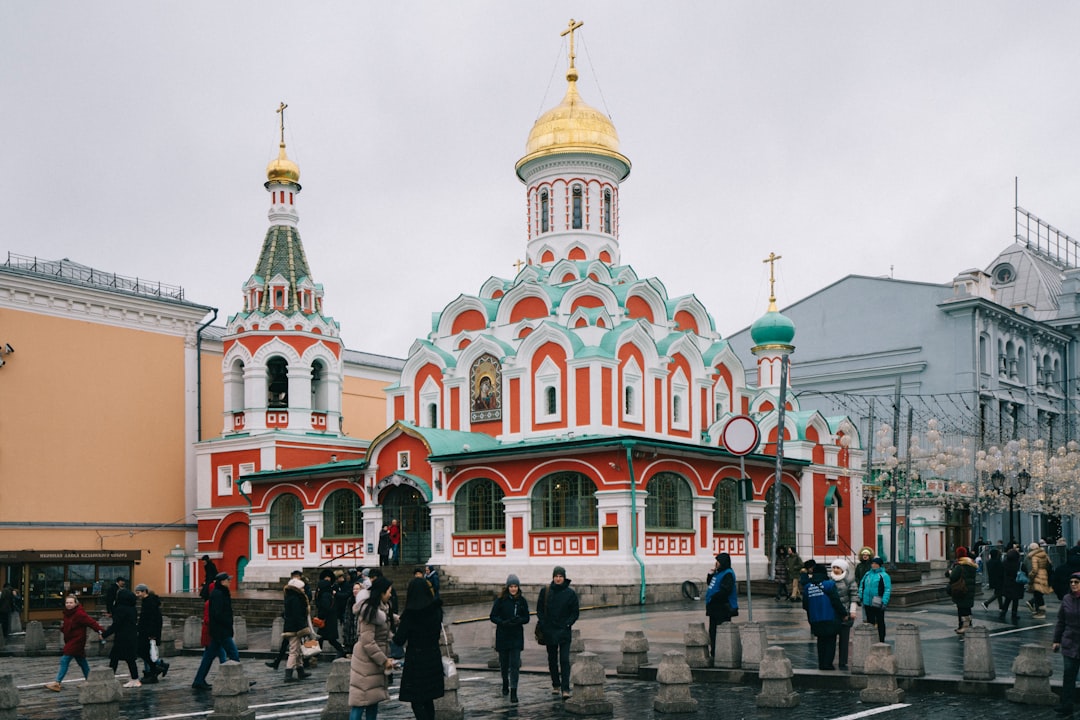
Start with a tight shot from the Red Square edge, near the kremlin wall, at golden hour to capture the main silhouette of St Basil's Cathedral. This vantage emphasizes the colorful domes, the bolshaya brickwork, and the tall, slender towers that define the site.
The exterior blends bolshaya brickwork with white detailing, creating a maze of arches, niches, and decorative bands. The central tower rises above the rest, while the other domes crown smaller chapels; together they form a cluster that became a symbol of Moscow in the sixteenth century. The dormition and annunciation motifs appear in carved stone and tilework; you can feel the tradition connected to the nicholas chapel and the nearby monastery and bishop's residences that last through centuries. This catholic site sits among many cathedrals that tell russias story.
From there, you can choose angles that tie the cathedral to nearby landmarks. Stand along the river edge near the yauza to include reflections, or frame the Kremlin's main towers behind the onion domes. These views reveal russias history, a truth you know from the dormition icon-lit façades with the sky. On thursdays and tuesdays, crowds thin, making it easier to photograph the main façades without obstructions. Each vantage spot highlights a detail-nicholas chapel, the next monastery wing, and the bishop's residence-so you can capture the last century of care visible in the stone. there, a quiet moment appears as groups pass.
| Spot | Vantage | Best time | Notes |
|---|---|---|---|
| Red Square edge, near kremlin wall | Full façade with towers and domes in one frame | golden hour | classic capture of the main profile; watch for crowds near the river |
| Nikolskaya Street corner | Domes framed against the wall of the kremlin | early morning | quiet before the crowds; highlights annunciation details |
| Alexander Garden viewpoint | Cathedral towers rising above parapets | late afternoon | soft light on brick and tiles |
| River bank along yauza | Reflections with cathedral towers in distance | sunset | dramatic colors; capture the kremlin outline with calm water |