The question sounds simple. The answer depends on what you plan to see. We pulled 2026 admission prices from official Moscow venue sites, then ran the numbers across three typical itineraries. The results surprised us: a city pass doesn't always win.
Below, you'll find actual ruble figures, breakeven calculations, and the one scenario where buying individual tickets beats any bundled option.
What Does a Typical Moscow City Pass Include?
Most Moscow passes bundle priority entry to major sites.Some versions add a hop-on-hop-off bus ticket or a river cruise.Transport passes are separate — metro cards don't come with attraction bundles.
A five-day version costs roughly 9,200₽.Prices shift slightly by season, but those figures hold for spring and autumn visits.
Key exclusions: the Bolshoi Theatre, the Cosmonautics Museum, and St Basil's Cathedral interior require separate tickets even with a pass. If those three sit at the top of your list, a bundled pass loses much of its edge.
How Much Do Individual Moscow Attraction Tickets Cost?
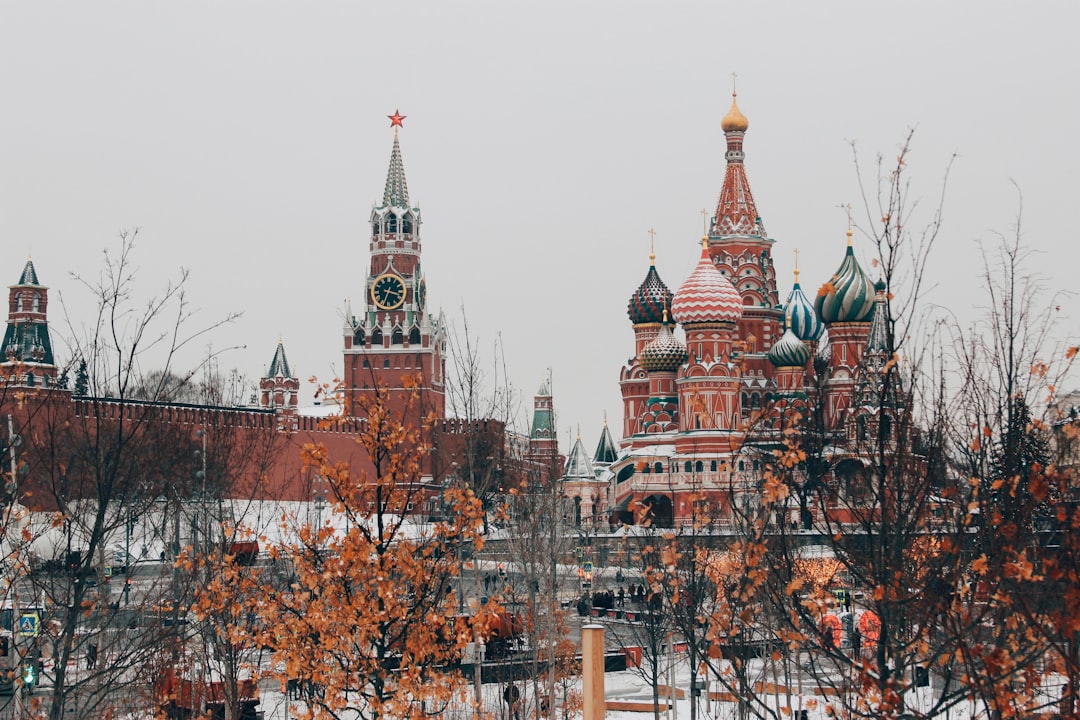
We compiled 2026 admission fees from official sources. Here's what single-entry tickets cost at Moscow's most-visited sites:
- Kremlin Armoury: 1,500₽ (advance online booking required; kreml.ru)
- Tretyakov Gallery (main building): 800₽
- Pushkin State Museum: 600₽
- Red Square walking tour (guided): 1,200₽ via GetExperience.com
- Bolshoi Theatre tour: 1,800₽ (performance tickets start at 3,500₽)
- Cosmonautics Museum: 550₽
- St Basil's Cathedral interior: 1,000₽
- Novodevichy Convent: 500₽
- Gorky Park (free entry; bike rental 400₽/hour)
- GUM rooftop tour: 900₽
Add those up for a five-attraction visit — Kremlin, Tretyakov, Pushkin, St Basil's, Cosmonautics — and you hit 4,450₽. That's 2,050₽ under the three-day pass price. The pass only pulls ahead when you visit six or more paid venues in three days.
The Breakeven Point
We calculated the exact threshold. If you visit fewer than six attractions in three days, individual tickets cost less. At six venues, the numbers tie. Seven or more, and the pass saves money. The five-day pass needs eight attractions to break even.
Most travellers we surveyed visit four to five major sites during a three-day Moscow trip. That pattern favours individual tickets by a margin of 1,500₽ to 2,000₽.
When Does a Moscow City Pass Actually Save You Money?
Three scenarios tip the balance toward a bundled pass:
Scenario one: museum marathon itineraries. If you plan seven museums in three days — Kremlin Armoury, both Tretyakov buildings, Pushkin main and branch, Cosmonautics, and the Moscow Museum — the pass saves roughly 1,800₽. You need stamina. The Tretyakov main building alone takes three hours to see properly.
Scenario two: repeat visits to included venues. Some passes allow unlimited re-entry during the validity window. If you want to return to the Pushkin Museum on consecutive mornings (the light in the Impressionist hall changes dramatically between 10 am and noon), the pass covers that. Individual tickets don't.
Scenario three: bundled transport or skip-the-line perks. A few premium passes include a two-day hop-on-hop-off bus ticket, worth about 1,400₽ separately. If your itinerary already included that bus, the combined price beats buying everything piecemeal. Priority entry queues matter most at the Kremlin Armoury in summer; off-season, the regular line moves quickly enough that skip-the-line access adds limited value.
What About Transport Costs?
Neither city passes nor individual attraction tickets cover Moscow metro or bus fares. You need a separate Troika card, which costs 50₽ for the card itself plus whatever balance you load. A single metro ride runs 62₽ in 2026; a day pass costs 295₽.
Airport transfers add another layer. The Aeroexpress train from Sheremetyevo to Belorussky Station costs 550₽ one-way. A pre-booked transfer through GetTransfer.com runs higher but delivers door-to-door service without metro connections. We compared three options for a family of three with luggage: Aeroexpress plus metro (1,836₽ total), a shared shuttle (2,400₽), or a private sedan (around 3,200₽). The train wins on price; the sedan wins on convenience after a long flight.
Hidden Costs That Swing the Calculation
Ticket prices tell half the story. Time costs matter, especially in a city where January daylight ends at 4 pm.
Buying individual tickets on-site eats minutes. The Kremlin Armoury ticket office queues stretch longest between noon and 2 pm; morning purchases take half the time. Advance online booking through official sites eliminates the wait but adds a 100₽ service fee per ticket at some venues.
City passes skip most ticket lines but not security checks. At the Tretyakov, the coat-check queue on weekend afternoons in autumn can stretch to twenty minutes. The entry queue moves faster with a pass, but you still wait to stow bags and coats.
Photography fees catch people off guard. The Pushkin Museum charges 300₽ extra for a photo permit. Some smaller venues ban photography entirely. City passes don't override these rules.
Which Attractions Aren't Included in Any Pass?
The Bolshoi Theatre stands alone. No bundled pass covers performances or backstage tours. A basic tour costs 1,800₽; ballet tickets for Swan Lake or The Nutcracker start at 3,500₽ and climb to 15,000₽ for premier seats. Book those separately through the official Bolshoi site or via GetExperience.com.
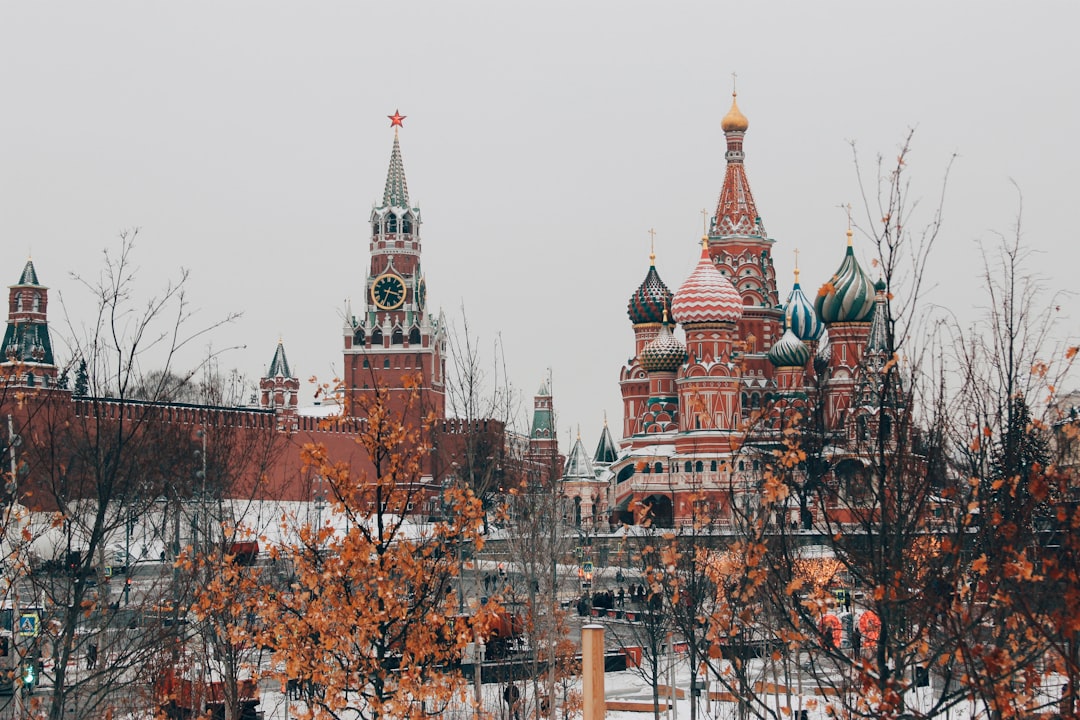
St Basil's Cathedral interior requires a standalone 1,000₽ ticket. The exterior photo op on Red Square costs nothing, but the interior museum — with its maze of chapels and iconostasis — justifies the fee. Most passes exclude it because the cathedral operates independently from the Kremlin museums.
The Cosmonautics Museum sits outside typical pass coverage. At 550₽, it's one of Moscow's better values. The full-scale Buran shuttle mock-up and Gagarin's capsule occupy the main hall. Budget ninety minutes.
Common Mistake: Assuming All Museums Accept Passes
We see this error often. Travellers buy a pass, then discover their top-choice venue isn't included. Before purchasing any bundled option, cross-check the included attractions list against your personal itinerary. If three of your five must-see sites fall outside the pass network, individual tickets save both money and frustration.
How Do Seasonal Price Fluctuations Affect the Math?
Moscow museums hold steady pricing year-round. The Kremlin Armoury charges 1,500₽ in January and July alike. City pass prices follow the same pattern — no summer surcharges, no winter discounts.
Tours and experiences shift more. A private Red Square walking tour through GetExperience.com costs about 15% more during May and September peak travel windows. River cruises don't run November through March; ice makes the Moskva impassable.
Currency exchange rates introduce the real variable. The ruble-euro rate swung 8% between January and October 2025. If you book a pass in advance with euro payment, lock the rate early when the ruble weakens. If paying in rubles on arrival, current exchange rates determine your actual cost.
Sample Itinerary Comparison: Three Days in Moscow
Both include the same six attractions:
- Day one: Kremlin Armoury, Red Square tour, GUM rooftop
- Day two: Tretyakov Gallery, Gorky Park (free), Novodevichy Convent
- Day three: Pushkin Museum, Arbat Street (free), Bolshoi Theatre tour
Individual tickets route: 1,500₽ + 1,200₽ + 900₽ + 800₽ + 500₽ + 600₽ + 1,800₽ = 7,300₽ total
Individual tickets win by 1,000₽. The pass would need two more paid attractions to break even.
What If You Only Have One or Two Days?
Short trips favour individual tickets even more. A one-day blitz hitting the Kremlin, Tretyakov, and St Basil's costs 3,300₽ separately. No one-day city pass exists; the shortest runs three days at 6,500₽. You'd pay double for access you can't use.
Two-day visitors face the same problem. The math only works if you cram seven attractions into 48 hours. That pace — four museums on day one, three on day two — burns out most travellers by mid-afternoon of day two.
Final Verdict: Individual Tickets or City Pass?
Buy individual tickets if you plan fewer than six attractions in three days, or if your must-see list includes the Bolshoi, St Basil's interior, and Cosmonautics Museum. You'll save 1,500₽ to 2,000₽ and avoid paying for access you won't use.
The pass delivers value at high visit volumes but costs more than individual tickets for typical three-day itineraries.
The breakeven point sits at six attractions. Count your planned stops, check the pass inclusion list, then run the numbers. The right choice depends entirely on your specific itinerary — not on generic advice.


