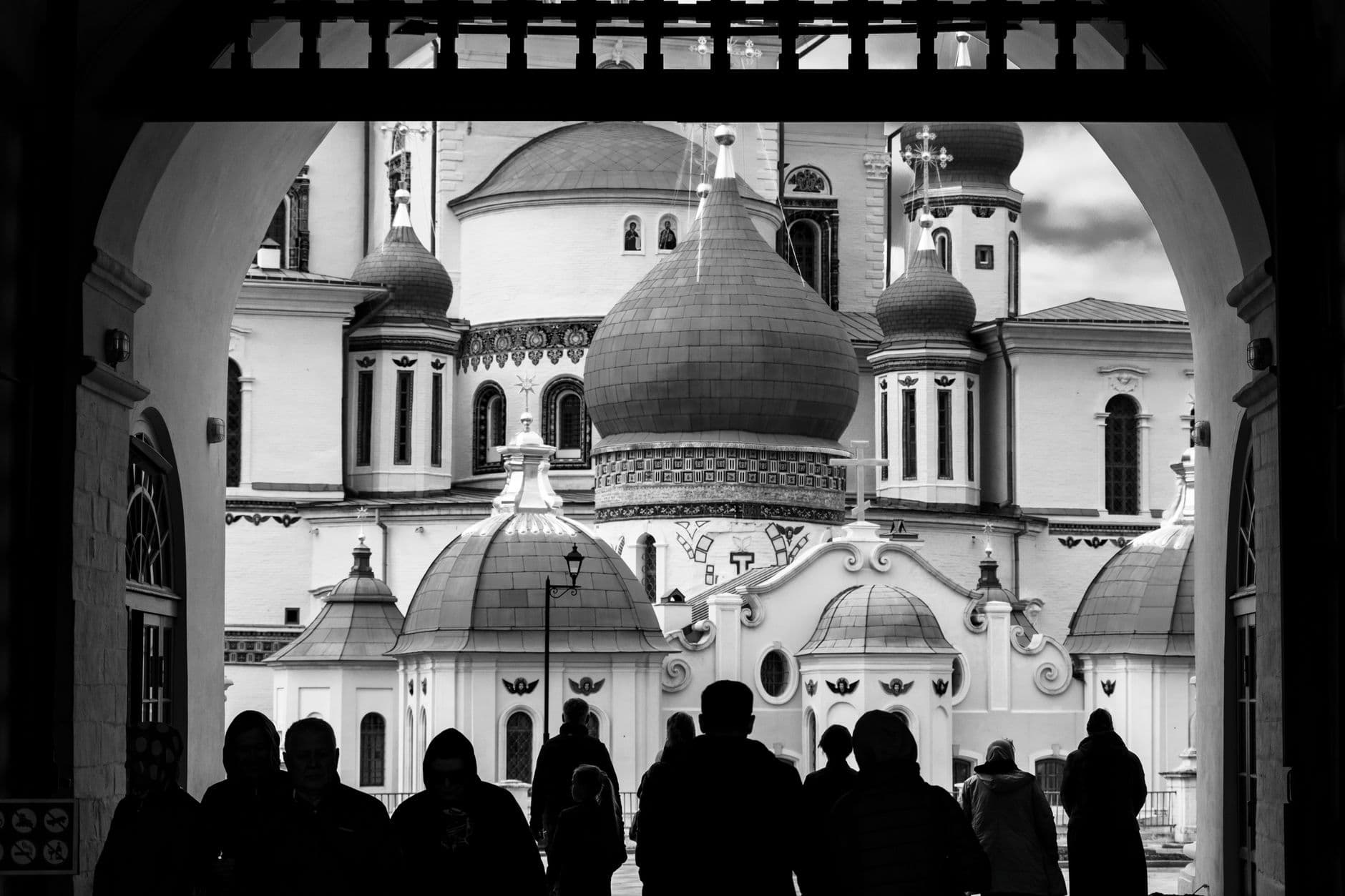

Start your day with a targeted stroll through the Arbat lanes, where the best boutiques greet visitors with a crisp, modern mood. A parked convertible by the entrance adds a twinkle to the window displays. Expect a saint array of fabrics and silhouettes from the mid-20th century to the late 80s, paired with contemporary twists for daily wear. Visited by locals and travelers alike, these suites stage concise exhibitions that tell stories beyond price tags. The staff have previous wardrobes in mind, and there you have a chance to spot items that suit a vacation mood or a stylish night out.
Central clusters around Arbat and Kitay-Gorod offer an array of 5-7 compact rooms where shelves rotate with new acquisitions every month, so your next visit reveals fresh picks. Look for places with a steady cadence of exhibitions and a lobby detail of a rolls-royce motif signaling a mood inside. There you can have careful discussions about provenance and care.
For value, seek pieces that mix natural fibers with precise tailoring. Budget-friendly finds typically sit below 50,000 rubles for blouses and accessories, while standout coats and dress sets hover in the 70,000-180,000 rubles range. Staff are generally open to a modest discount for multiple items, and you can simply bundle a few pieces to save. Bodies of garments come with notes on care and origin, helping you assemble a cohesive look.
When planning the route, map a 2-3 hour window across two or three venues, then pause at a café to compare notes. Weekday visits often yield more time for conversations about provenance and style evolution, allowing you to confirm a single piece or a small collection that truly fits your personal track.
There, a focused selection awaits people who prefer to build a personal array of looks rather than chase trends. The best finds become keepsakes that ride well across exhibitions and daily wear, turning shopping into a quiet vacation inside the city.
Most Atmospheric Vintage Shops in Moscow
Begin at the bright storefront on Arbat Street, near Smolenskaya station, and map a route that blends dressing rooms, back rooms, and a sanctuary of textiles.
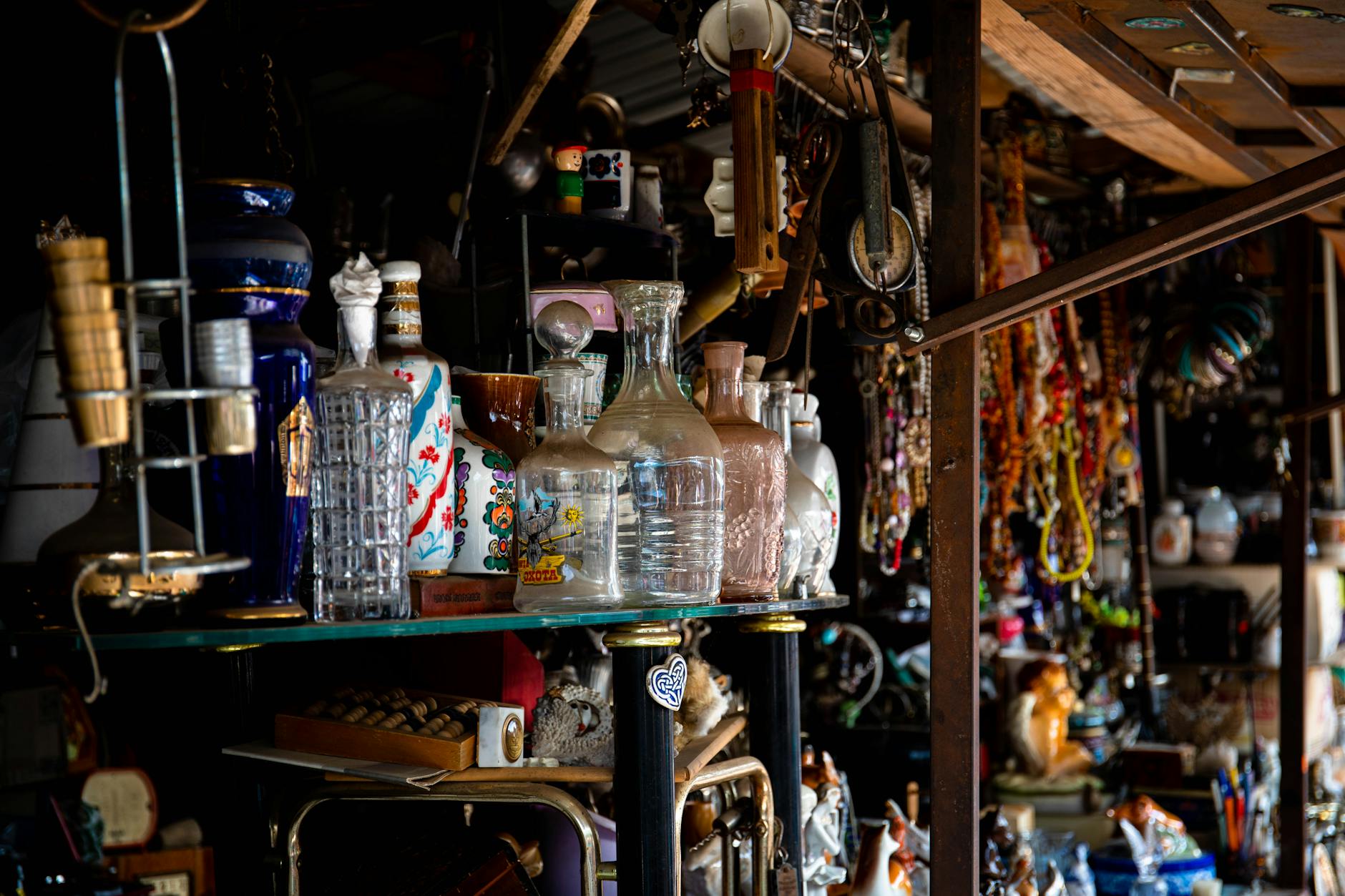
The Gilded Wardrobe - location: Arbat Street, building 12, second floor, opens 10:00-19:00 daily. Real focus on 1960s-1980s dresses; silk and velvet pieces that catch the light. This location holds the largest single collection of cocktail and day dresses; color stories are arranged by era to assist location planning. Love the tactile fabrics, and the staff have quick alterations guidance. Inquiries by mail are welcomed.
fraschini Sanctuary - tucked near the central market zone, this corner spot hosts a fraschini-inspired aesthetic, with a back room where convertible jackets and satin capes hang like stage props. The location is inviting and staff share careful notes on fabric aging to avoid damage. Open 11:00-18:30; plan a visit after lunch. Review cards at the counter help first-timers understand sizing and alterations. For updates and events, mail is encouraged.
Convertible Couture - a compact space close to a major metro station, focusing on outerwear with convertible features: jackets that transform to vests, skirts that morph with panel toggles, and fabrics that stay crisp with wear. The piece mix emphasizes quality over quantity; the atmosphere invites love for texture. The location is ideal for planning outfits across multiple stores. Sale racks refresh weekly; try to catch new arrivals. They maintain a mail list for previews.
Reviews from visitors highlight real character and beauty beyond the usual consumer clutter. To maximize your time, adopt a simple plan: inspect fabrics with basic tools (tape measure, seam gauge), try on at least two sizes, and photograph silhouettes for later comparison. Start with a clear list of dresses you love and a rough budget; miss a piece on the first pass, and you'll find a better substitute at the next stop. A single afternoon can yield several memorable pieces, especially if you visit three or four locations and finish near a convenient station.
A Curated Guide; MMOMA Moscow Museum of Modern Art
Plan to arrive around 11:30 to start on the main floor, then loop through a second circle to catch works you might miss on a first pass, taking time to savor textures. The oldich brick walls and warm lighting add warmth that makes great contemporary pieces feel anchored in centuries of practice. In particular, the display pairs archival materials with experimental media, with a piece by olivier standing amid several rooms that show how style evolves when tradition meets experimentation. The attention to detail is evident in the paired installations; vendors around the lobby offer a quick coffee or hot drink, so you can sip something warm while planning your route. january light filters through tall windows, highlighting beauty in color and texture, while signage with london minimalism feels precise and intimate rather than glossy. If you are visiting with friends, focus on the experimental hall first, then the second floor, where several installations invite interaction; the drive through the atrium links periods and provides a perfect transition. Price varies with exhibitions, so check the official site for current price and any bundled tickets; bring a bottle or plan to refill, as liters of water are available in the cafe, and take time to linger with each beauty and beauties, miss nothing, and leave with a clear sense of the great atmosphere this institution offers.
District-by-district map for Moscow's vintage stores
Start in the Arbat cluster along Stary Arbat and Kamergerskaya: this single corridor offers the most compact, full selection of pieces from the late 20th century, with a sanctuary-like vibe where treasures glow like gold under shop lights. Theres a mix of accessible finds and rarities, making it the gateway for first-time visitors and seasoned collectors alike.
- Arbat - central cluster
- Along Stary Arbat and Kamergerskaya, expect a complex blend of mid-century tailoring, 70s dresses, and practical accessories, with prices that swing from modest to premium.
- single standout shops often present hermitage-inspired corners-tiny, curated shelves where a single piece carries centuries of stories.
- times on weekend mornings are ideal for review rotations; this neighborhood is a sanctuary for lovers of who's-who silhouettes and textured fabrics.
- negatives: crowds peak in late morning; problems can arise with sizing and provenance, so ask for receipts and care notes before purchase.
- Tverskoy & surrounding central belt
- Streets near Tverskaya and the adjacent lanes host a huge variety of vintage coats, leather, and uniforms from several decades, compared with quieter outposts further east.
- theres a noted experimental streak in a few basement venues, where designers reinterpret old garments into contemporary pieces.
- times to visit: early afternoon when staff update racks; review sheets help track which stores align with your taste, whether their beauties lean toward bold gold accents or understated neutrals.
- Presnensky & west-central arc
- Along and around the Vakhtangov Theatre axis, a compact territory of shops focuses on theatre-era costumes and practical everyday looks from the 1960s-1980s.
- compared to tourist routes, this area tends to be calmer, with a higher chance to find a single flawless piece in good repair.
- problems: storage for bulk stock is visible in some rooms; look for long-running sellers who offer honest condition notes and repairs.
- Zamoskvorechye - riverbank fringe
- Along the riverfront lanes, the selection broadens to include post-war tailoring, military surplus styled pieces, and textiles with lush textures that feel centuries old.
- theres a sense of hermitage in several storefronts-quiet rooms where collectors flip through archives of postcards, buttons, and rare trims.
- review tips: compare similar jackets across two or three shops to gauge fit, color fade, and lining integrity; a few stores offer restoration for a fee.
- Tagansky - east side pockets
- Streets around Taganskaya host a mix of casual boutiques and professional ateliers, with a strong emphasis on 70s and 80s sportwear and utilitarian jackets.
- times when new stock drops create rapid shifts in the floor's mood; visit earlier in the week for a calmer browse.
- beauties: some pieces feature bold embroidery and metallic threads that catch light in a way that feels almost ceremonial.
- Khamovniki - southwest fringe
- Along the garden-ring corridors, expect a larger, more relaxed selection: coats, dresses, and sleepers from the late Soviet era with robust construction.
- this territory often presents lower price points for good-condition pieces; negotiate a little on bulk buys or repairs.
- negatives: some stores push mending charges; ask for a full condition report and care instructions before buying.
- Yakimanka - southern riverside
- Near the river, smaller boutiques blend mid-century silhouettes with bohemian accents; the selection tends to sky-high in charm per item but can be lean on sizes.
- review culture is strong here: sellers frequently share origin stories, allowing you to assess authenticity and timeline at a glance.
- problems: space is often tight; plan a careful pass through racks to avoid missing hidden gems tucked in corners.
- Basmanny - eastern edge
- Along and around the arterial streets, expect a more experimental mood: upcycled pieces, recycled fabrics, and reinterpretations of classic styles.
- theres a huge overlap with design studios, making some locations feel like a showroom-cum-lab where textiles meet modern wearability.
- times to browse: midweek daylight hours yield the calm needed to study fabric weight and lining quality.
This selection maps a practical territory for anyone building a coherent wardrobe across eras. Compared with distant districts, the central and river-adjacent lanes offer the most reliable review threads, while the east and south pockets reward patience with rare, well-preserved finds-an almost ritual experience through times and centuries of textile craft.