This is the kind of knowledge you don't need at all until you urgently need it. The city's emergency transport instructions are short and worth reading once in advance.
If you fell onto the tracks
First and foremost: do not touch the third rail and do not try to get out on your own. This is precisely what people do in the first second, and it's exactly what you shouldn't do.
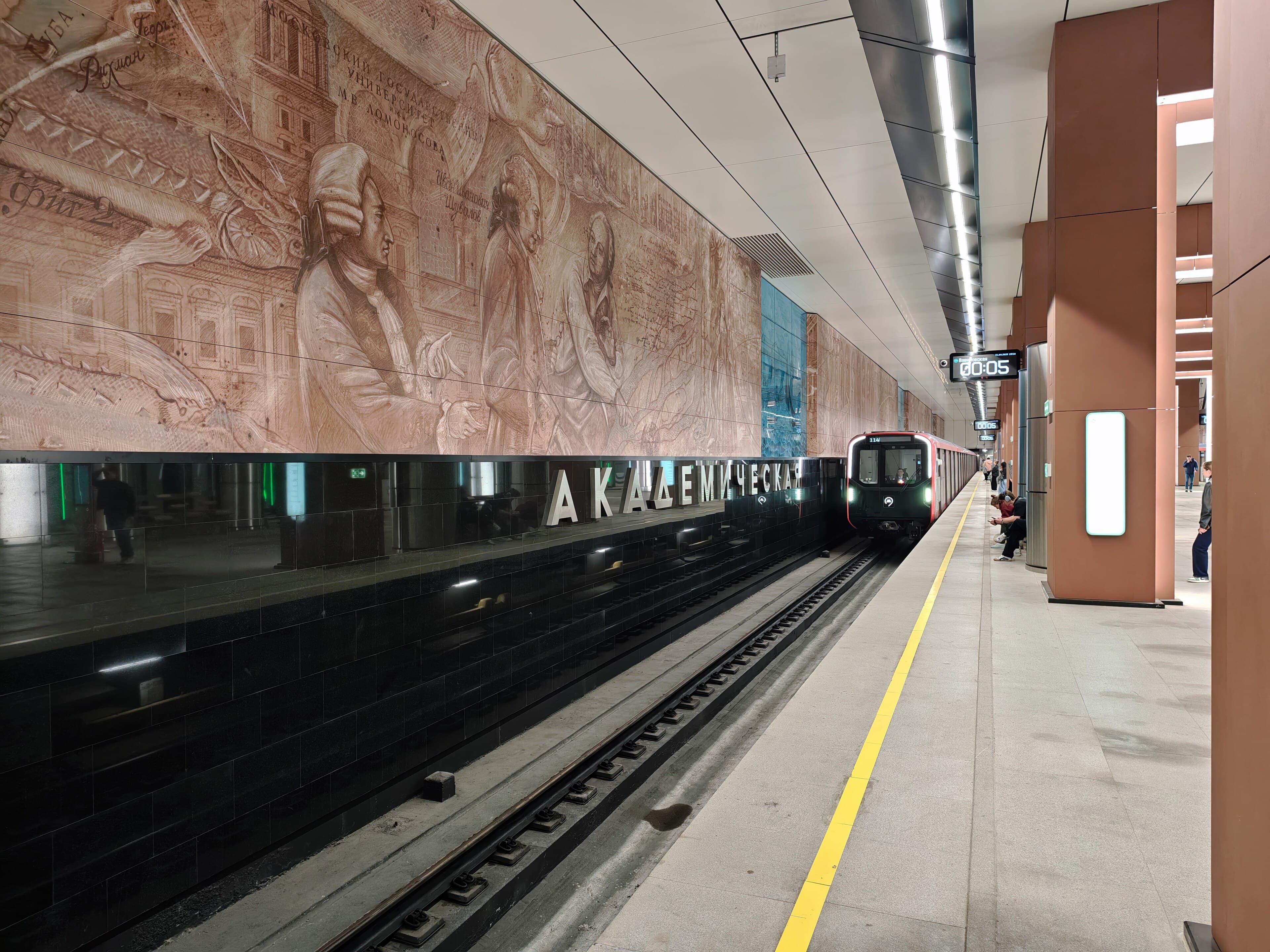
If you are not injured, proceed in the direction of the train's movement to the beginning of the platform, to the black and white stripe, and wait there for a metro employee. They will help you get up.
If you cannot stand up or the train is already approaching, lie down in the trough between the rails, face down, with your head towards the train, and do not move. The train will not harm you, even if it passes over you. Do not move until the engineer or station staff approaches.
The instructions sound counterintuitive, so they should be memorized verbatim: tray between the rails, face down, head toward the train, do not move.
If someone else fell on the tracks
Inform any subway employee at the station or the operator via the emergency call column—there's an emergency button on the column.
If the train is already approaching, signal the driver with a circular motion of your hand. This gesture is recognized as an emergency signal.
If items have fallen onto the tracks, you must not go down to retrieve them under any circumstances: contact the station attendant or a police officer at the subway.
Subway fire
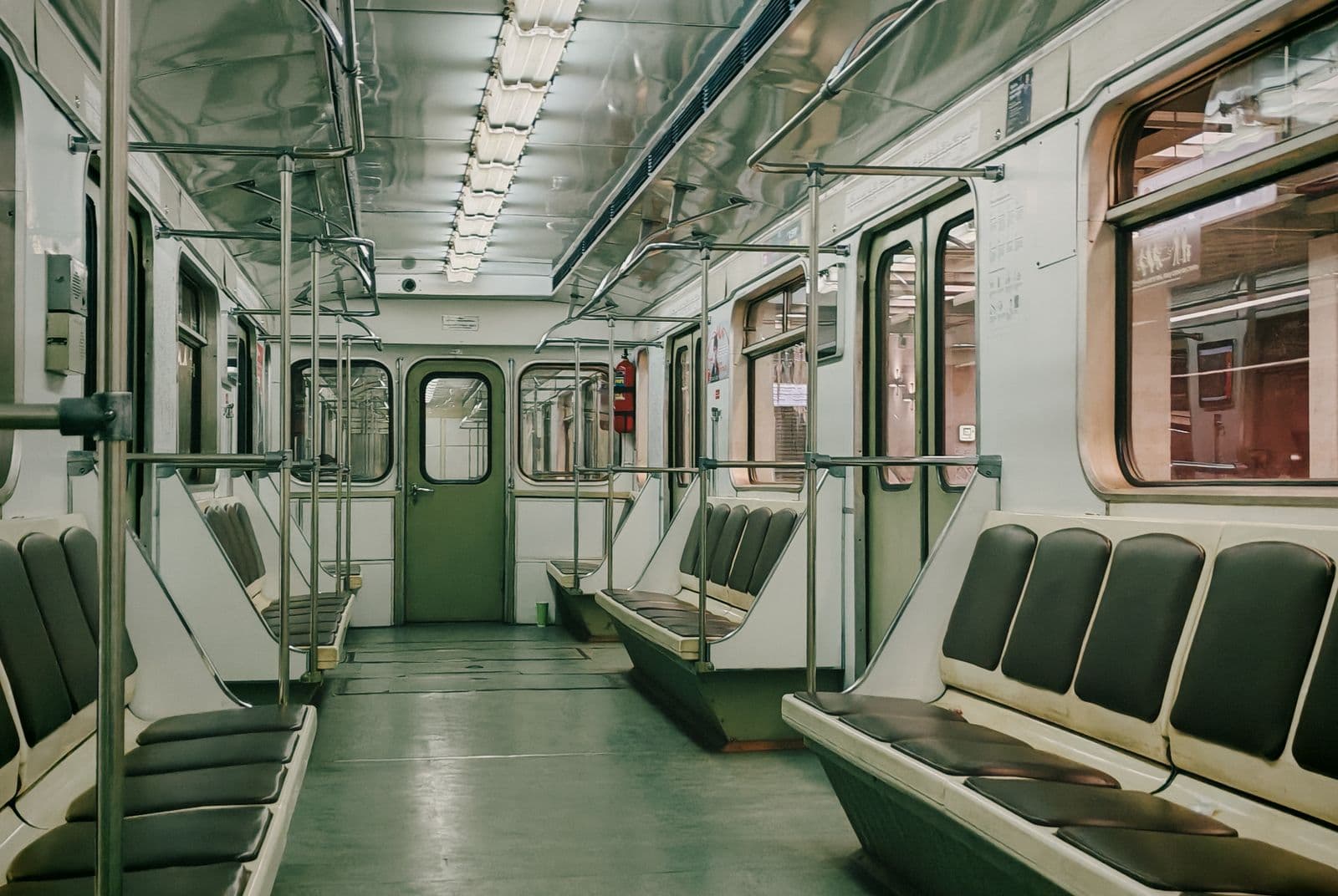
In the car. Contact the driver via the "passenger-to-driver" emergency communication system and be sure to state the car number. Without the car number, the driver won't know where to go.
At the station. Contact any employee - the station attendant, station manager, police officer, or escalator attendant - or press the emergency call button on the emergency call pillar.
A passenger became ill.
In the subway car, there is the same emergency communication with the driver and the same car number. A doctor will be called to the nearest station, meaning help will meet the train, rather than waiting for you to arrive.
At the station, any employee or an emergency button on the pillar.
On an electric train, there's a "driver" button. If you need help at a train station, you have to call yourself: 103 or 112.
Commuter train: fire set differently
Here's a more detailed instruction because you have to leave on your own.
Notify the driver using the "driver" button and follow their instructions. Close the windows, otherwise the wind will fan the flames. Go to the front cars; if this is not possible, go to the end of the train, tightly closing all doors behind you.
⚠️ Prepare respiratory protection: hats, scarves, pieces of cloth soaked in water. The lining material of the train cars releases toxic gas when burning, and it is more dangerous than the fire itself.
Once outside, help others escape.
Broken wire
A separate point, rarely found in guidebooks, but it's a lifesaver.
If a live wire is broken and touching the ground, move away from it by jumping or taking short steps. The reason is step voltage: electric current spreads through the ground for a distance of two meters on dry ground to thirty on wet ground.
A common wide stride in this area is what's killing it.
Fire at a train station
Call the fire department — 101 or 112. Then follow the instructions:
don't waste time and effort saving property;
Take care of the children and the elderly, get them away from the fire.
Make sure to send someone to meet the firefighters. They should provide the exact address, the quickest access routes, and inform them if there are people inside.
Ground transport
It's simpler here. In case of a fire in the cabin: immediately notify the driver, leave the cabin, and call the fire department at 101 or 112. In case of a fire at a stop: leave it and notify the fire department.
Драка
The instruction is the same for all types of transportation and sounds unambiguous: do not interfere and do not try to break up a fight.
On an electric train, call for the train's escort police officers using the "driver" button. At a train station, inform the senior ticket agent at the ticket office, and they will call the police. On surface transport, inform the driver.
Four numbers worth remembering
112 is a single number that works always and is suitable for any situation.
101 — Fire department.
103 — ambulance.
102 — police.
And one final observation: in almost all cases, the instructions inside the vehicle do not permit you to make a call yourself. They instruct you to contact the engineer or driver - they are closer, they have communication devices, and they know your exact location.
Photo: Nord794ub, Wikimedia Commons, CC BY-SA 4.0.